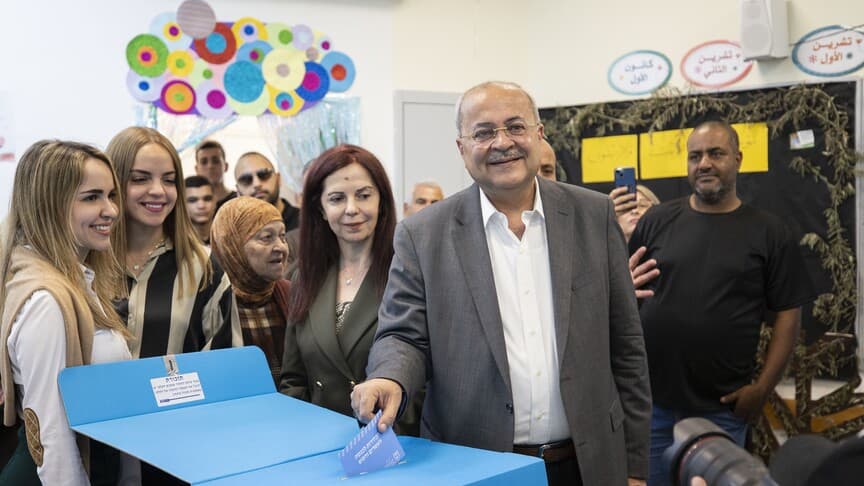
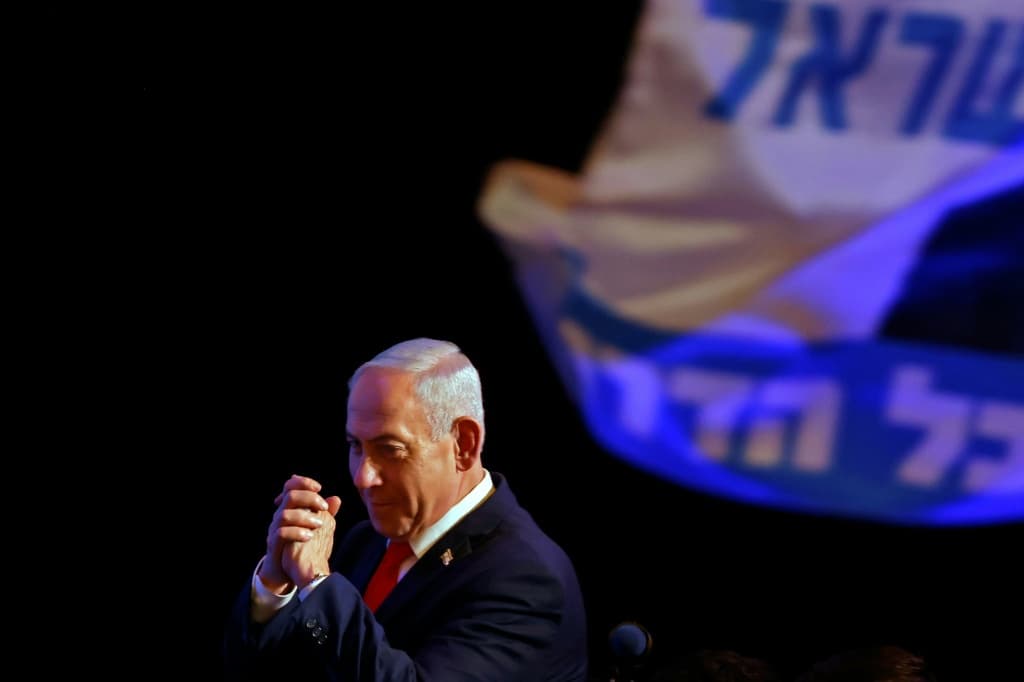
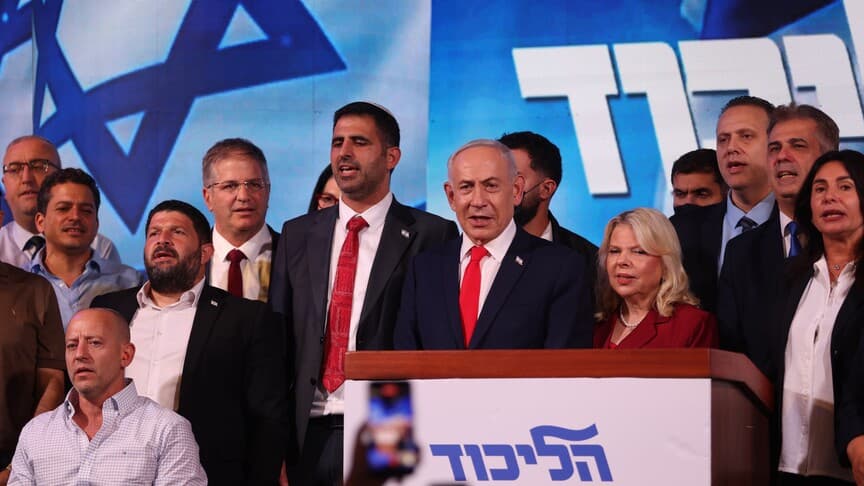
Joint List leader Ahmad Tibi announced readiness to support Gadi Eisenkot's opposition bloc to unseat Netanyahu's government. With 84.5% of votes counted, Netanyahu's bloc receives 54 of 120 mandates — seven short of a majority.
After about 52% of ballots were counted, Benjamin Netanyahu's bloc holds 55 of 120 seats, Gadi Eisenkot's opposition bloc holds 49, and the Arab parties hold 16. Neither camp has yet reached a majority, and both leaders have declared their readiness to form a government. Full results are expected by Thursday or Friday.
According to preliminary BBC figures, Netanyahu's bloc falls short of the 61 seats needed in the Knesset, while the Arab lists delivered a record result and could become 'kingmakers'. Final results are delayed due to uncounted military ballots. According to preliminary BBC data, Netanyahu's bloc falls short of the 61 seats needed in the Knesset, while the Arab lists achieved a record result and could become 'kingmakers'. Final results are delayed due to uncounted military ballots.
According to exit polls, the blocs of Benjamin Netanyahu and Gadi Eisenkot each received about 51 mandates — below the threshold of 61 seats. Both politicians claimed the right to form a government; Arab parties gained strength sharply, and the outcome may depend on their external support.
According to preliminary counts, Benjamin Netanyahu's bloc is receiving about 57 mandates out of 120 — four fewer than a parliamentary majority. Gadi Eisenkot's opposition bloc has 47, while the Arab parties, with 16 mandates, could become decisive in forming a government.
According to exit polls by Israeli TV channels, neither Gadi Eisenkot's bloc nor Benjamin Netanyahu's coalition reaches the majority of 61 Knesset seats. Likud remains the largest party, and the Arab parties, with a record result, could become the arbiter in coalition formation. Turnout was the highest in decades, with final results not expected before Thursday. According to exit polls by Israeli television channels, neither Gadi Eisenkot's bloc nor Benjamin Netanyahu's coalition is winning a majority of 61 seats in the Knesset. Likud remains the largest party, while the Arab parties, with a record result, could become the kingmaker in coalition formation. Turnout was the highest in decades, with final results not expected before Thursday.
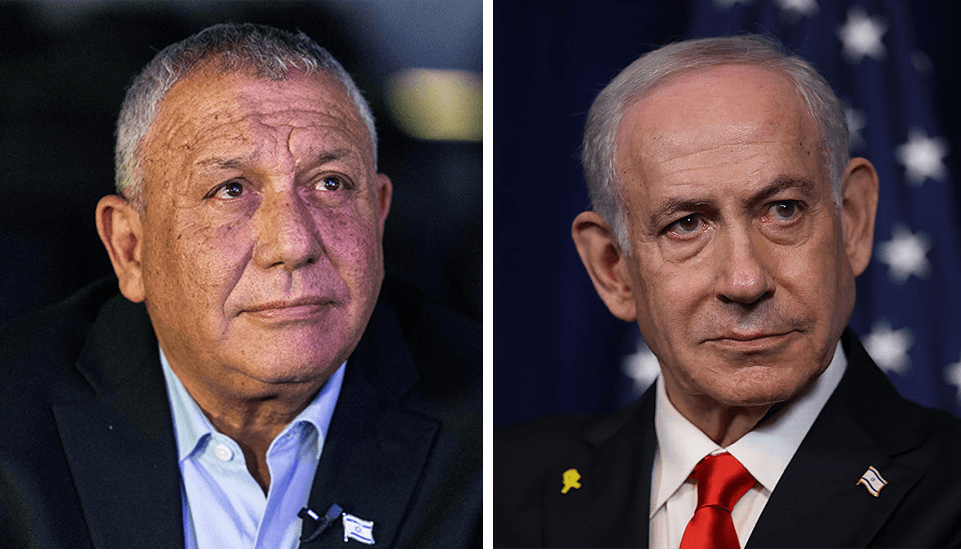
On Tuesday, Israel holds its first general election since the Hamas attack of October 7, 2023. The contest is between Benjamin Netanyahu and Gadi Eisenkot, but experts do not expect a sharp reversal in Iran policy: in their view, key decisions are made in Washington. On Tuesday, Israel holds its first general elections since the Hamas attack of October 7, 2023. The contest is between Benjamin Netanyahu and Gadi Eisenkot, but experts do not expect a sharp reversal in Iran policy: key decisions, in their view, are made in Washington.
On Tuesday, 27 October 2026, Israel holds its first legislative elections since the Hamas attack of 7 October 2023. Incumbent Prime Minister Benjamin Netanyahu and his centrist rival Gadi Eisenkot are running roughly neck and neck in the latest polls, and coalition formation could take weeks or months.
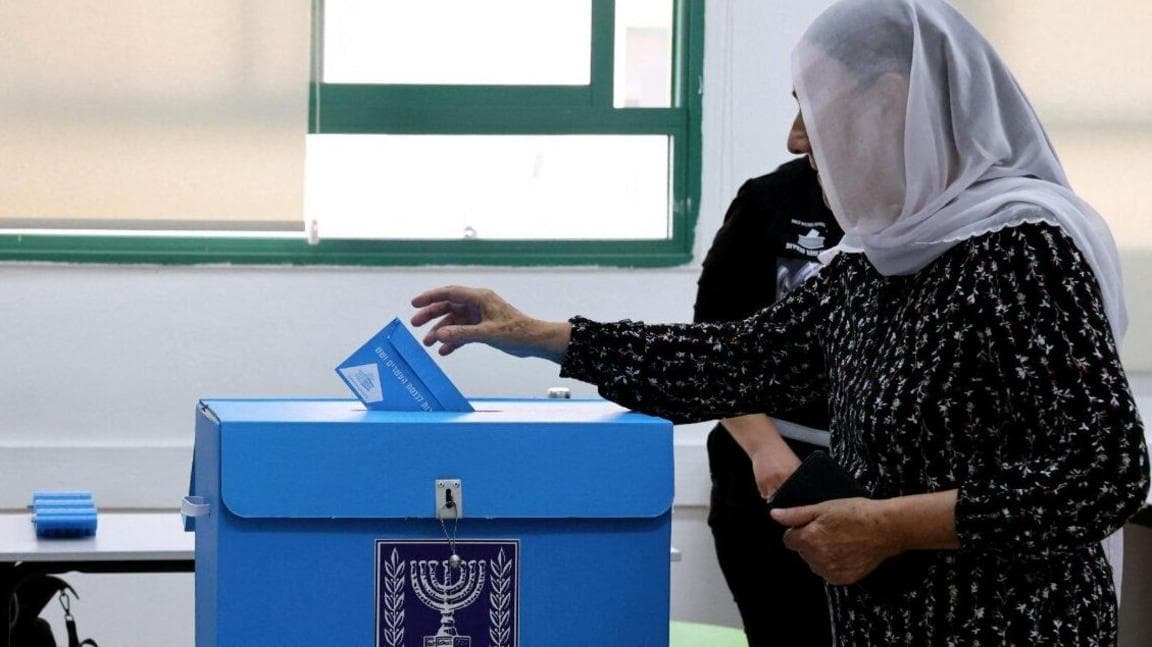
On October 27, Israel's parliamentary election began — the first general election since the start of the war in Gaza in October 2023. More than 7.3 million voters are electing 120 members of the Knesset, with 37 parties competing for the right to form a coalition of 61 seats. According to polls, Netanyahu and Eisenkot are running nearly neck and neck, but no bloc, according to projections, is expected to win a majority. On 27 October, parliamentary elections began in Israel — the first general elections since the start of the war in Gaza in October 2023. More than 7.3 million voters are choosing 120 members of the Knesset, with 37 parties competing for the right to form a coalition of 61 seats. According to polls, Netanyahu and Eisenkot are running almost neck and neck, but neither bloc, according to forecasts, is expected to win a majority.
On 27 October Israel holds its first nationwide elections since the Hamas attack of 7 October 2023. The campaign centres on the figure of Benjamin Netanyahu, the exemption of the ultra-Orthodox from military service, and accountability for the security failures, while the course of the wars themselves and the economy are barely discussed. On 27 October Israel holds its first nationwide elections since the Hamas attack of 7 October 2023. The campaign centres on Benjamin Netanyahu's personality, the exemption of ultra-Orthodox men from military service and accountability for the security failures, while the course of the wars themselves and the economy are barely discussed.
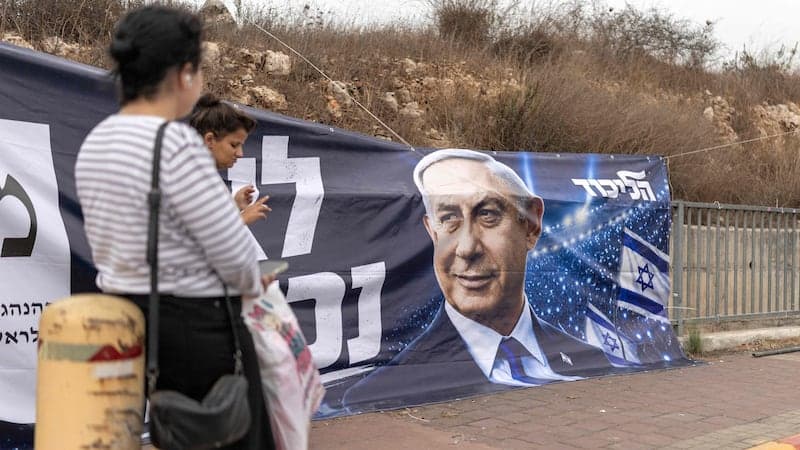
Israel held parliamentary elections on Tuesday: about 7.3 million voters are choosing 120 Knesset members from 36 parties. The central question is the fate of Benjamin Netanyahu, whose four-year term has been marked by the security failure of October 7, 2023 and the wars in Gaza, Lebanon and against Iran. Polls point to a close race, with the main rival being former army chief of staff Gadi Eisenkot.
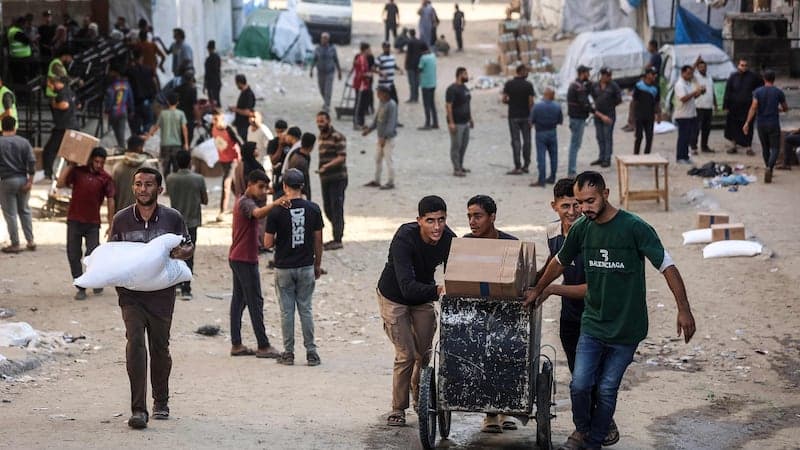
On the eve of the Knesset election, residents of the Gaza Strip express exhaustion and scepticism: many want Benjamin Netanyahu to be defeated, but do not believe a change of power will alter their situation. Their main concerns are housing, food, water, and the rebuilding of schools and hospitals. On the eve of the Knesset election, residents of the Gaza Strip express fatigue and skepticism: many want Benjamin Netanyahu to be defeated, but do not believe a change of power will alter their situation. Their main concerns are housing, food, water, and the rebuilding of schools and hospitals.
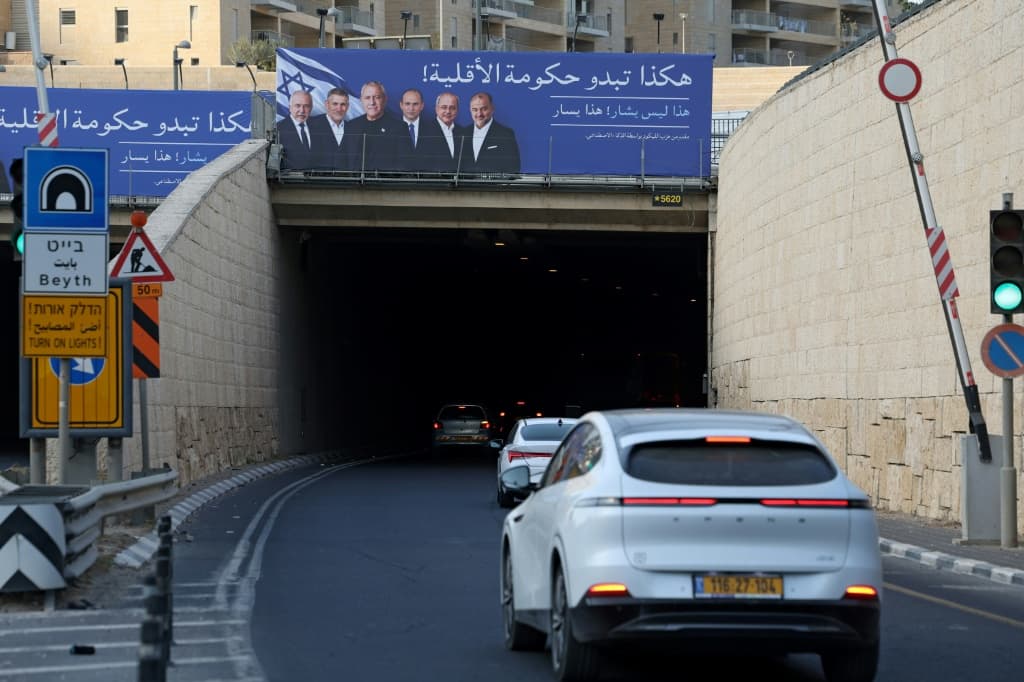
Israel holds general elections on Tuesday — the first since the 7 October 2023 attacks. Polls published on Friday put the ruling coalition and the opposition bloc almost level. The campaign focuses on security, judicial reform, the drafting of the ultra-Orthodox and the role of Arab parties, which could become 'kingmakers' in a deadlocked outcome. Israel will hold general elections on Tuesday — the first since the October 7, 2023 attacks. Polls published on Friday put the ruling coalition and the opposition bloc almost level. The campaign is focused on security, judicial reform, ultra-Orthodox conscription, and the role of the Arab parties, which could become 'kingmakers' in the event of a deadlock.
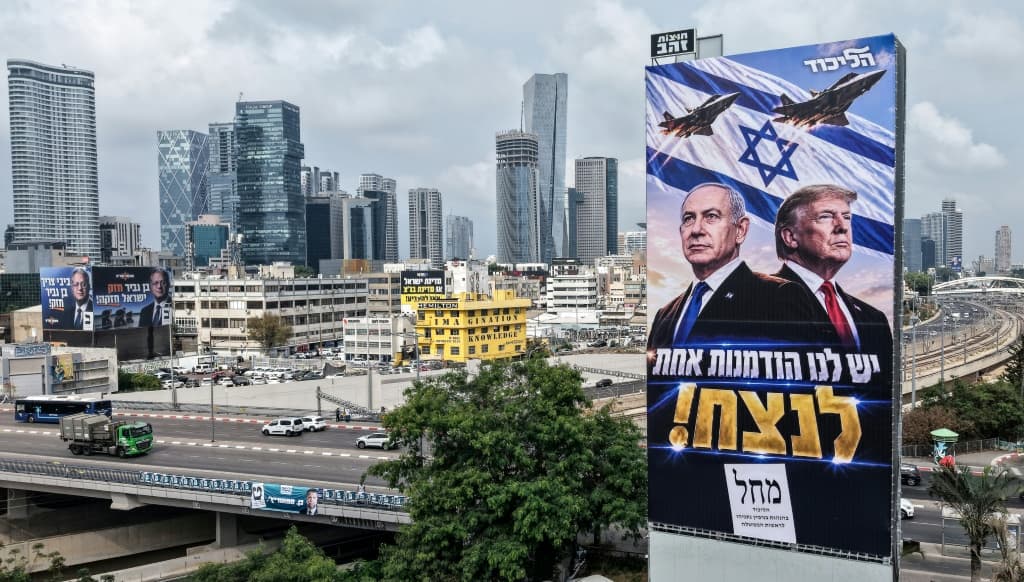
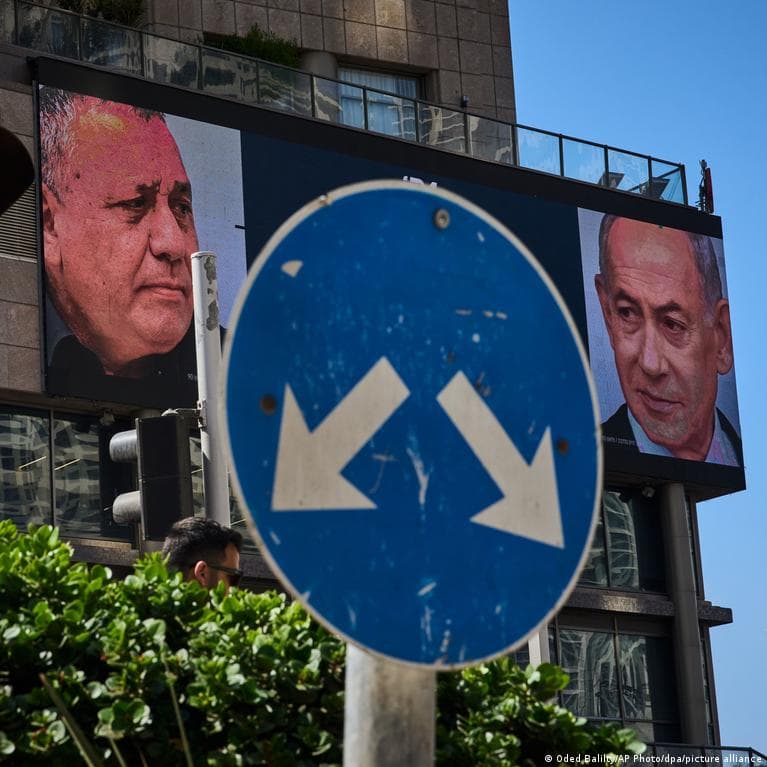
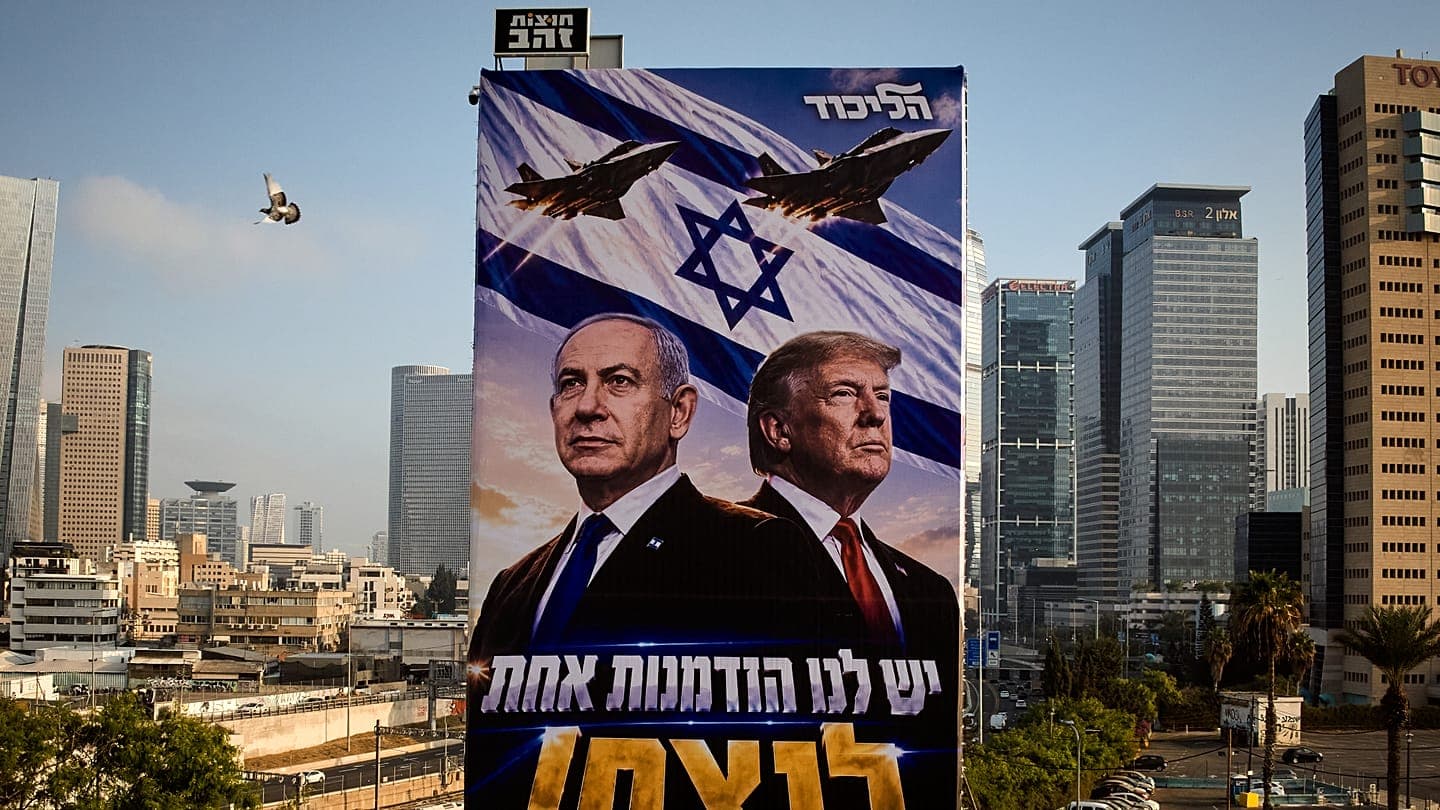
Days before Israel's election, the campaign has turned to insulting and incendiary tactics, including the use of AI-generated images. Polls show Benjamin Netanyahu's bloc running neck-and-neck with Gadi Eisenkot's bloc. Candidates who lost loved ones in the wars following the October 7, 2023 Hamas attack have also been hit by personal attacks. Days before Israel’s election, the campaign has turned to insulting and inflammatory tactics, including the use of AI-generated images. According to polls, Benjamin Netanyahu’s bloc is running “neck and neck” with Gadi Eisenkot’s bloc. Candidates who lost loved ones in the wars following the Hamas attack of October 7, 2023 have also been hit by personal attacks.
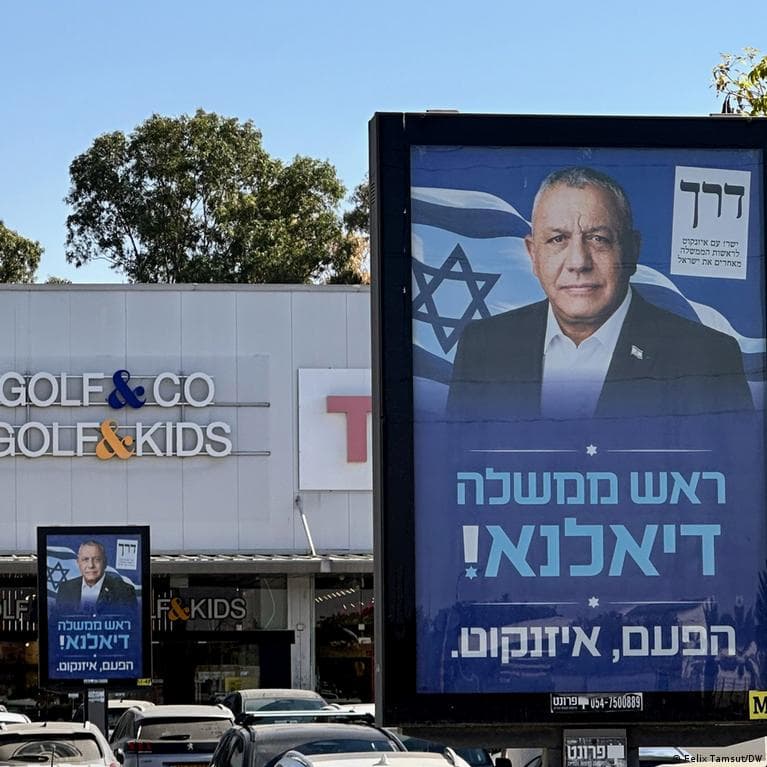
On the eve of Israel's election, centrist candidate Gadi Eisenkot and his Yashar party are emphasizing his Moroccan origins, campaigning actively in Sderot — a traditional Likud stronghold with a large Moroccan Jewish community. The campaign has sharpened the long-standing divide in Israeli politics between Ashkenazim and Mizrahim. One day before Israel's election, centrist candidate Gadi Eisenkot and his party 'Yashar' are emphasizing his Moroccan origins, campaigning actively in Sderot — a traditional Likud stronghold with a large Moroccan Jewish community. The campaign has sharpened the long-standing split in Israeli politics between Ashkenazim and Mizrahim.
Days before the Knesset elections, Yashar party leader Gadi Eisenkot accused Prime Minister Benjamin Netanyahu of losing touch with reality over his plan to prepare alternative payment methods in case of international sanctions. Criticism of the plan has also come from Israeli economic circles. Days before the Knesset election, Yashar party leader Gadi Eisenkot accused Prime Minister Benjamin Netanyahu of losing touch with reality over his plan to prepare alternative payment methods in case of international sanctions. The plan was also criticized in Israeli economic circles.
Israeli opposition leaders Yair Lapid and Gadi Eisenkot said Prime Minister Benjamin Netanyahu puts his political survival above the country's interests. The trigger was remarks by Defense Minister Israel Katz, who blamed the opposition for possible future attacks. The statements came days before the election scheduled for Tuesday.
Residents of the Gaza Strip are postponing marriage, home reconstruction and business plans until the Israeli elections on October 27, in which they have no vote. Polls show Gadi Eisenkot's Yashar party ahead of or close to Netanyahu's Likud, but the outcome depends on coalition negotiations.