The key facts
- About 7.3 million Israelis are eligible to vote; more than half a million are voting for the first time
- Netanyahu and Eisenkot are running 'neck and neck', according to the latest polls
- No single party is likely to win a majority of 61 seats out of 120; coalition talks could drag on
The vote Israel has waited three years for
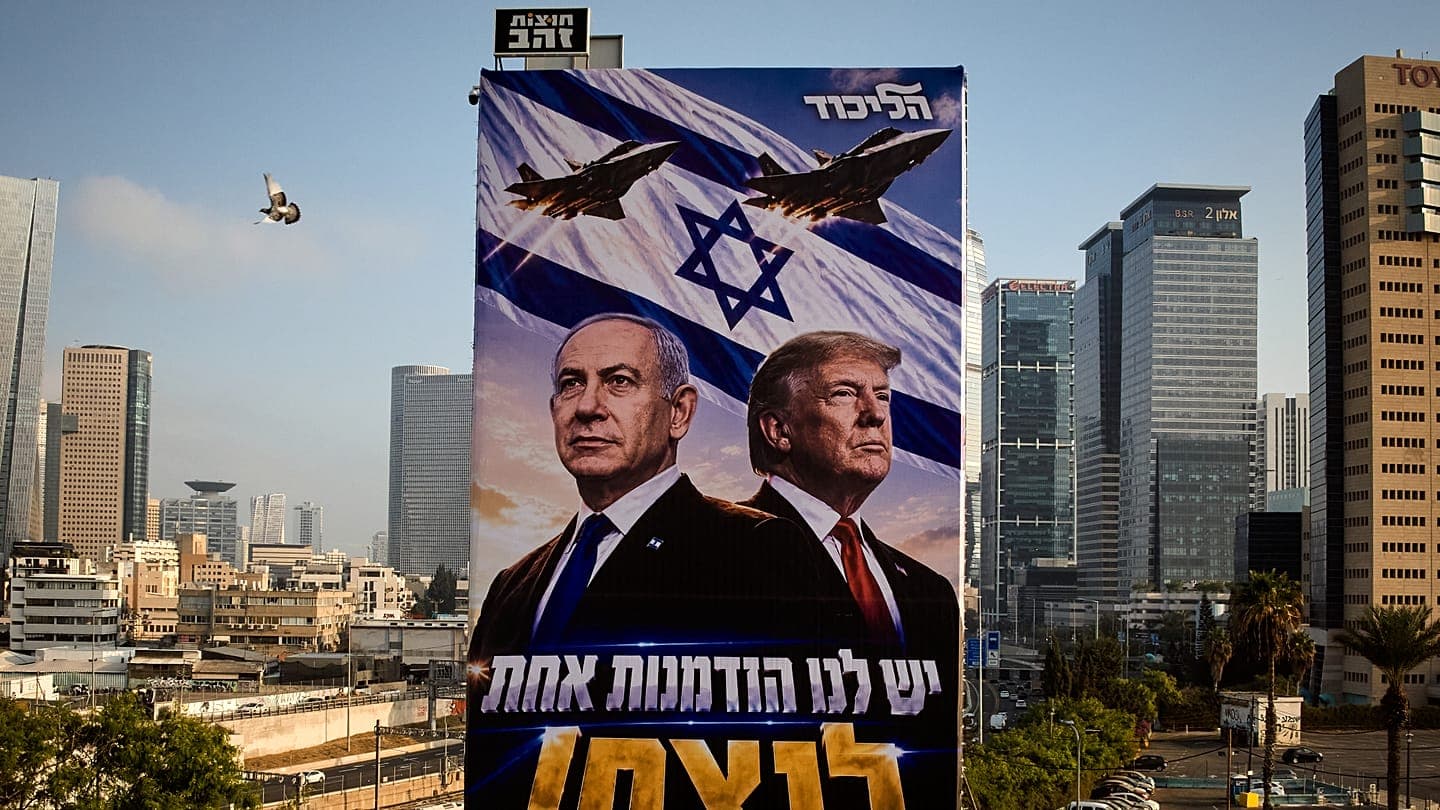
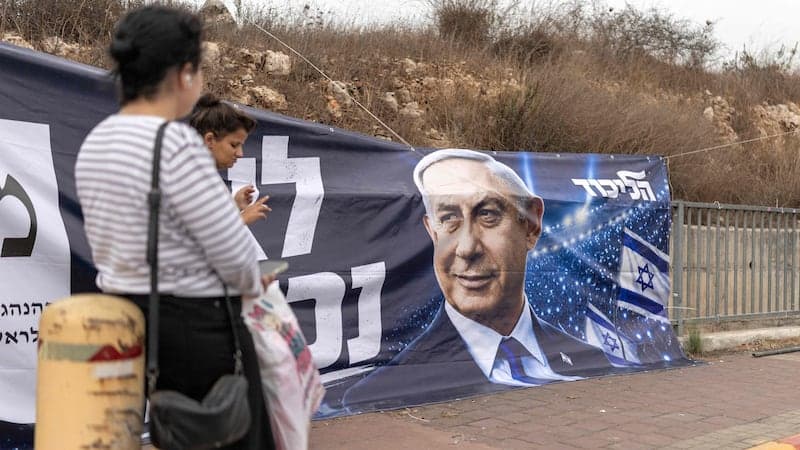
On Tuesday, 27 October 2026, Israel holds its first legislative elections since the Hamas attack of 7 October 2023. Voters are set to deliver a verdict on the country's longest-serving leader, Prime Minister Benjamin Netanyahu, and on its rightward drift after three years of multi-front regional wars, AFP reports. About 7.3 million people are eligible to vote, more than half a million of them for the first time; polls indicate that young people mostly identify as centre-right or right-wing. Tens of thousands of Israelis, by some estimates, flew in from abroad specifically to take part in the vote.
Netanyahu versus Eisenkot
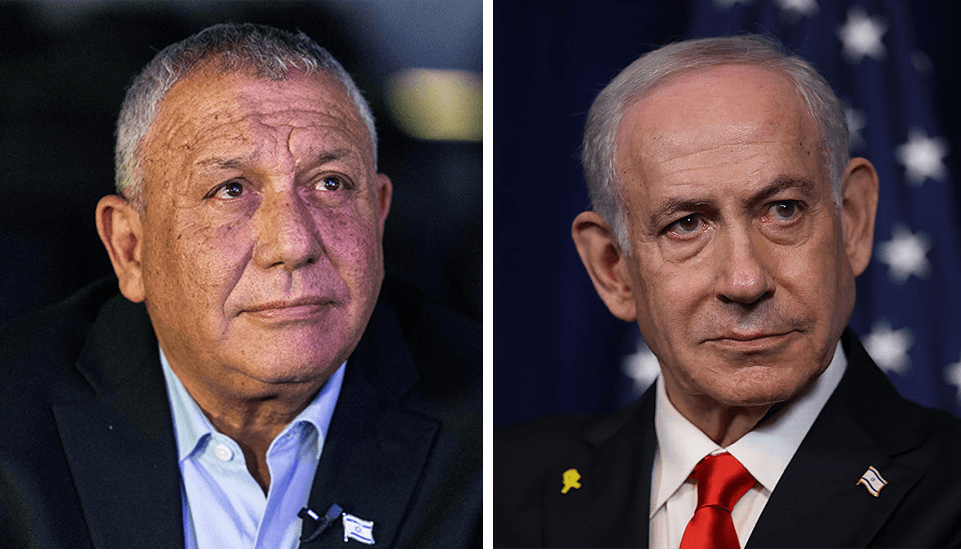
The latest published polls show that 77-year-old Netanyahu, who has led the government for more than 19 years in total, is running level with his main centrist rival, 66-year-old Gadi Eisenkot, a former chief of the general staff and political newcomer. Netanyahu has leaned on his security credentials and his relationship with US President Donald Trump. Eisenkot, whose two sons were killed in combat, said on the radio: 'What he is offering is endless war.' According to Euronews, the rivals agree on a number of positions — both reject the two-state solution and favour a hard line on Iran — but Eisenkot's campaign rests on a simple message: he is not Netanyahu.
Key campaign themes
The central campaign themes remain accountability for the 7 October attack — the deadliest day in the country's history — and security. One of the main accusations against Netanyahu is his refusal to take responsibility for what happened. Eisenkot has promised to establish an independent state commission of inquiry into the security failures, which Netanyahu's government has resisted. The opposition also criticises the prime minister for backing ultra-Orthodox parties seeking to preserve exemptions from military service for religious students, at a time when the army is short of personnel. Eisenkot has pledged to prevent the creation of a Palestinian state and supports the settlements, but has vowed to fight settler violence.
Arab lists as possible kingmakers
An informal bloc of parties opposed to Netanyahu, led by Eisenkot's Yashar party, stretches from the right to the centre. Neither Eisenkot nor Netanyahu has publicly declared readiness for an alliance with the predominantly Arab lists, which represent about 21% of Israel's population — yet with an expectedly close result, they could become the kingmakers.
What comes next: counting and coalitions
Most polling stations will close at 22:00 local time (20:00 GMT). Final results may take several days, and it is highly unlikely that any single party will come close to the 61 seats out of 120 needed for a parliamentary majority. Coalition formation could take weeks or months, and if the talks fail, new elections are possible. For Brussels, the outcome means uncertainty in relations with Israel: the EU–Israel Association Agreement has been in force since 2000, but, as Euronews notes, relations between the EU's High Representative Kaja Kallas and Israeli minister Gideon Sa'ar remain strained at best, and one EU source expressed 'some hope' of finding common ground with the new administration, whatever it may be.