The key facts
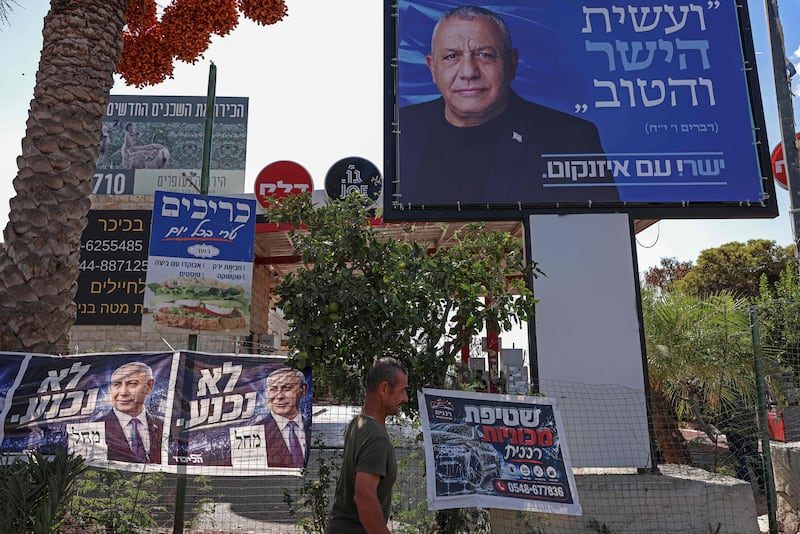
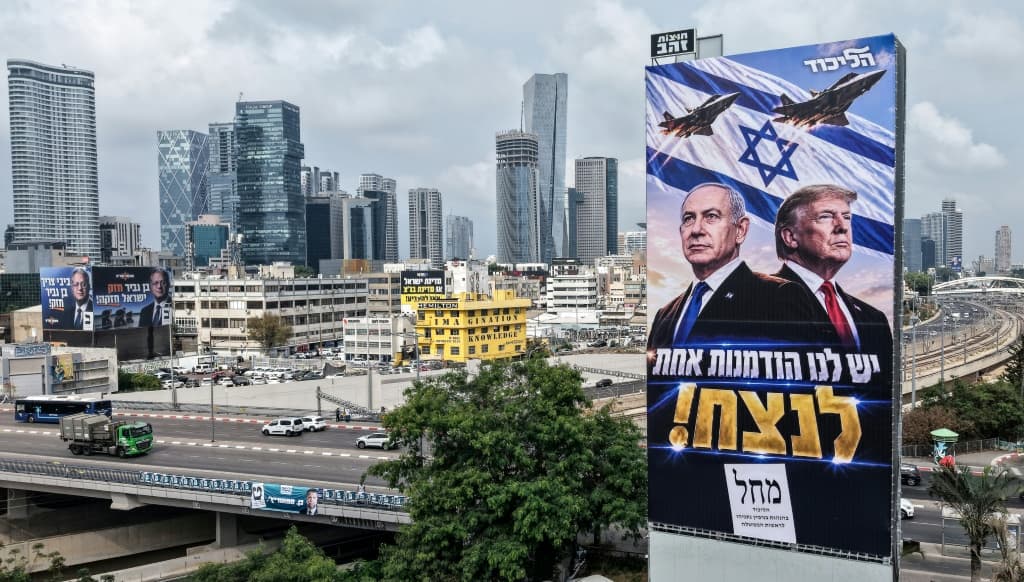
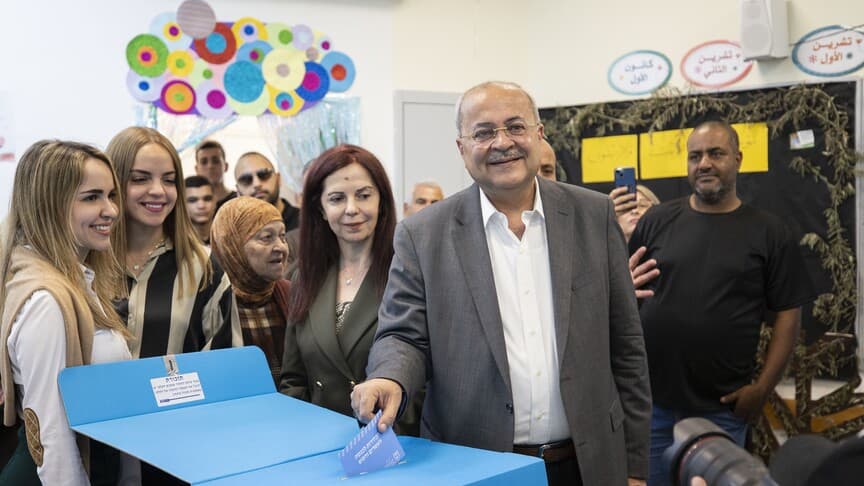
- Israeli elections on October 27: 120 Knesset members are elected, the outcome will be decided by coalition negotiations
- Polls place Gadi Eisenkot's Yashar party ahead of or close to Netanyahu's Likud
- Gaza residents are postponing marriages and reconstruction, but analysts do not expect a sharp policy shift
Life on pause until the elections
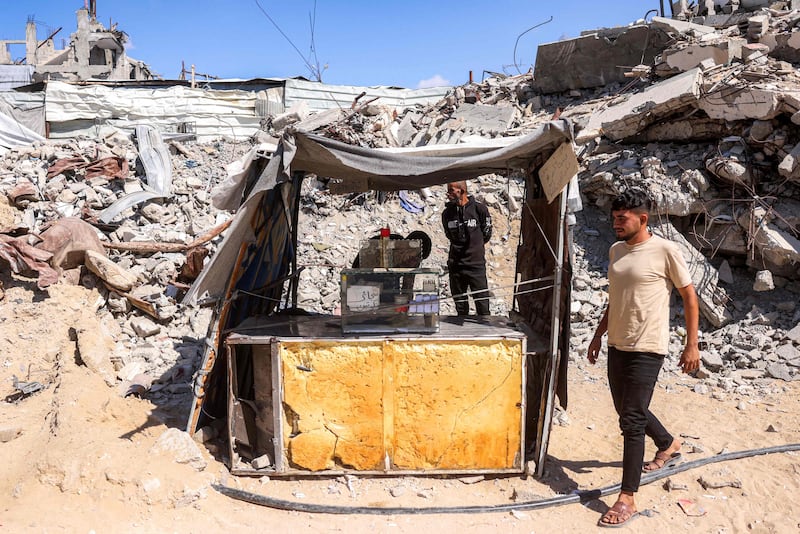
Many residents of the Gaza Strip are postponing decisions about family and business ahead of the Israeli elections on October 27, even though Palestinians themselves do not vote in them. Munir Abu Wadi, owner of a supermarket in the Jabalia refugee camp, told The National that he is waiting for the possible departure of Prime Minister Benjamin Netanyahu from power before rebuilding his destroyed shop. 'Many have put their lives on pause until the Israeli elections. I am one of them,' he said.
A postponed wedding
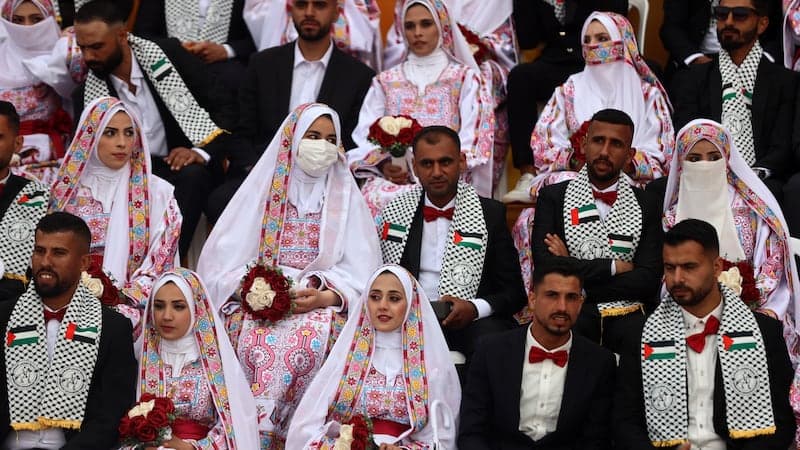
Mustafa Musa, 30, has been resisting family pressure for months and postponing his engagement. According to him, marriage requires not only money and housing but also 'stability and peace of mind.' He told his family that he is postponing the engagement and wedding until the elections, because their outcome will affect the details of everyday life.
A destroyed house and cautious hopes
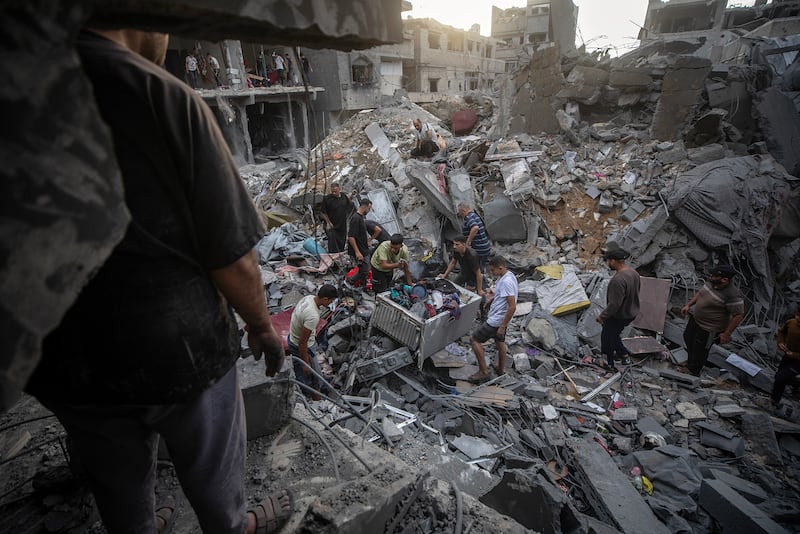
Mahdi Abu Al-Qumsan, 52, whose house in Gaza City was demolished during the Israeli military incursion, lives with his family of 11 in Deir al-Balah as displaced persons. He is gathering materials — plastic sheets, tarpaulin, wood and stones — to build a temporary shelter, but has not yet started the work. 'Honestly, I do not place much hope in the elections,' he said. 'But if Netanyahu loses, the outcome may be slightly better for us.'
What the elections will decide
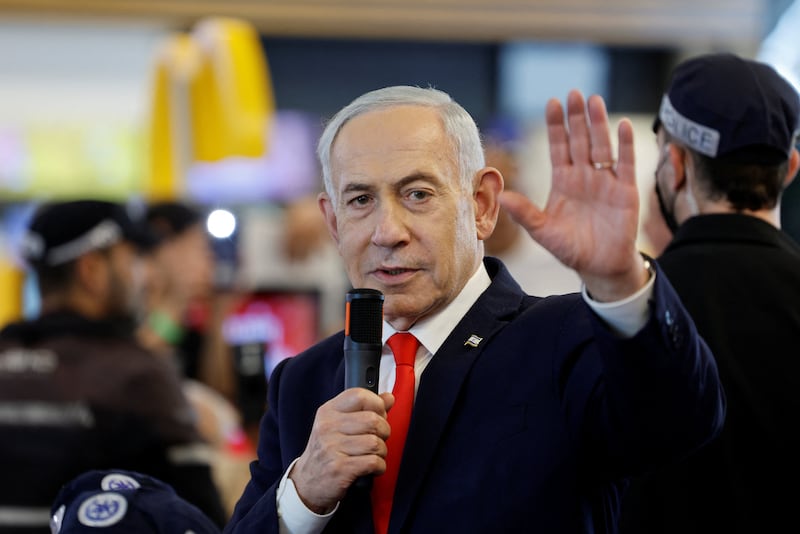
Israel's next government will decide issues of Gaza's reconstruction, the disarmament of Hamas and the international response to settlements in the occupied West Bank. Israelis elect 120 Knesset members, not a prime minister directly, so the outcome depends on coalition negotiations. Polls place the Yashar party of former general Gadi Eisenkot ahead of or close to Netanyahu's Likud, but few analysts write off Netanyahu, who has led Israel almost continuously since 2009, except for 18 months.
Will policy change
Political analyst Emad Omar noted that many Palestinians consider the elections exceptional because of the influence of Israeli politics on their lives. A Netanyahu victory, in his words, would reinforce fears of a continuation of the right-wing coalition's course; with a change of power one could hope for greater engagement with the Palestinian Authority and progress in reconstruction. However, the opposition broadly supports a hard-line approach to Palestine and Iran, criticising Netanyahu for waging conflicts rather than demanding concessions. Eisenkot, who left the war cabinet in 2024 over, in his words, the absence of a strategy, broadly supported military operations while criticising the conduct of the war. Abu Wadi also acknowledged that a successor may offer nothing substantially different: 'But people want at least to see the departure of those whose names have become associated with the war.'
Fears ahead of the vote
According to Omar, in Gaza there are fears that before election day a new military escalation is possible, capable of changing the course of the campaign. 'No one can predict what Netanyahu is thinking,' he said. 'There is a fear that he may initiate a major event before the vote in order to change the political landscape or shift the polls in his favour.'