The key facts
- Gaza residents want Netanyahu to lose, but expect no 'new beginning' from the Knesset election
- Gaza residents want Netanyahu's defeat but expect no 'new beginning' from the Knesset election
- The main problems for Palestinians are housing, food, water, schools, hospitals and rebuilding the economy
- Analyst Mustafa Ibrahim believes Israel's policy towards Gaza will remain unchanged regardless of the outcome
- Analyst Mustafa Ibrahim believes Israel's policy toward Gaza will remain unchanged regardless of the outcome
Elections without expectations
Residents of the Gaza Strip are watching the end of Israel's election campaign with a mix of anger, exhaustion and deep scepticism. As The National reports, many hope that Prime Minister Benjamin Netanyahu will lose the election, but almost no one expects real change from a new government. Netanyahu's defeat would bring emotional relief after years of bombardment, yet Palestinians who have lost homes, loved ones and jobs believe that Gaza's plight goes far deeper than a change of power.
Everyday concerns matter more than politics
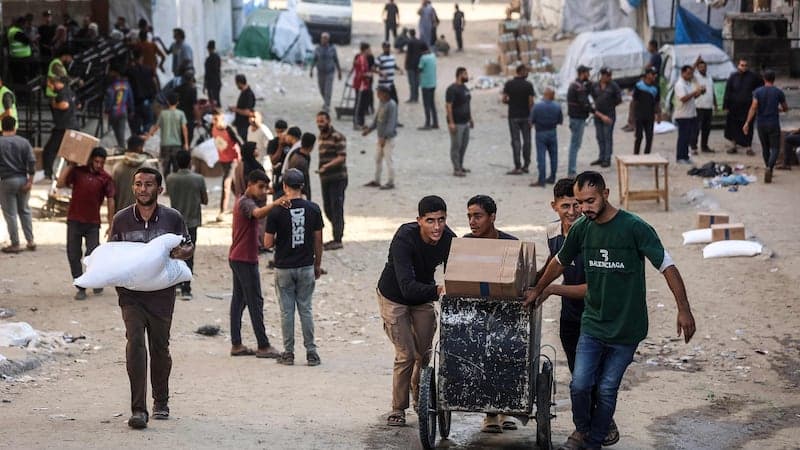
Residents interviewed by the outlet cite more pressing problems: finding permanent housing, access to food and water, rebuilding schools and hospitals, and reviving an economy whose destruction has left civilians dependent on humanitarian aid. Munir Isleem, 35, whose home in Gaza City's Shujaiya neighbourhood was destroyed,said: 'For us in Gaza it doesn't matter who wins or loses the Israeli election. What matters is getting out of this life in tents and humiliation, and putting an end to hunger and destitution.' Before the war he worked as a machine operator at a plastics factory, earning about $1,000 a month; now he is unemployed, moving with his family between displacement camps and living on humanitarian aid. According to him, the war 'turned us from productive people who worked and earned into the unemployed, waiting for food from charity kitchens, humanitarian aid and our turn in the queues for water'.
The political context of the campaign
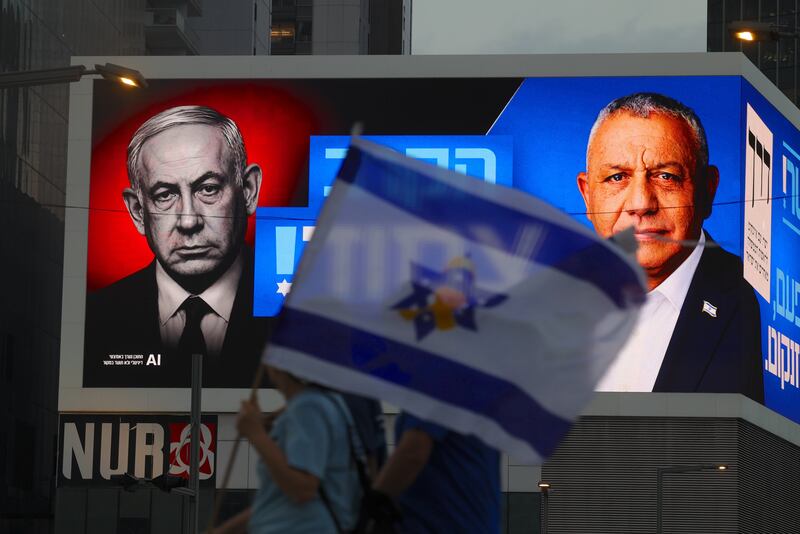
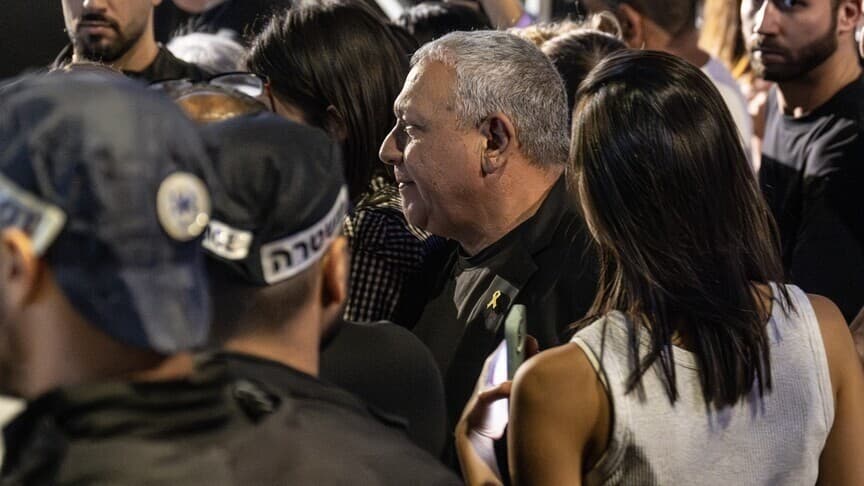
Netanyahu faces a difficult fight for re-election: his rivals are led by former chief of staff Gadi Eisenkot, and the ruling coalition is riven by disagreements. Criticism of the prime minister concerns his conduct of the wars in Gaza, Lebanon and Iran and the Hamas attack of 7 October 2023, but according to the outlet, few of the rivals support the creation of a Palestinian state or a radically different military approach. Palestinian political analyst Mustafa Ibrahim believes the election should not be seen as a referendum on Palestinian rights or Gaza's future: 'I don't think the situation will change significantly whether Netanyahu wins or loses, because Israel's policy towards Gaza has remained largely unchanged under successive governments throughout history.' In his view, the positions of Netanyahu and Eisenkot are different ways of achieving Israel's security goals, not a fundamental difference in policy. At the same time, Palestinians in Gaza, like Isleem, still want Netanyahu to lose, seeing him as the main person responsible for what they call the genocide against them — but that does not mean they support the other candidates.
Years of disappointment
Ahmed Sammour, 61, a former Arabic language teacher from the Sheikh Radwan neighbourhood,has lived through more than ten Israeli governments and, in his words, none of them brought Gaza lasting security or freedom: 'They all took the same approach to us, the Palestinians.' He recalls the Oslo agreements signed by Israeli leader Yitzhak Rabin in the 1990s as a moment when negotiations seemed to offer a different path, but in 1995 Rabin was assassinated by an Israeli extremist opposed to the peace processand the optimism of that period did not last. Today Sammour lives with his family in a tent camp next to his destroyed home. 'The fall of Netanyahu's government and his defeat in the election will certainly not be a new beginning or a source of hope for us,' he said. 'But at least we will be rid of a leader whom we consider responsible for the killing of children and civilians.' He added that 'whoever comes after him will not necessarily be any better.' Amal al-Hinnawi, 25, a teacher at a tent school in northern Gaza, believes the scale of the destruction has made the outcome of the Israeli election secondary to the task of rebuilding: 'The Israeli election no longer means much to us in Gaza, because it will take decades before our lives return to what they were before the war. Even if someone with a better policy toward Gaza wins and begins rebuilding the territory, it will still take years, because the scale of the destruction in every sector is beyond description.'
Why it matters
The Knesset election will be held on Tuesday, and its outcome will determine the composition of the governmenton which policy toward Gaza depends and, potentially, the conditions for rebuilding the territory. For residents of the enclave, according to those interviewed, the practical question is not who will win but access to housing, water, food and the rebuilding of schools and hospitals — these are the needs that define their daily lives today. It remains unknown how policy will change under a new government if Netanyahu loses: the sources themselves differ in their assessments, and the prime minister's rivals, according to the publication, mostly do not offer a fundamentally different approach.