The key facts
- Netanyahu's Likud is the largest party, but his bloc, according to preliminary figures, falls just short of 61 of 120 seats
- Netanyahu's Likud is the largest party, but his bloc, according to preliminary data, falls just short of 61 seats out of 120
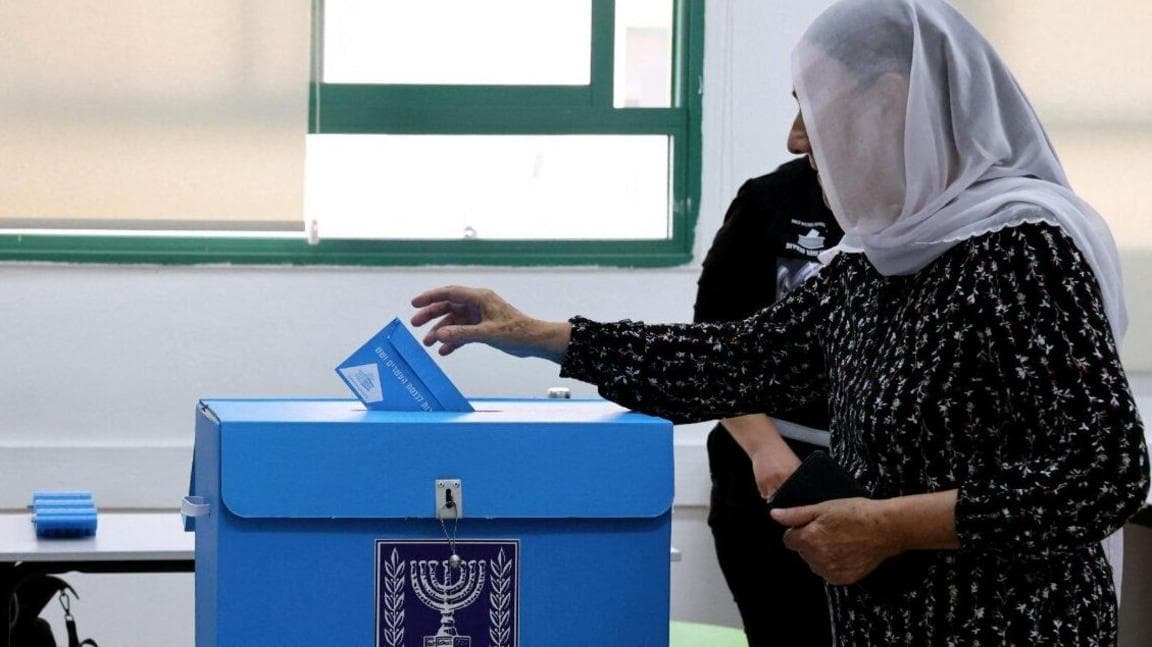
- The Arab parties matched or exceeded their record number of seats; Arab voter turnout was unprecedentedly high
- Final results are expected in a day or two due to the large number of uncounted military ballots
- Final results are expected within a day or two due to the large number of uncounted military ballots
Preliminary results: a deadlock with no majority
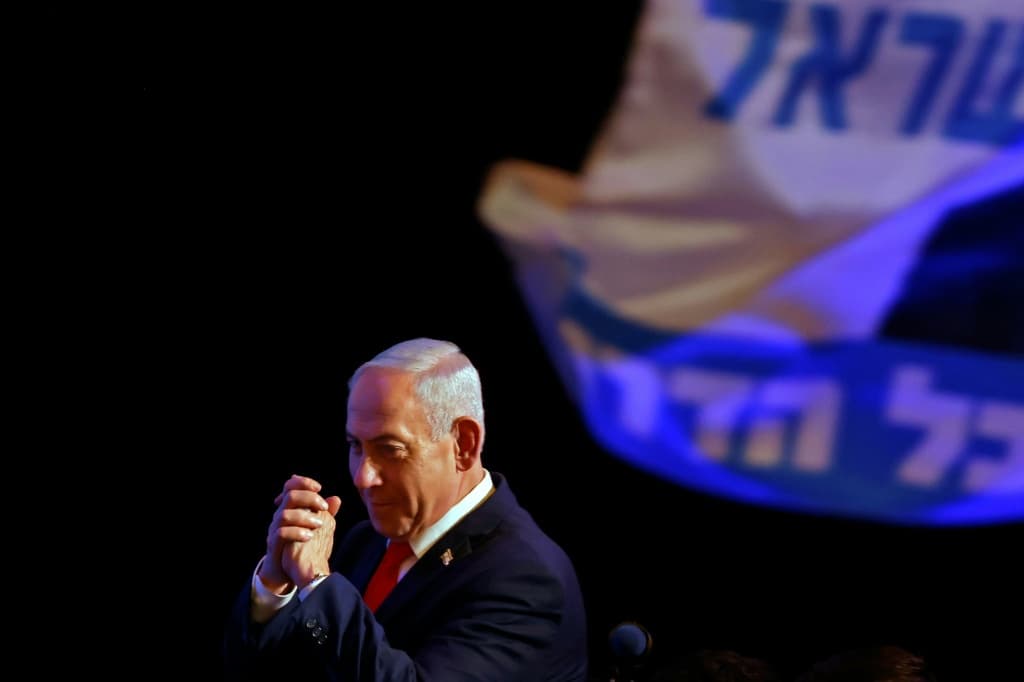
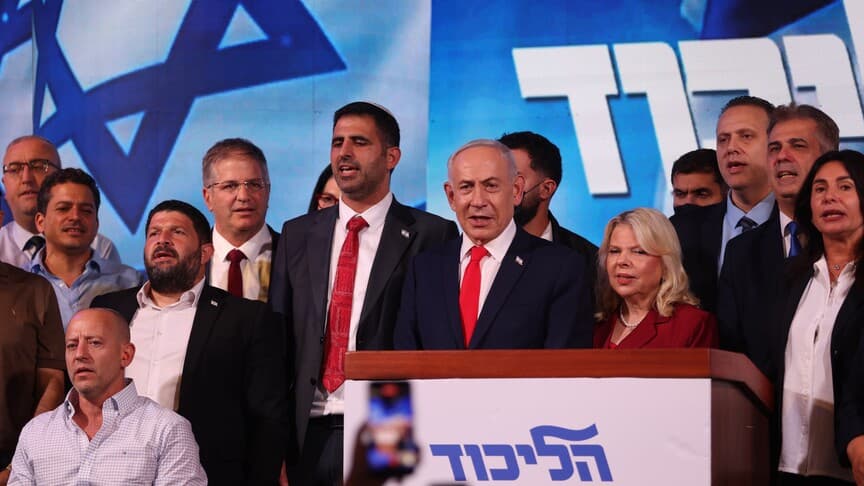
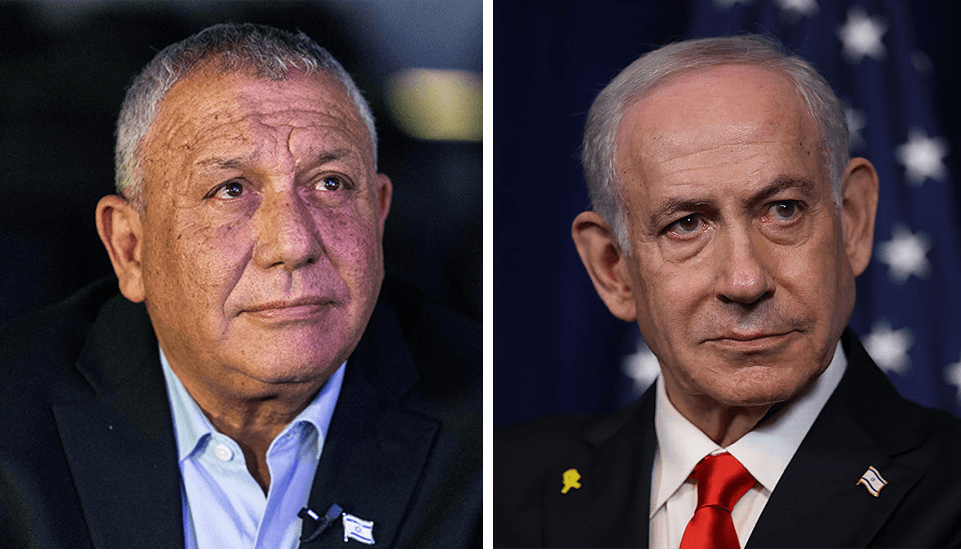
According to preliminary results of Israel's election, incumbent Prime Minister Benjamin Netanyahu performed better than widely forecast: his Likud became the largest party. However, his bloc with ultranationalist and ultra-Orthodox parties, judging by current figures, falls just slightly short of a majority of 61 seats out of 120 in the Knesset. Analysts warn the picture may change: the early count was skewed toward areas with strong right-wing support. This is reported by BBC News in a dispatch from its correspondent in Jerusalem.
Arab parties as 'kingmakers'
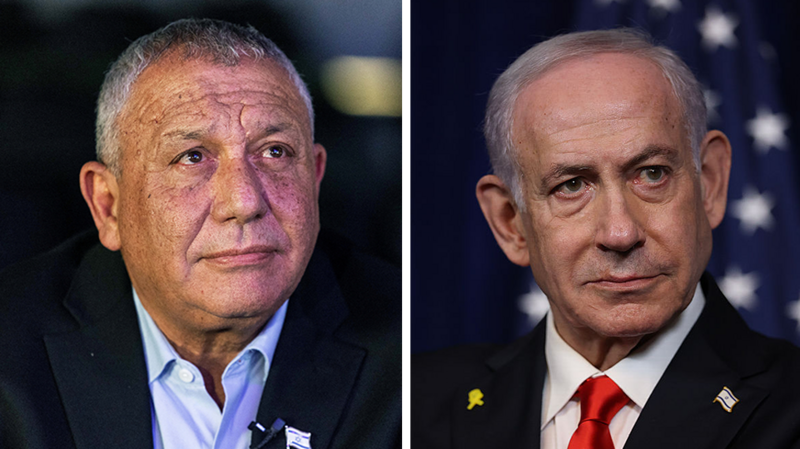
Netanyahu's main rival, former chief of staff Gadi Eisenkot, according to partial results, is unlikely to be able to assemble a parliamentary majority without the parties of the Arab minority, which matched or added to their record number of seats. Arab Israelis, who often identify themselves as Palestinian citizens of Israel and make up a fifth of the population, turned out to vote in unprecedented numbers. At the same time, most Jewish opposition parties promised during the campaign not to cooperate with the Arab lists, citing a lack of shared values. One of the leaders of the 'change bloc', right-wing politician Avigdor Lieberman, said he would not sit in a minority government relying on their support.
Leaders' statements and uncertainty over the count
Overnight, both leaders addressed their supporters, promising to form the next government. Netanyahu said that 'the centre-right bloc has a clear, decisive majority among the Zionist public', but did not declare victory. Eisenkot, after the exit polls came out, said: 'The people have chosen change', adding that he would strive for 'a Zionist government — stable and good for all citizens of Israel'. An important caveat: a large number of still-uncounted absentee ballots — mostly votes by Israeli soldiers — means the final picture is expected only in a day or two.
What happens next
Once the final results are presented to President Isaac Herzog next week, he will hold consultations with the leaders of the elected parties and task the candidate with the best chances of forming a coalition. If that candidate fails to assemble a majority within a maximum of six weeks, others may get a chance. If no one succeeds, a new election will be called. Until then, Netanyahu's government continues to serve in a caretaker capacity, without the right to make major policy decisions. Veteran Israeli journalist Yaakov Katz described the upcoming process this way: each side will try to lure defectors or form a minority government, and 'it may take weeks or months before it becomes clear whether anyone can form a government'.
The key question — the taboo on an alliance with Arab parties
The central question now is whether the opposition parties are ready to break the unspoken taboo and strike a deal with the Arab lists. The leader of the smaller of the two Arab lists, Ra'am, Mansour Abbas,whose party already served in the coalition that temporarily unseated Netanyahu in 2021–2022, said he wants to join the next government and expressed confidence that after the election potential partners will become more open: 'All politicians in Israel say one thing before the election and speak a different language after it. We have been through this before, and it does not worry us.' Meanwhile, Netanyahu and his allies, according to the BBC, have already begun a campaign to delegitimise the Arab parties, portraying fellow Arab citizens as a 'threat from within'. Tamar Hermann, a pollster at the Israel Democracy Institute interviewed by the BBC, noted on the eve of the election that the balance of Netanyahu's supporters and opponents had remained roughly the same despite four turbulent years, including mass protests over the judicial reform and the war following Hamas's attack of 7 October 2023.
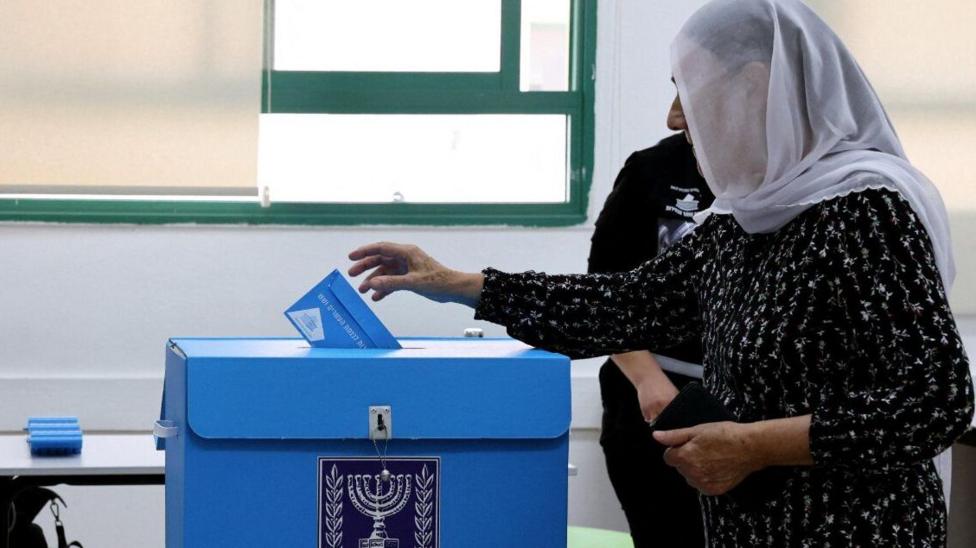 Image source, Reuters
Arab parties could end up holding the balance of power