The key facts
- The first elections since 7 October 2023; no party is expected to come close to the 61 seats needed for a majority in the 120-seat Knesset
- First elections since 7 October 2023; no party will come close to the 61 seats needed for a majority in the 120-seat Knesset
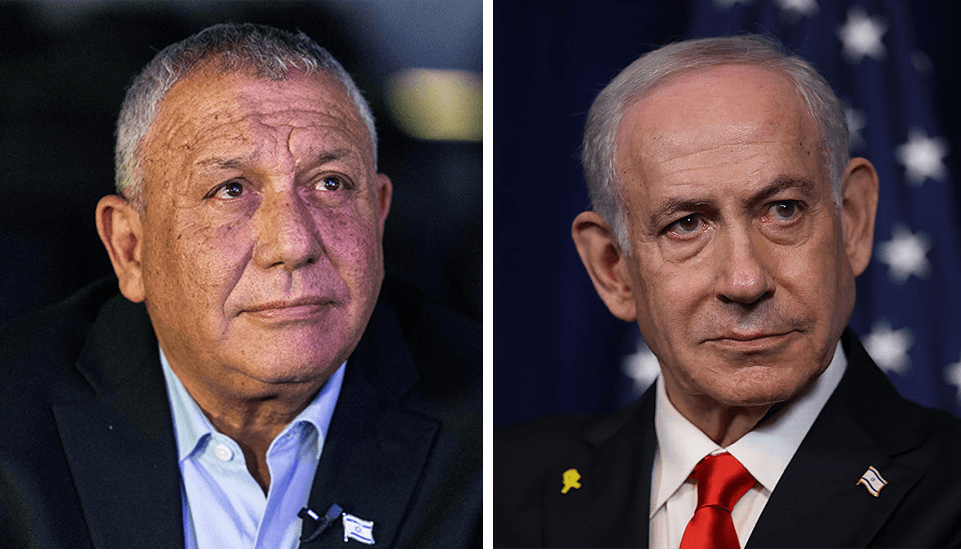
- 68% of Jewish Israelis name the events of 7 October as a key factor in their choice; the main rival is Gadi Eisenkot
- The judicial reform matters to only 18% of Jewish voters; the economy, to 38%
- Judicial reform matters to only 18% of Jewish voters; the economy to 38%
The vote as a verdict on the prime minister
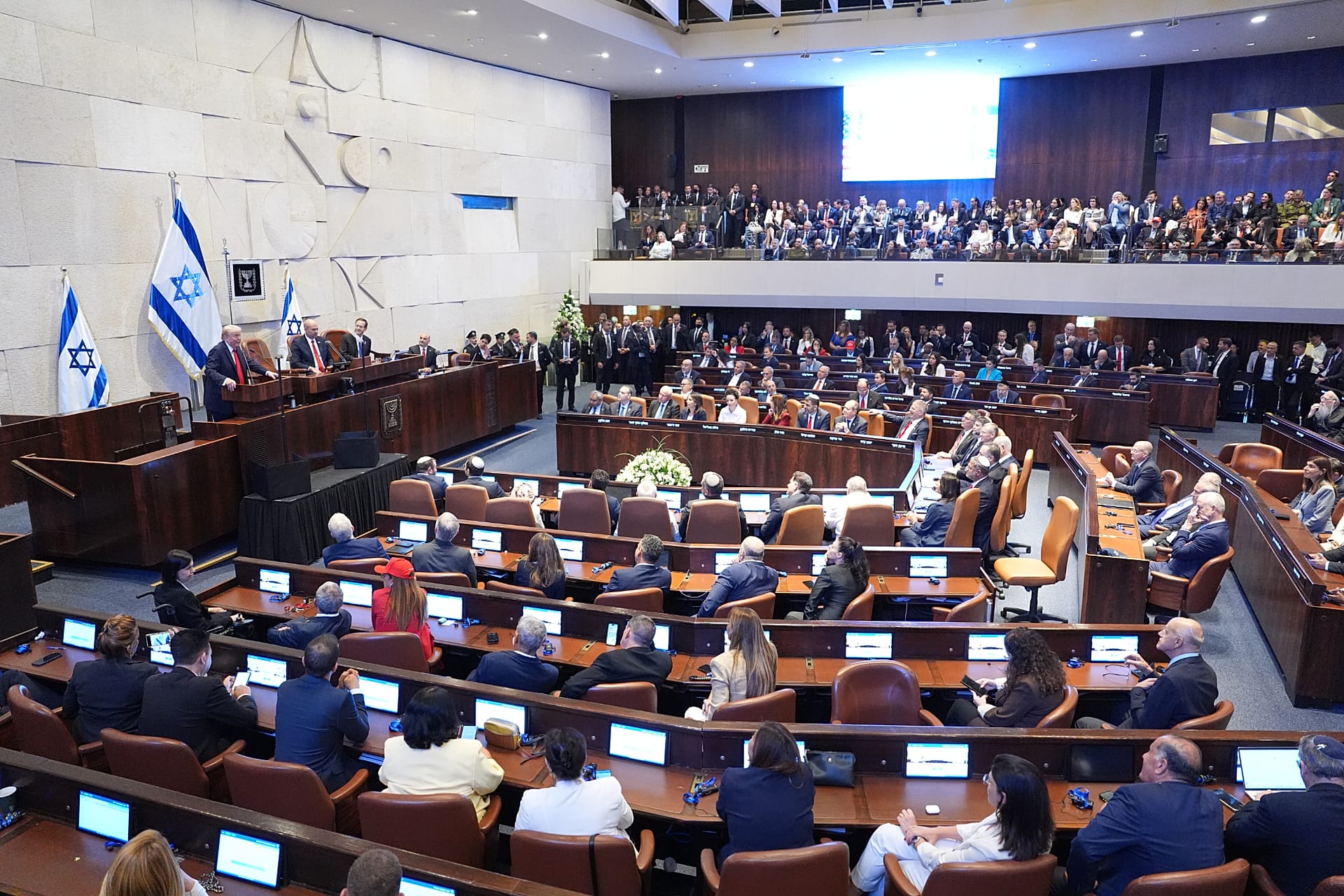
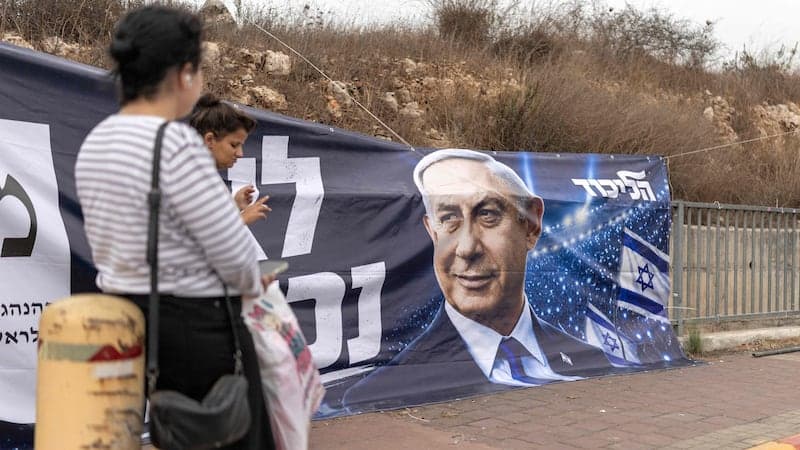
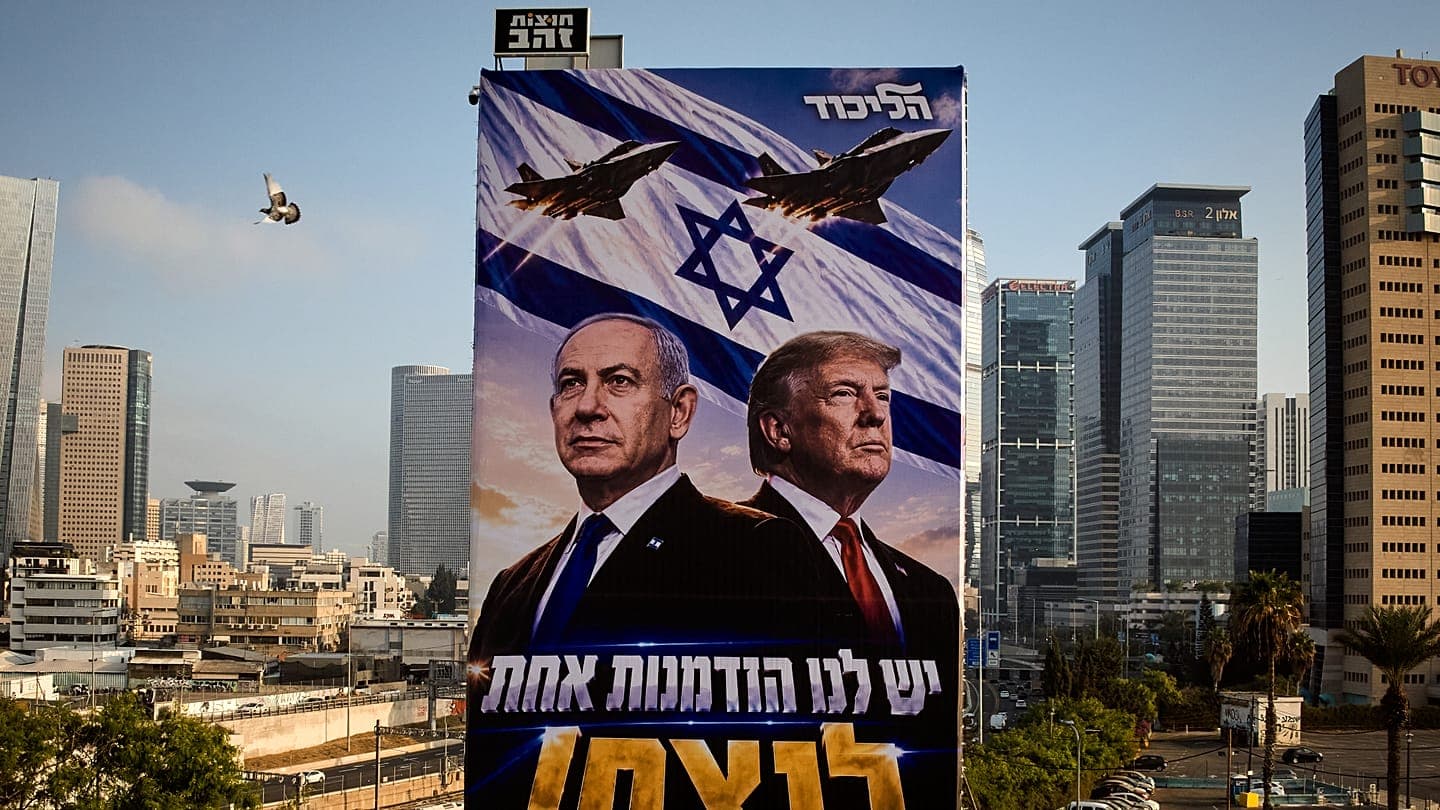
On Tuesday, 27 October, Israelis go to the polls in the first nationwide elections since the Hamas attack of 7 October 2023. In euronews' assessment, the vote is turning into a kind of verdict on Prime Minister Benjamin Netanyahu — the country's longest-serving head of government. Yet for a country that has been waging war on several fronts for three years, the campaign says remarkably little about how those wars have been conducted: Israel's actions in Gaza, which have led to an international arrest warrant being issued for Netanyahu, the occupation of part of southern Lebanon and areas of Syria, and two wars against Iran are barely discussed and enjoy broad support among the Jewish population.
What the candidates argue about
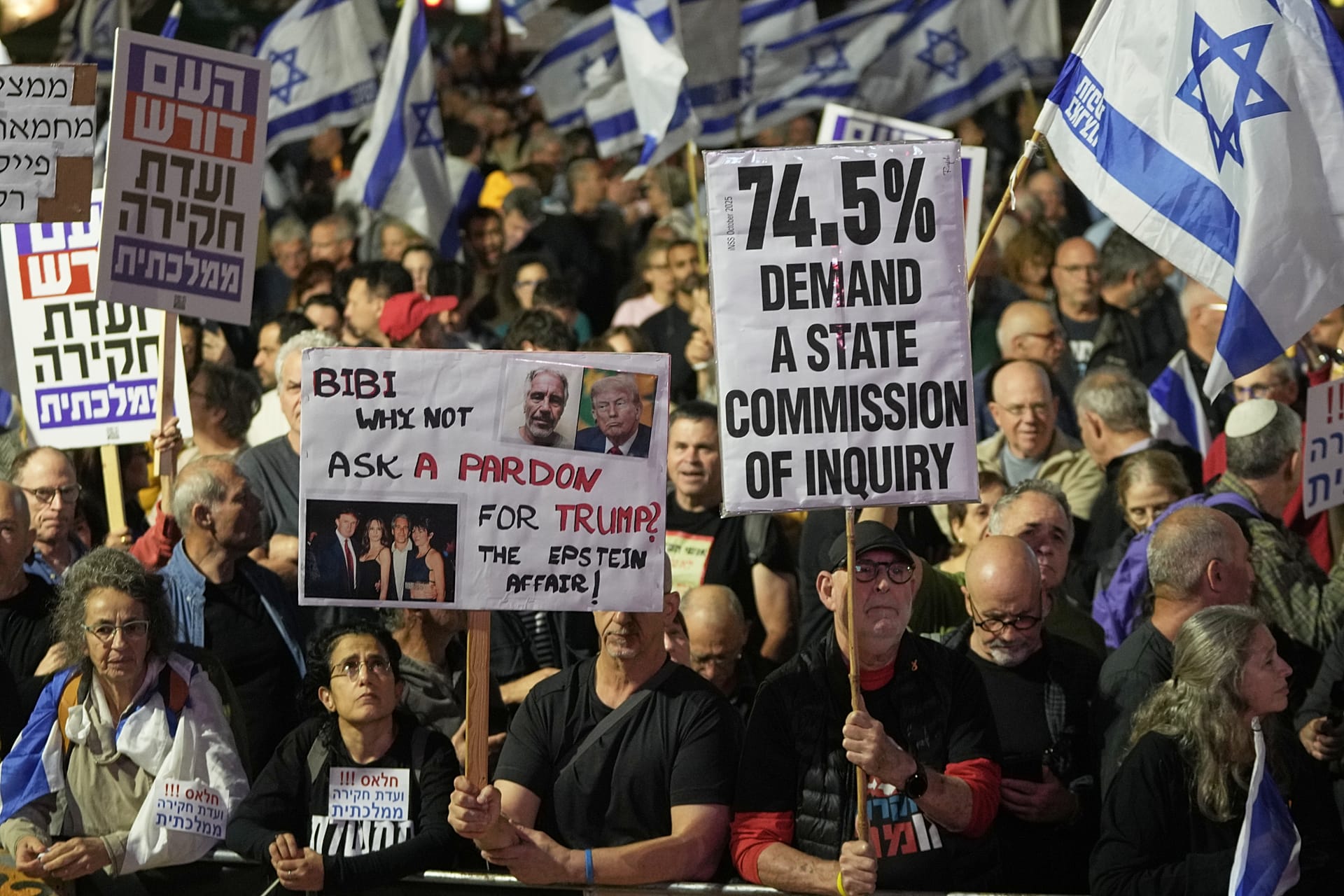
The main contenders argue above all about Netanyahu himself: about his personal qualities, his responsibility for the security failure of 7 October, the exemption of ultra-Orthodox men from military service, and the 2023 judicial reform. Netanyahu points to military successes against Hamas, Hezbollah and Iran, placing responsibility for the failures of 7 October on the security services; critics accuse him of blocking a state commission of inquiry, dragging out the hostage deal, and failing to deliver a convincing victory on any front. On the Palestinian question, the two main blocs do not differ much: they are dominated by parties that support settlements in the West Bank and oppose a Palestinian state, and none of the leading candidates is calling for the peace process to resume.
Ultra-Orthodox conscription — the most contentious issue
The conscription issue provokes the most outrage: military service is mandatory for most Jewish citizens, but Netanyahu's coalitions have traditionally relied on ultra-Orthodox parties that insist on exemptions for yeshiva students. Every year 13,000 ultra-Orthodox young men turn 18, but fewer than 10% enlist, while reservists are called up for duty repeatedly and the army faces a shortage of personnel. According to the Israel Democracy Institute (IDI), about a quarter of Jewish voters say this issue matters to their vote; IDI president Yohanan Plesner called it 'issue number one' for opponents of Netanyahu. The prime minister's main rival, former Chief of Staff Gadi Eisenkot, has promised to end the de facto deferments; he lost a son and two nephews in the fighting in Gaza.
Polls and coalition arithmetic
According to IDI polls, about 68% of Jewish Israelis say their view of the events of 7 October is a key factor in how they vote; among Arab citizens the figure is 32%, and most of them name crime as the main issue. The judicial reform, which brought hundreds of thousands of people onto the streets in 2023, today matters to only 18% of Jewish voters — what Tamar Hermann of IDI describes as 'societal fatigue'. The law passed last year, which expands the government's influence over the appointment of judges, will take effect only after the new Knesset is sworn in, and the opposition bloc has promised to repeal it. Voters cast their ballots for party lists, and no party, it is expected, will come close to the 61 seats needed for a majority in the 120-seat Knesset: the next prime minister will be whoever manages to assemble a coalition, and if no one succeeds, Netanyahu will remain caretaker until new elections.
The economy remains offstage
The cost of living seriously worries voters, yet it is almost absent from the campaign. A study by Sarit Menahem-Karmi of the Aaron Institute for Economic Policy at Reichman University showed that Israel is now more expensive than Austria, Denmark and Sweden. According to IDI data, 38% of Jewish citizens rank the economy first or second in importance, compared with 46% among Arab citizens. Netanyahu credits his policies with economic growth and a booming tech sector, while opponents argue that many have been left behind. None of the leading candidates has made the cost of the wars a central campaign theme; Professor Yosef Zeira of the Hebrew University of Jerusalem warns: 'The price of this conflict is enormous.'