The key facts
- Ahmad Tibi announced an 'outstretched hand' to the bloc of change; the first step named is removing Knesset Speaker Amir Ohana
- Netanyahu's bloc — 54 mandates, Eisenkot's bloc — 49, Arab parties — 17 with 84.5% of votes counted
- The Joint List — 11 mandates, the Arab party Ra'am — 6
Arab bloc declares readiness to support a change of government
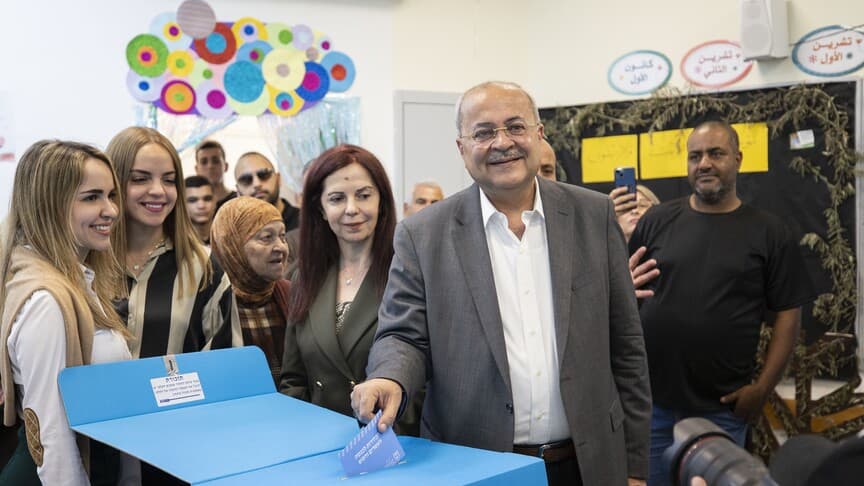
Ahmad Tibi, leader of the predominantly Arab Joint List in the Knesset, said the bloc is extending a hand to the 'bloc of change' — an opposition coalition seeking to replace Benjamin Netanyahu's government. This was reported by Anadolu citing a written statement by the politician.
Composition of the bloc of change and first steps
According to the outlet, the 'bloc of change' brings together the Yashar party of former IDF chief of staff Gadi Eisenkot, Yair Lapid's Yesh Atid, Yair Golan's Democrats, Naftali Bennett's Beyahad, and Avigdor Lieberman's Yisrael Beiteinu. Tibi specified that cooperation 'will begin with removing Knesset Speaker Amir Ohana,' and also stated: 'Ben-Gvir, the criminal, will not be police minister. His day has come.'
Preliminary election results
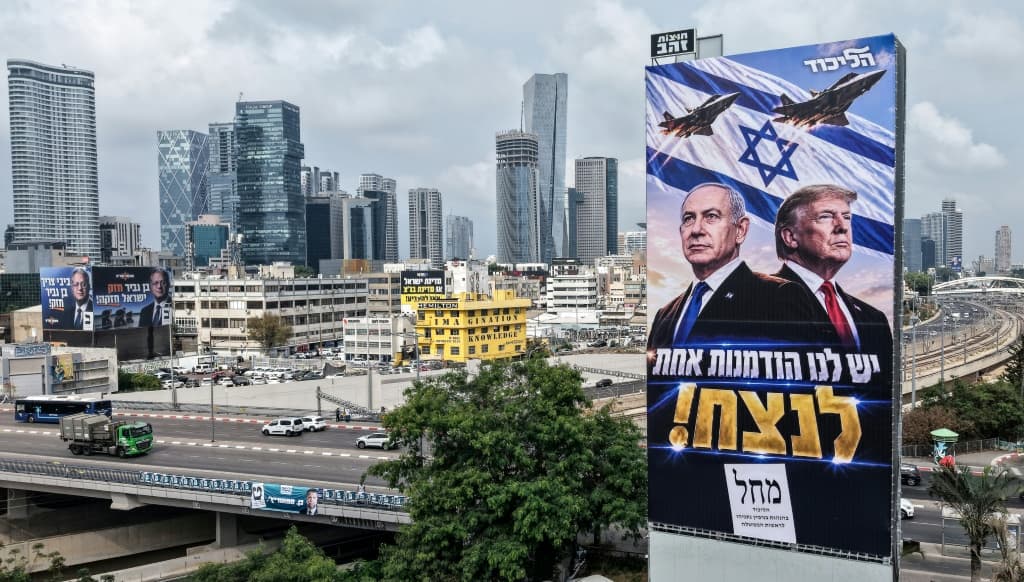
According to Israeli media cited by Anadolu, with 84.5% of votes counted, Netanyahu's bloc is projected to win 54 seats in the 120-seat Knesset — seven short of a ruling majority. The bloc led by Eisenkot, according to The Times of Israel citing the Central Elections Committee, receives 49 mandates, while the predominantly Arab parties get 17: the Joint List — 11, the United Arab List (Ra'am) — 6.
Statements on turnout and incidents at polling stations
Tibi called the high turnout of Arab voters a 'historic achievement' of the Joint List, which, in his words, 'has proven to be a decisive force without which change is impossible.' In a video distributed by his office, at a rally in the city of Tayibe in central Israel he told supporters that their votes were 'the loudest,' despite attempts to 'cut electricity at polling stations and disrupt voting.' These claims are reported on the politician's word; the publication contains no data on any verification of the incidents by electoral authorities.