The key facts
- After 51.8% of votes were counted, Netanyahu's bloc holds 55 of 120 Knesset seats, Eisenkot's bloc holds 49, and the Arab parties hold 16
- Turnout was nearly 78% — the highest figure since 1999
- Neither camp has a majority; full results are expected by Thursday evening or Friday morning
Interim results without a majority
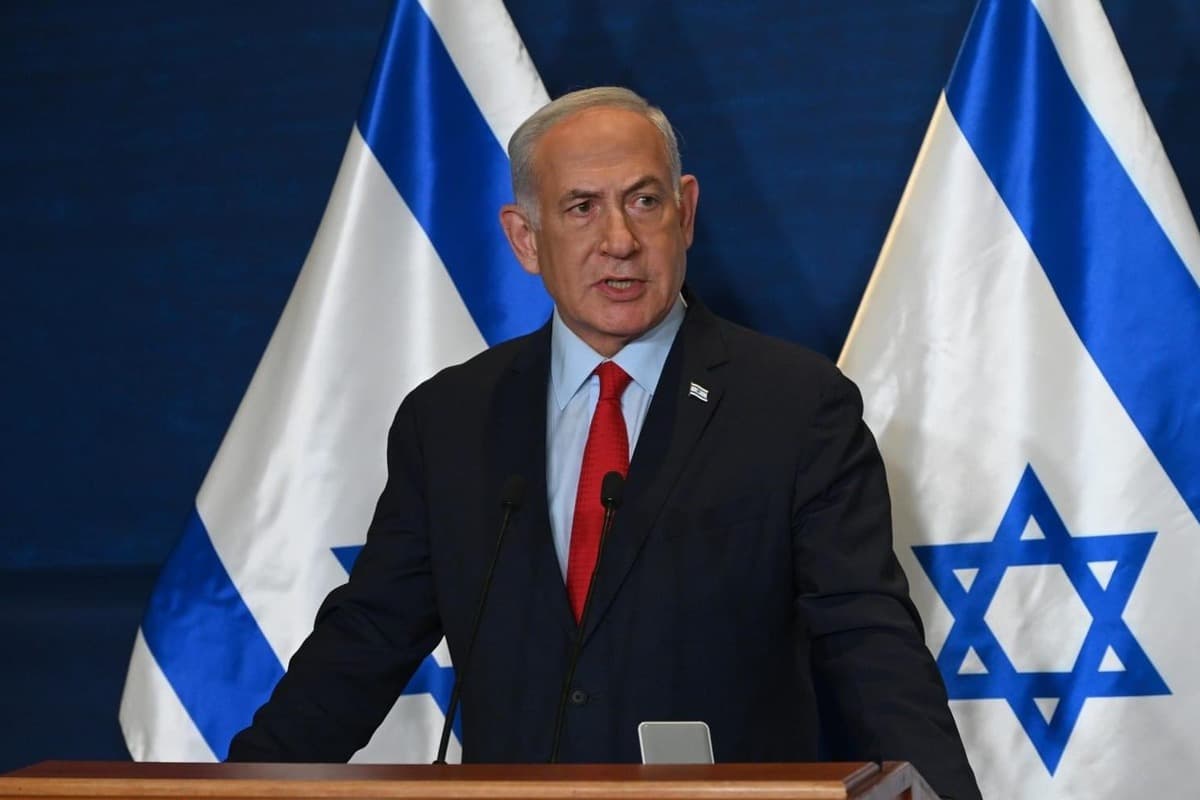
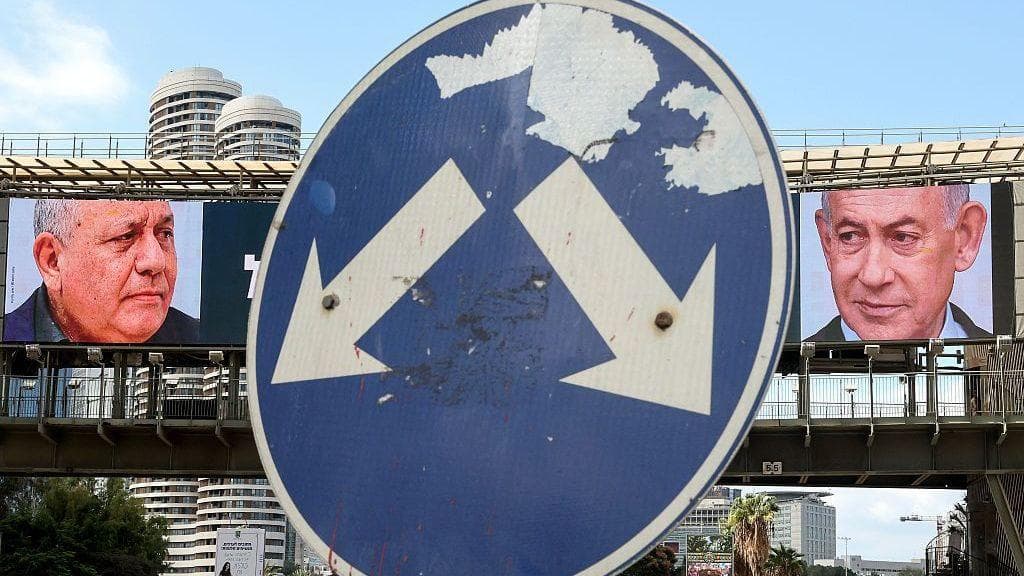
In Israel's general election, after 51.8% of ballots have been counted, the bloc of incumbent Prime Minister Benjamin Netanyahu holds 55 of 120 seats in parliament, the bloc of his rival Gadi Eisenkot holds 49, and the Arab parties hold 16. This was reported by the AFP agency with the caveat that the interim results are likely to change as counting continues. Neither camp yet has a majority of 61 seats, but both Netanyahu and Eisenkot declared after voting their intention to form a government.
The role of Arab parties and the discrepancy between exit polls and the count
The exit polls had shown a different picture: they put the Eisenkot and Netanyahu camps virtually level, at about 51 seats each, and projected the Arab lists with 18–19 seats — a sharp increase. According to partial results, the Arab parties currently hold 16 seats, but it is precisely their result that, in AFP's assessment, determines the arithmetic: with a coalition agreement with them, Eisenkot's bloc would have enough seats for a majority. However, Eisenkot said during the campaign that he would not govern together with Arab lawmakers — a position shared by Netanyahu, who argued that a government relying on Arab votes would lose its legitimacy. A possible alternative scenario is support by Arab lawmakers for a minority government without joining the coalition.
Leaders' statements and what comes next
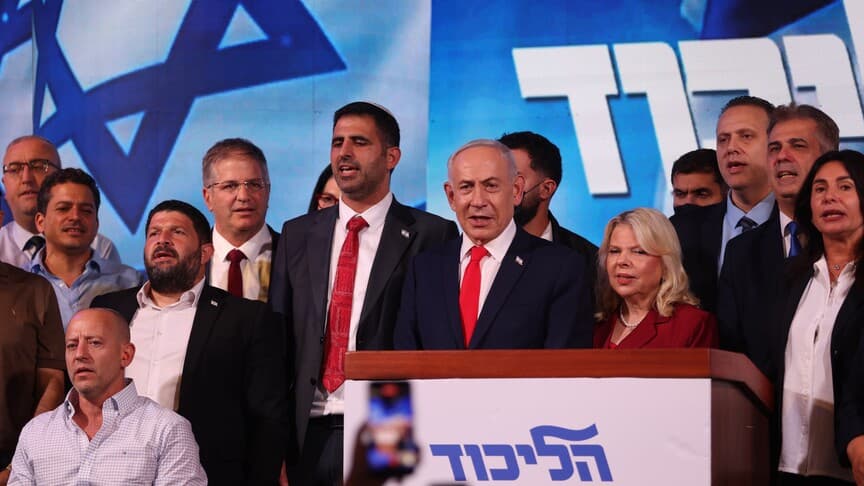
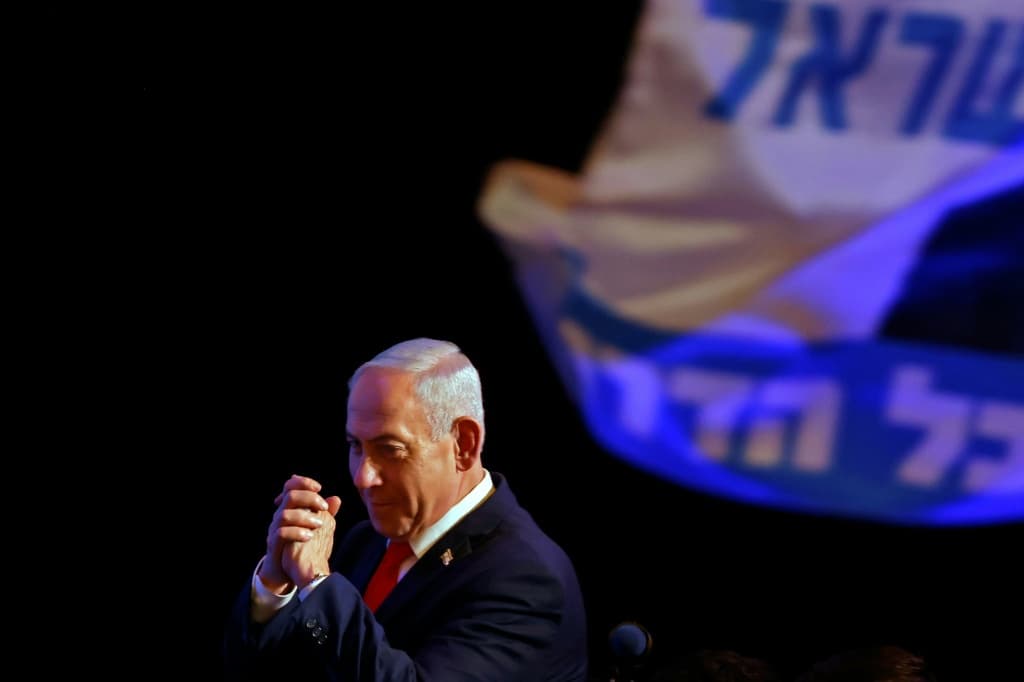
Turnout was nearly 78% — the highest figure since 1999. Eisenkot, a former chief of the general staff and political newcomer, said in Tel Aviv that 'the public has voted for change,' called Netanyahu 'an acting prime minister without a mandate or the people's trust,' and warned him: 'Do not dare use Israel's security for your political needs.' He also promised to work quickly on forming a government and called holding a repeat election a mistake. Netanyahu, speaking to supporters in Jerusalem after three o'clock in the morning, called for 'a strong right-wing government,' but, as AFP notes, was unusually brief and did not directly declare victory. US President Donald Trump told reporters that his support had helped Netanyahu 'a lot.' With no clear majority for either side, coalition-building could take weeks, and negotiations could end in new elections; in the short term, delay benefits Netanyahu, who remains acting prime minister until a new government is formed. Full results are expected by Thursday evening or Friday morning.