The key facts
- Netanyahu's bloc — 57 seats, Eisenkot's opposition — 47, Arab parties — 16; no bloc reaches 61 mandates
- Party leader — Likud (28), followed by Eisenkot's Yashar (21)
- 41.9% of ballot boxes counted, figures are preliminary
Preliminary results: no bloc holds a majority
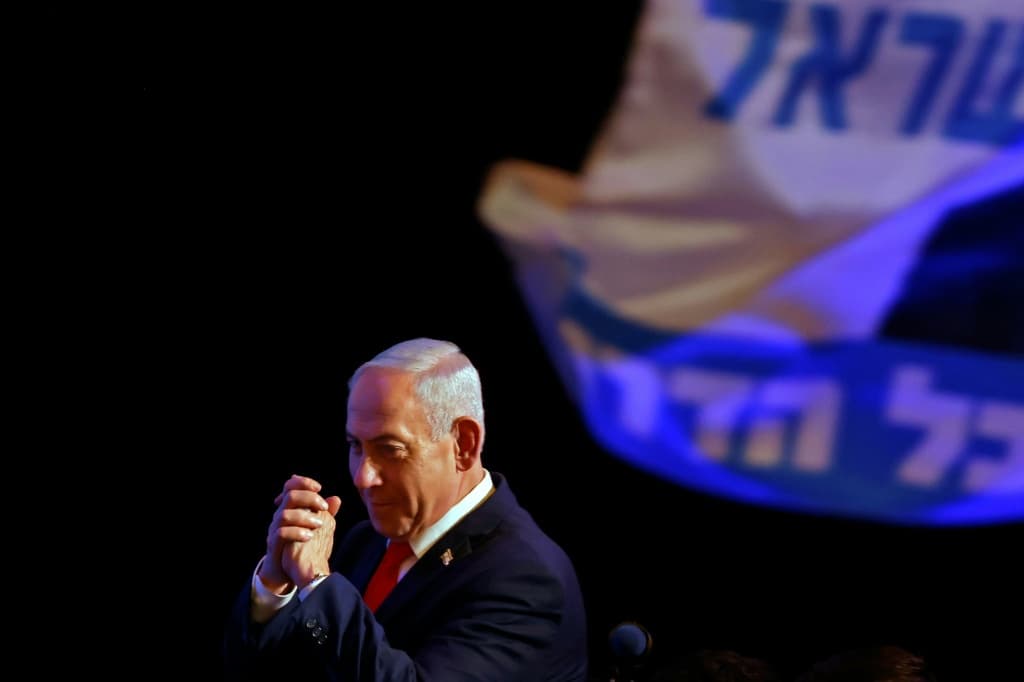
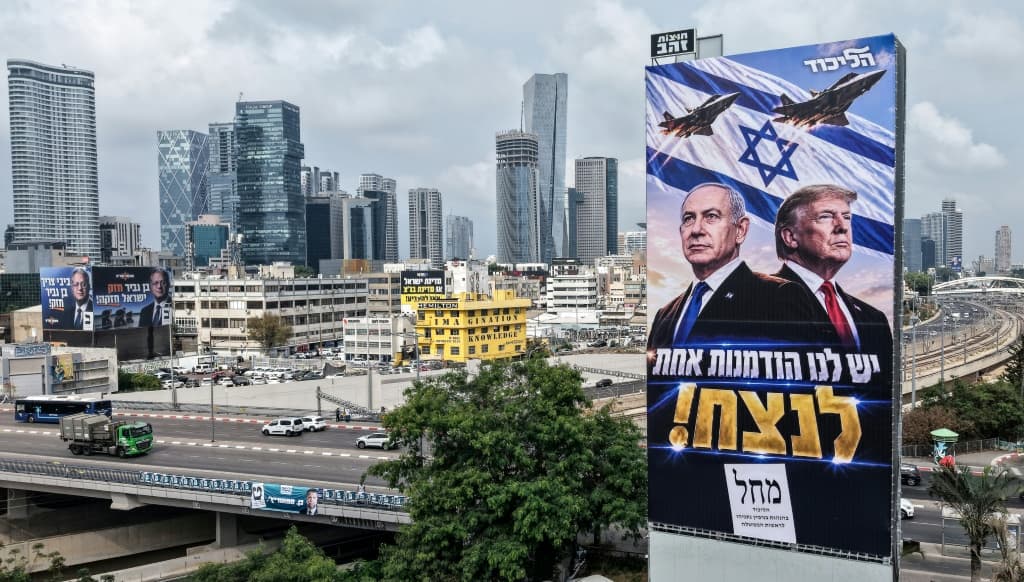
The bloc of Israeli Prime Minister Benjamin Netanyahu, according to preliminary counts, is receiving 57 mandates in the 120-seat Knesset — four fewer than needed to form a government. The figures are reported by The Times of Israel citing the Central Elections Committee; according to its data, 41.9% of ballot boxes had been counted at the time of tallying.
Balance of power and the role of Arab parties
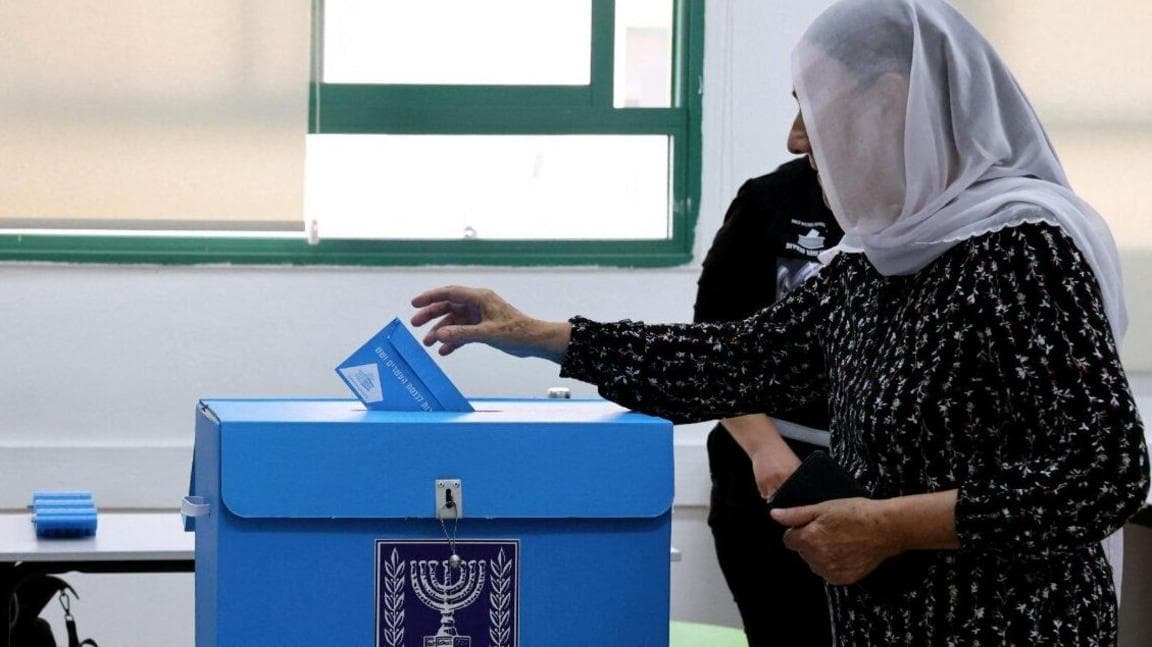
The opposition bloc led by Gadi Eisenkot is projected to receive 47 seats, while the predominantly Arab parties — the Joint List and Ra'am — take the remaining 16 mandates. Thus, neither of the two major blocs reaches the 61-seat threshold. It is the Arab parties that could find themselves in the position of kingmaker: if they agree to support the Eisenkot bloc, it would gain a majority of 63 mandates.
Results by party
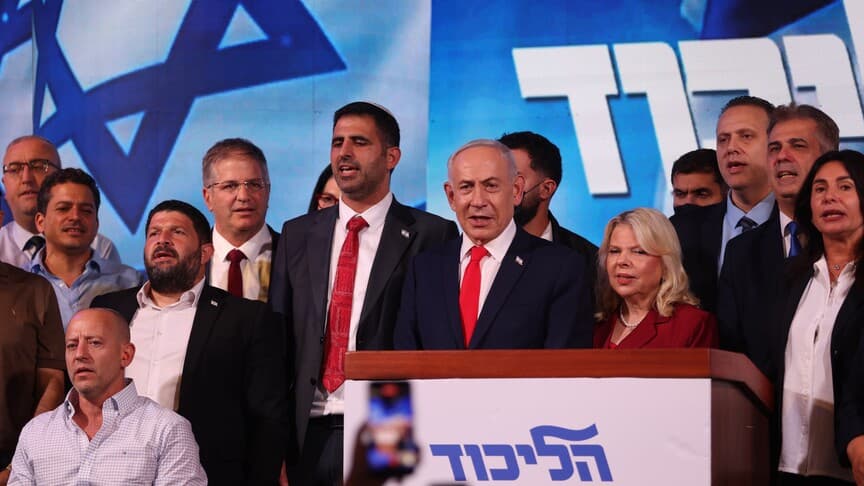
Among individual parties, Netanyahu's Likud leads with a projected 28 mandates, followed by Eisenkot's Yashar party with 21. Next come the Joint List (12) and the Together party (11). United Torah Judaism and Yisrael Beiteinu are projected at eight seats each; the Democrats, the Religious Zionism–Zehut alliance, Otzma Yehudit and Shas at seven each, and Ra'am at four. Vote counting is ongoing, and all figures remain preliminary: the final distribution of mandates may change.