The key facts
- Israel votes on Tuesday; polls predict a close race and possibly lengthy coalition negotiations.
- Netanyahu's main rival is said to be former chief of staff Gadi Eisenkot.
- Netanyahu's main rival is said to be former army chief Gadi Eisenkot.
- Turnout among the Arab minority is expected, according to sources, to be 'astronomical'.
- Turnout among the Arab minority is expected, according to sources at The National, to be 'astronomical'.
Elections as a verdict on military leadership
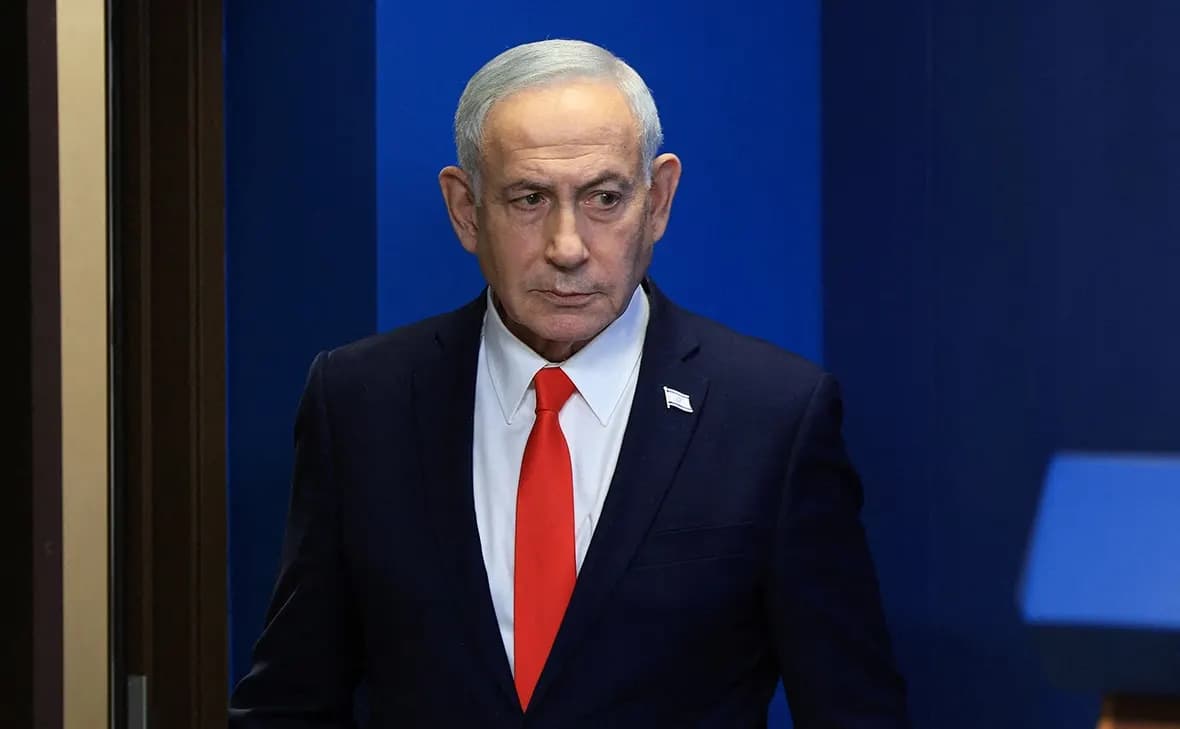
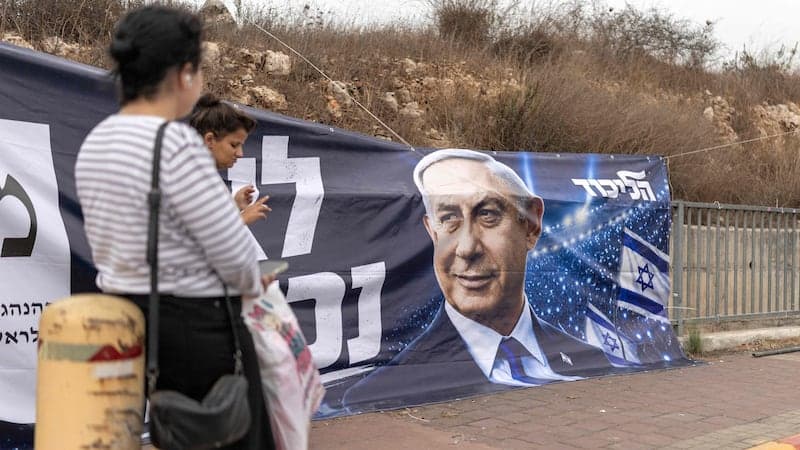
Israel votes on Tuesday in one of the most significant elections in its history, in which voters will deliver a verdict on the military leadership of Prime Minister Benjamin Netanyahu, The National reports. Netanyahu is seeking re-election after a four-year term marked by a catastrophic security failure in the October 7, 2023 attacks, a devastating war in Gaza, and subsequent campaigns in Lebanon, Iran and across the region.
A close race and a possible deadlock
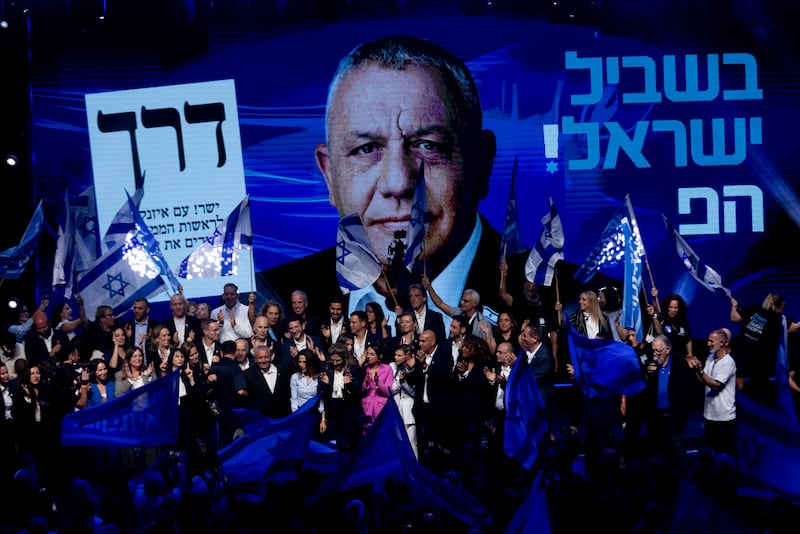
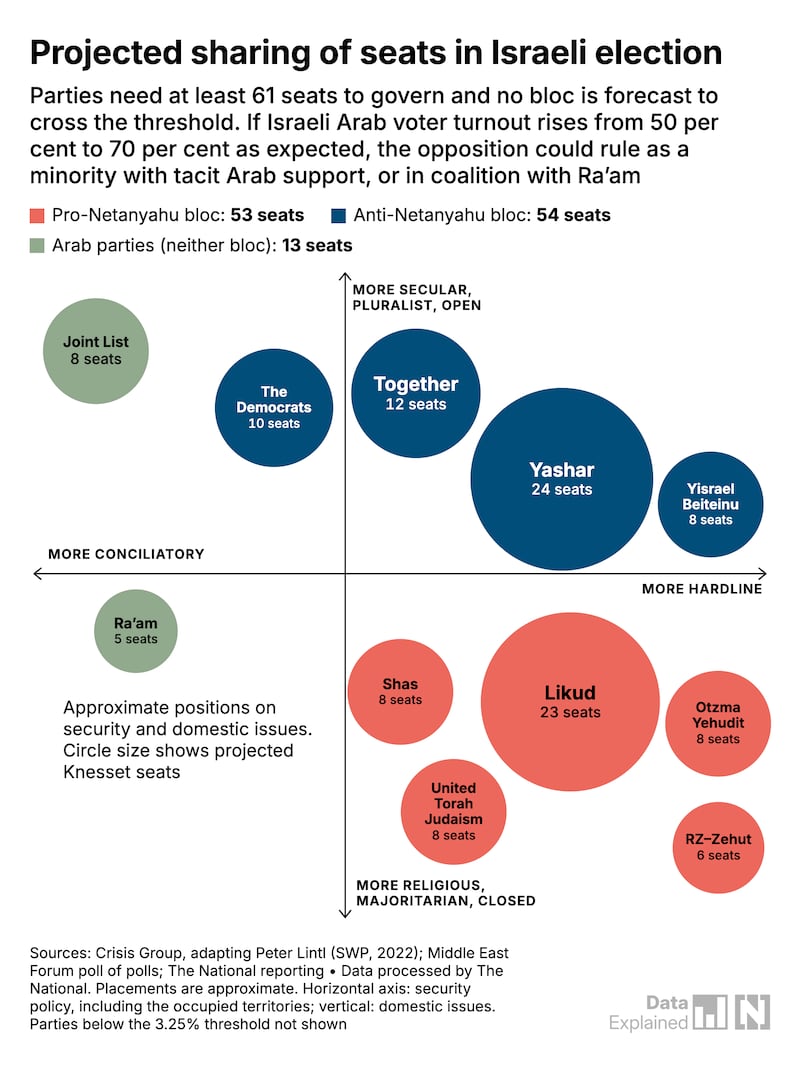
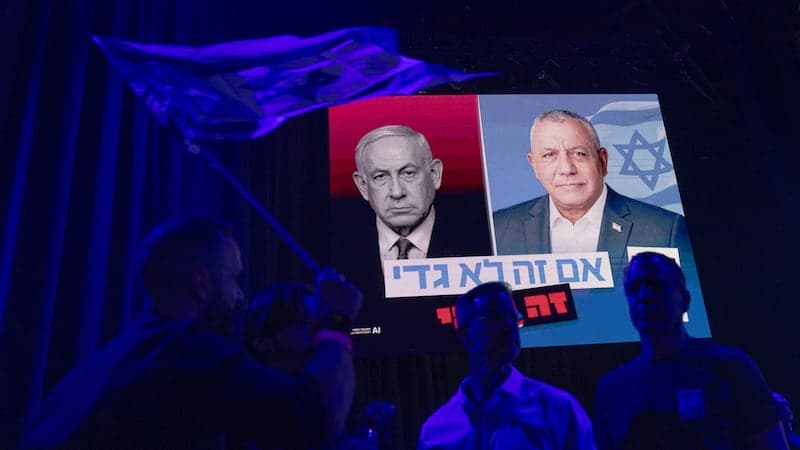
Polls predict a close contest that could lead to lengthy coalition negotiations — just as Middle Eastern countries are trying to restore stability. Among the opposition candidates, forecasters give the best chances of unseating Netanyahu to former top general Gadi Eisenkot. The alliance of former prime ministers Naftali Bennett and Yair Lapid, according to the outlet, is slipping in the polls.
The role of the Arab minority
Voters from the Arab minority could play a key role: political sources told The National that their turnout is expected to be 'astronomical'. Senior opposition officials also spoke of the possibility of a coalition or an agreement on a minority government with the Arab parties. An Israeli political observer, commenting on the far-right parties that formed Netanyahu's government, said: 'After what they have seen over the past three years, they have understood the difference between bad and worse.'
The campaign: a demand for an inquiry versus hard-line rhetoric
In the final days of the campaign, opposition supporters demanded an official inquiry into the October 7 attacks, which Netanyahu has resisted. In response, he has emphasised a hard line on security — from warnings of a 'second Holocaust' if Iran is allowed to rearmto ordering an operation of questionable military value in the occupied West Bank. With Israel's reputation abroad badly damaged by the Gaza campaign and the expansion of settlements, Netanyahu uses the backing of US President Donald Trump as a key argument: Trump sent a later message of approval, noting 'excellent relations in shared victories.' Eisenkot keeps his policy positions vague, relying on an image of down-to-earth honesty, but most major candidates take a hawkish line on Iran, and few are enthusiastic about the idea of a Palestinian state, although some hint at reconciliation.
Reaction in Gaza and the mechanics of voting
Residents of Gaza expressed little optimism about the vote. Palestinian political analyst Mustafa Ibrahim said he did not believe in significant change regardless of whether Netanyahu wins or loses. Nevertheless, many Gazans hope for his defeat, holding him responsible for the mass destruction in the war that claimed the lives of more than 70,000 people. About 7.3 million Israelis are eligible to vote for the 120-seat Knesset; 36 parties are running, although most are not expected to win enough votes to enter parliament. Polls close at 10 p.m. Israel time on Tuesday, when exit polls will give a first picture of the results. Given the history of political deadlock — five elections between 2019 and 2022 — Netanyahu will remain caretaker prime minister during coalition negotiations; some believe he could exploit the deadlock to his advantage, possibly by launching a new round of fighting with Iran. Netanyahu was reported to have sought a joint US-Israeli strike on Iran before the election, which Trump did not approve; Eisenkot said he has 'full confidence' in the military.
Why it matters
These are the first elections at which Israelis can pass judgment on Netanyahu's military leadership, and their outcome will shape the formation of a government in a country with chronic coalition instability. The result affects not only Israelis — including the Arab minority, whose record turnout could change the balance — but also the residents of Gaza, whose hopes for change are, according to an analyst, modest. Exit polls will become known almost immediately after polls close on Wednesday evening, while the composition of the next government will be determined through negotiations that could drag on.