The key facts
- Polls show Netanyahu's bloc and Eisenkot's bloc tied ahead of Tuesday's vote
- Polls show Netanyahu’s bloc and Eisenkot’s bloc tied ahead of Tuesday’s vote
- Both sides are using AI-generated content to attack each other
- Candidates who lost relatives in the wars after October 7, 2023 report bullying and calls to withdraw their candidacies
- Candidates who lost relatives in the wars after October 7, 2023 report harassment and calls to withdraw their candidacies
Campaign heats up ahead of close election
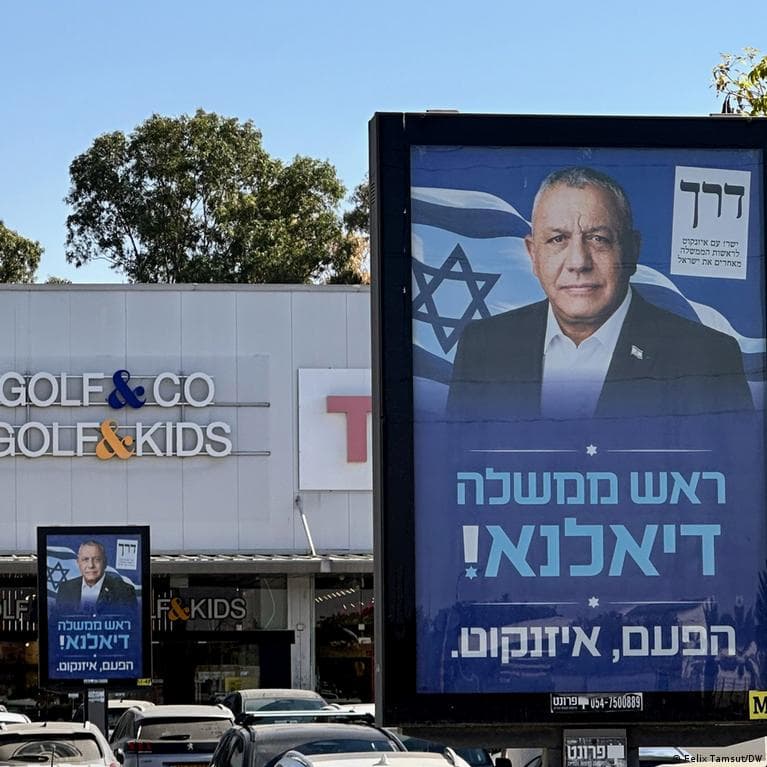
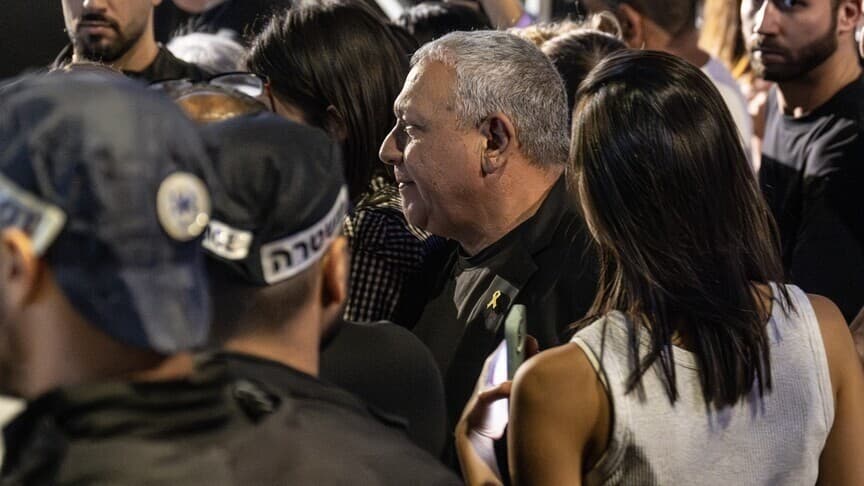
Days before Israel's election, scheduled for Tuesday, the campaign has been filled with insulting jabs and incendiary attacks on candidates that, as AFP observed, at times cross red lines. Part of this flood is fueled by AI-generated images that have flooded social media: candidates and activists seek to portray opponents as weak, untrustworthy or dangerous to the country, playing on stereotypes and fears. According to polls, the bloc of Prime Minister Benjamin Netanyahu is running neck-and-neck with the bloc of his main center-right rival, Gadi Eisenkot.
Leaders' mutual AI attacks
On Wednesday, Eisenkot posted on X a video congratulating Netanyahu on his 77th birthday, featuring AI characters, including a Hamas militant speaking from a tunnel. 'What can we wish for the man who has protected us for 20 years?' the militant says in the clip, alluding to theories that the prime minister allegedly deliberately helped the Islamist movement stay in power in Gaza; Netanyahu firmly rejects these accusations. The video then shows an AI image of Iran's supreme leader Mojtaba Khamenei telling Netanyahu: 'One more round without victory — and I'll give you a bomb.' Netanyahu, for his part, has also actively used AI content against his rival: in July he published a clip in which Eisenkot rejects the embrace of a young man wearing a shirt reading 'Unity of Israel' and instead hugs Arab-Israeli candidate Mansour Abbas. The clip sparked widespread outrage over claims that the young man was made to resemble Eisenkot's son, who was killed in fighting in Gaza in 2023 — Netanyahu's party denies this. In an interview with Channel 13, Eisenkot said that after watching the clip he felt 'deep contempt for Netanyahu and his circle.'
Accusations of incitement
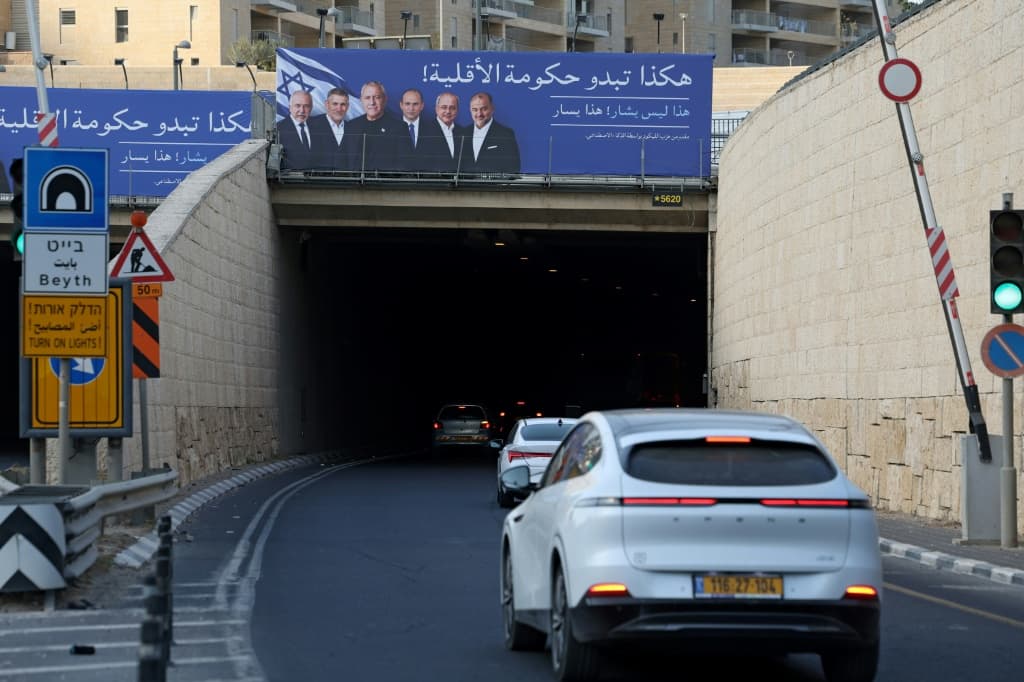
Netanyahu's camp has used AI throughout the campaign to stoke fears of a possible opposition coalition including Arab-Israeli parties: the videos range from opposition politicians removing masks and 'turning out' to be Arab-Israeli candidates, to Arabs looming over a collapsing parliament building. Billboards of the Likud party have also appeared across the country with the phrase 'Right or Palestine' next to the faces of Arab-Israeli politicians. 'This is incitement, especially from the camp of Prime Minister Netanyahu,' said Thaer Abu Ras, head of the Forum for Regional Thinking at the Van Leer Institute in Jerusalem, adding that the right-wing camp considers the participation of an Arab party in a coalition illegitimate and is trying to impose this way of thinking on Eisenkot's coalition as well. Eisenkot, the son of Moroccan Jews, has also apparently received racialized comments: this week, a senior commentator on the pro-Russian-leaning, pro-Netanyahu Channel 14 called him a 'monkey.' Although in Hebrew the word is not necessarily a racial slur, the remark drew widespread condemnation from opposition politicians and from Netanyahu himself.
Personal tragedies drawn into the campaign
These are the first elections since the Hamas attack of October 7, 2023, and among the candidates are many people whose lives changed that day or in the wars that followed, yet trauma and loss have not protected them from personal attacks. Lali Derai, whose son was killed in fighting in Gaza in 2024, is running for the new far-right party Amcha Israel, which advocates universal military conscription — an increasingly contentious issue due to exemptions for religious students. According to her, a coordinated smear campaign is being waged against her, touching on her son's death and accusing her of betraying his memory; in the area of the settlement where she lives in the occupied West Bank, posters have appeared demanding she withdraw her candidacy so as not to 'endanger the country.' 'They are trying to break me, but, paradoxically or not, this campaign has only strengthened my resolve to go into politics precisely in order to put an end to this rhetoric full of hatred,” she told AFP. On the public broadcaster KAN, she reported “calls at any time of day or night, vile comments on social media, posters in our towns, including near our children’s school buses.” Relatives of former Hamas hostages were also caught in the crosshairs of the attacks: on Tuesday, an unofficial Facebook page of Likud supporters posted an image contrasting one mother of a former hostage with another — Likud candidate Talik Gvili appears calm against the backdrop of an Israeli flag, while Einav Zangauker, a vocal critic of Netanyahu, is shown in a frenzy against protesters tinted red. The caption reads: “Is this us or them.”
Why it matters
The election is taking place with the two blocs almost evenly matched, so such tactics can genuinely affect the distribution of votes and the composition of the future coalition — including the question of whether Arab-Israeli parties may take part, around which much of the aggression is built. For voters, this means that a significant share of the campaign’s visual content is AI-generated and requires critical scrutiny; for candidates, it means that personal tragedies are being used as a pressure tool, up to calls to withdraw their candidacies. Editorial interpretation: the scale and mutual nature of the AI attacks by both sides indicate that such methods have already become the norm of this campaign, although sources do not assess the long-term consequences for Israeli politics.