News

Science

46 stories

Thwaites Glacier is melting faster than previous estimates and could raise sea levels twice as much by 2100

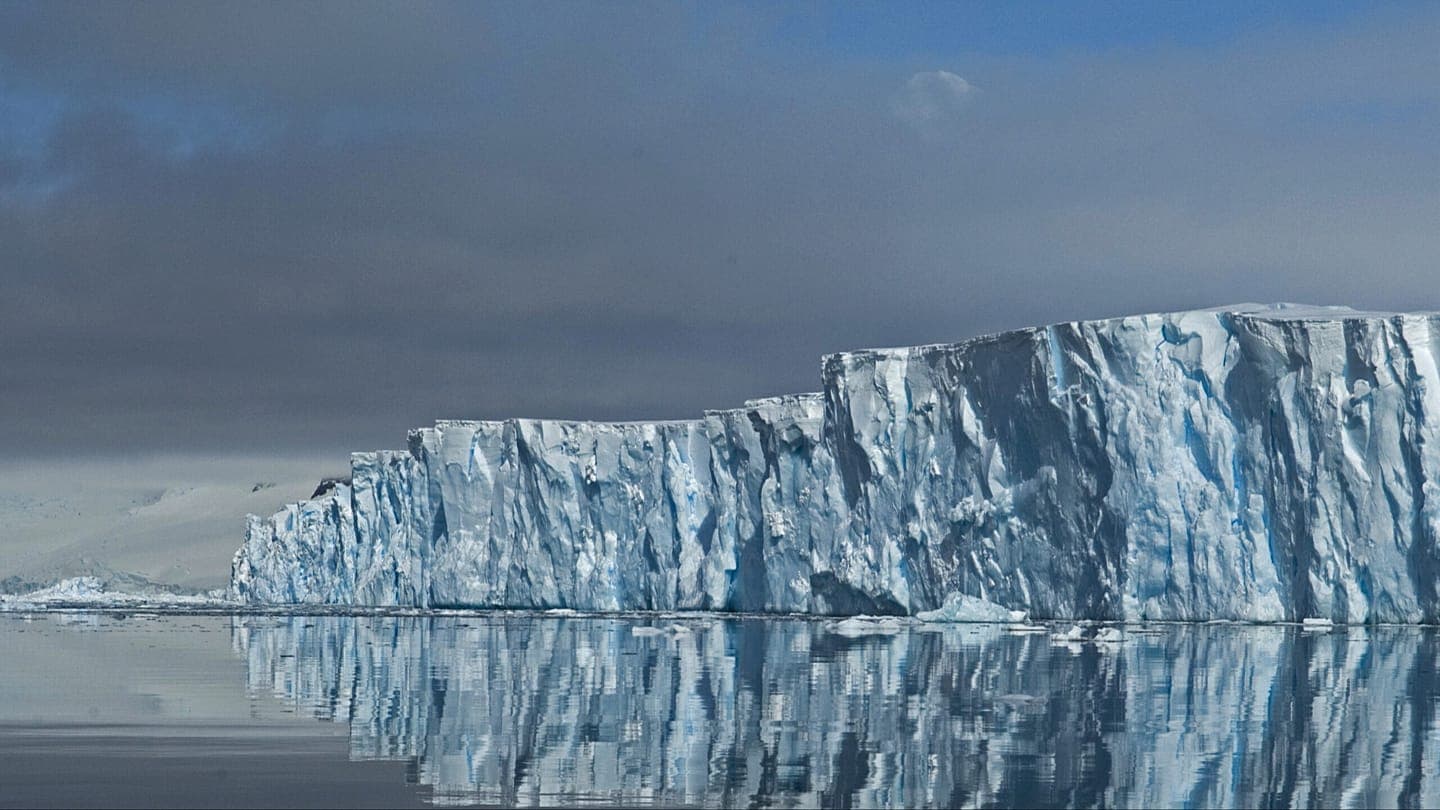
A new study in Nature Communications found that the Thwaites Glacier in Antarctica could contribute up to 30 mm to global sea level rise by 2100 — twice the previous estimate of 15 mm. The cause is 'tidal pumping': warm water penetrates beneath the ice. There is about a 60% probability that by 2100 the glacier will detach from the restraining Mugins Ridge, possibly as early as the late 2030s.


2 min read

Scientists Record Growth of Microplastics in Western Siberia's Snow

A study published in the journal Pollutants covered the territory from the Altai foothills to the Arctic Circle. Snow samples were collected in 2021–2023 at 23 stations. Scientists noted an increase in average microplastic content, a predominance of fibers, and a rise in the chemical hazard index of polymers while the potential ecological risk remained low.

2 min read

A Thousand-Year-Old Boat and Bronze Age Artifacts Found at the Bottom of the Former Kakhovka Reservoir

In September, archaeologists worked on the Dnipro near Khortytsia Island close to Zaporizhzhia, despite hostilities roughly 45 km away. Among the finds are a Bronze Age deer antler, ceramics presumably Scythian, a fragment of a Byzantine amphora, an 18th-century anchor, and a wooden dugout boat about a thousand years old. After the destruction of the Kakhovka dam in June 2023, the territory of Velykyi Luh was exposed, with monuments from the Neolithic to the 20th century. More than 100 organizations are advocating for the territory's inclusion on the UNESCO list.

3 min read

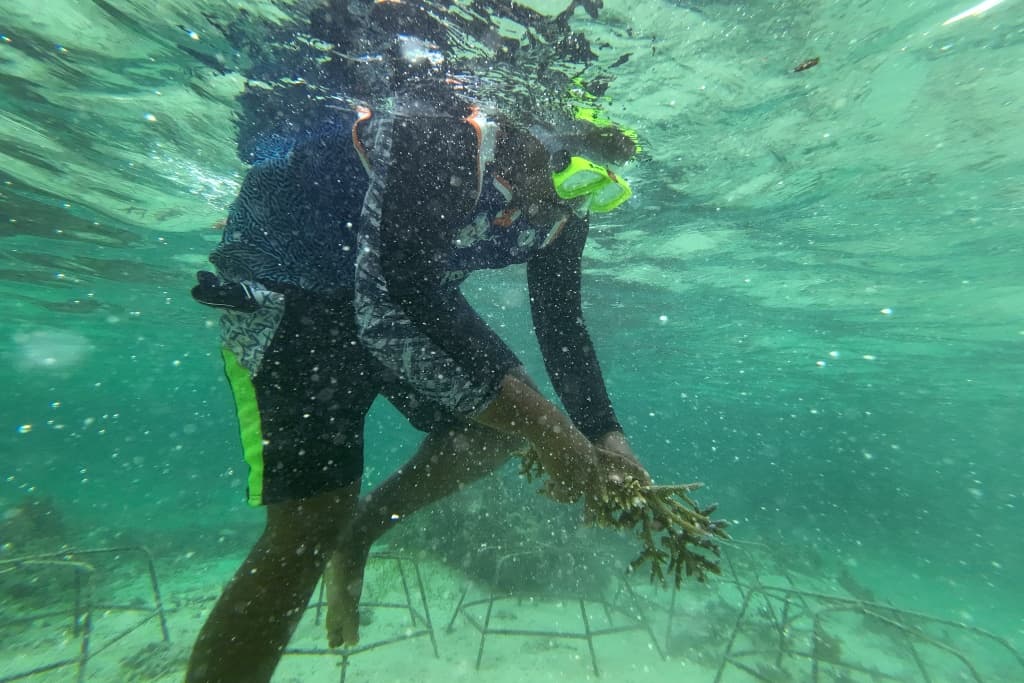
Fiji's Naidiri village revived a dying fishery by planting corals

Residents of the Fijian village of Naidiri have been restoring fish stocks since 2009: they created a protected zone on the Coral Coast, and since 2011 young people have been planting corals and mangroves — in 2023 alone, 18,000 corals and 10,000 mangroves. After a heat wave with water temperatures up to 39°C, about 20% of the corals survived — 'super-corals' resistant to warming, which are now being transplanted into deeper waters near Suva. Sharks have returned to the reef.

3 min read

Hong Kong engineers develop 3D-printed bricks for building houses on Mars

Researchers in Hong Kong are creating 3D-printed building blocks from materials that could be sourced on Mars. The mixture of sand, gelatin and genetically modified yeast that secretes adhesive proteins is inspired by freeze-dried fruit. The blocks are being tested under simulated Martian conditions, but equipment delivery and power supply remain obstacles.

1 min read

Second Student Space Fest Festival Held in Tashkent: Bottle Rockets, a Martian Hackathon and Satellite Assembly

The second Space Fest festival, timed to World Space Week, took place at the New Uzbekistan University. More than 400 people registered, up from 200 last year, and the number of activities grew from four to eight. The organizers were the MUBL student club, the Space Alliance association and the Uzbekcosmos agency, with support from ArticularUZ, Lumen Space Academy and ISEC.

4 min read

A fossil from the Natural History Museum in London turned out to be a new dinosaur species

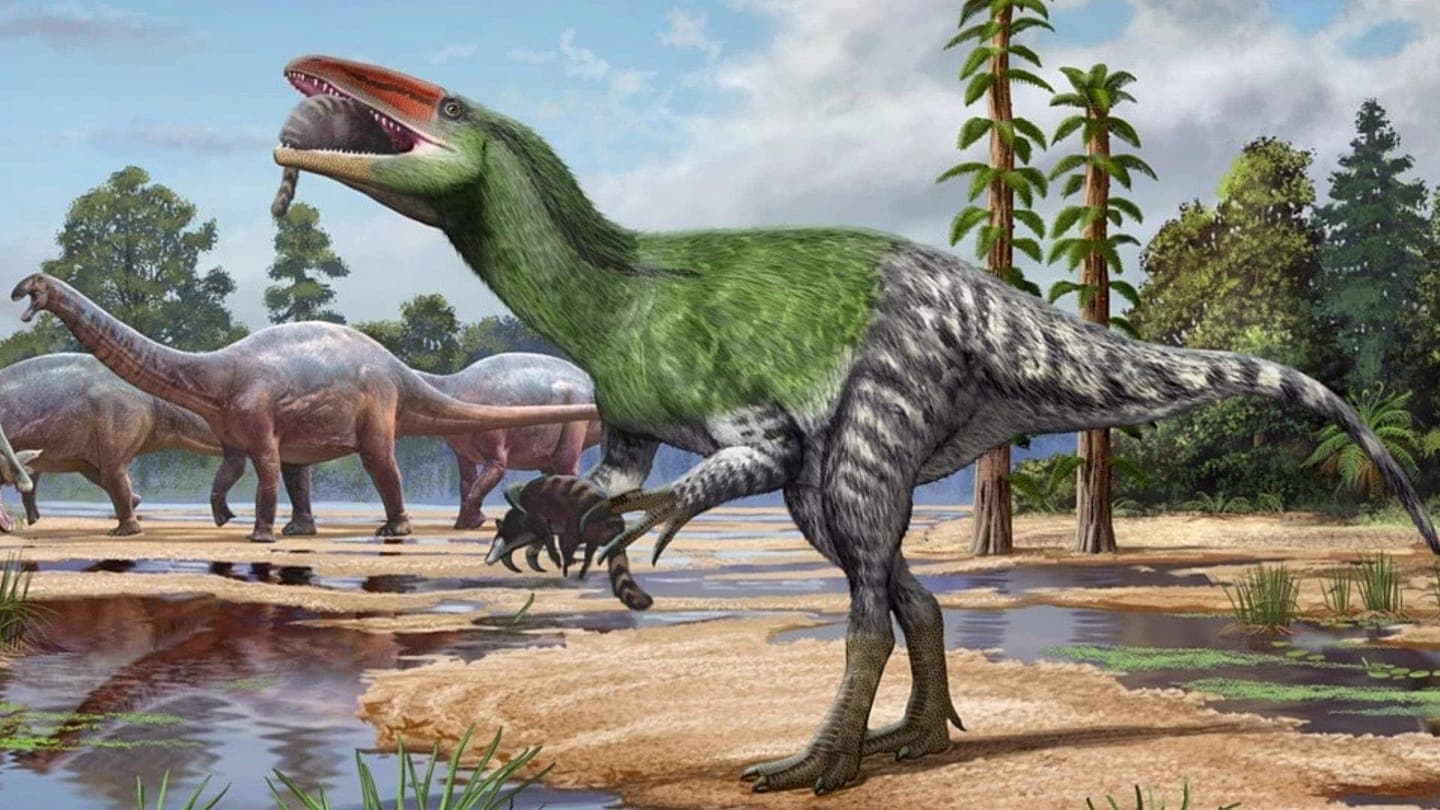
A skull fragment kept at the Natural History Museum in London for almost 100 years has been identified as a new species of predatory dinosaur, Invictibellatrix amberina, which lived about 120 million years ago. It is the first confirmed evidence of a megaraptor in Europe. The find was made on the Isle of Wight by collector Reginald Walter Hooley, who died in 1924; a study using CT scanning was published in Royal Society Open Science.

3 min read

Thwaites Glacier will keep melting even if oceans cool, scientists find

A British Antarctic Survey study showed that the 'Doomsday Glacier' in West Antarctica will lose ice for at least 150 years even with oceanic melting switched off in models. A full collapse of the ice sheet would add about 65 cm to sea level. The neighbouring Pine Island Glacier, by contrast, would recover under similar conditions.

3 min read

Spider Crater in Australia, about 13 km in diameter, photographed from space

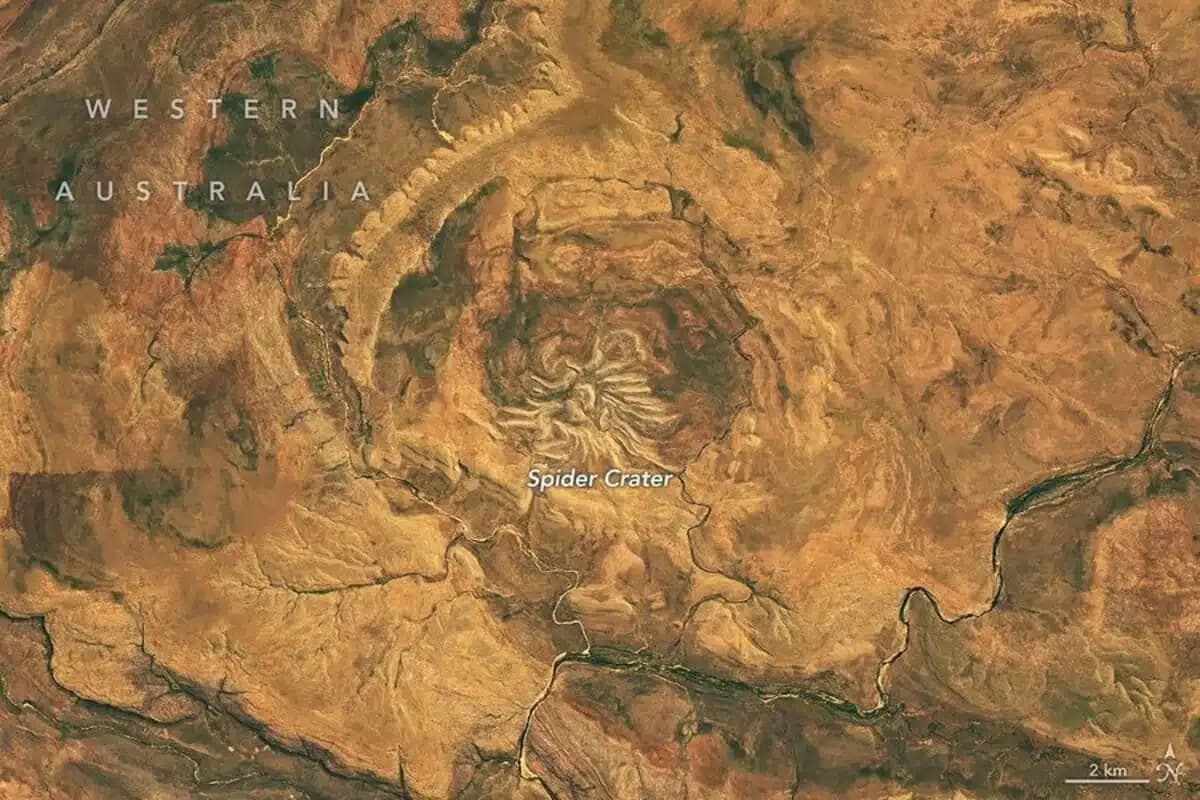
NASA has published a satellite image of the Spider Crater impact structure in Australia's Kimberley region, acquired on September 20, 2026 by the OLI instrument aboard the Landsat 9 satellite. The structure, measuring about 13 by 11 km, resembles a spider: the central part formed when the crater floor was uplifted, while the light-colored 'legs' are sandstone ridges. The crater's exact age is unknown; estimates based on the age of the rocks suggest it formed roughly 600–900 million years ago.

2 min read

Scientists show how a bee's stinger keeps injecting venom even after detaching from the body

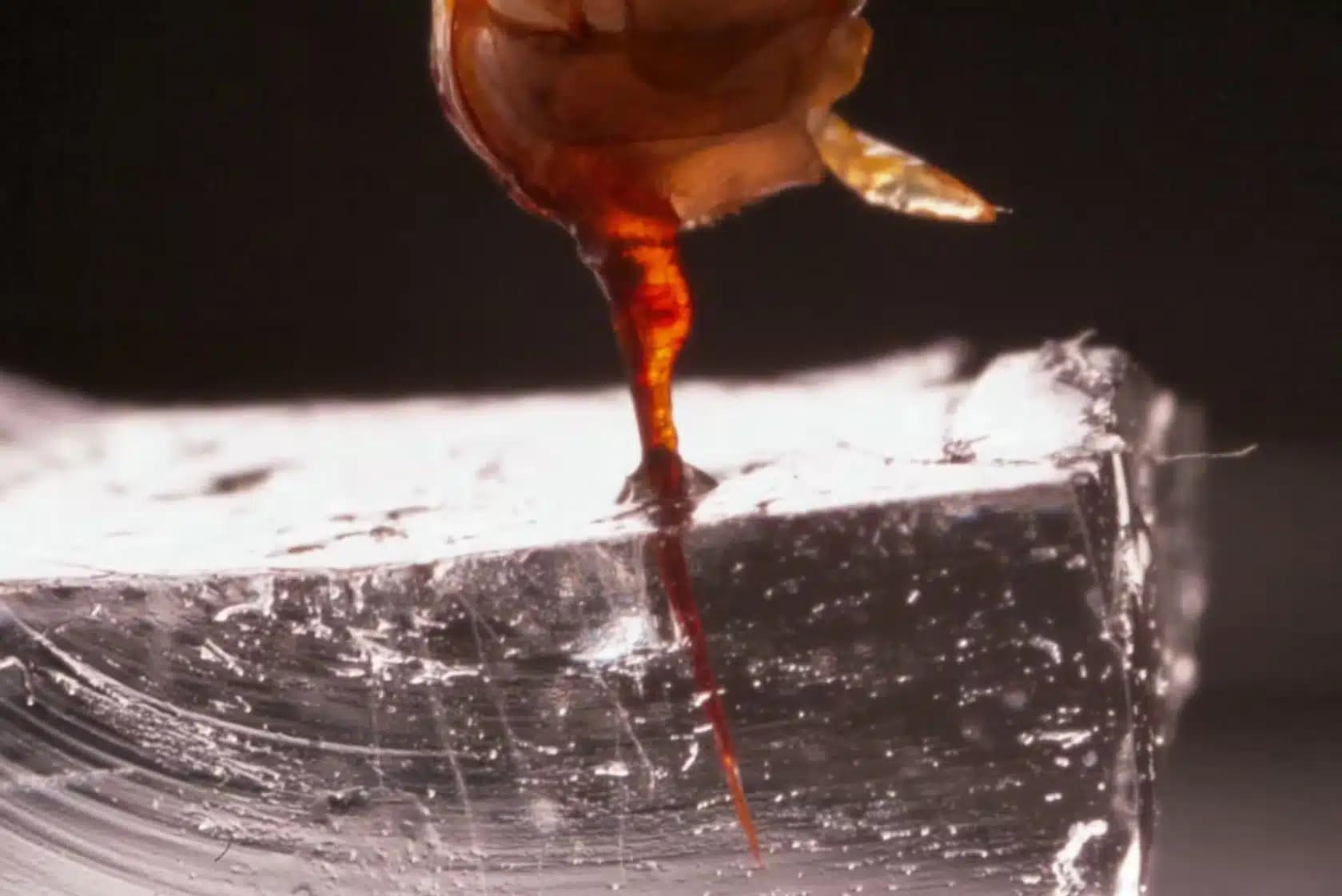
Researchers filmed the workings of a honeybee's stinger with high-speed micro-photography, making it sting a transparent gel imitating human skin. Inside the stinger, two tiny flexible valves were discovered, working like a two-piston pump and providing a continuous supply of venom. Even after detaching from the bee's body along with the venom gland, the mechanism continues to operate autonomously for some time. The authors also 3D-printed an enlarged working copy of the mechanism and believe the design could in the future…

2 min read

Scientists have discovered why some people learn foreign languages more easily

A study involving 67 Japanese people learning English showed: people with sharper hearing engage the left sensorimotor brain area less when perceiving foreign sounds and do not force them to fit their native language. The authors note that the work does not prove that all language abilities are innate.

2 min read

Astronomers model the unusual color of white dwarf WD J1330+6435 — green

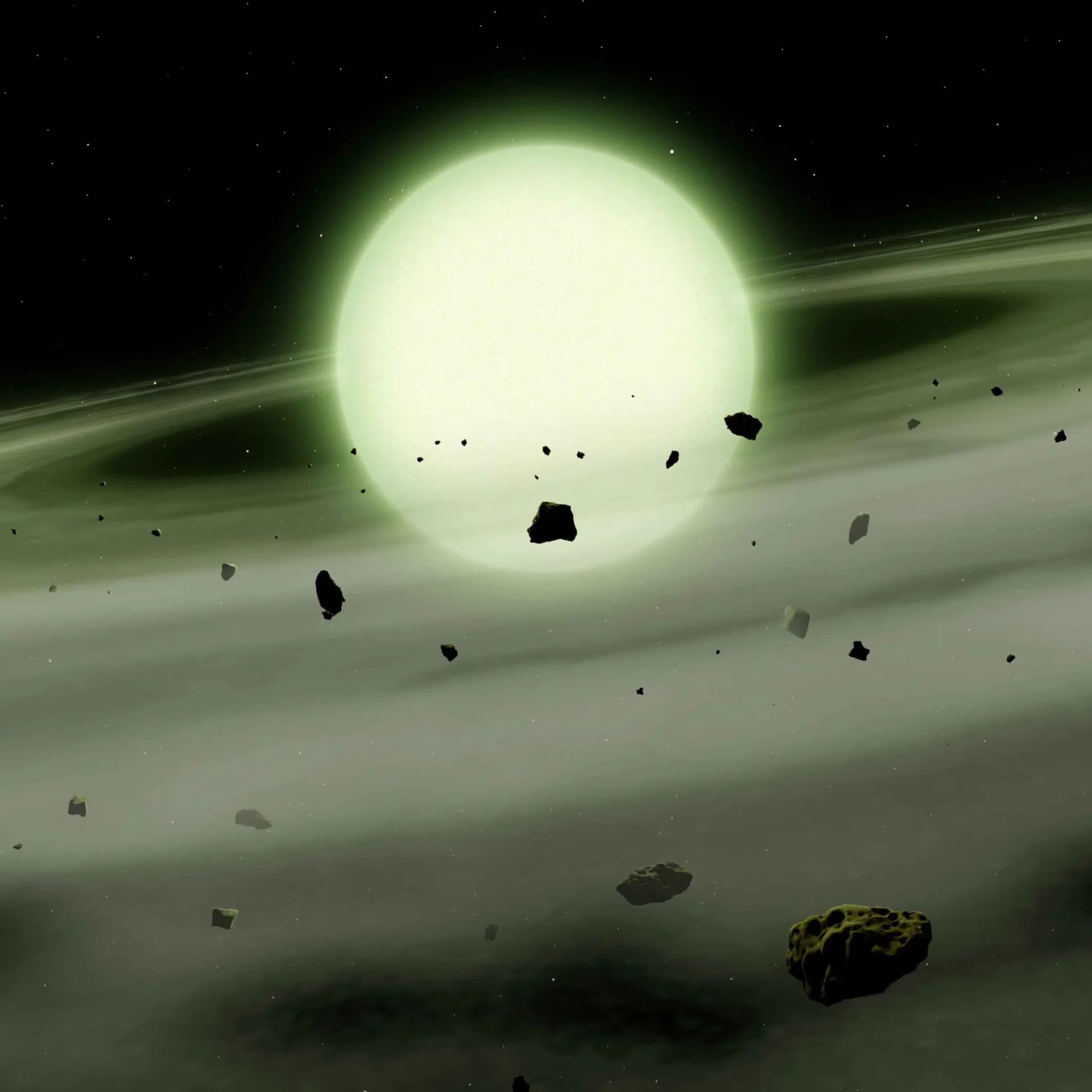
Using digital models simulating human vision, scientists determined what the white dwarf WD J1330+6435 would look like up close. Sodium and calcium in its atmosphere absorb orange and violet light, making the star, with a temperature of about 4000 °C, appear greenish. The results are published in the journal RAS Techniques and Instruments.

2 min read

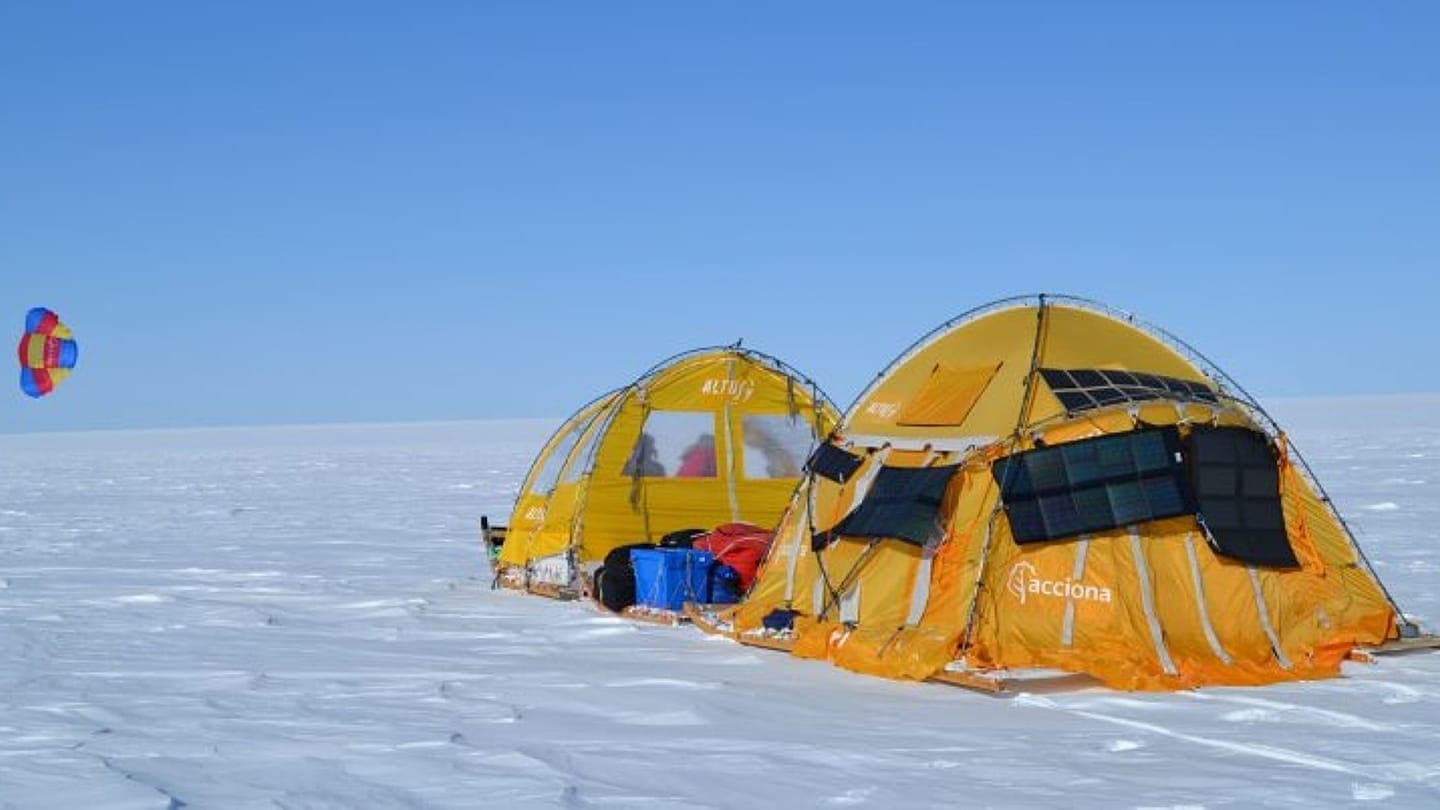
Spanish 'wind sled' expedition to cross Antarctica without fossil fuels

Polar explorer Ramón Larramendi will lead the Trineo de Viento Antártida 2026-2027 expedition: about 3,400 km across the Antarctic interior in roughly 80 days using kites and solar energy. The campaign will carry out 16 scientific projects, and the four-person crew itself will become a subject of isolation research for future space missions.

5 min read

From May 20, 2027, leap seconds will no longer be used to adjust Coordinated Universal Time

The International Bureau of Weights and Measures announced that from May 20, 2027, leap seconds will no longer be added to Coordinated Universal Time (UTC), a practice introduced in 1972. The reason was the acceleration of Earth's rotation, which for the first time could have required removing a second rather than adding one, threatening disruptions to computer systems.

2 min read

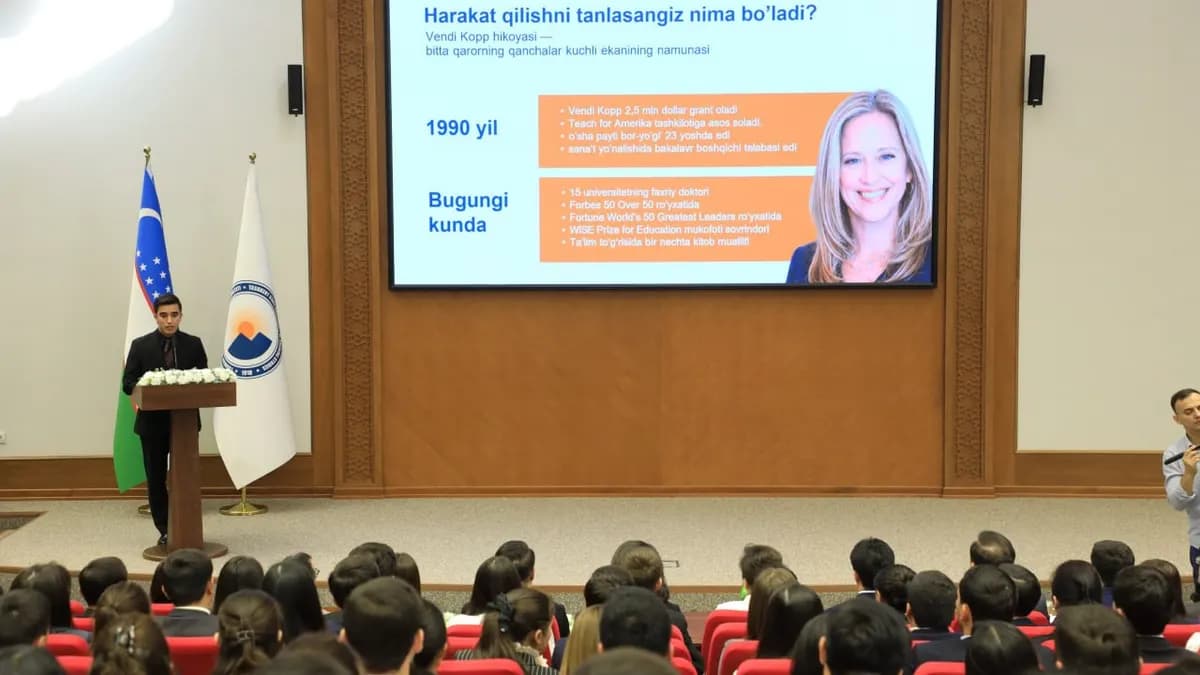
«Teach for Uzbekistan» and Tashkent State University of Oriental Studies signed a memorandum on sending graduates to schools in remote regions

A cooperation memorandum has been signed between «Teach for Uzbekistan» and the Tashkent State University of Oriental Studies. Talented graduates of the university will be sent to schools in remote regions under the two-year Fellowship program: they will teach foreign, including Oriental, languages full-time and undergo intensive trainings. Participants are promised additional financial and methodological support, and those who complete the program will receive the status of alumni of the international network «

1 min read

Climate change threatens brain health of Europeans — neurologists warn of rising strokes and dementia

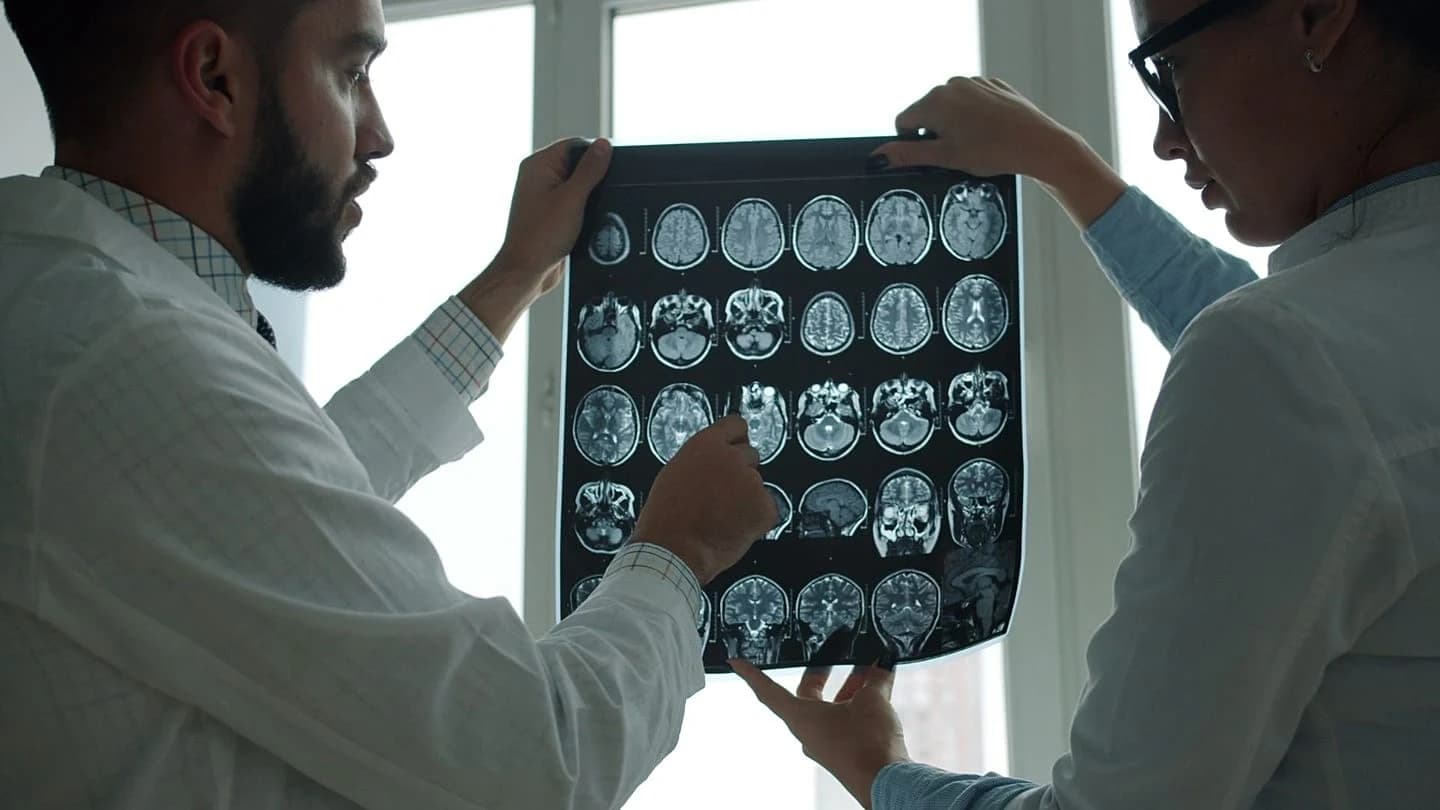
Neurologist Ulf Kallweit told Euronews at the European Health Forum in Gastein that heat raises stroke risk, disrupts sleep and expands the range of infections affecting the nervous system. Neurological disorders affect roughly one in three people, and their economic burden in 2019 was estimated at €1.5 trillion. Risks are higher for vulnerable groups and residents of disadvantaged areas.

3 min read