The key facts
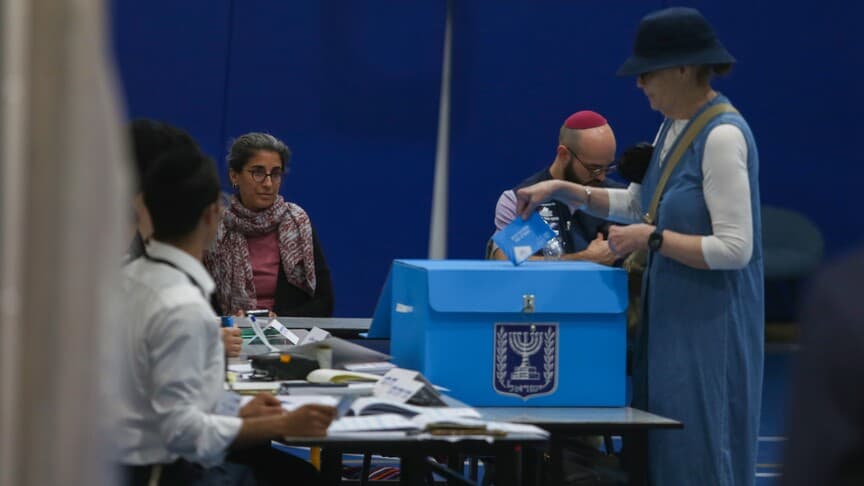
- Voting runs from 7:00 a.m. to 10:00 p.m. local time; 12,018 polling stations and about 18,000 ballot boxes have been prepared
- Voting runs from 7:00 to 22:00 local time; 12,018 polling stations and about 18,000 ballot boxes have been prepared
- 37 parties and lists are competing for 120 Knesset seats; a coalition needs at least 61 mandates
- 37 parties and lists are competing for 120 Knesset seats; a coalition needs a minimum of 61 mandates
- According to BBC polls, neither of the two blocs reaches 61 seats — weeks or months of negotiations are possible
The first general election since the start of the war in Gaza
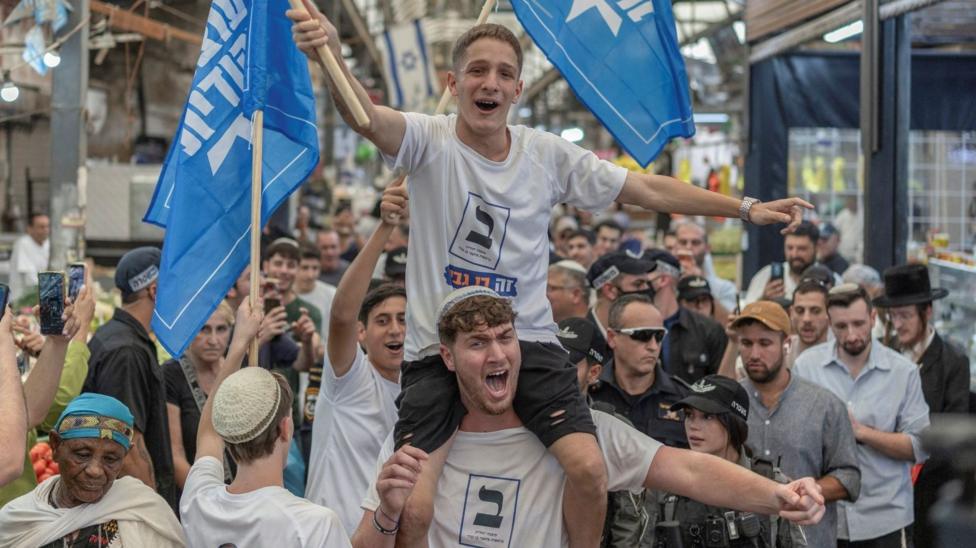
On Tuesday, October 27, voting began in Israel in the parliamentary election. According to the Israeli Central Elections Committee, more than 7.3 million votersmay turn out at the polls to elect 120 members of the Knesset. Polling stations opened at 7:00 a.m. local time and will close at 10:00 p.m.; 12,018 polling stations and about 18,000 ballot boxes have been prepared, and around 100,000 election workers have been recruited. Thirty-seven parties and electoral lists are competing, and at least 61 seats are needed to form a governing coalition. This is the country's first general election since the start of the war in the Gaza Strip in October 2023, Anadolu notes.
Main contenders and the balance of power
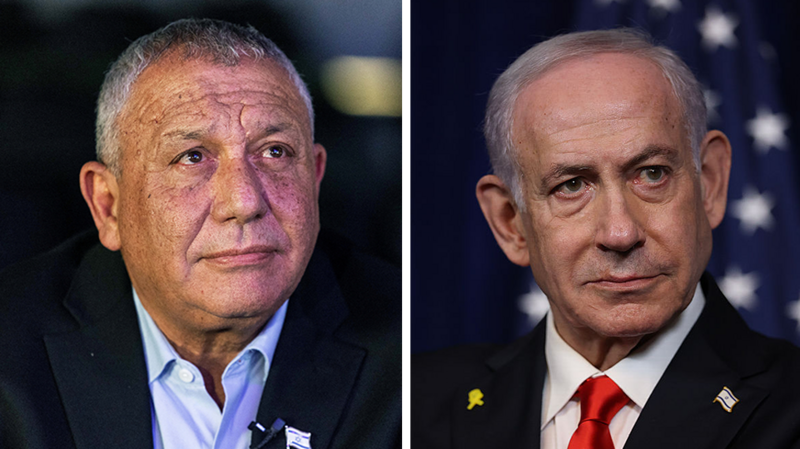
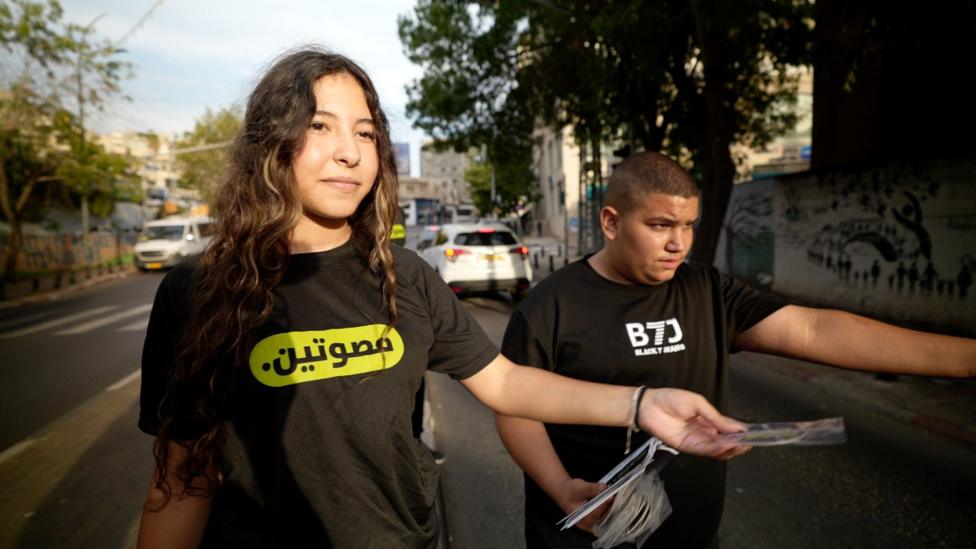
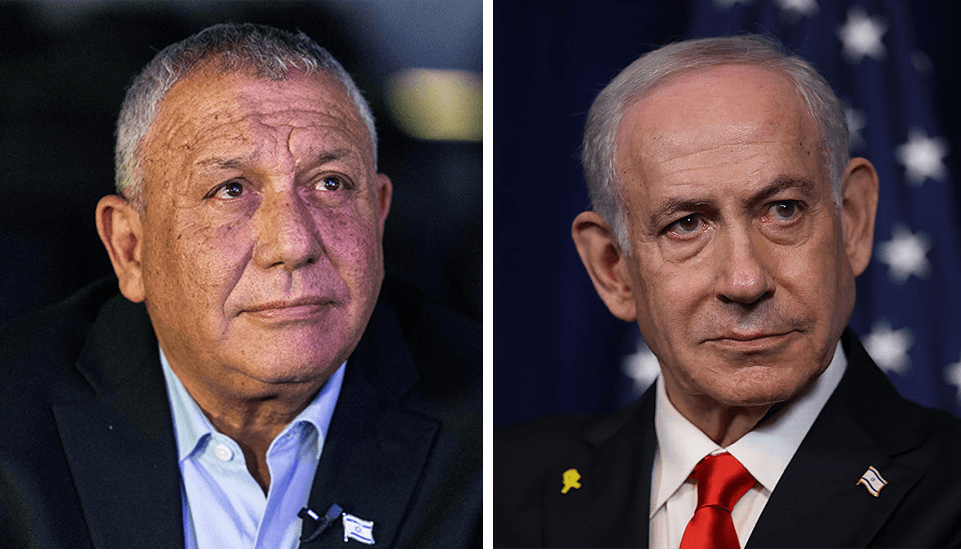
The main contenders are the Likud party of incumbent Prime Minister Benjamin Netanyahu, the Yashar party of former chief of staff Gadi Eisenkot, and the Together alliance led by former prime minister Naftali Bennett. Also running are Yair Golan's Democrats, Avigdor Lieberman's Yisrael Beiteinu, and the far-right Jewish Power party of National Security Minister Itamar Ben-Gvir; Palestinian parties are also represented — Yousef Jabareen's United List and Mansour Abbas's United Arab List (Ra'am). The BBC notes that Eisenkot leads the so-called 'bloc of change' — a coalition of parties with ideological differences but a shared goal of unseating Netanyahu — while Netanyahu's current coalition with far-right and ultra-Orthodox parties is the most right-wing in Israel's history.
No one has a majority: the prospect of protracted negotiations
Polls published on Friday show a nearly even contest between Netanyahu and Eisenkot for the post of prime minister, but according to the BBC's projections, neither political bloc reaches the 61 seats needed for a majority — weeks or months of political negotiations may lie ahead. Two Arab party blocs could theoretically become 'arbiters,' but almost all major Jewish parties have ruled out cooperation with them. Lieberman, a key potential participant in a possible minority government backed by Arab parties, rejected such an arrangement. The BBC recalls that in 2019–2022 Israel held five consecutive elections due to the parties' inability to reach agreement, and that in the event of a deadlock new elections will be called, with Netanyahu remaining acting prime minister.
Key campaign themes
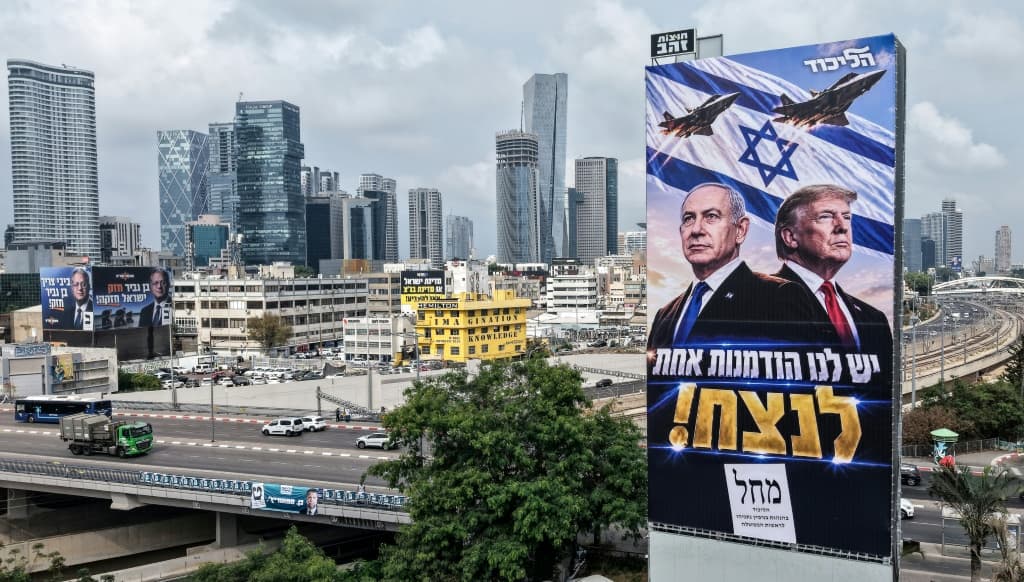
The campaign was defined by security issues: opponents criticized Netanyahu for the unprecedented failure that led to the Hamas attacks of October 7, in which about 1,200 people were killed and 251 taken hostage into Gaza, and demanded an independent commission of inquiry, which Netanyahu long rejected, insisting it would be biased. He positioned himself as 'Mr. Security,' pointing to strategic victories in the wars in the Middle East and his closeness with US President Donald Trump. In the final days of the campaign, Channel 12 reported that Netanyahu had pushed for a military operation that could provoke a confrontation with Iran but met objections from Chief of Staff Eyal Zamir; CNN also reported on his attempt to persuade Trump to launch new strikes on Iran. Netanyahu denied both reports. Another dominant theme was conscription: the government failed to implement the Supreme Court ruling on drafting ultra-Orthodox yeshiva students, which the BBC calls an extremely divisive step against the backdrop of the conscription of thousands of other Israelis. According to the BBC, Eisenkot takes a similar position on Gaza — he promises to end Hamas rule within 18 months through an American settlement plan or by military means.
What comes next
After polls close at 22:00 (20:00 GMT), Israeli television channels will publish exit polls; preliminary results are expected overnight, and official ones by 4 November, according to the Central Elections Committee. Hundreds of thousands of soldiers and reservists are also voting, but a significant portion of their ballots will only begin to be counted on Wednesday — this could become a late advantage for right-wing parties, which, according to the BBC's assessment, enjoy strong support among this group. Separately, it was reported that on 15–16 October, 4,218 of the 4,863 eligible Israelis (86.7%) voted at 101 polling stations in 99 diplomatic missions abroad.
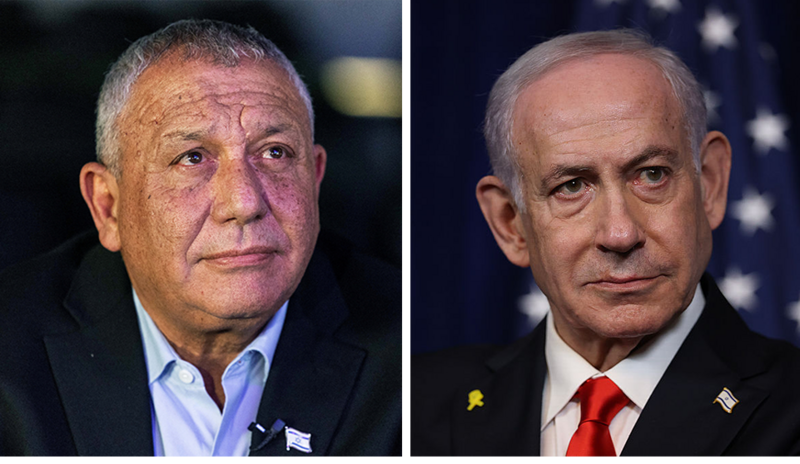 Image source, Reuters / Getty Images
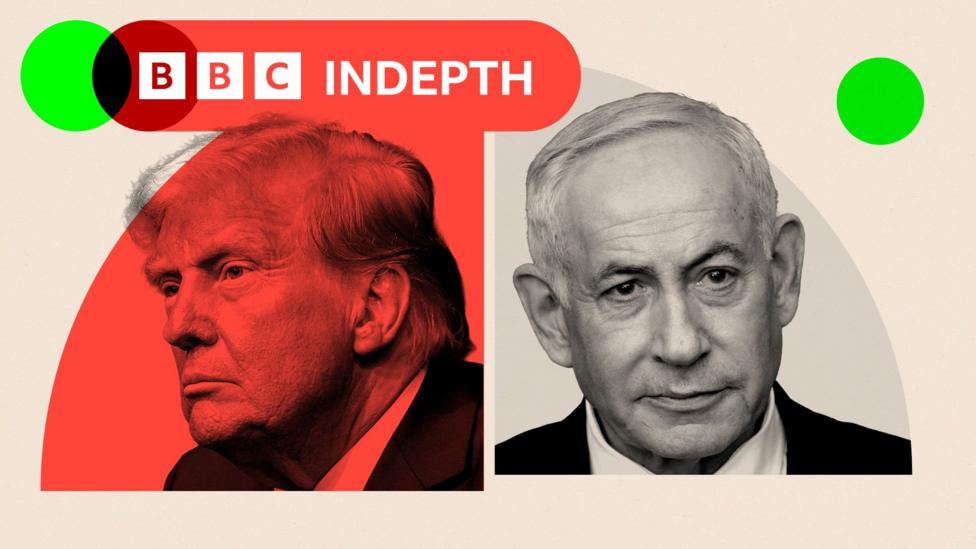
Polling published on Friday suggests Gadi Eisenkot (left) is in a tight race with incumbent Benjamin Netanyahu (right)
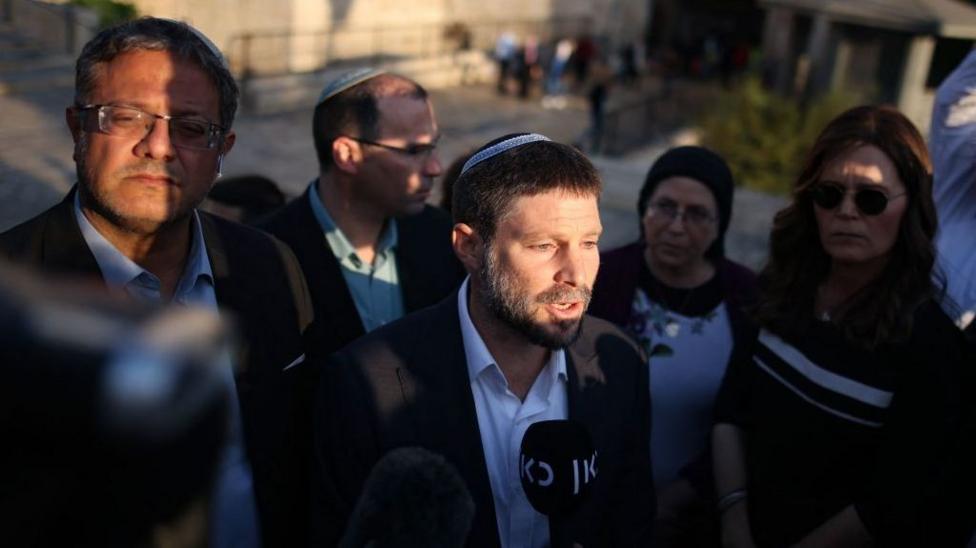 Image source, AFP via Getty Images
Far-right ministers and settlers Itamar Ben Gvir (left) and Bezalel Smotrich (centre) and have been key voices in Netanyahu's government, and lead separate far-right parties
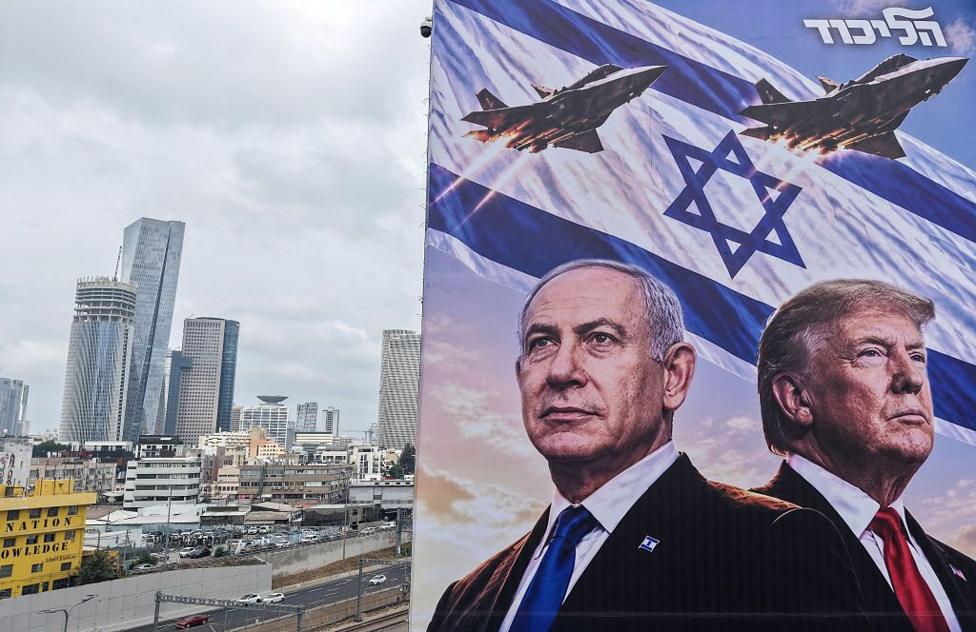 Image source, AFP via Getty Images
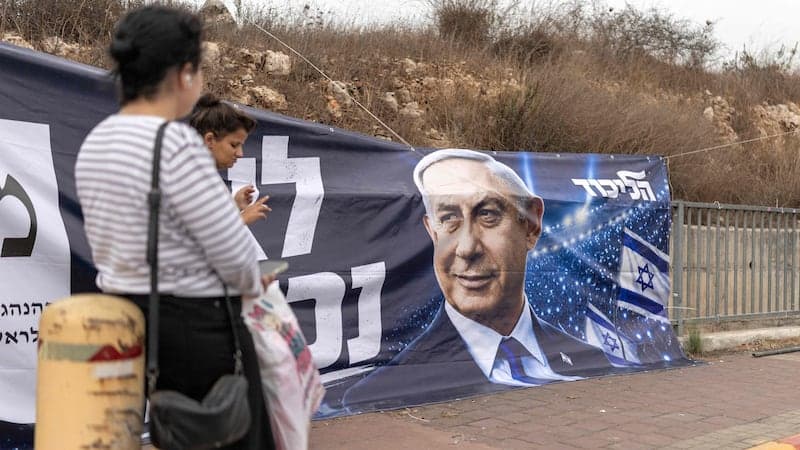
Netanyahu's campaign posters have been emblazoned with an image of him alongside Trump
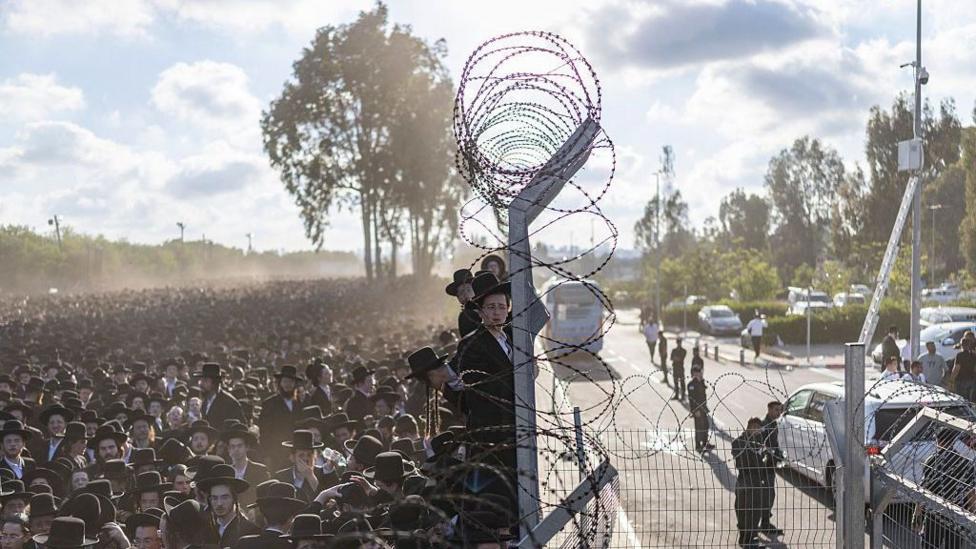 Image source, AFP via Getty Images
Netanyahu is currently in coalition with two ultra-Orthodox parties, who have supported protests against conscription