The key facts
- Israel's first general elections since the Hamas attack of October 7, 2023
- Trump publicly endorsed Netanyahu but, according to media reports, opposed a new escalation with Iran
- INSS experts do not expect fundamental changes in Iran policy regardless of the election outcome
A vote that tests the course on Iran
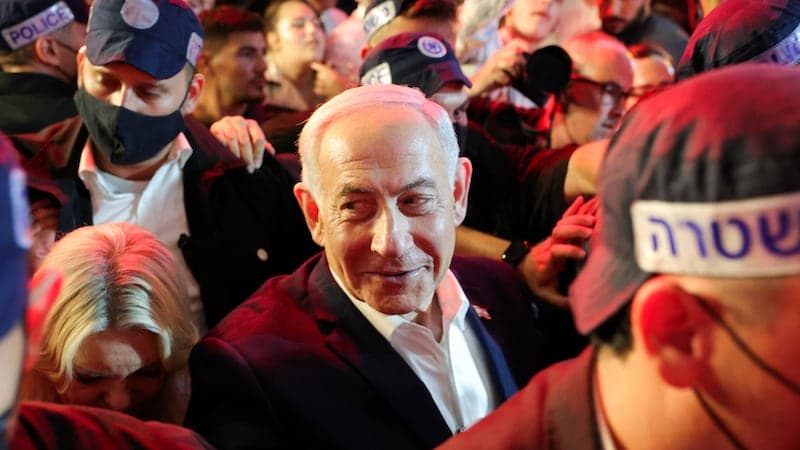
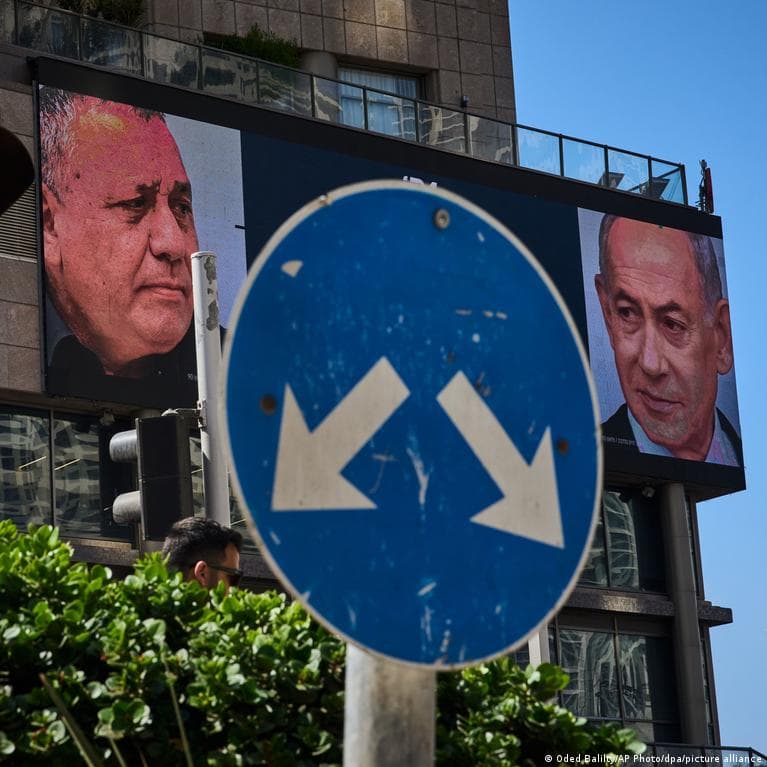
On Tuesday, October 27, Israel holds its first general elections since the Hamas attack of October 7, 2023, which led to one of the deepest security crises in the country's history and, among other things, to Israel's war with Iran. As Deutsche Wellenotes, not only the post of prime minister is at stake, but also how the next government will act in the regional crisis. The incumbent prime minister, Benjamin Netanyahu , is fighting to stay in power; his main rival is former chief of staff of the Israeli army Gadi Eisenkot, who leads the leading centrist party Yeshar.
Trump's position and reports of disagreements
US President Donald Trump recently publicly endorsed Netanyahu as a “warrior prime minister” and warned that any other choice would affect Israel's alliance with Washington. “If Israel has the wrong leader — and that's anyone but Bibi — America will have to do the job itself, and I'm not inclined to do that,” Trump wrote, referring to the Iranian conflict. Meanwhile, according to The Financial Times, cited by DW, the Israeli army intended to launch a new strike around October 10 on Iran's nuclear facilities, centers of power and energy infrastructure, but Trump opposed escalation before the US midterm elections on November 3. The Jerusalem Post later questioned this account, reporting that the army had no specific directive for such an operation.
Experts: there will be no reversal
Raz Zimmt, head of the Iran program at the Tel Aviv Institute for National Security Studies (INSS), believes the gap between the two candidates is not deep enough to speak of a “fundamental change in Tel Aviv's approach to Tehran”: the differences among left, right and centrist factions in perceiving the Iranian, above all nuclear, threat are small. In his view, any military escalation against Iran depends “on the decision of the US president” more than on the personality of the Israeli prime minister. His colleague Danny Citrinowicz adds that even if Netanyahu leaves, his influence and the policies shaped over recent years will not disappear. This is key context for the reader: the outcome of the vote will likely change Iran policy less than Washington's position will.
The Iranian threat and a diplomatic opportunity
Experts link the current consensus on Iran to the October 7 attack: before it, according to Navid Tobian of the Middle East Media Research Institute, many believed the Islamic Republic should be handled “in a limited and managed way,” and Tehran's slogans about destroying Israel were seen as a domestic mobilization tool. Damon Golriz, a researcher at The Hague Institute of Geopolitics, describes three vectors of current US and Israeli policy: eliminating Iran's leadership, industrial and infrastructure collapse, and, in his words, “geographic scissors” relying on Kurdish and Baloch separatists. For its part, Reuters , citing Iranian officials, reported that Tehran has prepared detailed plans for retaliatory strikes, including destroying undersea fiber-optic cables in the Persian Gulf and the Strait of Hormuz and attacks on data centers and AI infrastructure in the region. Golriz also recalls a diplomatic opportunity from six months ago: under the Islamabad agreements , Tehran committed never to start a war against Israel, which, in his words, could have been the “beginning of the end” of the “Death to America” slogans. Citrinowicz, however, assesses the readiness of Israeli elites for diplomacy skeptically: “A return to the nuclear deal has no place right now on the Israeli political arena.”