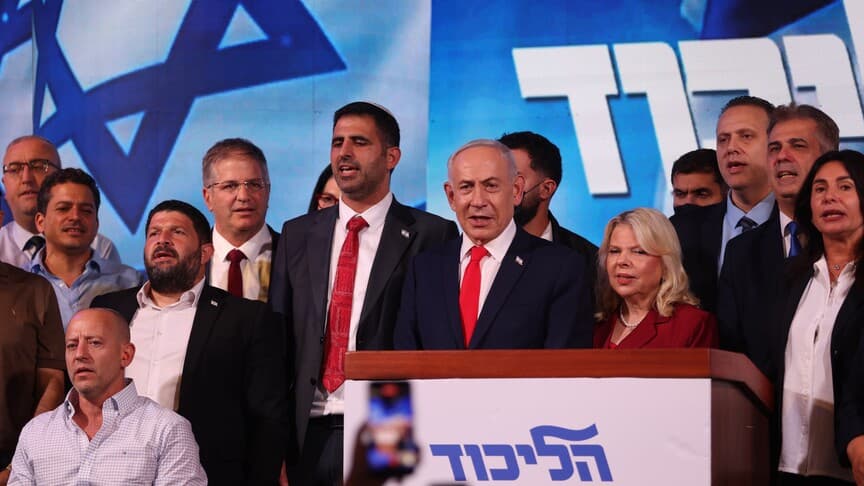
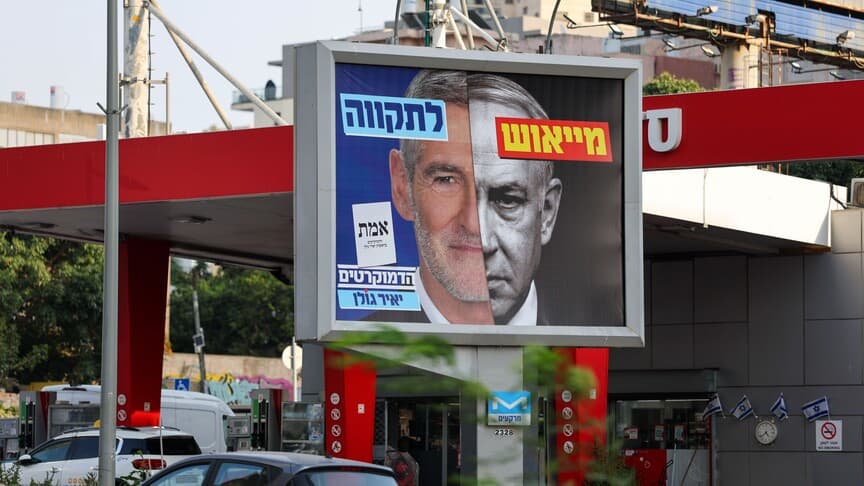
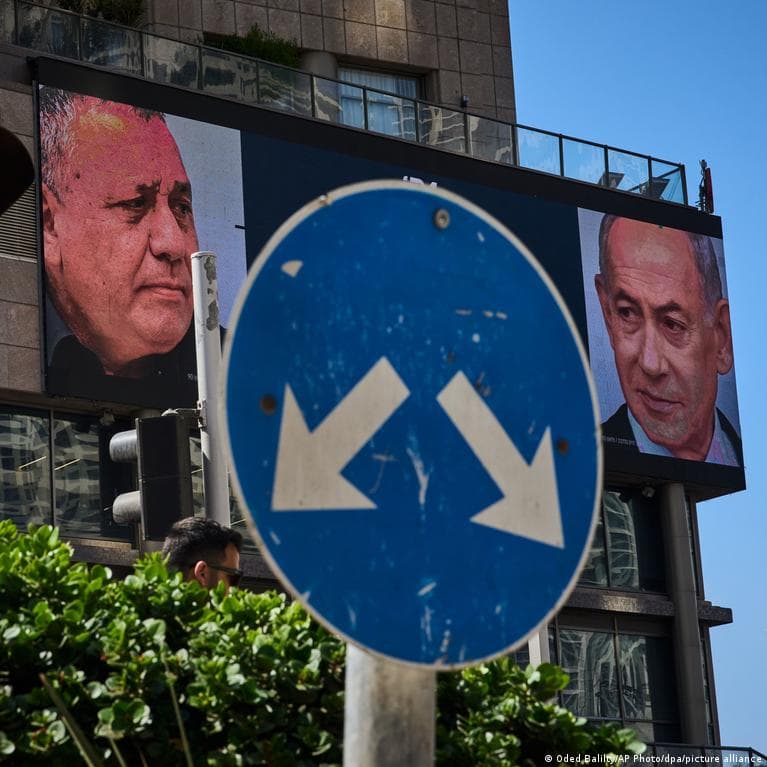
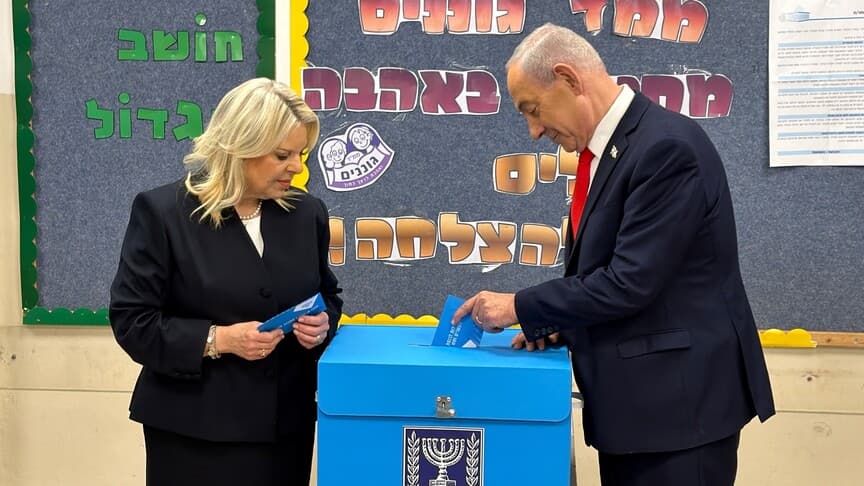
Following the elections, neither Benjamin Netanyahu's bloc nor Gadi Eisenkot's opposition reaches the threshold of 61 seats out of 120. Arab parties, which sharply increased their representation, could play a key role. President Isaac Herzog urged avoiding a repeat vote.
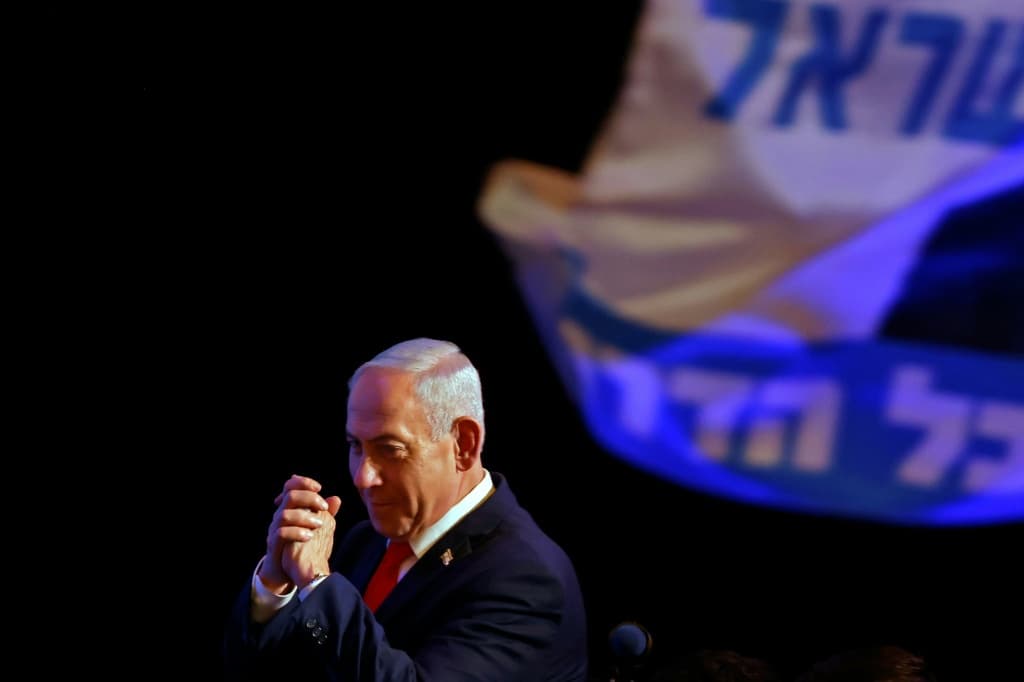
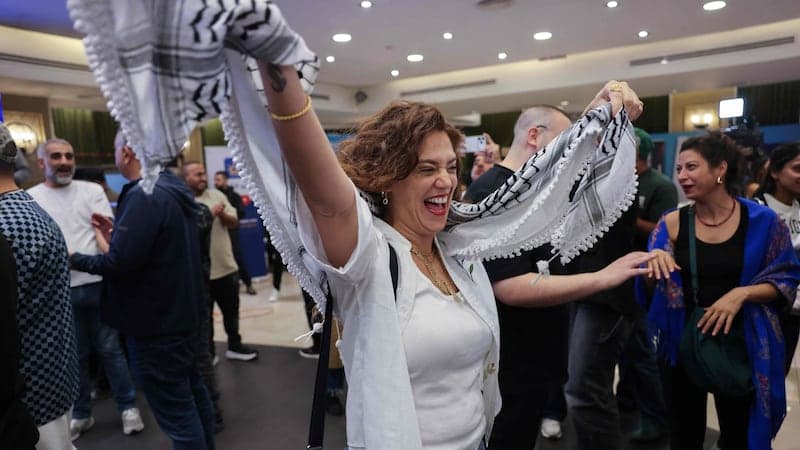
After most votes were counted in Israel's general election, the Arab parties — the Joint Arab List and Ra'am — won a record 18 of the Knesset's 120 seats. Although neither of the two main contenders for prime minister is likely to include them in a coalition, high Arab voter turnout, according to analysts, denied Benjamin Netanyahu a path to a single-party majority and may push him toward a government of national unity.
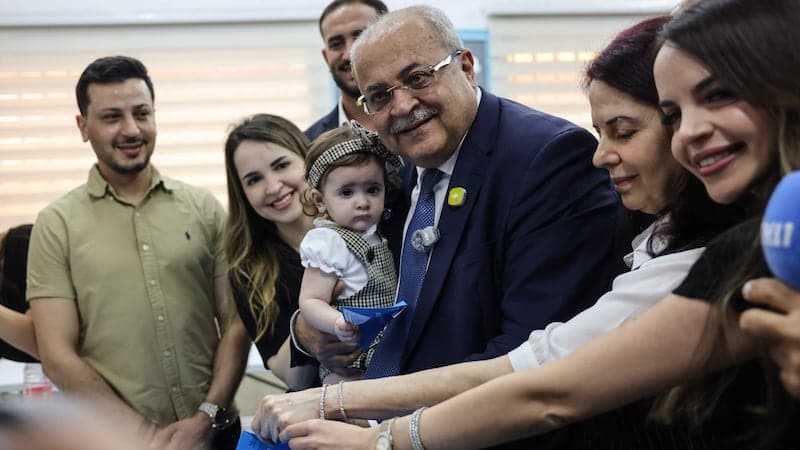
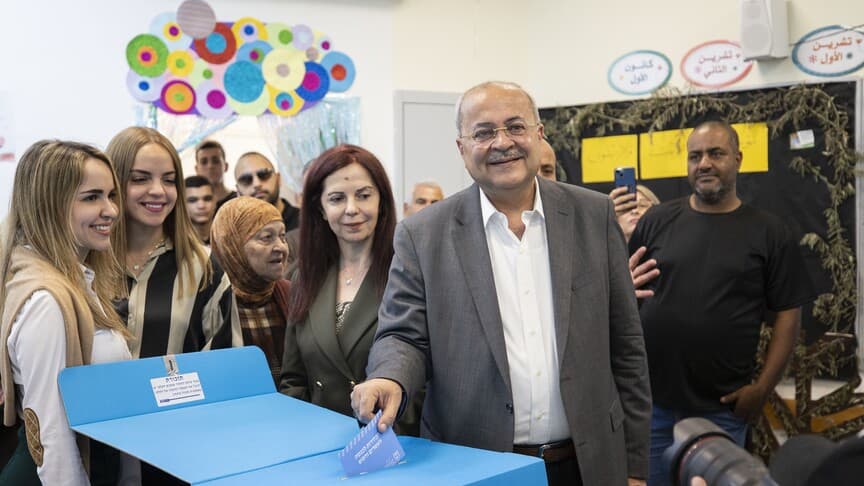
Joint List leader Ahmad Tibi announced readiness to support Gadi Eisenkot's opposition bloc to unseat Netanyahu's government. With 84.5% of votes counted, Netanyahu's bloc receives 54 of 120 mandates — seven short of a majority.
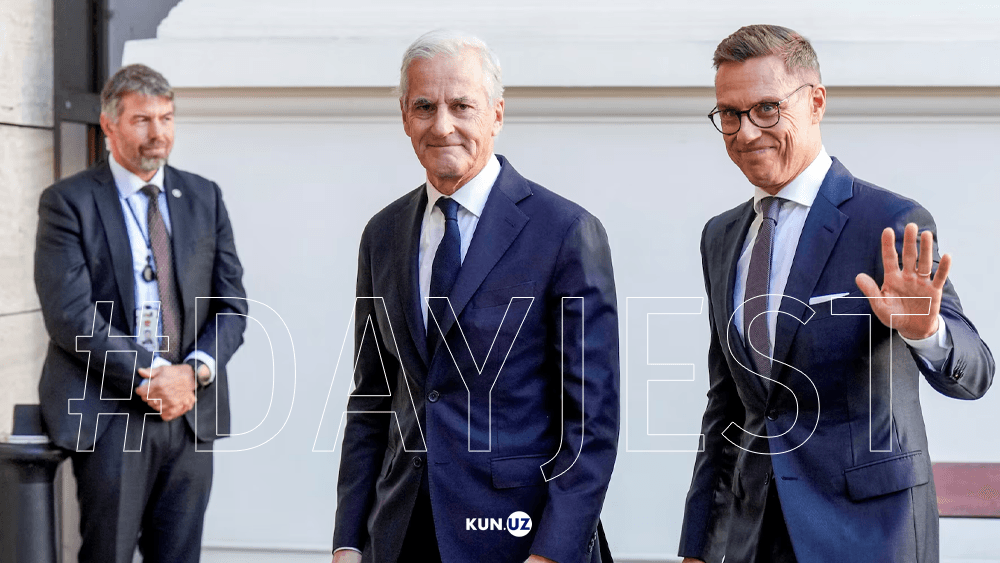
According to exit polls, Benjamin Netanyahu's Likud party leads with 27 seats, but neither his bloc nor the opposition of Gadi Eisenkot gains a majority in the 120-seat Knesset. Turnout was the highest since 1999. The same day, the presidents of Finland and Norway discussed ending the war in Ukraine with Vladimir Putin, linking the initiative to talks in Abu Dhabi.
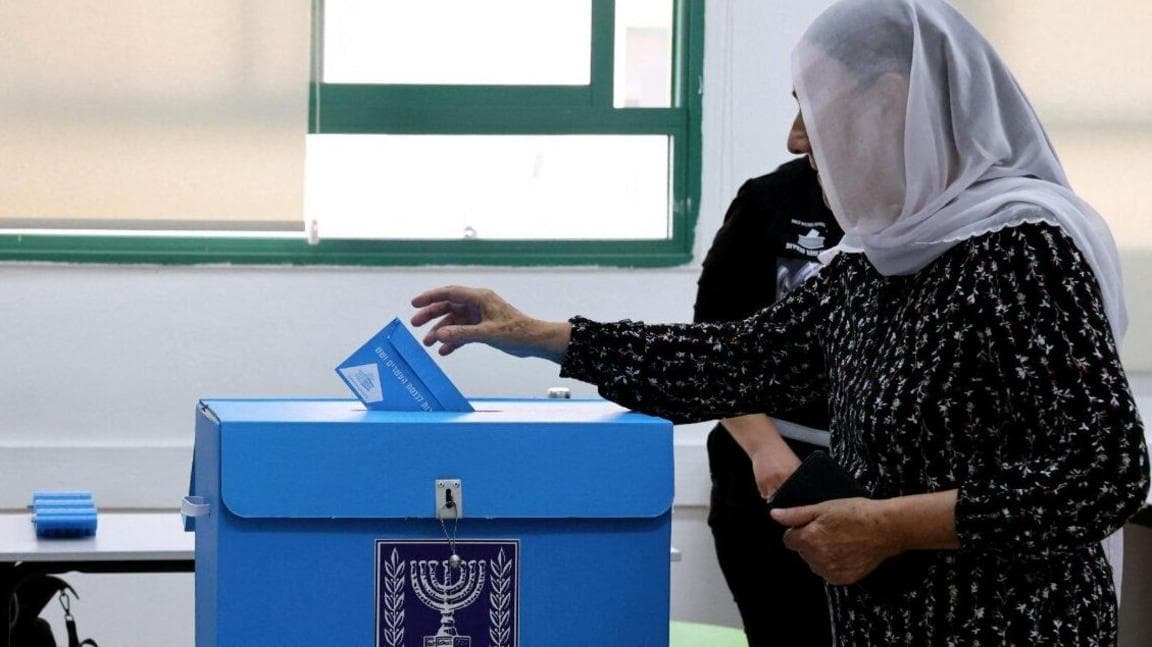
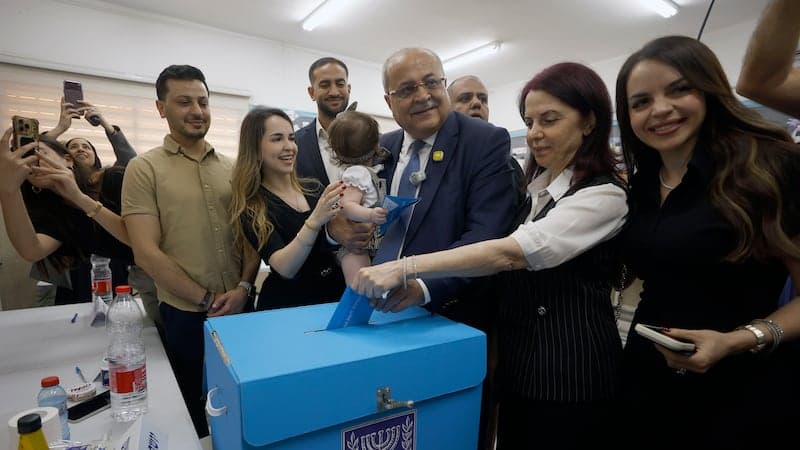
In Israel's election, turnout among Palestinian citizens of Israel reached about 80%, and Arab parties expect a record 17–18 seats in the Knesset. This could make them key players in forming a coalition against Benjamin Netanyahu, although official results are still being counted.
After about 52% of ballots were counted, Benjamin Netanyahu's bloc holds 55 of 120 seats, Gadi Eisenkot's opposition bloc holds 49, and the Arab parties hold 16. Neither camp has yet reached a majority, and both leaders have declared their readiness to form a government. Full results are expected by Thursday or Friday.
According to preliminary BBC figures, Netanyahu's bloc falls short of the 61 seats needed in the Knesset, while the Arab lists delivered a record result and could become 'kingmakers'. Final results are delayed due to uncounted military ballots. According to preliminary BBC data, Netanyahu's bloc falls short of the 61 seats needed in the Knesset, while the Arab lists achieved a record result and could become 'kingmakers'. Final results are delayed due to uncounted military ballots.
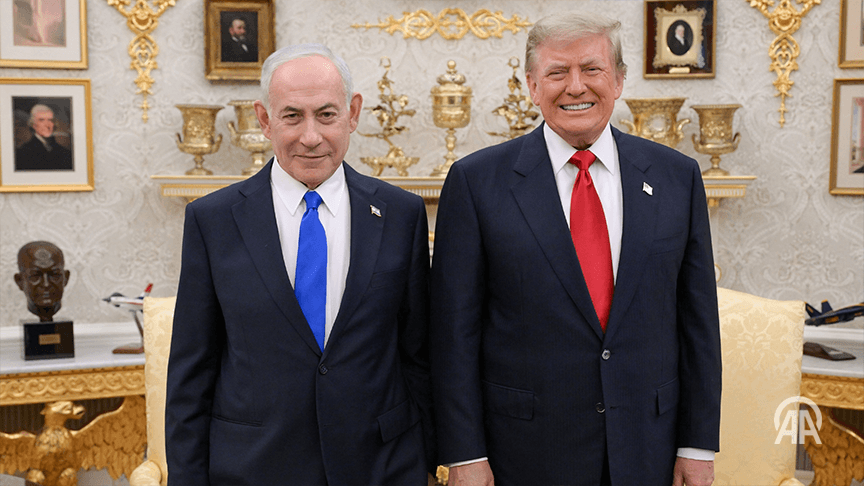
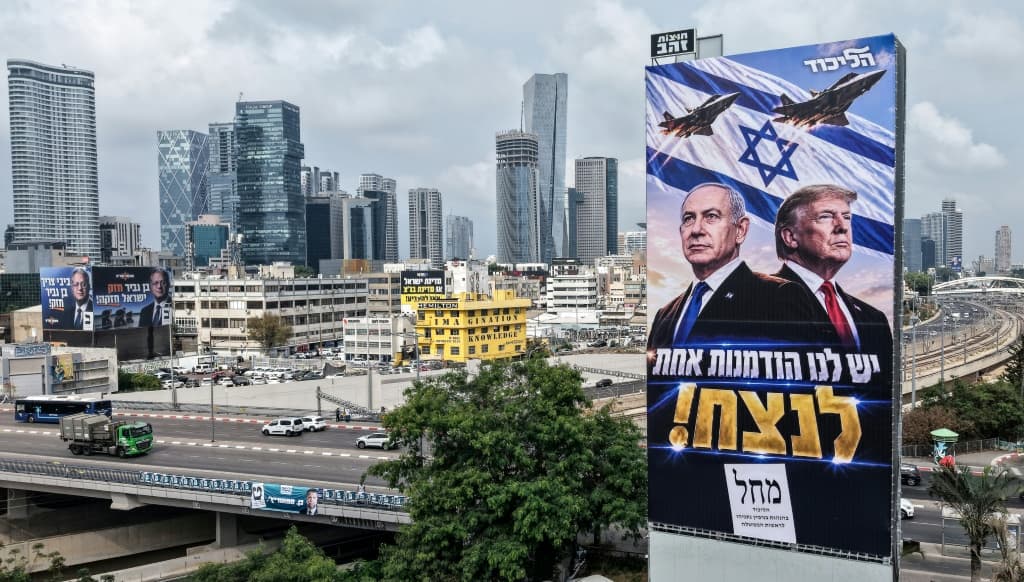
Donald Trump claims that his support contributed to Benjamin Netanyahu's result in Israel's parliamentary elections. According to preliminary data, with 48% of ballots counted, Netanyahu's bloc is projected to receive about 55 seats, falling six short of a majority in the Knesset.
According to exit polls, the blocs of Benjamin Netanyahu and Gadi Eisenkot each received about 51 mandates — below the threshold of 61 seats. Both politicians claimed the right to form a government; Arab parties gained strength sharply, and the outcome may depend on their external support.
According to preliminary counts, Benjamin Netanyahu's bloc is receiving about 57 mandates out of 120 — four fewer than a parliamentary majority. Gadi Eisenkot's opposition bloc has 47, while the Arab parties, with 16 mandates, could become decisive in forming a government.
According to Yedioth Ahronoth, with about 28% of votes counted, Benjamin Netanyahu's bloc leads the opposition 50.4% to 49.6%. Neither bloc has yet secured the 61 seats needed in the Knesset. Turnout reached 77.7% — the highest since 1999.
According to Israel's Central Elections Committee, 16.8% of votes have been counted: Prime Minister Benjamin Netanyahu's Likud party receives 24.1%, while Yair Eisenkot's Yashar party gets 16.1%. Exit polls give neither bloc a majority of 61 seats. Turnout is 77.7%, the highest since 1999.
According to exit polls by Israeli TV channels, neither Gadi Eisenkot's bloc nor Benjamin Netanyahu's coalition reaches the majority of 61 Knesset seats. Likud remains the largest party, and the Arab parties, with a record result, could become the arbiter in coalition formation. Turnout was the highest in decades, with final results not expected before Thursday. According to exit polls by Israeli television channels, neither Gadi Eisenkot's bloc nor Benjamin Netanyahu's coalition is winning a majority of 61 seats in the Knesset. Likud remains the largest party, while the Arab parties, with a record result, could become the kingmaker in coalition formation. Turnout was the highest in decades, with final results not expected before Thursday.
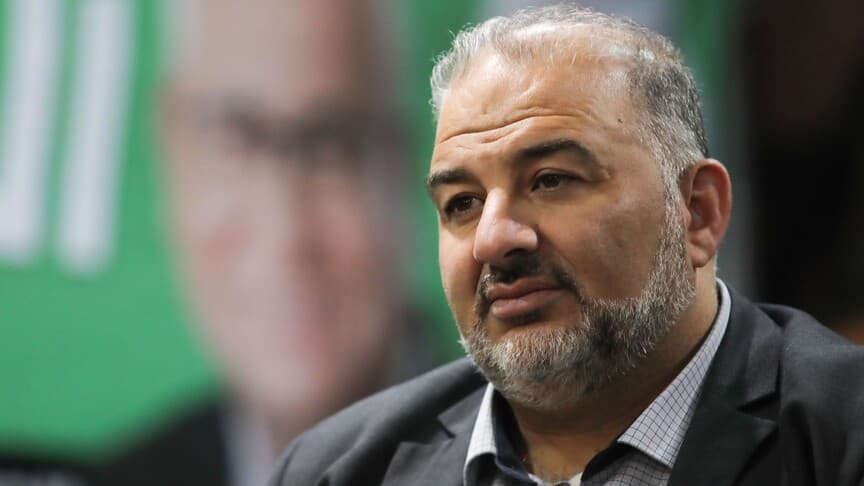
Mansour Abbas, leader of the United Arab List (Raam), said after Israel's election that he hopes to secure, together with the opposition bloc, the 61 seats needed to replace Benjamin Netanyahu's government. According to a Channel 12 exit poll, neither bloc won a majority, and turnout among Arab voters reached 80%.
On Tuesday, Israel holds its first general election since the Hamas attack of October 7, 2023. The contest is between Benjamin Netanyahu and Gadi Eisenkot, but experts do not expect a sharp reversal in Iran policy: in their view, key decisions are made in Washington. On Tuesday, Israel holds its first general elections since the Hamas attack of October 7, 2023. The contest is between Benjamin Netanyahu and Gadi Eisenkot, but experts do not expect a sharp reversal in Iran policy: key decisions, in their view, are made in Washington.
Israel's elections saw the highest turnout since 1981, largely thanks to Arab voters. Arab parties could win up to 16 seats in the 120-seat Knesset and become potential 'kingmakers' in forming a coalition.
Voter turnout in the Knesset elections reached a record 55.7% by 16:00, compared to 47.5% in the previous elections. Netanyahu and right-wing ministers urgently called on supporters to vote, fearing high turnout among Arab voters. According to polls, no bloc was guaranteed the 61 seats needed to form a government.
Israel is voting in the first elections since the October 7, 2023 attacks. According to a Chatham House expert's assessment, even if the opposition wins, Netanyahu could lead a transitional government for months with powers over military decisions, including possible action against Iran.