The key facts
- Turnout by midday was the highest since 1981; in Arab areas it could rise from 50% to more than 70%
- Arab parties could increase their Knesset representation from 10 to 16 seats out of 120
- Gadi Eisenkot's bloc is expected to fall short of the 61 seats needed for an absolute majority, raising the weight of Arab parties
Record turnout and Arab voters
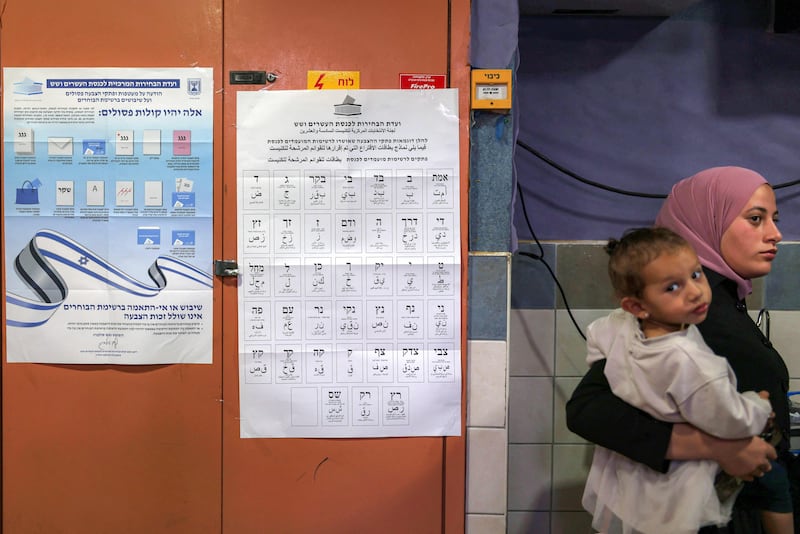
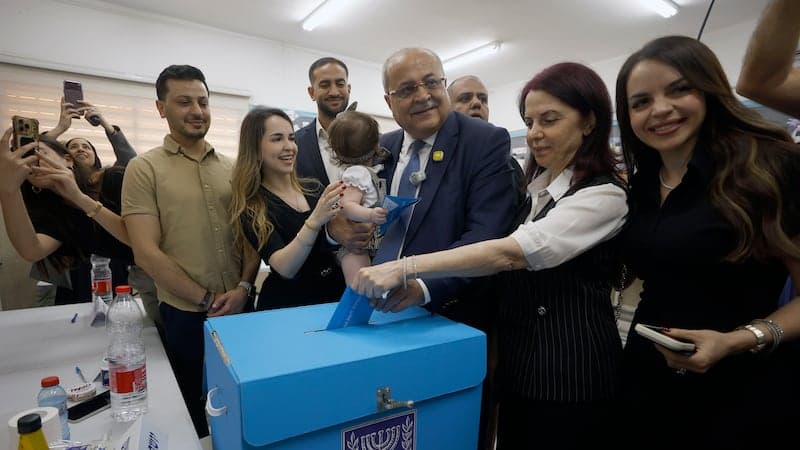
Turnout at Israel's parliamentary elections by midday was the highest since 1981, and this was fully reflected in Nazareth — an almost entirely Arab city with Muslim and Christian populations. Voters at a polling station in the Nazareth Baptist School spoke of their desire for change after more than three years of 'catastrophe' for Arabs in Israel following the October 7 attacks, The National reports.
What high turnout changes
The Arab minority makes up a fifth of Israel's 10-million population, but has previously had minimal influence on the country's politics. According to political sources, turnout in Arab areas could be 'astronomical' — rising from 50% to more than 70%. Arab parties are projected to win up to 16 seats in the 120-seat Knesset instead of the current 10: Mansour Abbas's conservative Ra'am party and the 'Joint List' of three parties, which could become 'kingmakers' in forming a government.
The balance for blocs
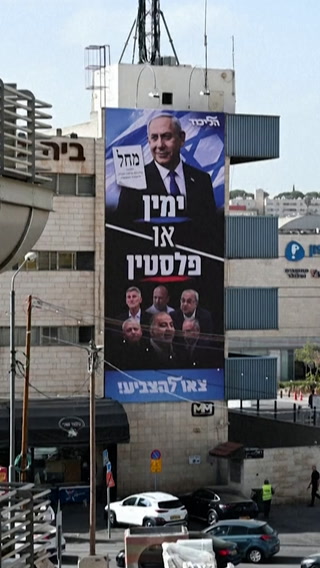
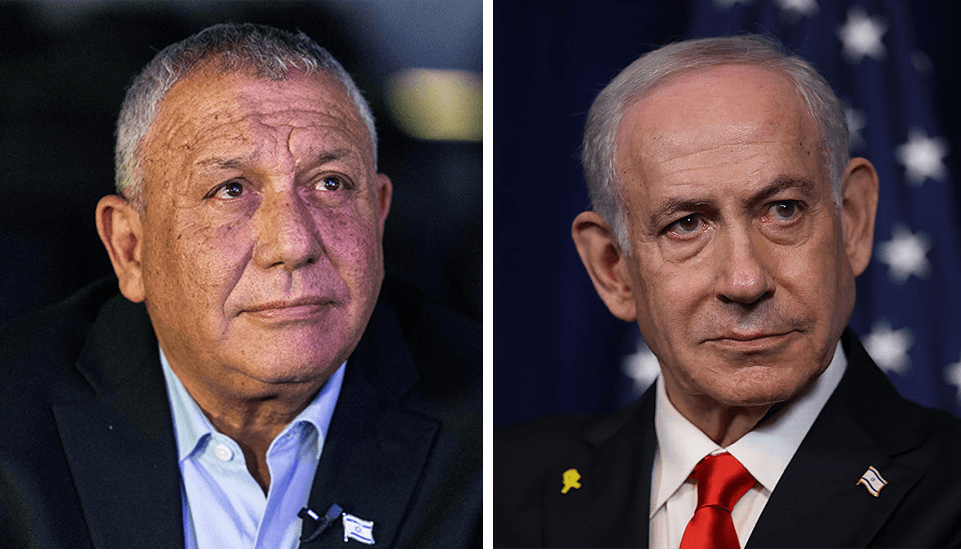
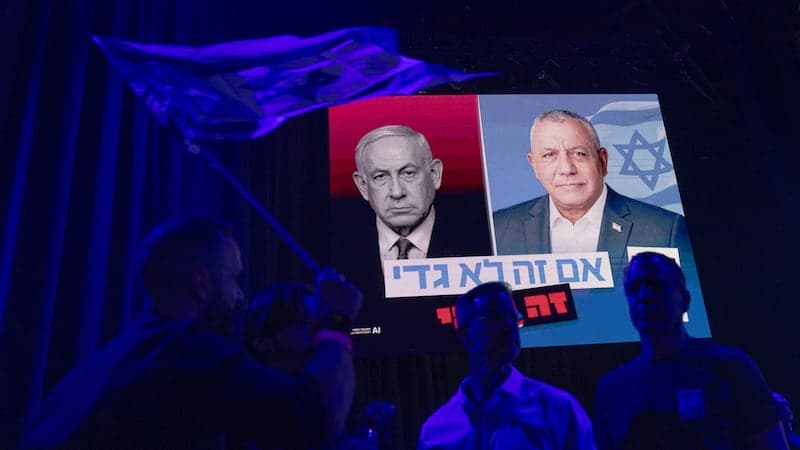
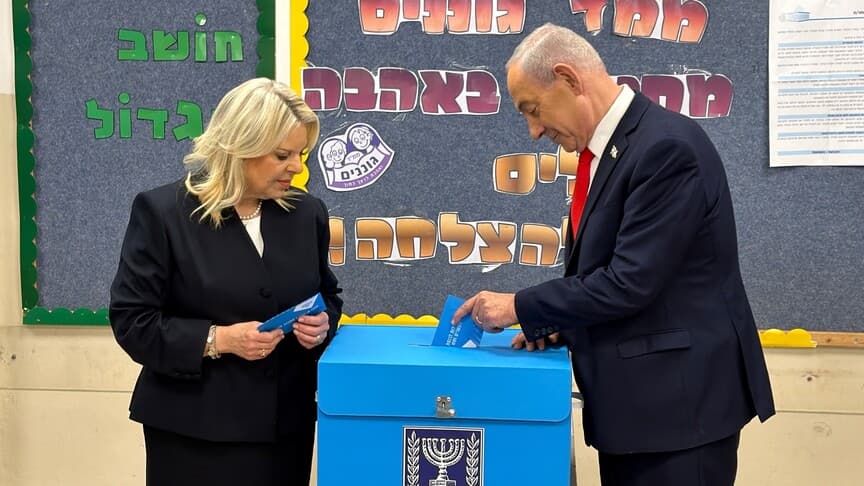
The anti-Netanyahu bloc led by Gadi Eisenkot is expected to fall short of the 61 seats needed for an absolute majority, and will require the support of Arab parties — either in a coalition or through tolerance of a minority government. High Arab turnout also raises the 3.25% threshold for entering the Knesset, which could hurt small far-right parties and further weaken Benjamin Netanyahu's bloc. The prime minister himself called on his supporters to go to the polls, noting 'huge queues' at polling stations in Arab areas and saying that 'the future of our Jewish state hangs by a thread'.
Motives and difficulties at the polls
Voters gave different reasons for coming to the polls: Hasar Zoabi, who voted for the 'Joint List', spoke of the need to use the democratic right to influence politics 'for good'; a civil servant who declined to give his name spoke of fear and a sense of insecurity; Simona Fashani was voting for the first time so that 'Arabs regain their positions'. Elderly voters complained that the ballots were only in Hebrew and mentioned intimidation attempts by Jewish settlers who came to their homes. Polling stations were guarded by reinforced police units, but the queues were calm.
Context and uncertainty
The National notes that the Arab population faces rising crime — one of the highest murder rates in the world — under a police force led by the far-right politician Itamar Ben-Gvir, as well as mass home demolitions in the Negev region. At the same time, even high turnout does not guarantee influence: centrist Zionist parties may fear a coalition with Arab parties because of the reaction of Jewish voters. Lengthy coalition negotiations are expected after the vote, and the final configuration of the government remains unknown.