The key facts
- Exit polls: Likud — 27 seats, Eisenkot's party — 20–22, but neither bloc has 61 seats in the Knesset
- Turnout of 77.7% — the highest since 1999; Arab parties could win a record 18–19 seats
- Stubb and Støre spoke with Putin for 90 minutes and urged him to stop the war; the Kremlin said its position was unchanged
Israel's parliamentary election produced no winner
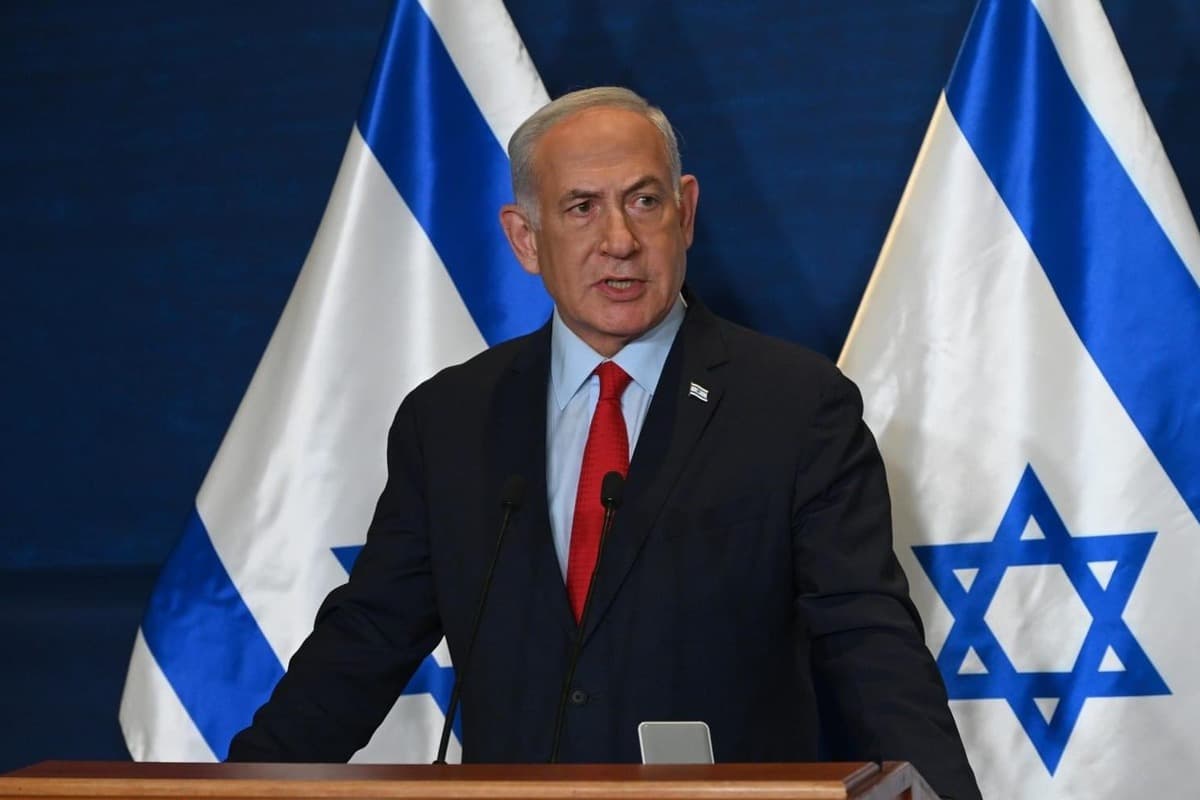
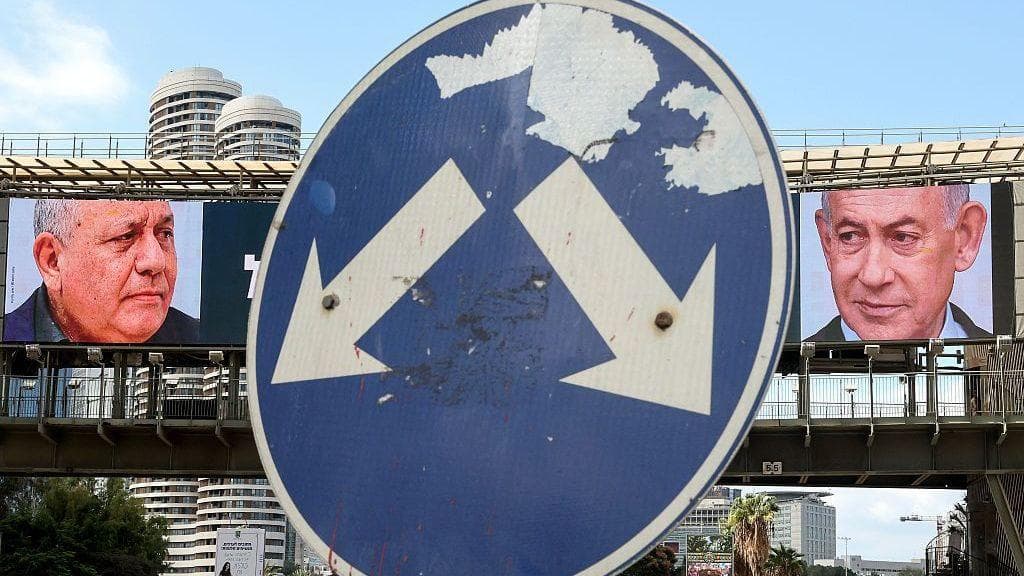
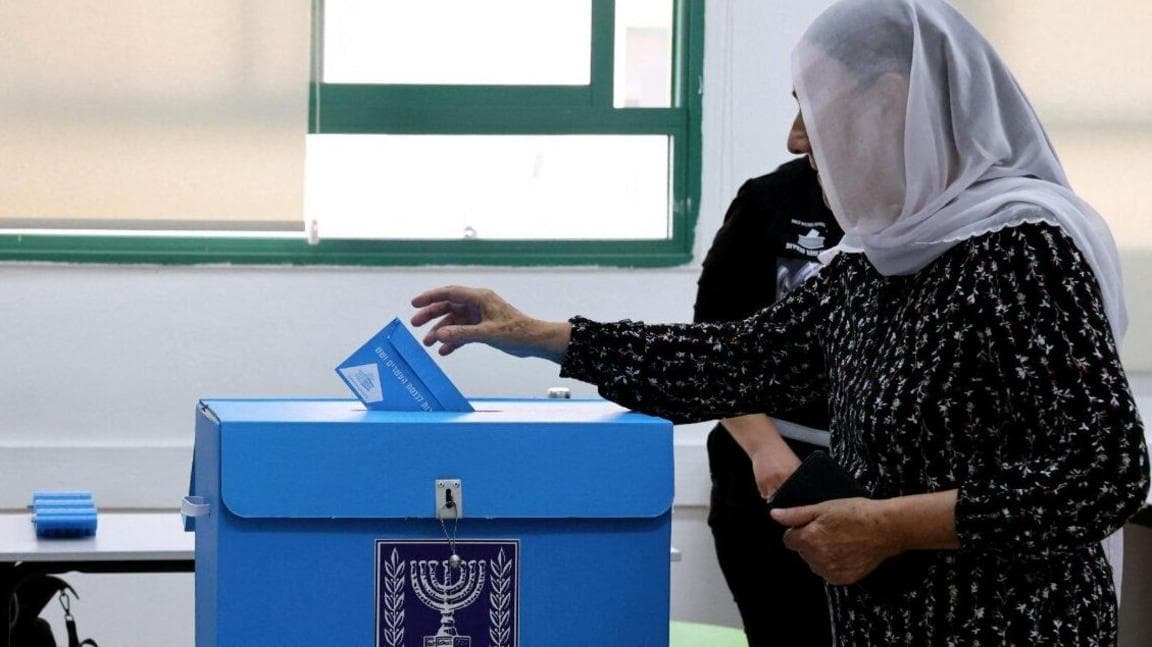
Parliamentary elections were held in Israel on 27 October, and according to exit polls, no bloc won enough seats to form a government. According to Reuters, as reported by Kun.uz, turnout was 77.7% — the highest since 1999. The party of incumbent Prime Minister Benjamin Netanyahu, Likud, leads with 27 seats, while the party of former Chief of the General Staff Gadi Eisenkot, Yashar, is expected to take 20–22 seats. However, in the 120-seat Knesset, neither Netanyahu's bloc nor the opposition led by Eisenkot reaches 61 seats. Arab parties, according to projections, could win a record 18–19 seats.
What comes next under Israel's procedure
The official count is ongoing; final results will be known within several days. Netanyahu said it is necessary to form a 'strong, right-wing, national government' and stated that it is 'absolutely impossible' to form a government relying on 'anti-Zionist Arab parties.' Eisenkot, for his part, said the people voted for change and called on Netanyahu to resign. Both leaders had previously ruled out a coalition with Arab parties. Under the procedure, after the results are announced, the President of Israel will hold consultations with the parties and task one of the candidates with forming a government, allowing 42 days for this.
European leaders called Putin
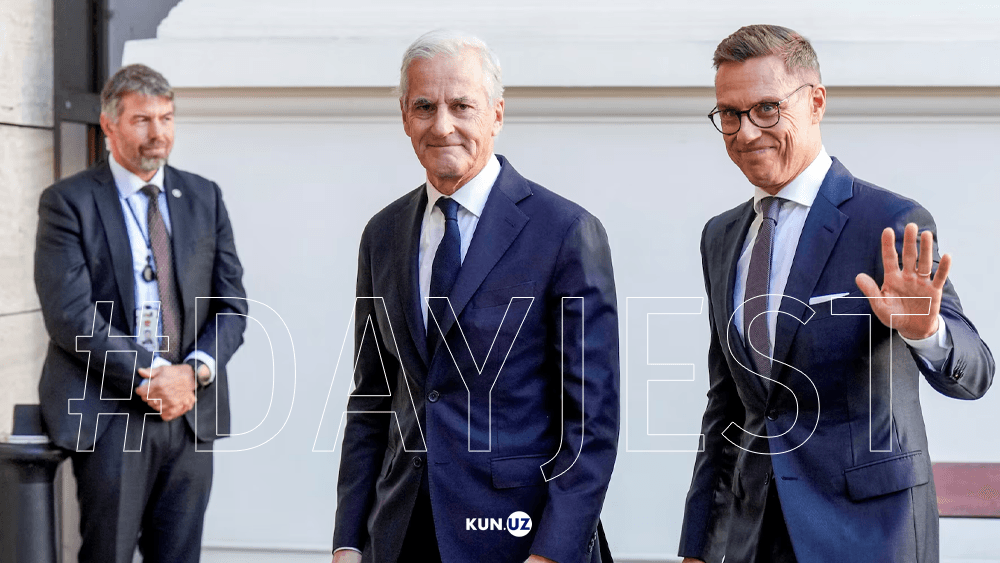
On the same day, 27 October, President of Finland Alexander Stubb and Prime Minister of Norway Jonas Gahr Støre called Russian President Vladimir Putin and urged him to end the war in Ukraine. According to Støre, the call lasted about 90 minutes, after which the two leaders also spoke with Ukrainian President Volodymyr Zelensky. They linked the initiative to talks between representatives of Russia, Ukraine and the US expected in November in Abu Dhabi — the first meeting of the parties since February. 'We are neighbours of Russia. The outcome of this war directly affects our security and that of all of Europe,' Stubb said. According to the source's assessment, the Kremlin's statement showed no softening of Putin's position: according to it, a just and long-term settlement is possible only with 'full and unconditional' consideration of Russia's legitimate interests.