The key facts
- Neither bloc reaches the majority threshold of 61 seats: Netanyahu has 53–54 seats and the opposition 48–49, according to AFP
- Arab lists, according to AFP, increase their representation to 17–19 seats
- President Herzog urged the sides to avoid new elections
Neither bloc has won a majority
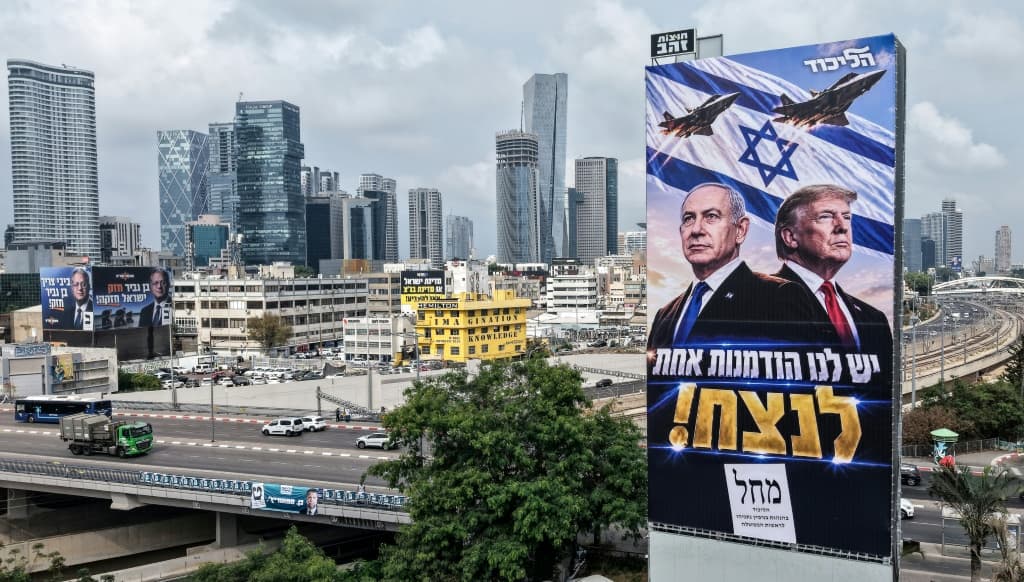
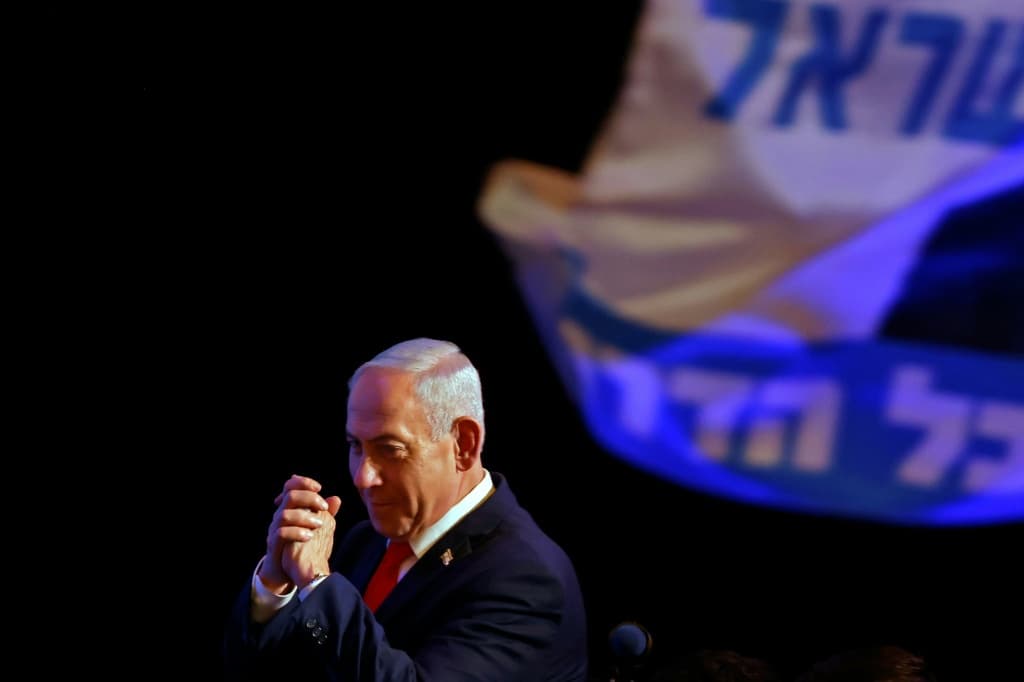
The Knesset elections, the first since the October 7, 2023 attack and the ensuing war in Gaza, have produced no winner. According to AFP, both camps — incumbent Prime Minister Benjamin Netanyahu, relying on right-wing, far-right and ultra-Orthodox parties, and former chief of staff Gadi Eisenkot leading a broad opposition — declared their intention to form the next government, but neither reaches the threshold of 61 seats out of 120. Two AFP dispatches published a few hours apart give slightly different interim figures: with 77% of ballots counted, Netanyahu's bloc has 54 seats against 49 for the opposition, and with 85% counted, 53 against 48. The final results may still change.
Arab parties — possible 'kingmakers'
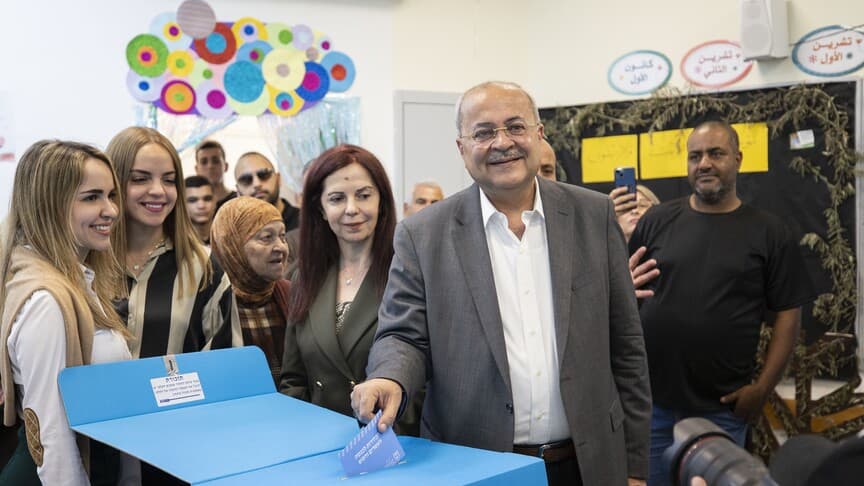
AFP calls the Arab lists the only clear winner: by the agency's various counts, their representation rises from its previous level to 17 seats, and, according to a later count, to 19. Arab citizens of Israel, who make up about 20% of the population, were outraged by the Netanyahu government's ultranationalist vision of the country. The leader of the left-wing Joint List, Yousef Jabareen, said that 'anyone who wants to offer a real alternative to Netanyahu's blood-soaked government will have to talk to us.' Within the Eisenkot camp, positions differ: the head of the main center-left party, Yair Golan, was the first to call for an alliance with the Arab lists, saying that 'Netanyahu's racist division of votes into Jewish and Arab can no longer be accepted,' but the bloc also includes right-wing politicians who categorically reject cooperation with Arab deputies. Eisenkot himself had previously resisted such an alliance. Another option is possible, in which Arab deputies support Eisenkot in individual votes without joining the coalition, although, according to AFP, few observers believe such an arrangement would last.
What next: negotiations, the president and the Iranian factor
The absence of a clear majority means weeks of coalition negotiations and, if they fail, the possibility of new elections. President Isaac Herzog, who will have to decide whom to task with forming a government, called on the sides to do everything possible to 'avoid another round of elections' and, according to reports, supports a government of national unity, although Eisenkot has publicly ruled out serving with Netanyahu. The deadlock benefits Netanyahu in the short term, as he will remain caretaker prime minister until a new cabinet is formed. Both leaders, AFP notes, have signaled that another factor looms on the horizon — a possible joint attack on Iran with the United States: Netanyahu spoke of a 'unique opportunity' with Donald Trump to 'eliminate Iran's existential threat forever,' while Eisenkot warned the heads of the security services that they must serve the national interest, not the political needs of a prime minister 'without a mandate.' Political scientist Gideon Rahat of the Hebrew University of Jerusalem summed it up: 'Perhaps everyone lost in these elections except the Arab parties. And for the Arab parties it is unclear whether they will be able to capitalize on their huge success.' In Gaza itself, where Netanyahu is wanted by the International Criminal Court over the war, residents, according to AFP, expressed uncertainty: displaced resident Huda al-Khuli said she fears 'that these elections may lead to an even worse leader, more brutal and bloodthirsty.'