The key facts
- Turnout among Palestinian citizens of Israel reached about 80%, despite historic apathy toward elections
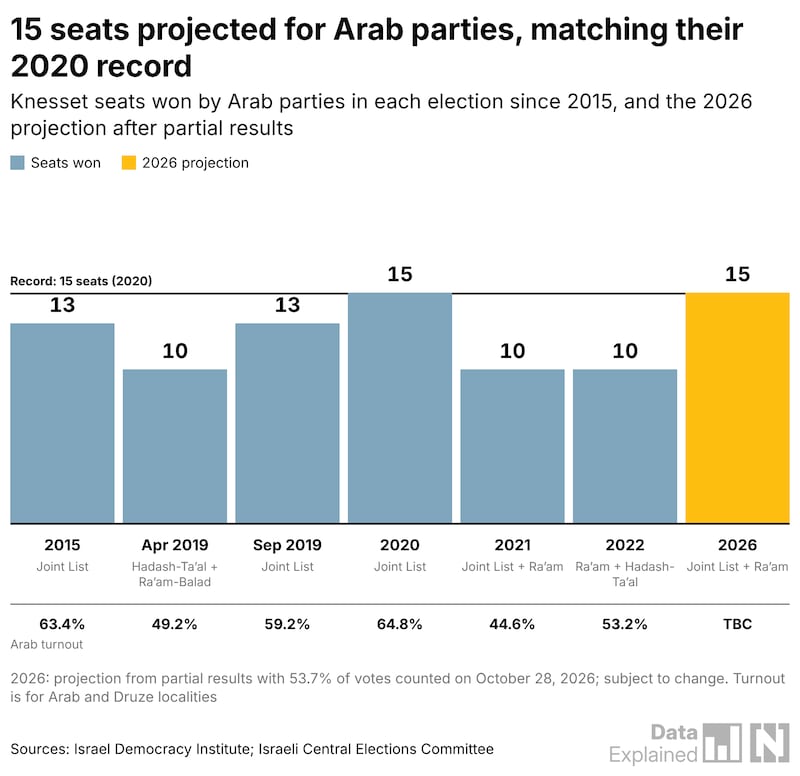
- Arab parties may win a record 17–18 mandates in the Knesset
- Democratic Party leader Yair Golan said a coalition with more than 61 mandates is possible to change the government
Record turnout and mandates
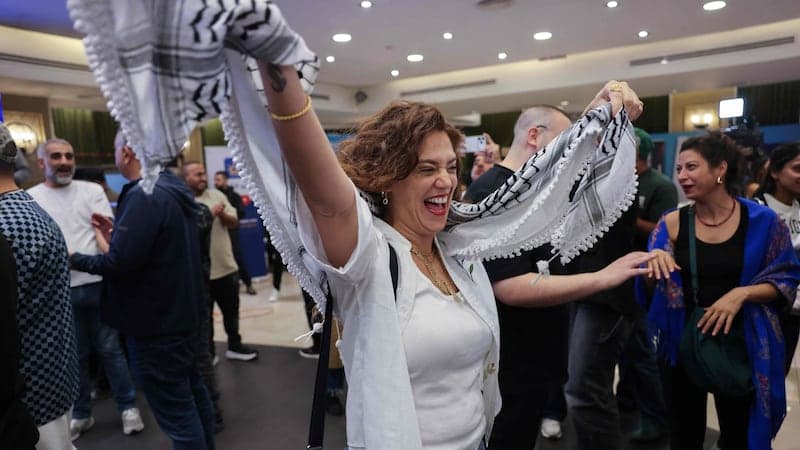
In Tuesday's election in Israel, Palestinian citizens of the country — about 20% of the population — showed an unprecedented turnout of around 80%, overcoming their historic apathy toward Israeli elections. According to The National, Arab parties expect to win a record 17–18 seats in the Knesset, which could prove decisive: Jewish parties that previously ignored them may now rely on these votes to form a coalition capable of removing Prime Minister Benjamin Netanyahu from power.
Statements by politicians
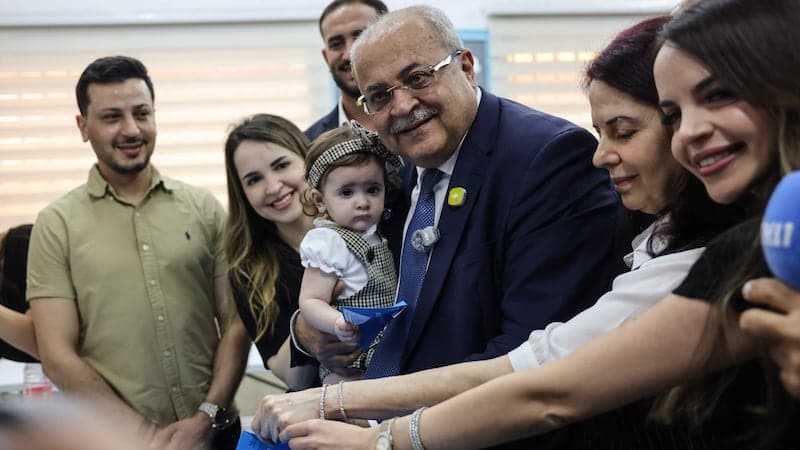
Hadash-Ta'al (Joint List) chairman Yousef Jabareen said the party now represents 'a large, strong list that cannot be ignored' under any political scenario, listing priorities: violence and crime, the demolition of homes and entire villages in the Negev, racism, the housing shortage, and attacks on young Arabs. Democratic Party leader Yair Golan — the only Zionist politician to openly call for working with Palestinian-Israeli voters — wrote on X that 'we have no future if we do not stop being afraid and abandon racism,' and said a coalition with more than 61 mandates is now possible: 'We have the opportunity to form a government of change in partnership with Arab citizens of Israel.'
What drove the turnout
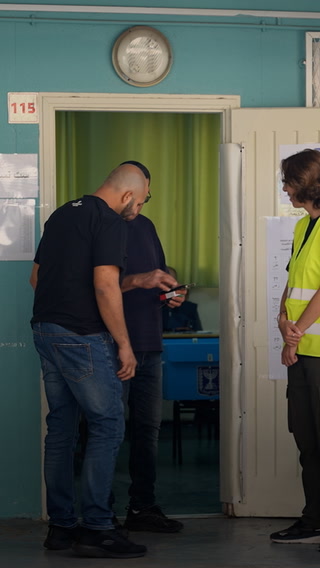
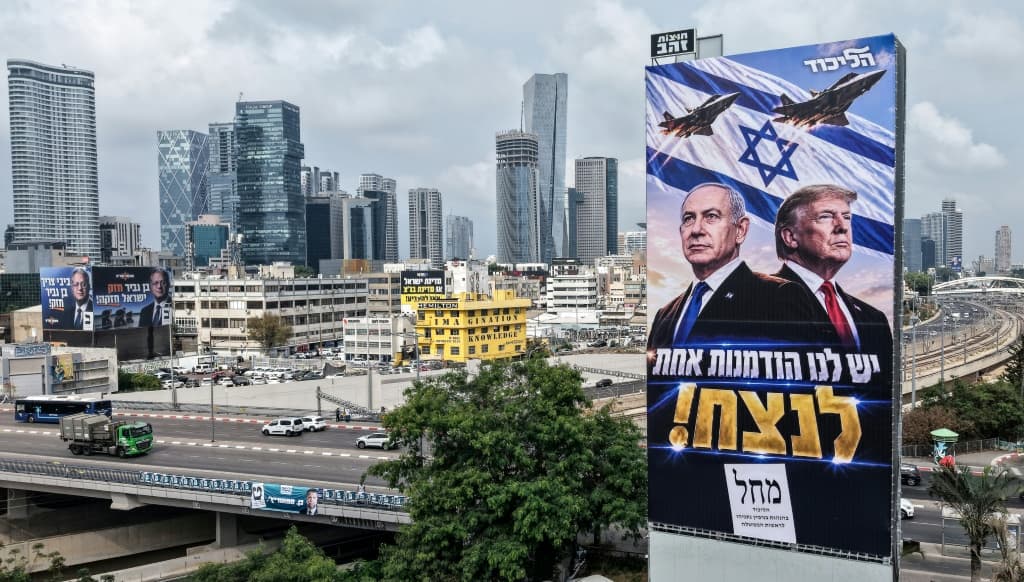
The rise in turnout had been predicted even before the election, against the backdrop of the aggressive policies of National Security Minister Itamar Ben-Gvir, who pushed the demolition of Palestinian homes and, while heading the police, failed to stop the wave of crime in the community — the two-million-strong Palestinian-Israeli population has one of the highest murder rates in the world. In Nazareth, where The National observed the voting, voters arrived with entire families, on crutches and in wheelchairs; a 37-year-old woman voted for the first time after four years of 'catastrophe,' saying: 'We really need change in this country.' Voting took place in the presence of Jewish settlers calling themselves 'observers' — according to monitors, their actions only motivated Arabs to vote for change.
Cautious assessments and uncertainty
Official results are still being counted and will continue to come in over the coming hours and days. Palestinian political analyst Xavier Abu Eid noted that although 'awakenings' among Palestinian citizens of Israel have happened before, this time 'for the first time they truly believe that voting can change something, even if modestly.' According to him, the threat from the far right was existential for them and became the main reason for the high turnout — 'if this threat disappears, we do not know whether this vote will disappear.' Experts note that the community remains marginalized and does not expect immediate major influence, but if Arab parties do enter the government, as in 2021, a Palestinian politician within the Israeli system — a minister or the head of a Knesset committee — would gain a rare seat of influence from within. There is no guarantee that the record turnout will be repeated in future elections: Israel could find itself in yet another cycle of rapid, inconclusive elections.