The key facts
- Netanyahu warned of high turnout in Arab communities and called on Likud supporters to vote
- Arab parties are ready to support an Eisenkot government without joining the coalition
- Polls did not guarantee either bloc the 61 seats needed to form a government
Emergency appeal on election day
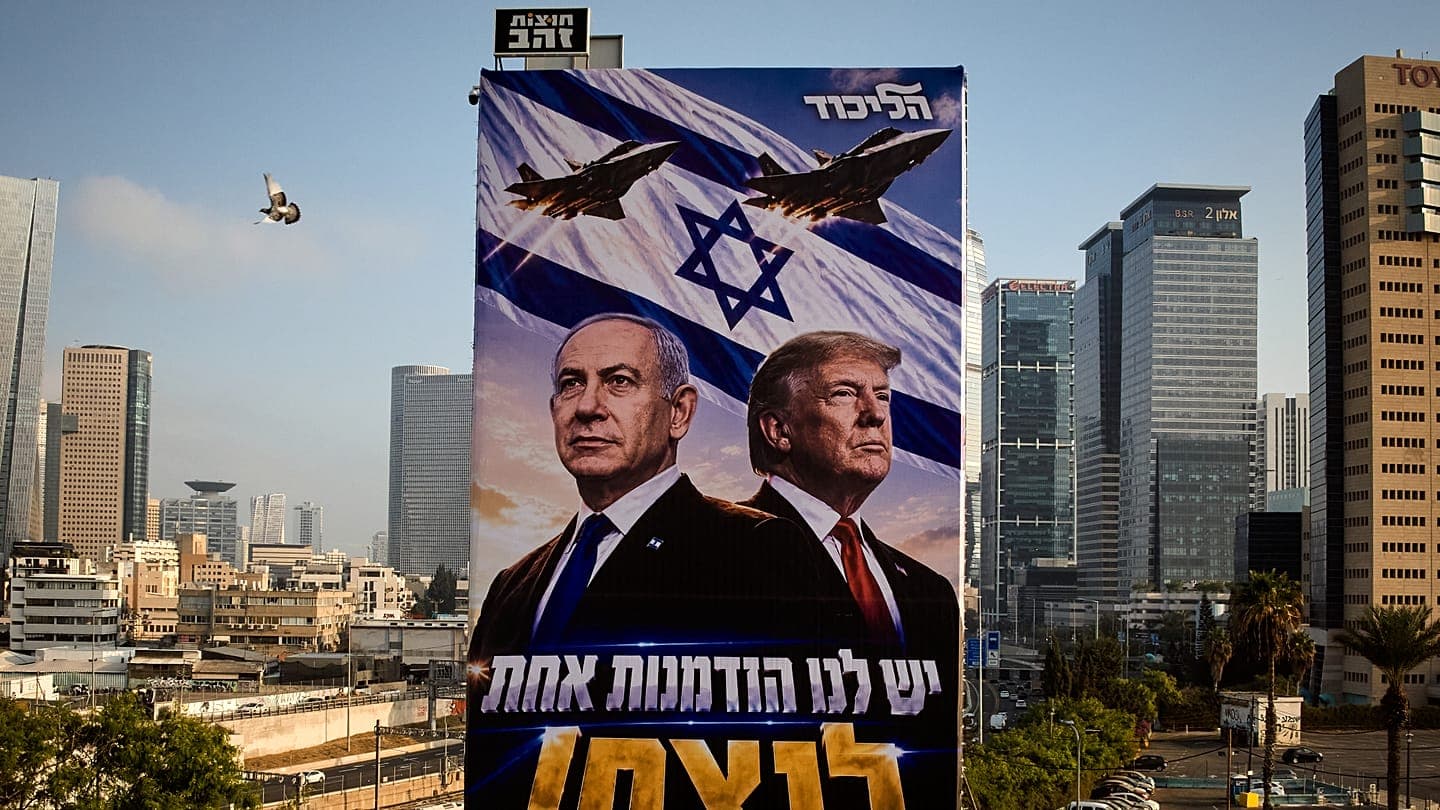
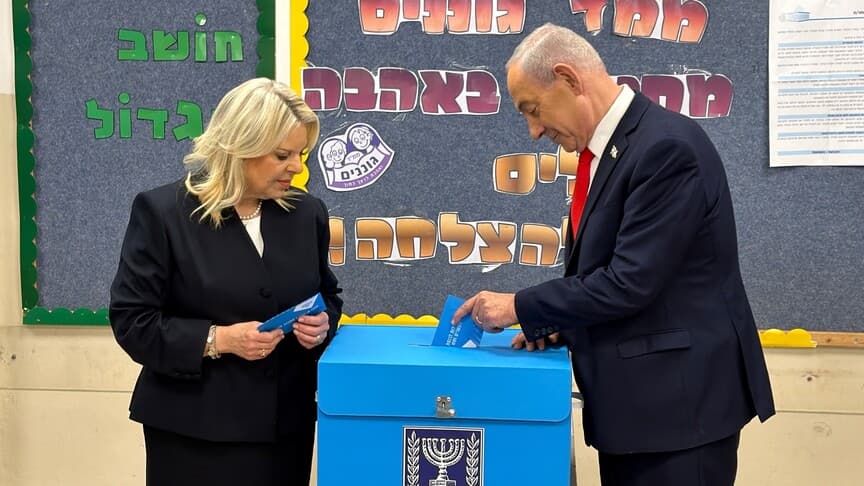
On Tuesday, the day of elections to the 120-seat Knesset, Israeli Prime Minister Benjamin Netanyahu posted a series of appeals to voters of his Likud party on the social network X. According to him, 'buses are on their way' to polling stations and 'huge lines' are being reported in Arab communities, while 'right-wing strongholds are not waking up.' He warned that without mobilizing supporters the country could end up with, in his words, 'a government of Arab parties,' and urged voters to ensure that relatives, friends and neighbors turn out: 'Today no one stays home. No beach, no barbecue.' Anadolu reported this.
The stakes and the polling picture
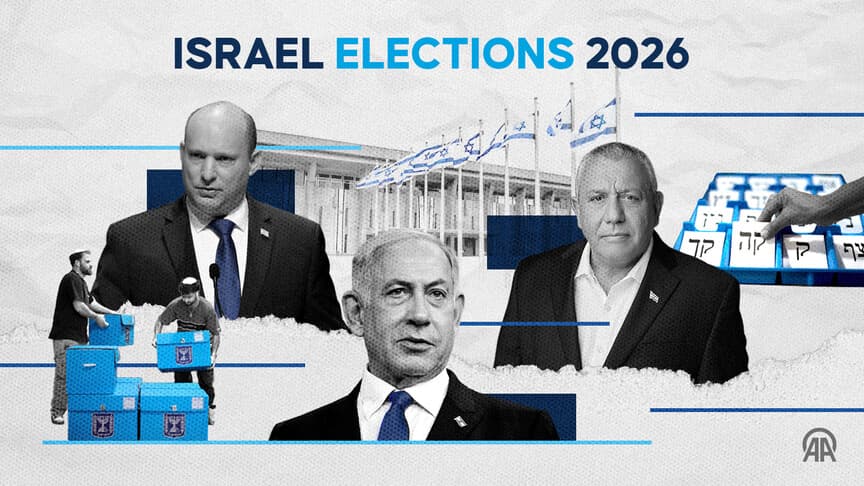
'At stake is the future of our Jewish state: a strong right-wing government or a left-wing government supported by Arab parties,' Anadolu quotes Netanyahu as saying. His opponent is the camp led by former army chief of staff Gadi Eisenkot. Pre-election polls did not guarantee either bloc the 61 seats needed to form a government, raising the likelihood of difficult coalition negotiations.
The position of the Arab parties
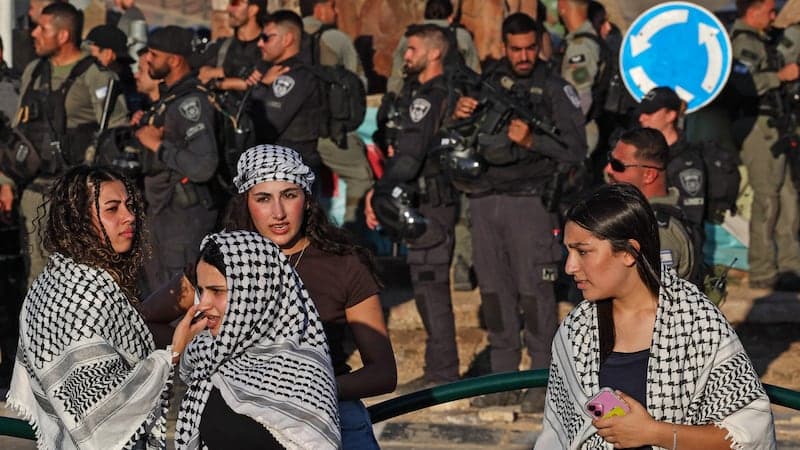
The Arab parties, representing citizens who make up about 20% of Israel's population, said they were ready to provide parliamentary support to a government led by Eisenkot without formally joining the coalition. The conditions named were measures addressing the concerns of Arab citizens: a halt to home demolitions, fighting crime, and opening a political horizon with the Palestinians. At the same time, Eisenkot did not publicly commit to accepting this proposal and had previously ruled out including Arab parties in his coalition.