The key facts
- According to final polls, neither bloc was guaranteed 61 seats in the 120-seat Knesset
- Government formation could take months, during which Netanyahu would remain prime minister
- A state commission on October 7 has still not been established after three years
Elections without an immediate change of power
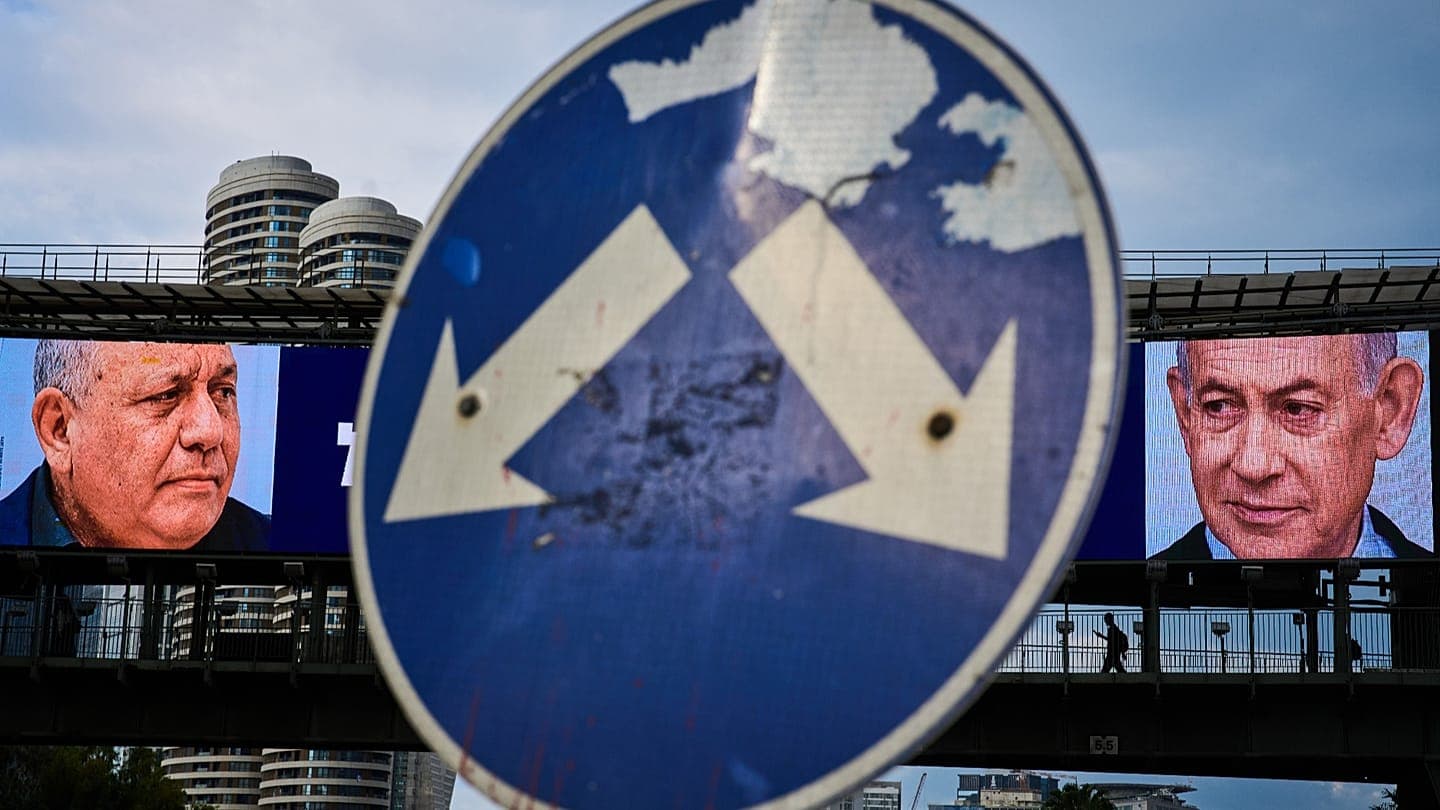
Israel has held parliamentary elections — the first since the Hamas attacks of October 7, 2023, which killed around 1,200 people and left another 251 taken hostage. The vote came after three years of war and is seen as a referendum of confidence in Prime Minister Benjamin Netanyahu, the longest-serving holder of the post in the country's history. According to final polls, neither the ruling coalition nor the opposition bloc led by former chief of the general staff Gadi Eisenkot was guaranteed a majority of 61 seats out of 120 in the Knesset, Euronews reports.
The transitional period and the question of Iran
Yossi Mekelberg, a senior consulting research fellow at Chatham House, warned that 'there will be no new government in Israel the day after the election': forming a cabinet could take months, and throughout that time Netanyahu would remain at the head of a transitional government with substantial powers — including the authority to authorise military action. 'This makes the situation more unstable and more dangerous,' he said. The election takes place a week before the US midterm elections on November 3, and Mekelberg suggested that the political dynamics in both countries could affect the timing of a possible resumption of military action against Iran after the completed campaign. He also allowed that Netanyahu's political interests, in his words, are intertwined with the corruption trial and holding on to power, so 'creating a crisis, including with Iran, is not beyond the realm of possibility' — this is the expert's assessment, not an established fact.
Accountability for October 7 and regional politics
Another thread of the campaign is the absence of an investigation: in three years, Israel has still not established an independent state commission into the failures that allowed the attack. Netanyahu's government has resisted a standard state commission whose members would be appointed by the Chief Justice of the Supreme Court, preferring an alternative mechanism that critics consider insufficiently independent. Mekelberg noted that the demand for a state commission unites the entire opposition and, probably, part of the coalition's supporters, and that the more strongly the government rejects the idea, the more suspicion there is 'that they have something to hide.' A change of power could also affect regional politics: in his view, an opposition cabinet might cooperate more actively with international efforts on Gaza and negotiate on security with Lebanon. At the same time, the opposition parties, despite their shared desire to replace Netanyahu, differ in their views on Palestinian statehood, and the composition of the future coalition — including the participation of the parties representing Palestinian citizens of Israel — will determine how much change is possible.