The key facts
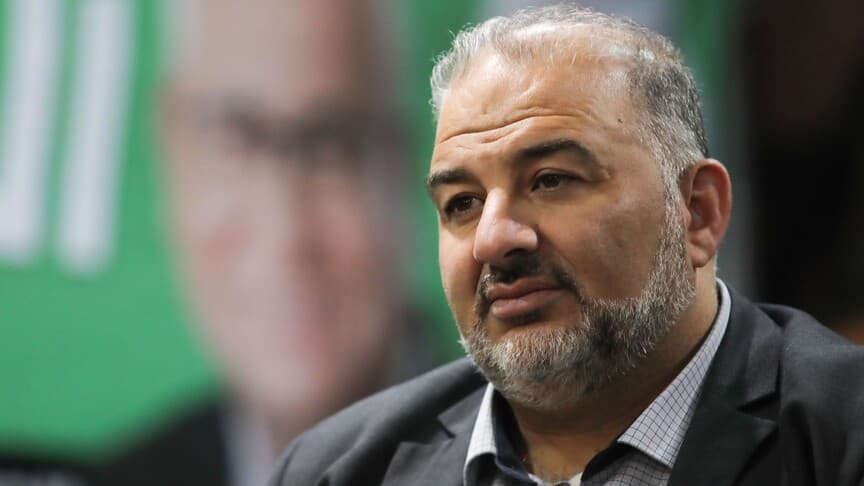
- Mansour Abbas (Raam) expressed hope for a coalition with the opposition to secure 61 mandates and replace Netanyahu's government
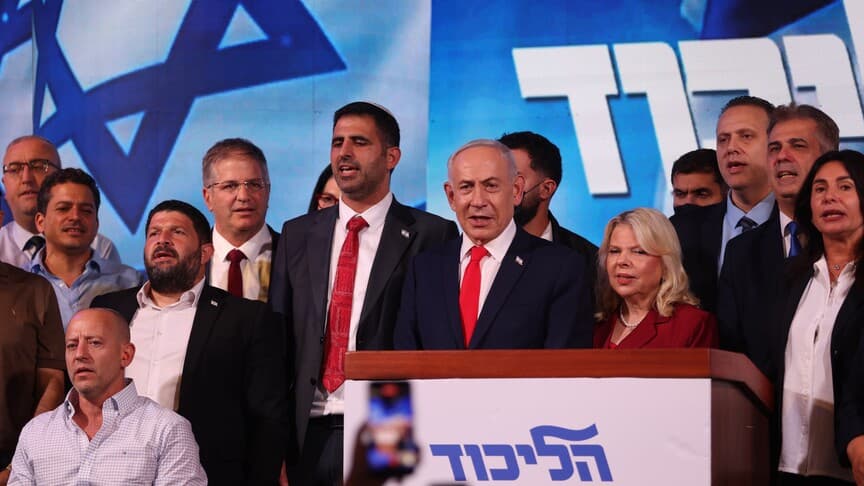
- Channel 12 exit poll: 52 seats for the Eisenkot bloc, 50 for Netanyahu's bloc, 18 for Arab parties combined — no bloc holds a majority
- Overall turnout was 77.7% — the highest since 1999; among Arab voters it was 80%
Abbas's statement after polls closed
The leader of the United Arab List (Raam), Mansour Abbas, said in an interview with Israel's Channel 12 overnight into Wednesday that he hopes for a change of Benjamin Netanyahu's government: according to him, the opposition bloc together with Raam could secure the 61 seats out of 120 needed for a parliamentary majority. 'With the numbers we have now, there is no government,' Anadolu quoted him as saying. Asked about opposition leaders Naftali Bennett and Avigdor Lieberman's refusal to cooperate with his party, Abbas replied that this issue would be addressed after the election.
Preliminary data on seat distribution
A Channel 12 exit poll projected 52 seats for the bloc led by Yashar party leader Gadi Eisenkot, 50 for Netanyahu's bloc, and 18 for Arab parties combined. Thus, no bloc would win a parliamentary majority. Exit polls are projections, not official results: vote counting began after polls closed at 10:00 p.m. local time.
Record turnout and the Arab sector's reaction
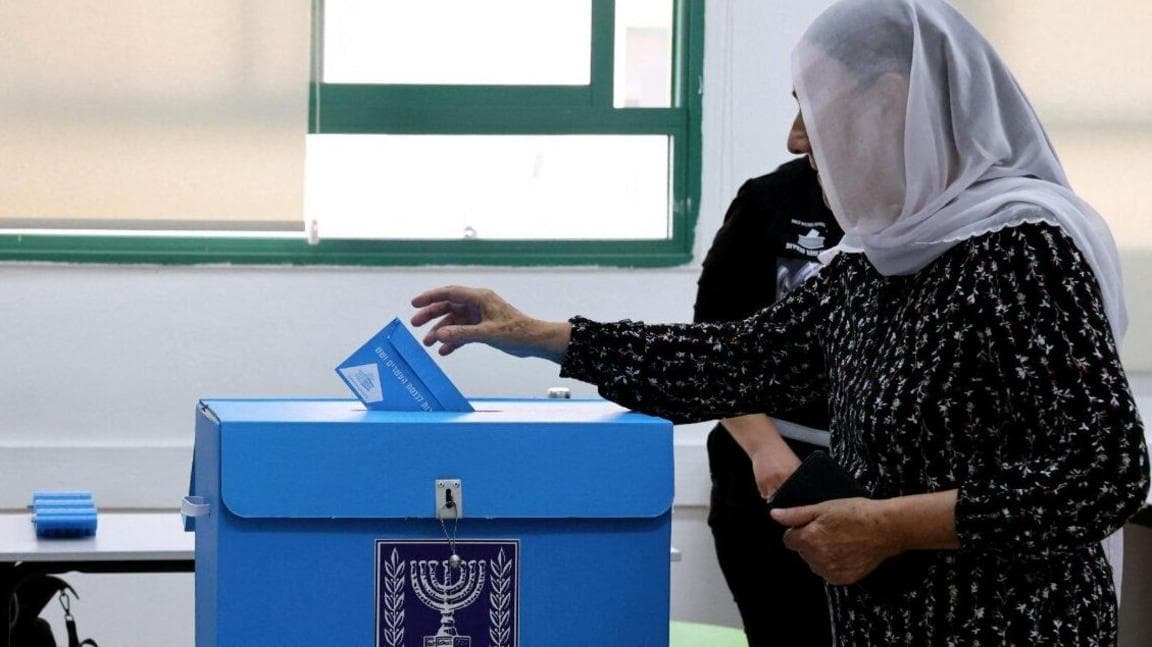
According to the Central Elections Committee, overall turnout reached 77.7% — the highest figure since 1999, 7.1 percentage points higher than in the 2022 election. Turnout among Arab voters, according to Channel 12, was 80%. Abbas attributed the surge to the fact that despair and frustration among Arab voters had turned into hope. In Nazareth, supporters of the United List celebrated at their headquarters, and the list's leader, Yousef Jabareen, said that, according to projections, the list had achieved its goal — forming a strong coalition capable of bringing change.