The key facts
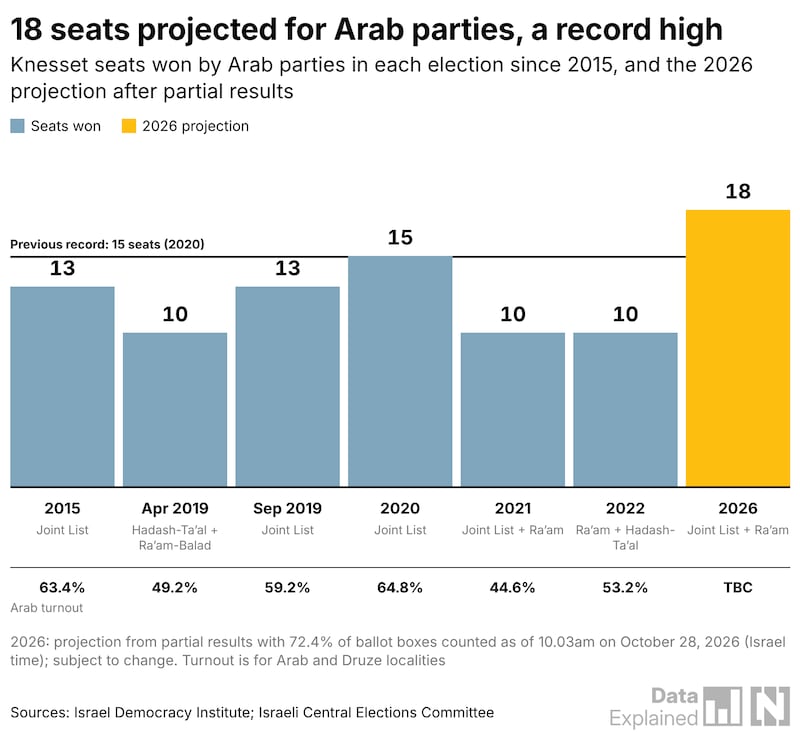
- Israel's Arab parties won a record 18 of 120 Knesset seats, beating the previous record of 15 set in 2020
- High Arab voter turnout, according to an INSS analyst, denied Netanyahu a path to a 61-seat majority except through a unity government
- Neither of the main contenders for prime minister is likely to form a coalition with the Arab parties, which could lead to new elections
Record result for Arab parties
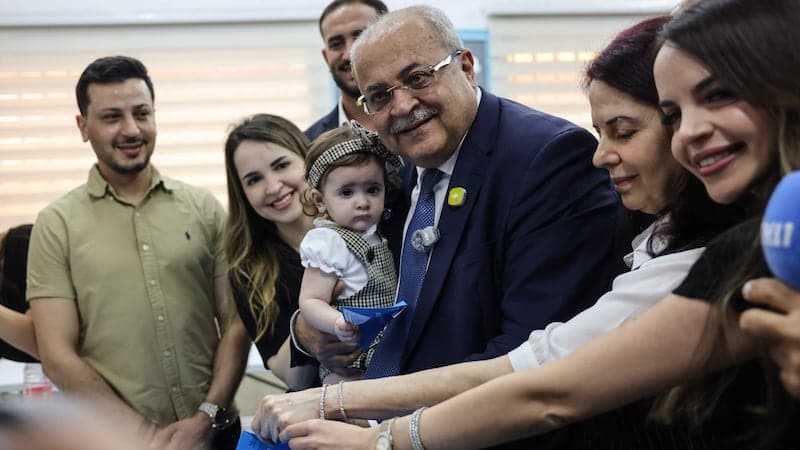
After most votes were counted in Israel's general election, the biggest surprise was the result of the Arab parties: the Joint Arab List (Hadash, Balad and Ta'al), together with Ra'am led by Mansour Abbas, won a record 18 of the Knesset's 120 seats. This surpasses the previous record of 15 seats set in the 2020 election and brings the share of Arab lawmakers close to the actual share of Arab citizens in Israel's population, which is about 20%. This was reported by The National.
Who is on the list
The Joint List unites three parties. Hadash is a left-wing party that includes both Arab and Jewish citizens of Israel; it is led by the lawyer Yousef Jabareen, elected to the Knesset in 2015, who regularly petitions the Supreme Court to defend Palestinian rights. It also includes Ofer Cassif, an outspoken critic of Netanyahu who calls the war in Gaza a genocide. Ta'al is the secular anti-Zionist party of Ahmad Tibi, a member of parliament since 1999, a former adviser to Yasser Arafat who served as deputy speaker of the Knesset from 2006 to 2013; it advocates a two-state solution. Balad, led by Sami Abu Shehadeh, is considered the most radical of the three: the party, founded in 1996, advocates a one-state solution. At the same time, Israel's Supreme Court barred Abu Shehadeh himself from running, upholding the Central Elections Committee's decision over alleged extremist views and incitement to hatred against Israel. Ra'am, previously part of the Joint List, ran separately and won about four seats; its leader Abbas in 2021 became the first Palestinian-Israeli minister in a governing coalition, but many Palestinians in the West Bank view him as a 'normalizer' of relations with Israel.
Why turnout rose and what it changes
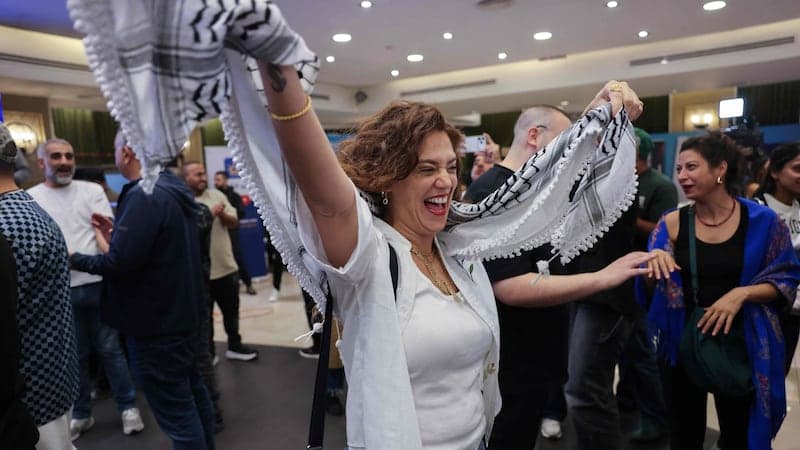
A key factor in the success was record-high turnout among Arab voters, who were previously known for boycotting elections. Political scientist and former PLO official Xavier Abu Eid attributed this to existential fears: in his words, the continued presence of the far right in government is perceived by Palestinian citizens as a threat of a 'new Nakba,' and the rise in incitement and harassment of students, professors, doctors and nurses over the past three years has created the sense that the government wants them to leave the country. Videos circulated in Arab communities in which elderly people urged young people to vote, while Palestinians in Gaza and the West Bank asked Israeli citizens to influence the outcome. Although neither Netanyahu nor his rival Gadi Eisenkot is likely to enter a formal coalition with the Arab parties — otherwise new elections would be required — Danny Citrinowicz, an analyst at the Institute for National Security Studies, believes that Arab turnout denied Netanyahu the 61 seats needed for a majority and may push him toward a national unity government including the opposition, potentially ousting figures such as Itamar Ben-Gvir and Bezalel Smotrich from the cabinet. 'Not the outcome they hoped for, but their turnout prevented Netanyahu from getting 61 seats,' he noted.