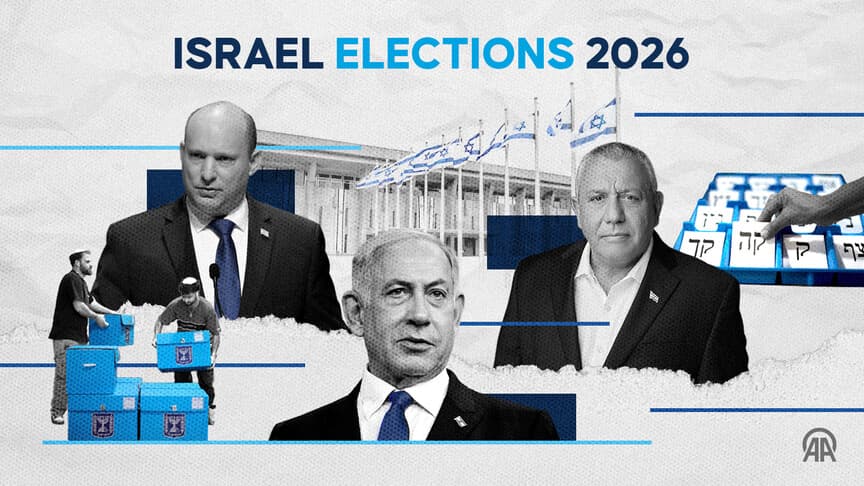
According to exit polls, the blocs of Benjamin Netanyahu and Gadi Eisenkot each received about 51 mandates — below the threshold of 61 seats. Both politicians claimed the right to form a government; Arab parties gained strength sharply, and the outcome may depend on their external support.
According to Yedioth Ahronoth, with about 28% of votes counted, Benjamin Netanyahu's bloc leads the opposition 50.4% to 49.6%. Neither bloc has yet secured the 61 seats needed in the Knesset. Turnout reached 77.7% — the highest since 1999.
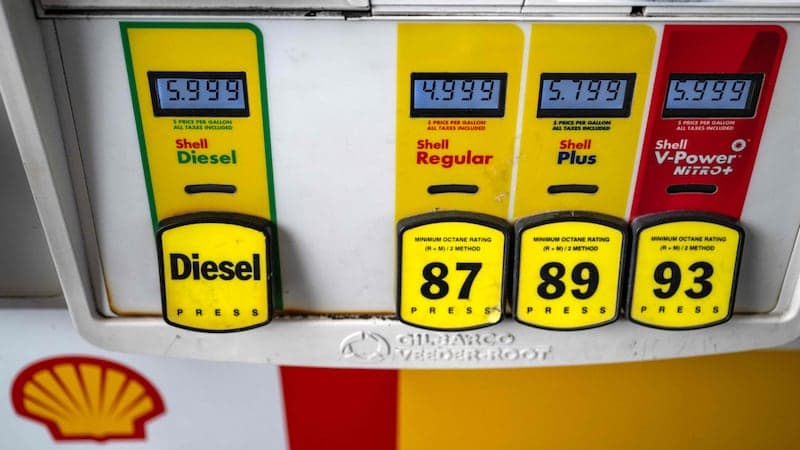
A week before the midterm congressional elections, Democrats are linking support for the war in Iran to rising fuel prices. Several vulnerable Republicans — Dan Sullivan, Pete Ricketts, Mike Lawler and Roger Marshall — are facing unexpectedly competitive campaigns. A week before the midterm elections to Congress, Democrats are linking support for the war in Iran to rising fuel prices. Several vulnerable Republicans — Dan Sullivan, Pete Ricketts, Mike Lawler and Roger Marshall — are facing unexpectedly competitive campaigns.
According to Israel's Central Elections Committee, 16.8% of votes have been counted: Prime Minister Benjamin Netanyahu's Likud party receives 24.1%, while Yair Eisenkot's Yashar party gets 16.1%. Exit polls give neither bloc a majority of 61 seats. Turnout is 77.7%, the highest since 1999.
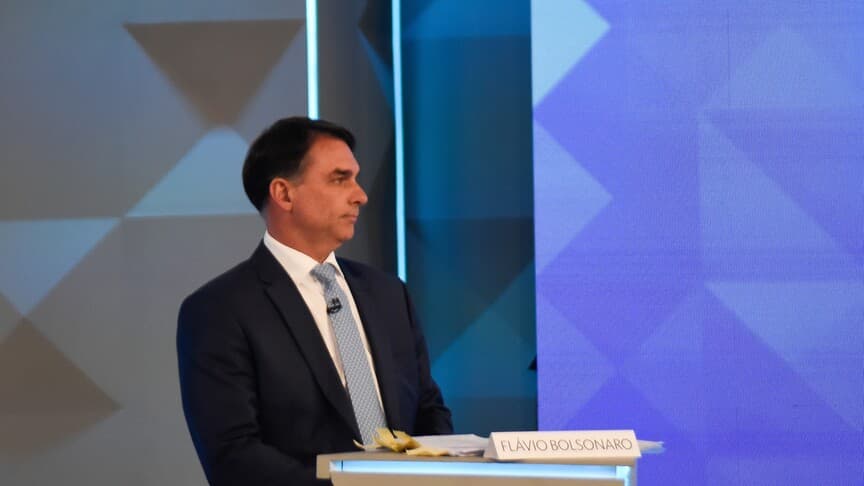
Senator Flávio Bolsonaro, who lost to Lula in the second round of the election, reportedly arrived in the US on Tuesday, even though the Supreme Court had ordered him to surrender his passports. Washington confirmed issuing visas to the politician's family. The route of his departure remains unclear: there are no official records of a border crossing.
According to exit polls by Israeli TV channels, neither Gadi Eisenkot's bloc nor Benjamin Netanyahu's coalition reaches the majority of 61 Knesset seats. Likud remains the largest party, and the Arab parties, with a record result, could become the arbiter in coalition formation. Turnout was the highest in decades, with final results not expected before Thursday. According to exit polls by Israeli television channels, neither Gadi Eisenkot's bloc nor Benjamin Netanyahu's coalition is winning a majority of 61 seats in the Knesset. Likud remains the largest party, while the Arab parties, with a record result, could become the kingmaker in coalition formation. Turnout was the highest in decades, with final results not expected before Thursday.
The Trump administration is challenging the results of the Alaska Senate election, labeling the participation of a candidate with a name nearly identical to that of incumbent senator Dan Sullivan as fraud. Vice President JD Vance and President Trump claim this could confuse voters, while the Department of Justice has filed a lawsuit seeking to prevent certification of the results if the incumbent senator loses.
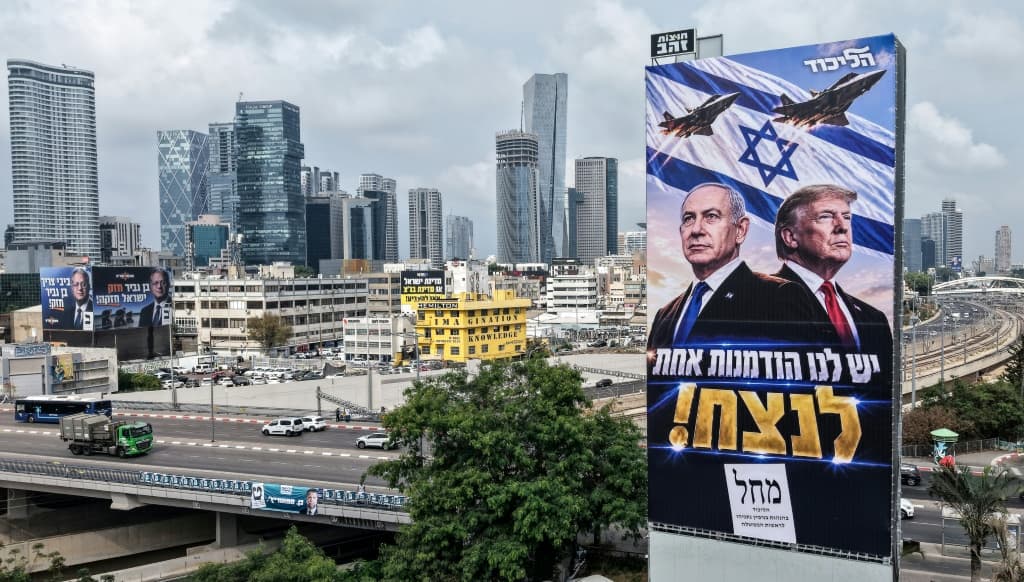
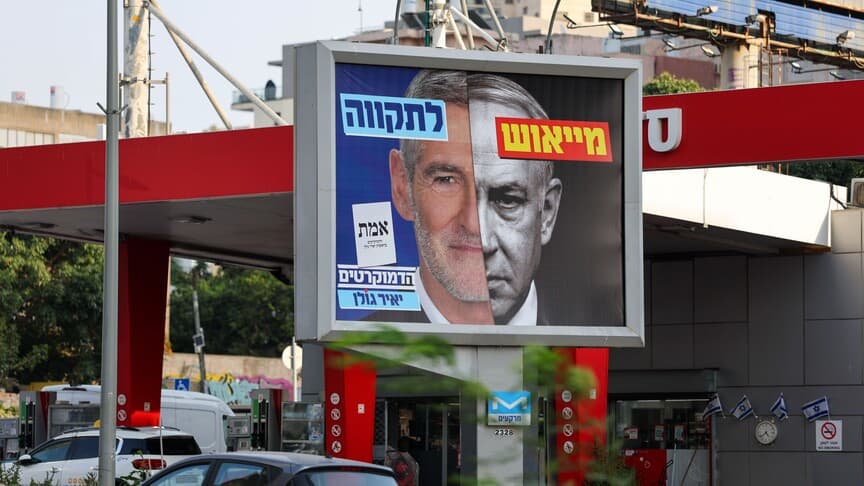
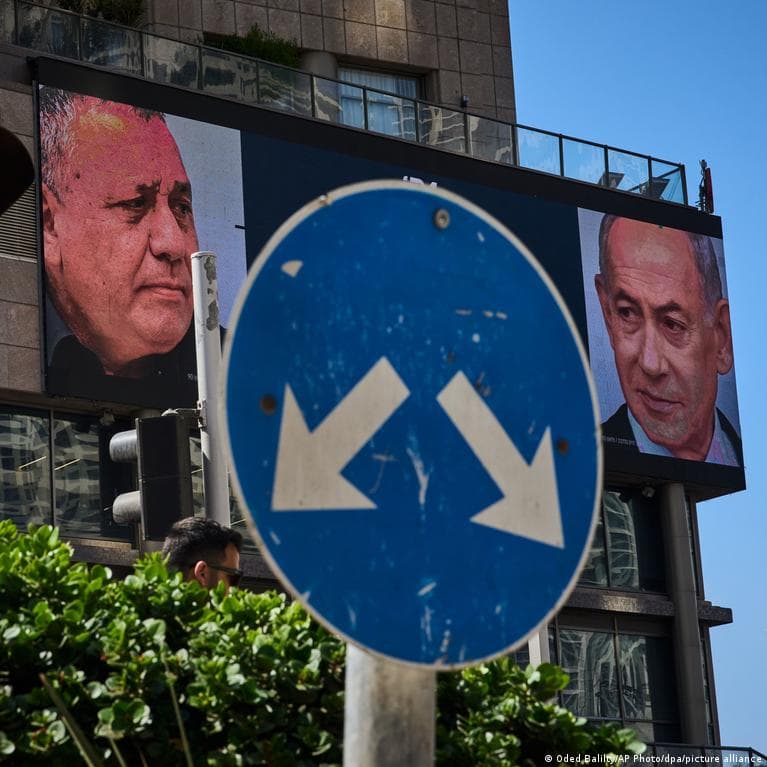
On Tuesday, Israel holds its first general election since the Hamas attack of October 7, 2023. The contest is between Benjamin Netanyahu and Gadi Eisenkot, but experts do not expect a sharp reversal in Iran policy: in their view, key decisions are made in Washington. On Tuesday, Israel holds its first general elections since the Hamas attack of October 7, 2023. The contest is between Benjamin Netanyahu and Gadi Eisenkot, but experts do not expect a sharp reversal in Iran policy: key decisions, in their view, are made in Washington.
Israel's elections saw the highest turnout since 1981, largely thanks to Arab voters. Arab parties could win up to 16 seats in the 120-seat Knesset and become potential 'kingmakers' in forming a coalition.
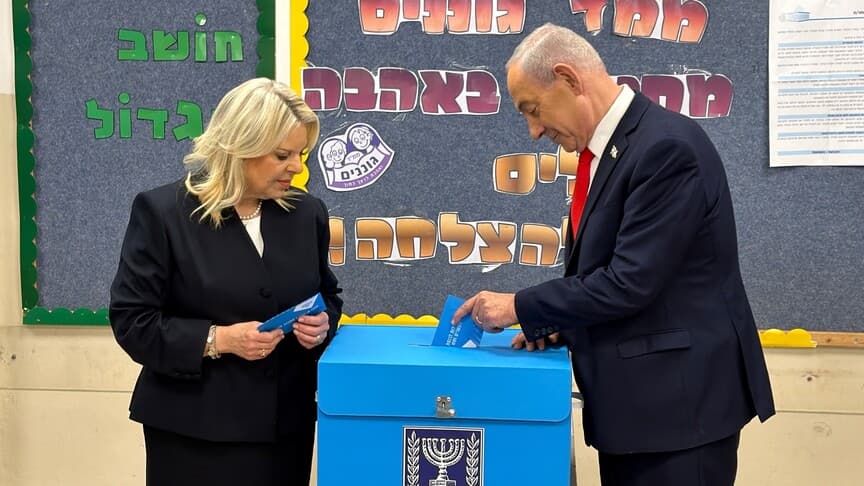
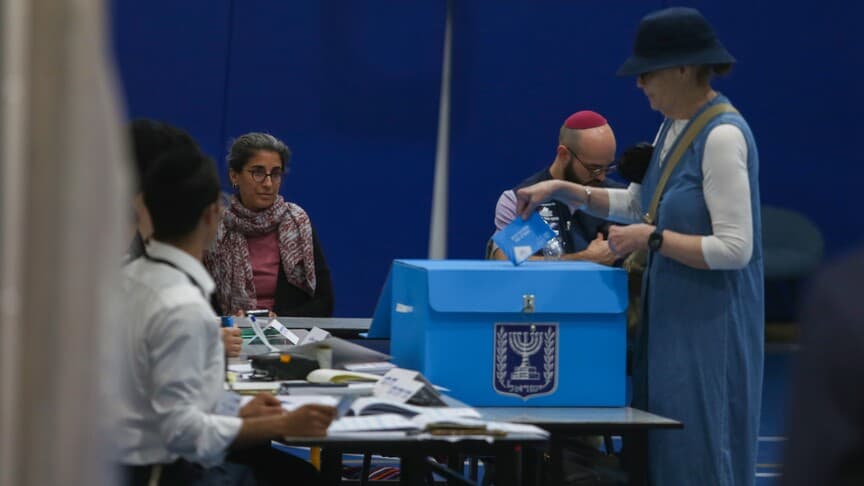
Voter turnout in the Knesset elections reached a record 55.7% by 16:00, compared to 47.5% in the previous elections. Netanyahu and right-wing ministers urgently called on supporters to vote, fearing high turnout among Arab voters. According to polls, no bloc was guaranteed the 61 seats needed to form a government.
Israel is voting in the first elections since the October 7, 2023 attacks. According to a Chatham House expert's assessment, even if the opposition wins, Netanyahu could lead a transitional government for months with powers over military decisions, including possible action against Iran.
According to preliminary data from the Republican Electoral Commission of Serbia, the 'Student List — Students Will Win' bloc received 52.71% and will take 140 of 250 seats in parliament. President Aleksandar Vucic's 'United Serbia' list received 39.17% (about 104 seats), while Ivica Dacic's socialists failed to clear the threshold.
The Radio Television of Vojvodina (RTV) apologized live on air to viewers for failing for years to show footage of the Student List movement's victory in the parliamentary elections. That same day, the editor-in-chief of the first channel, Nenad Čačić, resigned; Blažo Popović took his place.
Israel's parliamentary elections ended with high turnout, but no party won enough seats to form a government. The final results, including the counting of special ballots, are expected to change the balance of power, and the coalition-building process will take several weeks. The Arab minority showed high turnout, which could influence the country's future political architecture.
The bloc of Aleksandar Vucic lost the parliamentary elections on October 25; the Student List won the majority of votes. Vucic suggested that the new authorities would impose sanctions against Russia in 2027, but political scientist Oleg Bondarenko believes that the winners' positions on Kosovo, European integration and relations with Moscow hardly differ from the previous course.
On October 27, polling stations opened in Israel: about 7.3 million voters are choosing the composition of the 120-seat Knesset, with 36 parties taking part. Exit polls are expected after stations close at 22:00, with final results in about a week.
On Tuesday, 27 October 2026, Israel holds its first legislative elections since the Hamas attack of 7 October 2023. Incumbent Prime Minister Benjamin Netanyahu and his centrist rival Gadi Eisenkot are running roughly neck and neck in the latest polls, and coalition formation could take weeks or months.
On October 27, Israel holds Knesset elections: more than 7.3 million voters are choosing 120 deputies among 36–37 parties. According to polls, neither Likud nor Yashar wins a majority of 61 mandates, so a coalition government is expected, and the fate of Prime Minister Netanyahu's post depends on negotiations.