The key facts
- About 7.3 million voters are electing 120 Knesset members; polls close on Tuesday at 10:00 p.m. local time
- Final polls put Gadi Eisenkot's Yashar party ahead of Likud (22–23 versus 19–21 seats), but no bloc has 61 seats
- About 650,000 'double envelope' ballots could affect roughly 14 seats; official results are due on November 4
Voting and first projections
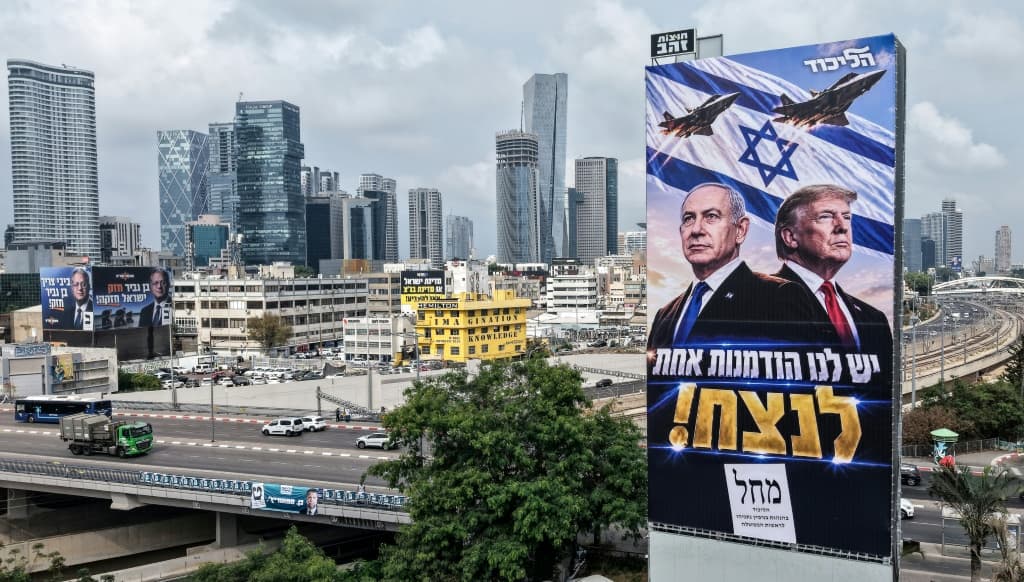
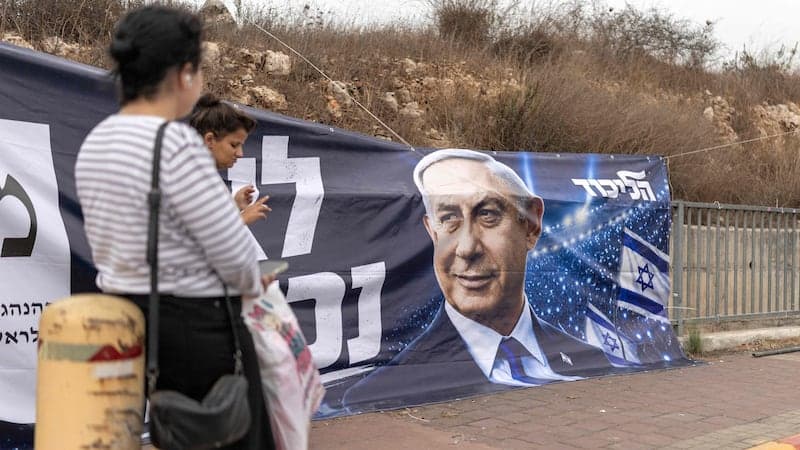
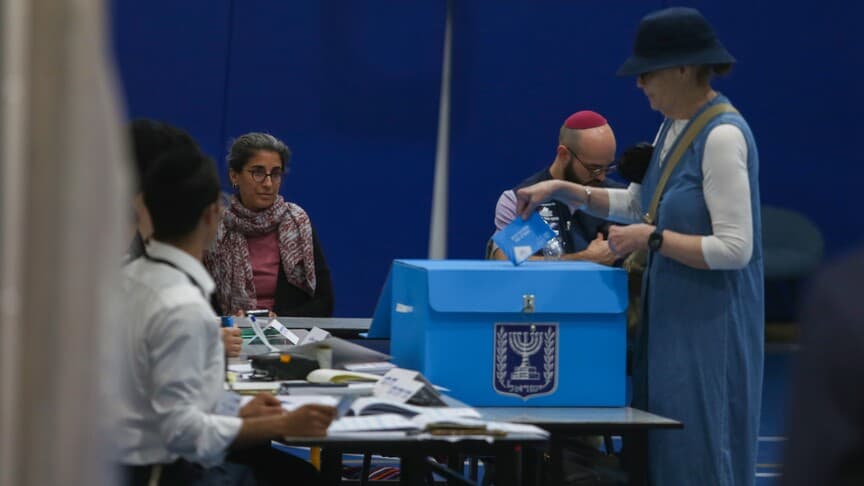
Polling stations in Israel's general election close on Tuesday at 10:00 p.m. local time (2000 GMT), after which vote counting begins along with coalition-building that will determine whether Benjamin Netanyahu keeps the post of prime minister. As Anadolu explains, about 7.3 million voters are taking part in the election of 120 Knesset members — the first general election since the October 7, 2023 attacks and the first held on schedule since 1988.
Polls give no bloc a majority
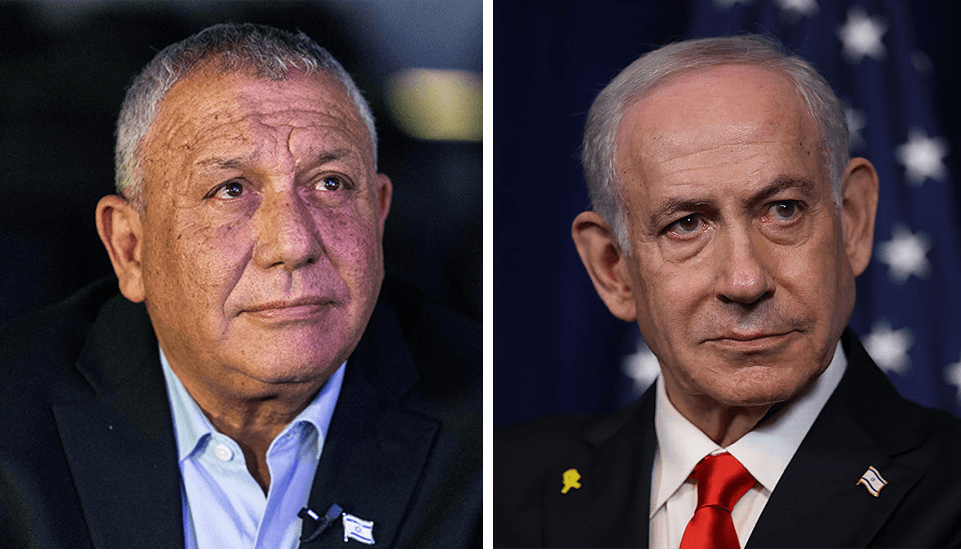
Final pre-election polls placed the Yashar party of former IDF chief of staff Gadi Eisenkot ahead of Netanyahu's Likud: 22–23 seats versus 19–21. However, neither Netanyahu's right-wing religious bloc (about 50 seats) nor the opposition (52–56 seats) reaches the required 61 seats; Palestinian parties are projected to win 14–16 seats combined. Immediately after the polls close, the channels Kan 11, Channel 12 and Channel 13 will publish their own exit polls, but these are only projections: several parties are hovering around the 3.25 percent threshold, and a party that just misses it could shift several seats between the blocs.
Counting and 'double envelopes'
Votes from regular polling stations are counted on the night after voting; the first official figures are expected by Wednesday morning. But the outcome will be changed by about 650,000 'double envelope' ballots — votes from soldiers, diplomats, hospital patients and staff, prisoners and election commission members. Verifying and counting them will take 24–36 hours, and their volume is enough to affect roughly 14 parliamentary seats: they could push parties over the threshold or below it and alter the coalition arithmetic. The final count is expected by Friday, with official results on November 4.
Who becomes prime minister is decided in negotiations
The winning party does not automatically form a government: President Isaac Herzog will hold consultations with the factions and task the member of Knesset whom he judges to have the best chance of assembling a coalition with forming a cabinet, even if that person is not the leader of the largest party. The nominee gets 28 days, extendable by 14; on failure, the right passes to another candidate, and then to a third, who can be nominated by 61 Knesset members. If all attempts fail, the Knesset dissolves and new elections are called; Netanyahu's incumbent government operates in a caretaker capacity throughout. Over the past two decades, no new government has been sworn in less than 50 days after an election.
Possible scenarios
The paths to a majority are complicated for both blocs. Netanyahu, whose bloc is 11 seats short of a majority, could hope to outperform the polls, strike a deal with the right-wing opposition, win defections, or form a national unity government — but most opposition leaders have pledged not to join a coalition under his leadership. Eisenkot could get the missing votes from the support of the Palestinian parties (the Joint List or Ra'am), yet Avigdor Lieberman has ruled out serving in a government dependent on Palestinian factions, and Eisenkot himself has given no such pledge. If neither bloc secures a majority, a unity government with a rotating premiership or repeat elections are possible — as happened in the five elections of 2019–2022 that followed coalition deadlocks.