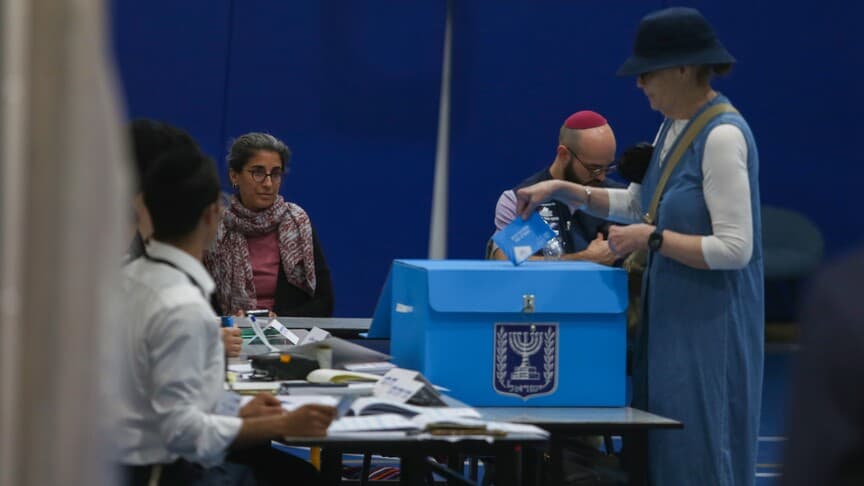
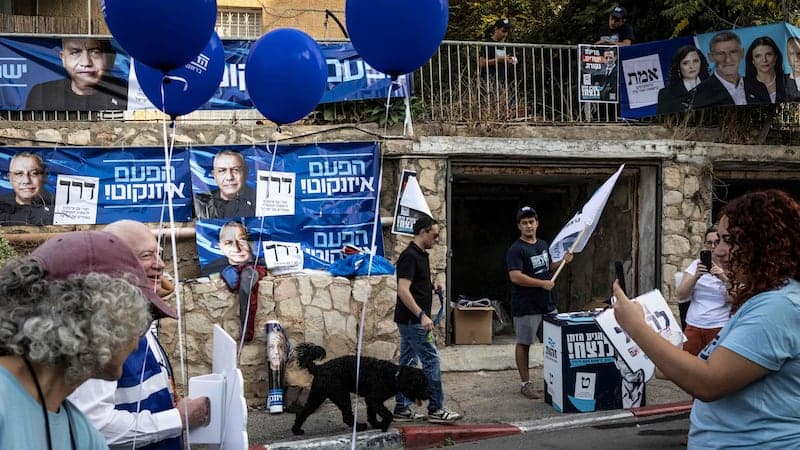
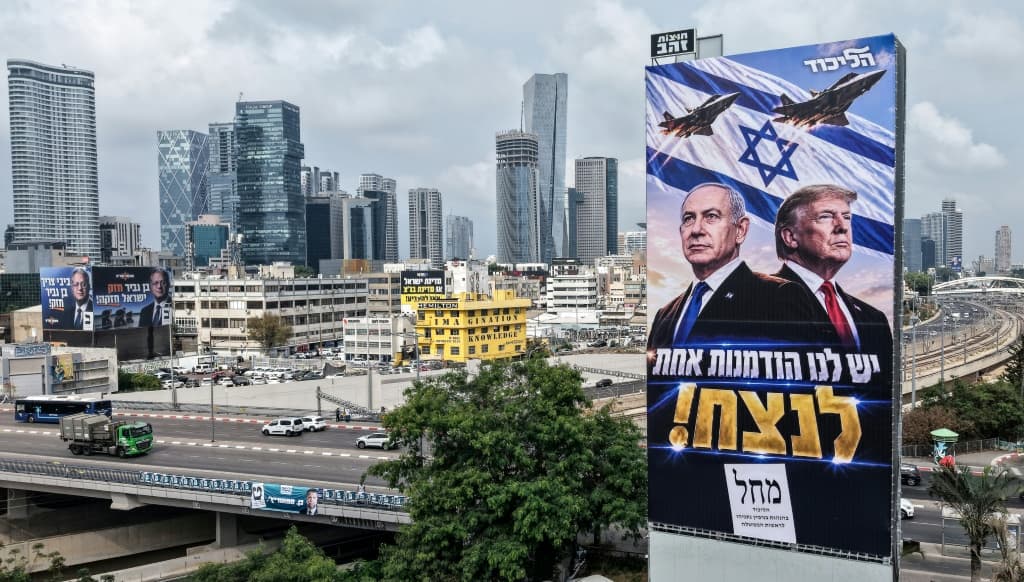
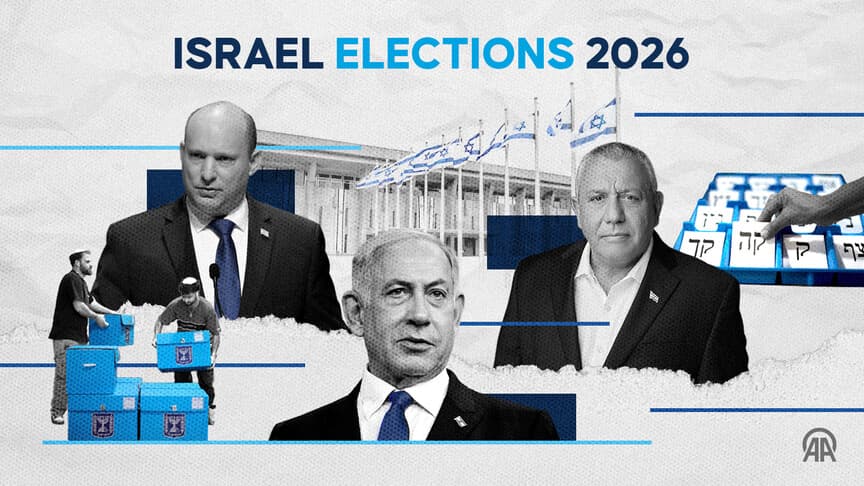
Israel's parliamentary elections ended with high turnout, but no party won enough seats to form a government. The final results, including the counting of special ballots, are expected to change the balance of power, and the coalition-building process will take several weeks. The Arab minority showed high turnout, which could influence the country's future political architecture.
The bloc of Aleksandar Vucic lost the parliamentary elections on October 25; the Student List won the majority of votes. Vucic suggested that the new authorities would impose sanctions against Russia in 2027, but political scientist Oleg Bondarenko believes that the winners' positions on Kosovo, European integration and relations with Moscow hardly differ from the previous course.
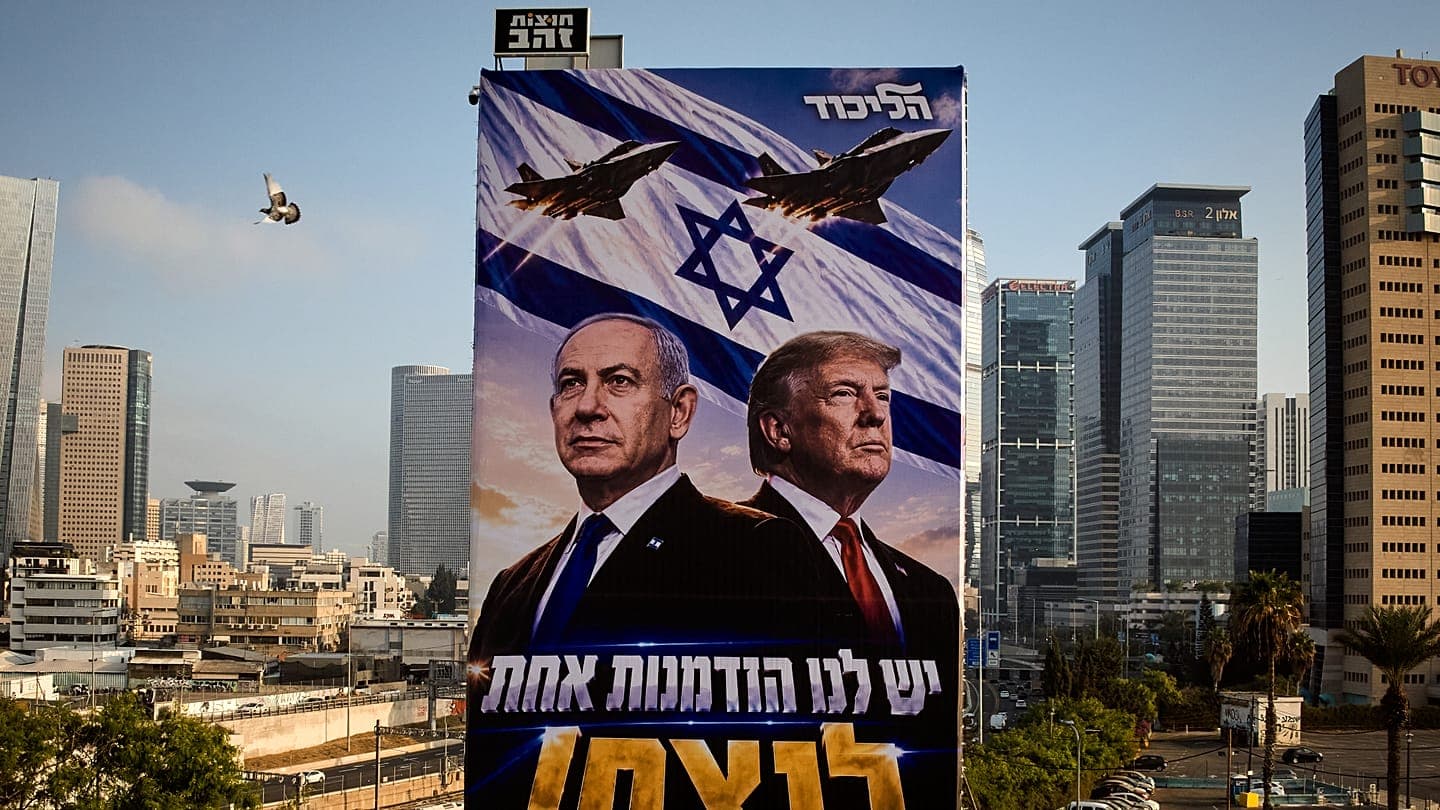
On October 27, polling stations opened in Israel: about 7.3 million voters are choosing the composition of the 120-seat Knesset, with 36 parties taking part. Exit polls are expected after stations close at 22:00, with final results in about a week.
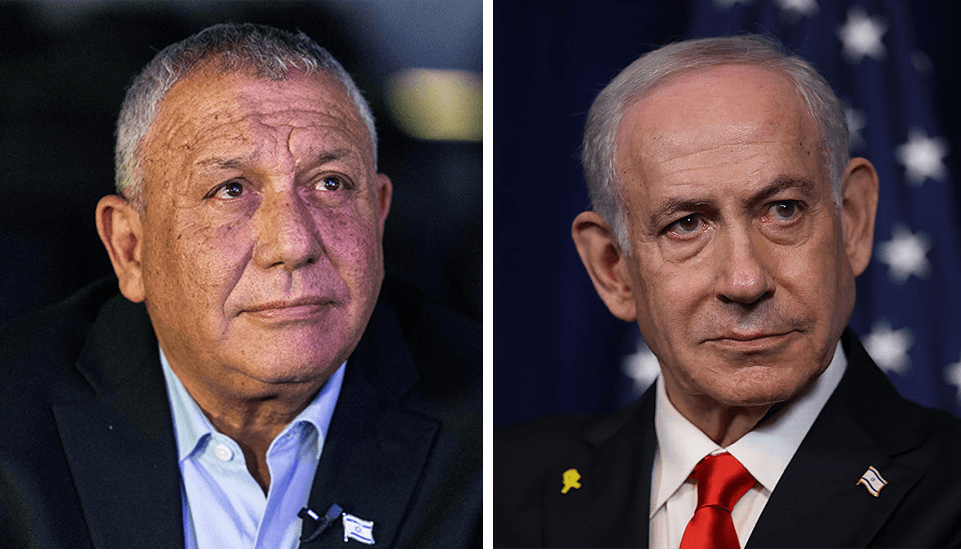
On Tuesday, 27 October 2026, Israel holds its first legislative elections since the Hamas attack of 7 October 2023. Incumbent Prime Minister Benjamin Netanyahu and his centrist rival Gadi Eisenkot are running roughly neck and neck in the latest polls, and coalition formation could take weeks or months.
On October 27, Israel holds Knesset elections: more than 7.3 million voters are choosing 120 deputies among 36–37 parties. According to polls, neither Likud nor Yashar wins a majority of 61 mandates, so a coalition government is expected, and the fate of Prime Minister Netanyahu's post depends on negotiations.
On October 27, Israel's parliamentary election began — the first general election since the start of the war in Gaza in October 2023. More than 7.3 million voters are electing 120 members of the Knesset, with 37 parties competing for the right to form a coalition of 61 seats. According to polls, Netanyahu and Eisenkot are running nearly neck and neck, but no bloc, according to projections, is expected to win a majority. On 27 October, parliamentary elections began in Israel — the first general elections since the start of the war in Gaza in October 2023. More than 7.3 million voters are choosing 120 members of the Knesset, with 37 parties competing for the right to form a coalition of 61 seats. According to polls, Netanyahu and Eisenkot are running almost neck and neck, but neither bloc, according to forecasts, is expected to win a majority.
In Serbia, the student movement won the parliamentary elections, forcing President Vučić to concede defeat. In Israel, the country is preparing for elections while discussing Netanyahu's future, and in Brazil, Lula da Silva has been re-elected president despite Bolsonaro's refusal to accept the results.
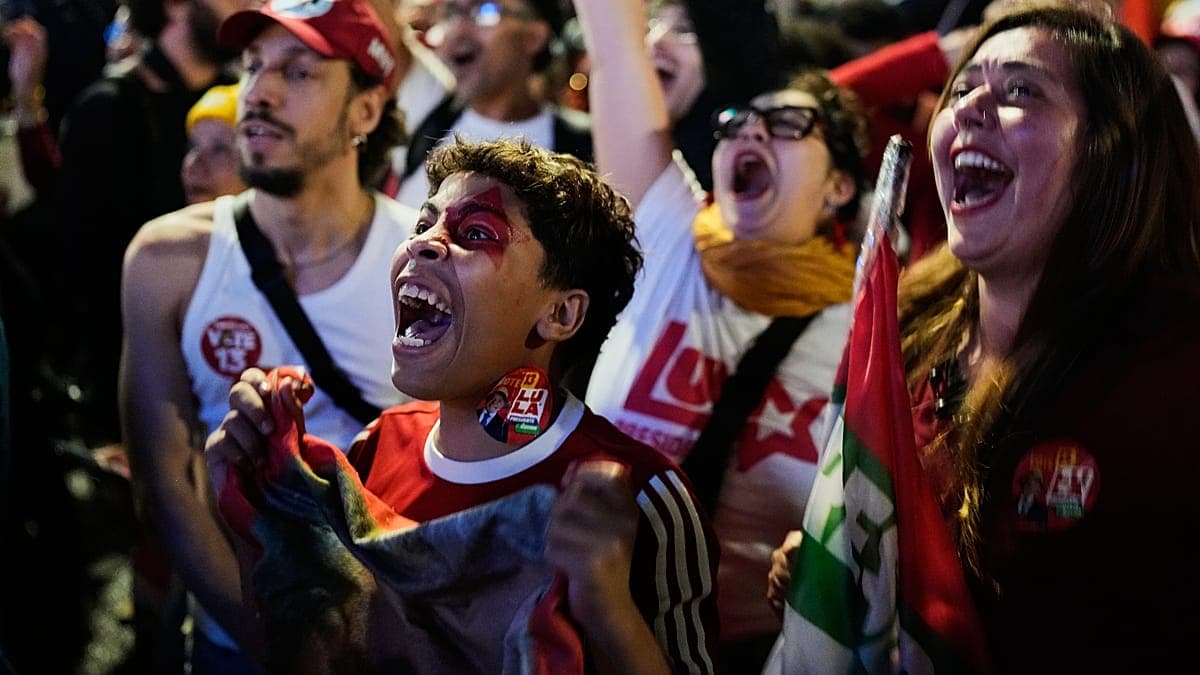
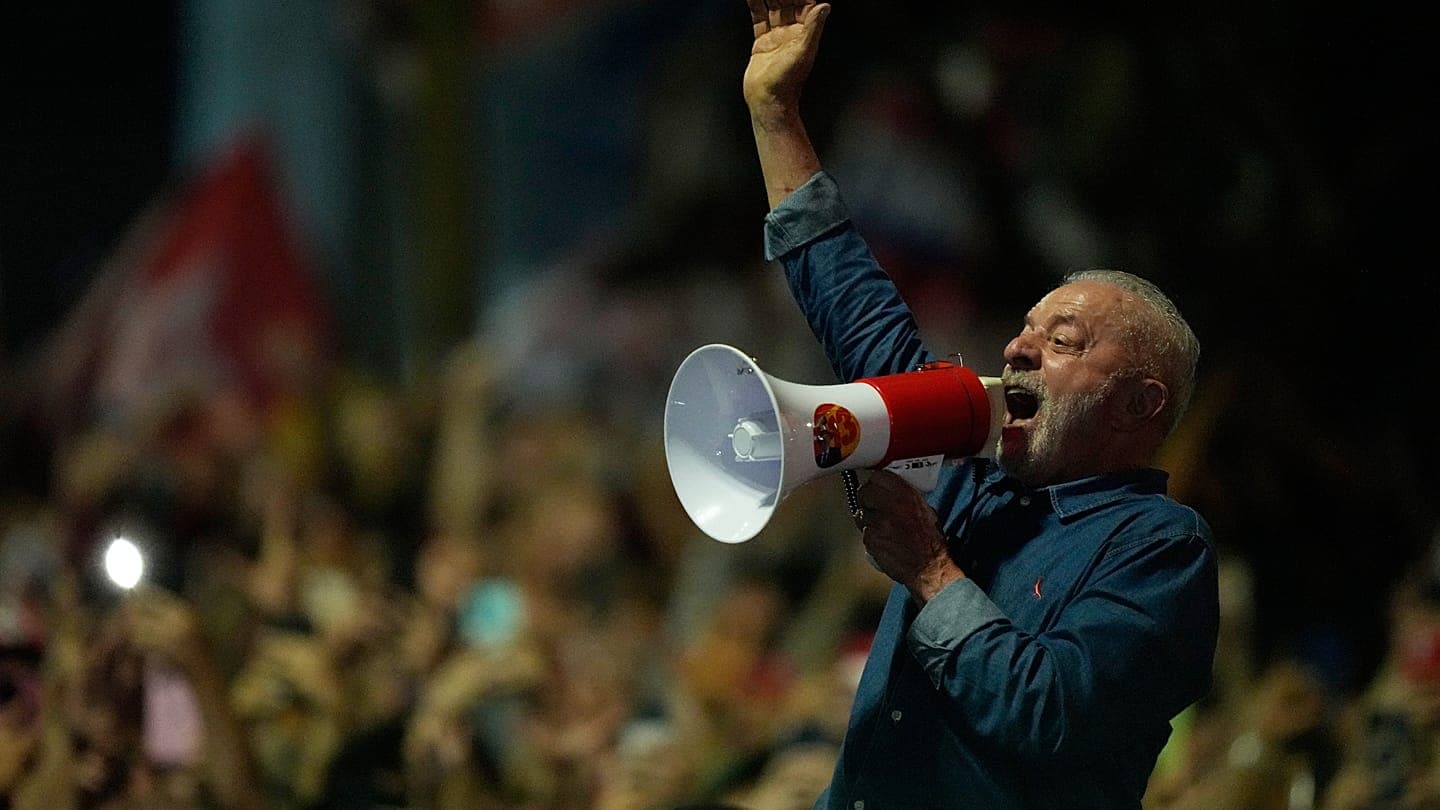
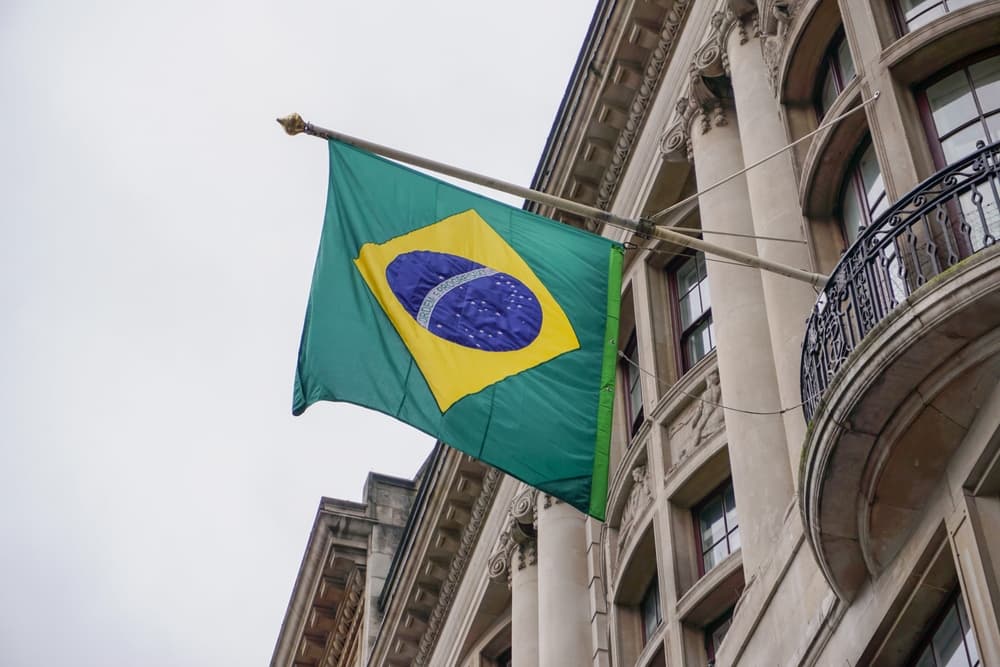
Lula da Silva won the second round of Brazil's presidential election with 51.8% of the vote against 48.2% for Senator Flávio Bolsonaro — a margin of about 4.4 million votes. Mass celebrations took place on Paulista Avenue, but the loser refused to accept the result and announced his intention to seek its annulment.
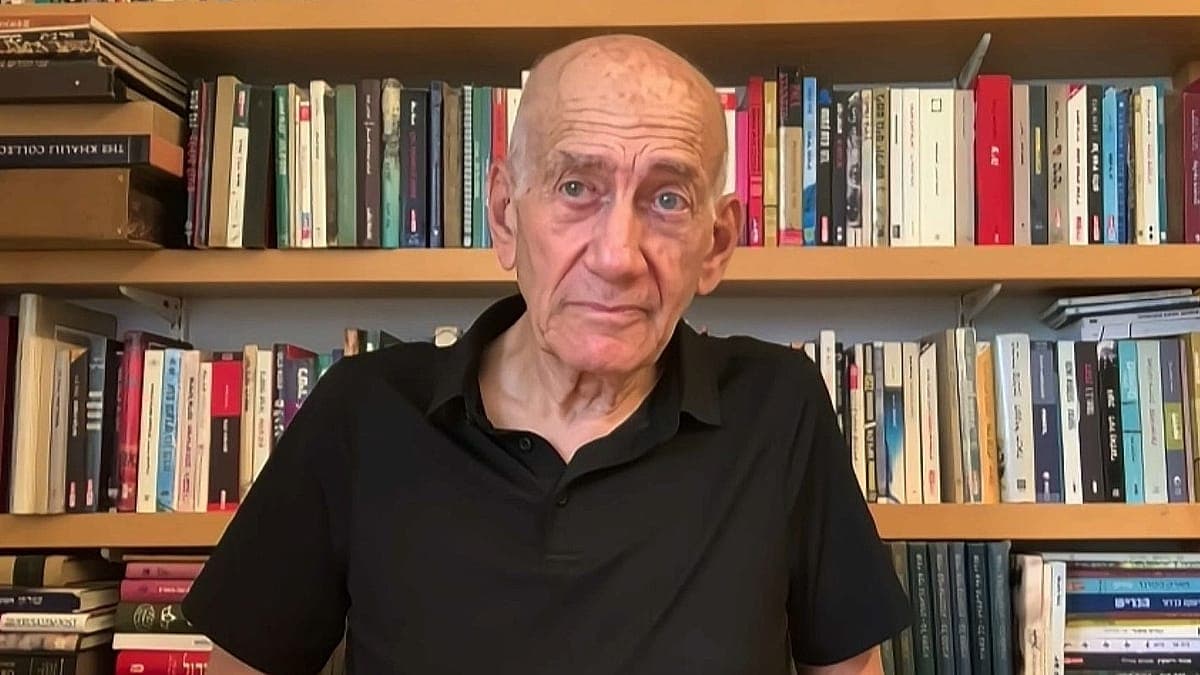
Former Israeli Prime Minister Ehud Olmert called the elections to be held on Tuesday 'an inevitable battle for the future of Israel' and warned that Benjamin Netanyahu's fate could become 'a catastrophe for the state.' These are the first elections since the October 7 attacks and the wars in Gaza and Lebanon.
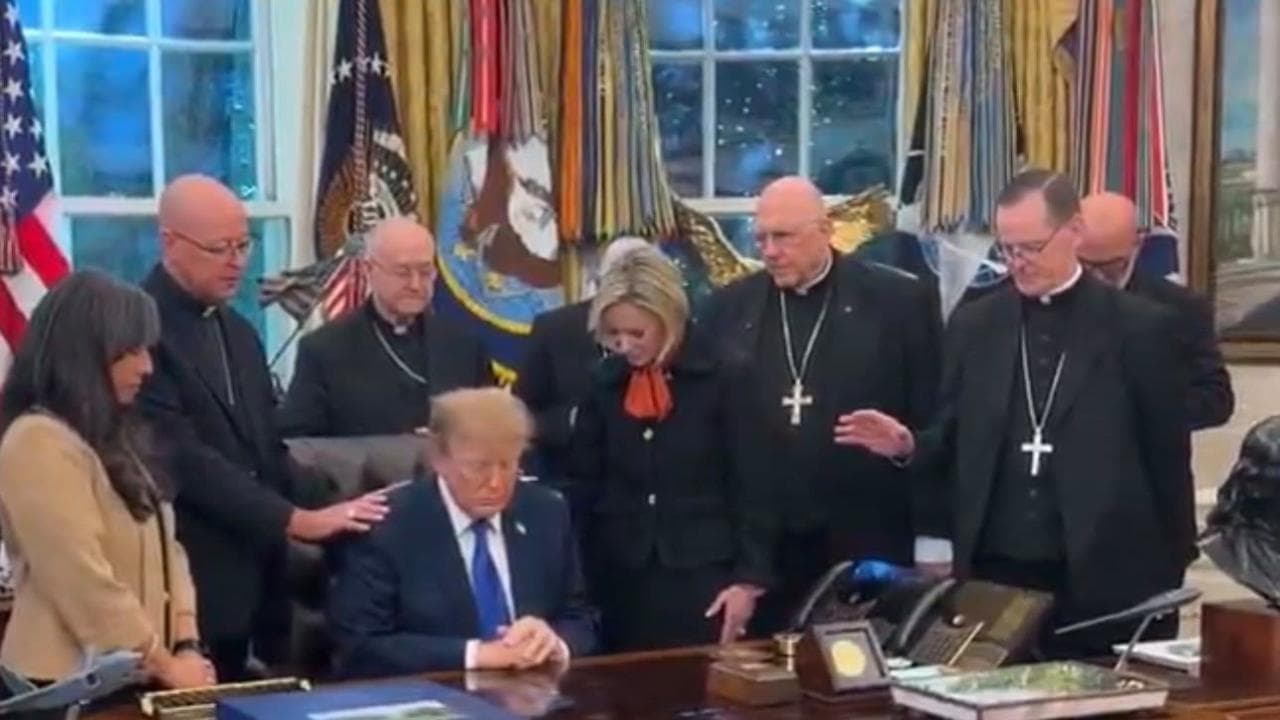
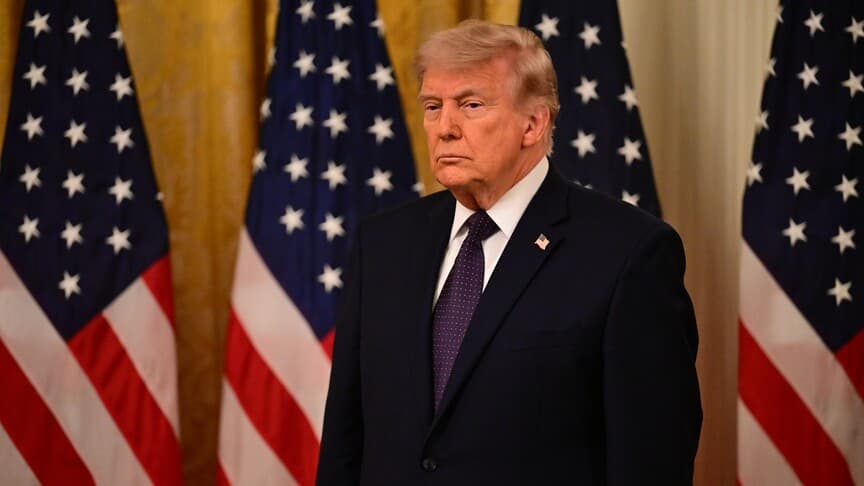
Two US Catholic bishops said they had not intended to take part in a political event after the White House published a video of their prayer with the president. The incident occurred amid a decline in Trump's approval rating among Catholics ahead of the November 3 midterm elections.
Luiz Inácio Lula da Silva has won a fourth presidential term, receiving about 51.8% of the vote. Environmentalists call the result a victory for the Amazon: deforestation under him has fallen by 71% from 2022 levels. However, Flávio Bolsonaro has not recognized the outcome, and his party has gained strength in Congress.
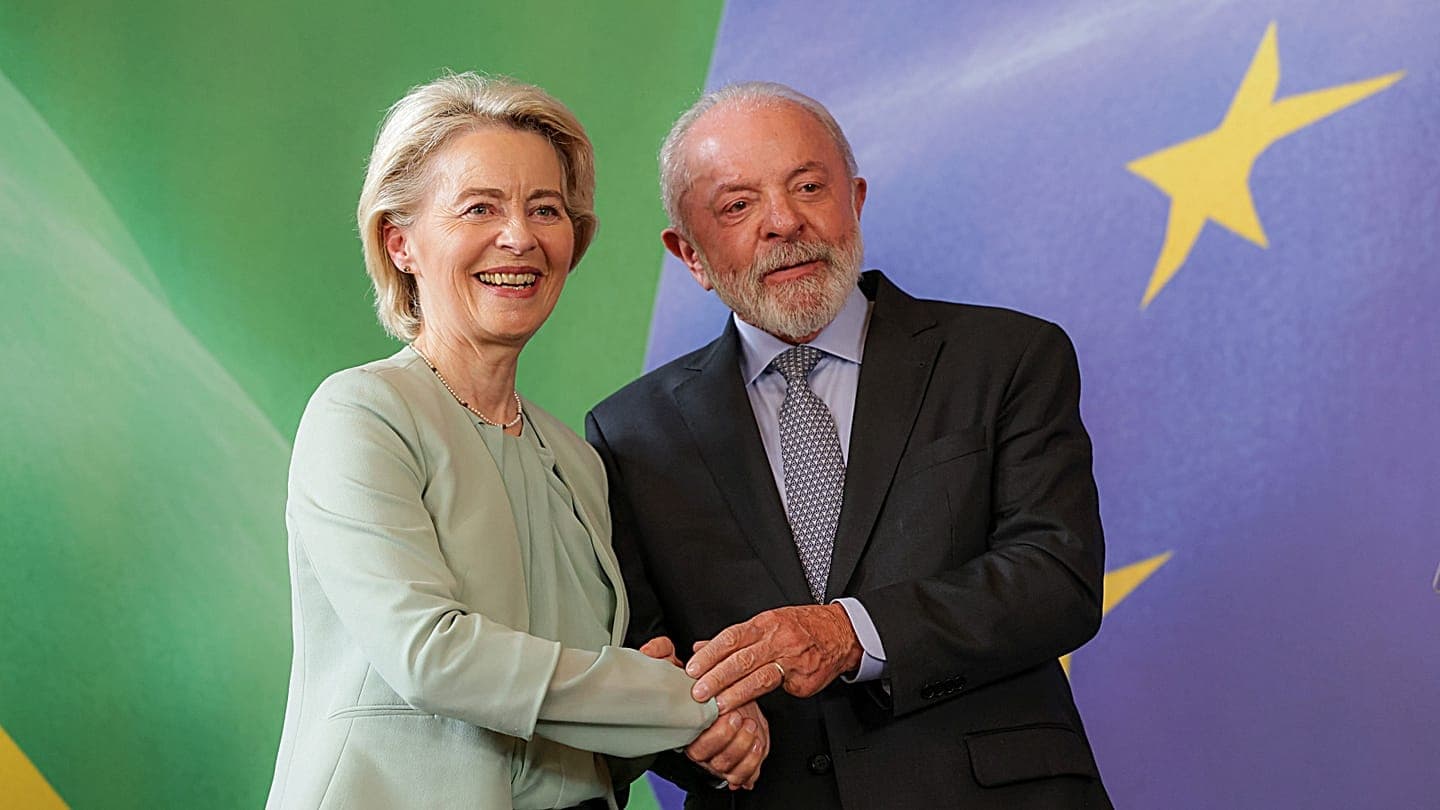
Lula da Silva won the Brazilian election with a margin of almost 4.4 million votes, taking 51.8%. European leaders congratulated him, stressing the importance of the EU–MERCOSUR deal signed in January, which his rival Flavio Bolsonaro had threatened. Bolsonaro himself is contesting the results.
US President Donald Trump announced a $1 million reward for information about fraud in past elections or in the upcoming midterm elections on November 3 — provided the perpetrators are arrested and convicted. The announcement was made a week before the vote that will determine which party controls Congress.
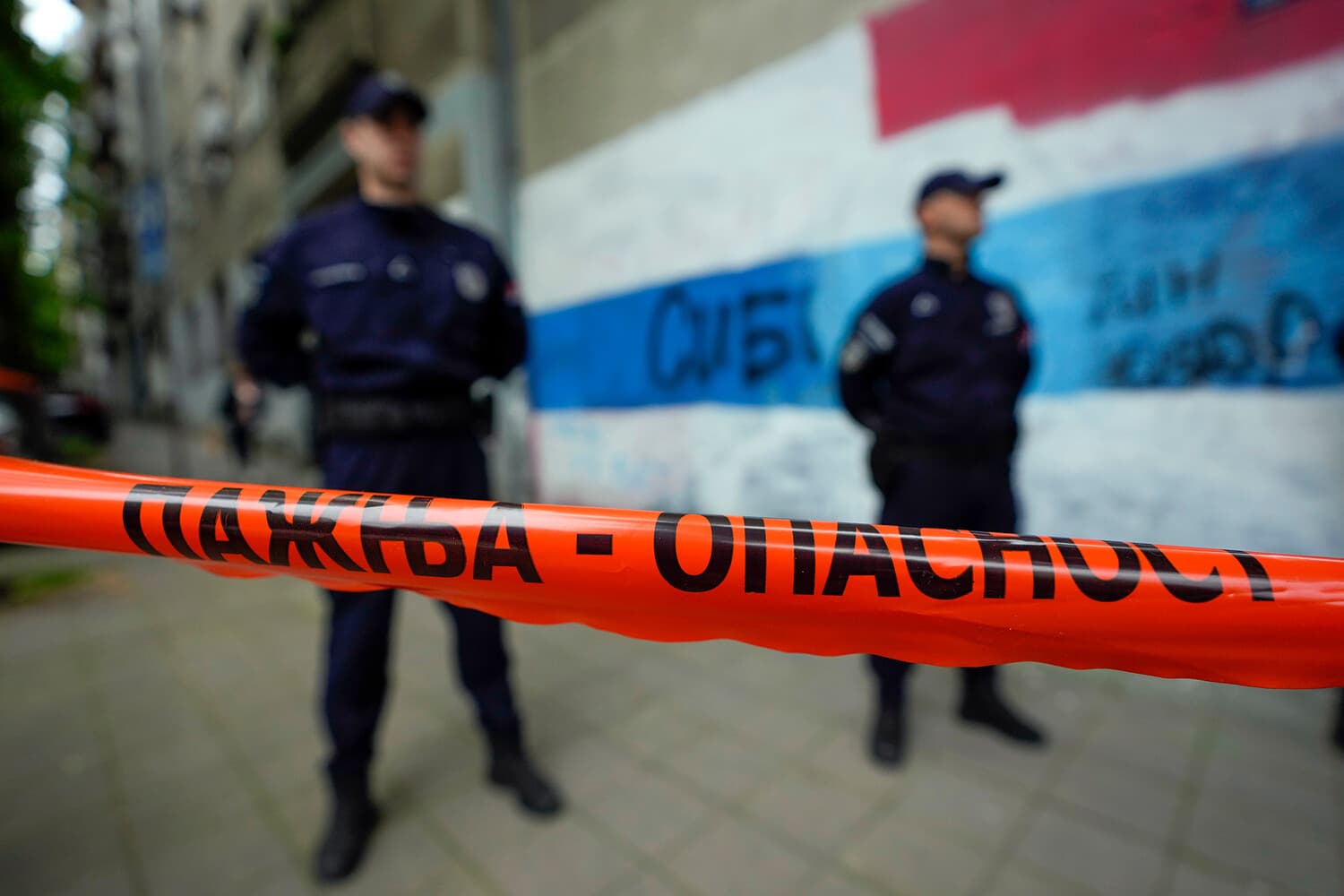
In Serbia, a group of people smashed windows and stormed the newsroom of the TV channel Informer TV, attacked editor-in-chief Dragan Vucicevic and wrecked the premises. Staff were evacuated by the gendarmerie. The incident occurred two days after parliamentary elections won by the opposition movement 'Student List' — the channel itself linked the attack to this movement.
After Lula da Silva's victory in the second round, Senator Flavio Bolsonaro received a Supreme Court order to surrender his passports; according to the BBC, the passports were then annulled after he failed to hand them over, and his whereabouts are unknown. The Liberal Party officially recognized the election results, but Bolsonaro himself, according to Anadolu, continues to seek annulment — although Life.ru reported that he had dropped this demand. After Lula da Silva's victory in the runoff, Senator Flavio Bolsonaro was ordered by the Supreme Court to surrender his passports; according to the BBC, the passports were then annulled after he failed to hand them over, and his whereabouts are unknown. The Liberal Party has officially conceded the election results, but Bolsonaro himself, according to Anadolu, continues to seek annulment — although Life.ru reported that this demand had been dropped.
On 27 October Israel holds its first nationwide elections since the Hamas attack of 7 October 2023. The campaign centres on the figure of Benjamin Netanyahu, the exemption of the ultra-Orthodox from military service, and accountability for the security failures, while the course of the wars themselves and the economy are barely discussed. On 27 October Israel holds its first nationwide elections since the Hamas attack of 7 October 2023. The campaign centres on Benjamin Netanyahu's personality, the exemption of ultra-Orthodox men from military service and accountability for the security failures, while the course of the wars themselves and the economy are barely discussed.
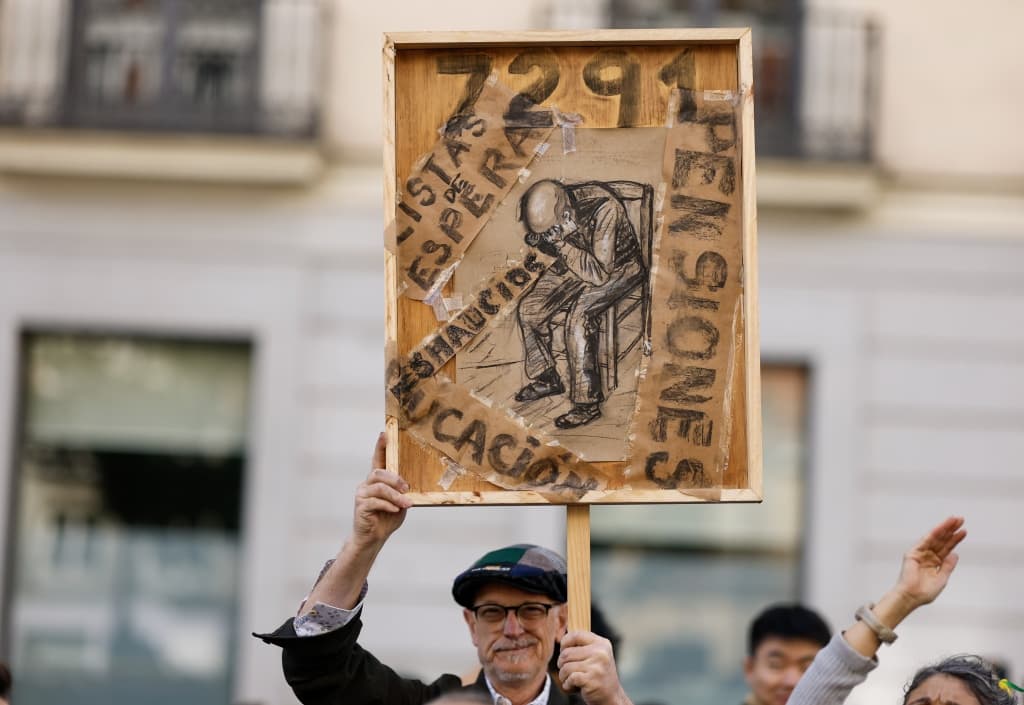
A rally was held in Madrid demanding the protection of the state pension system — a month before the parliamentary elections on November 29. According to city authorities, about 25,000 people took part. Pensions have become one of the key issues in the election contest between Pedro Sánchez's socialists and the Popular Party.
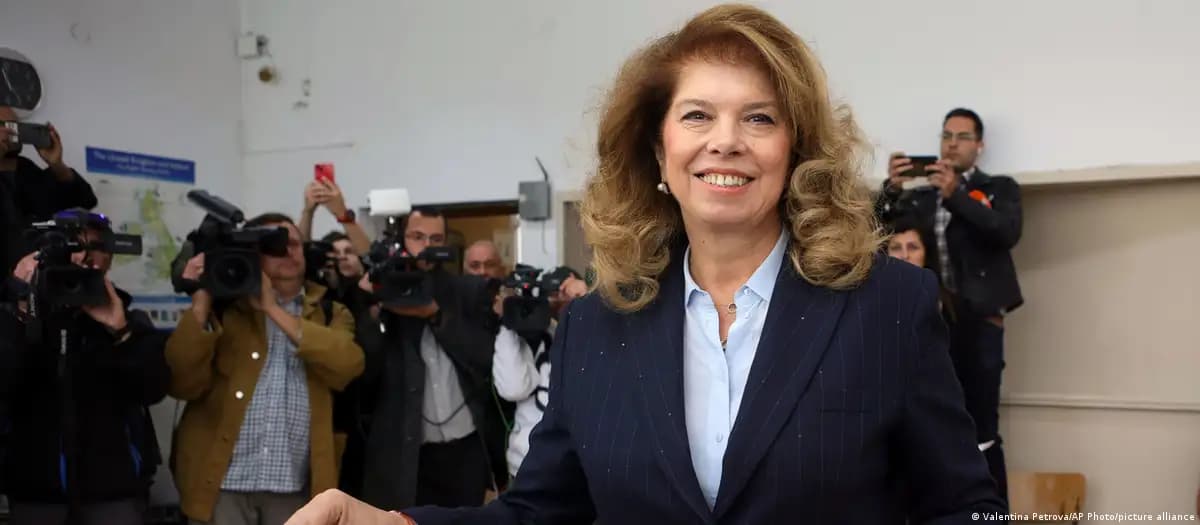
According to Bulgaria's Central Election Commission, after 95.3% of ballots were counted, no candidate received the share needed to win in the first round. Turnout was only 22.2%, while more than 50% was required. The runoff is scheduled for November 1. The campaign took place against the backdrop of disagreements over aid to Ukraine and incidents off the coast.