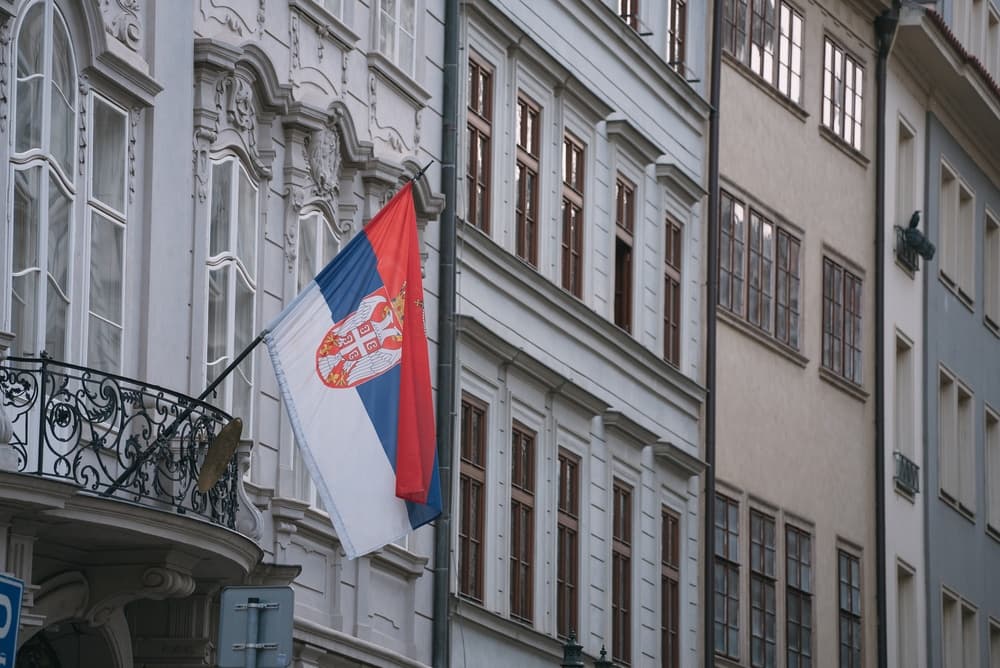
The key facts
- The opposition Student List won the majority of votes in the October 25 elections according to preliminary results
- Aleksandar Vucic suggested sanctions against Russia would be introduced in March or April 2027
- The opposition rejected this forecast and declared it would maintain cooperation with Moscow, including in the energy sector
Vucic bloc's defeat and the sanctions forecast
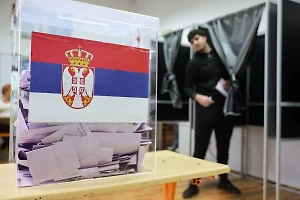
In Serbia's parliamentary elections on October 25, the bloc of former president Aleksandar Vucic suffered defeat: according to preliminary results, the opposition Student List won the majority of votes. After the vote, Vucic suggested that the new authorities would impose restrictions against Russia as early as March or April 2027. This was reported by Life.ru.
A political scientist's skeptical assessment
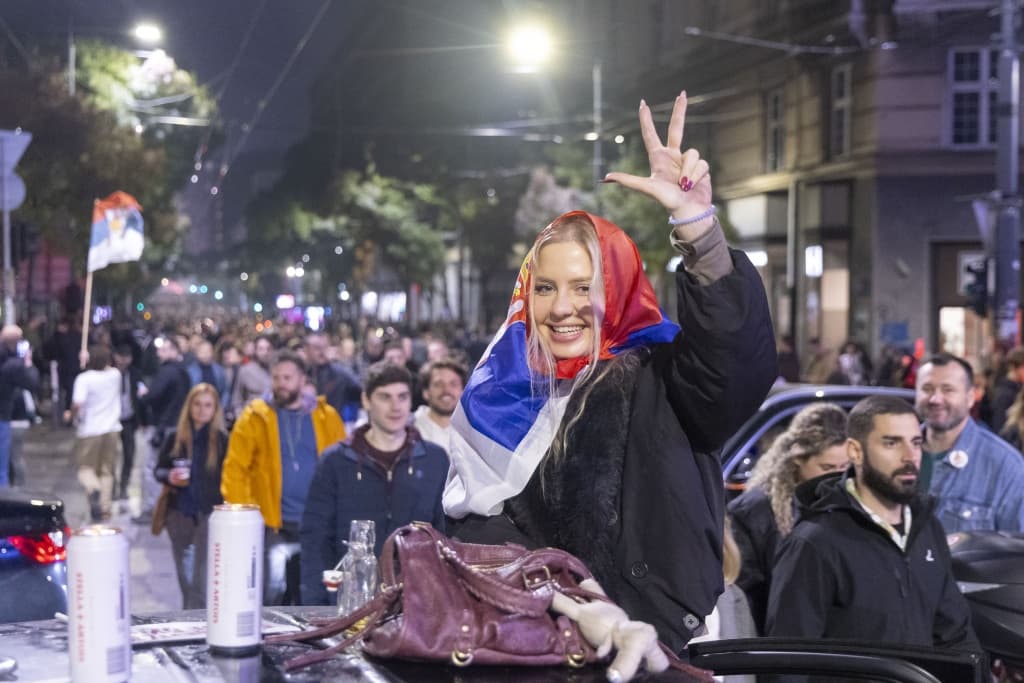
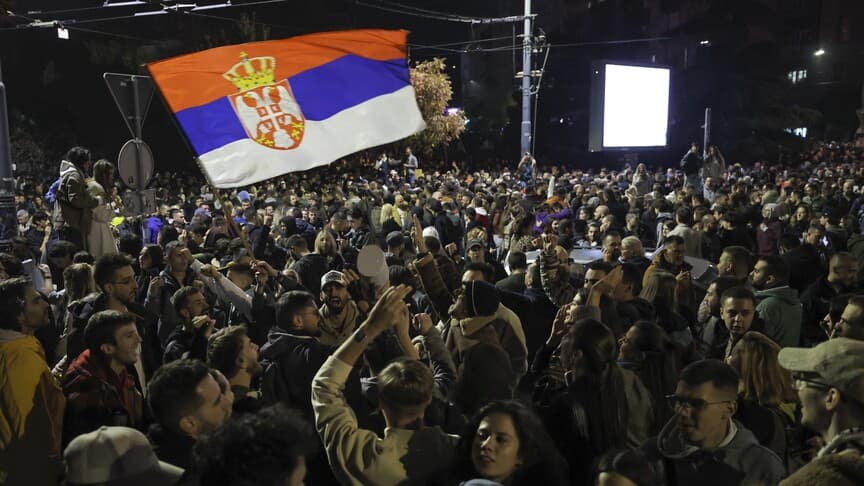
Political scientist Oleg Bondarenko, speaking on Komsomolskaya Pravda radio, did not share these concerns. In his assessment, the winners' positions on Kosovo, European integration and relations with Moscow hardly differ from the previous course. 'I do not think everything will turn out the way Aleksandar Vucic announced,' the expert stressed. He also named dissatisfaction with the domestic situation as the main reason for the former ruling team's defeat: voters were tired of the previous leadership, corruption scandals and the aftermath of the tragedy at the Novi Sad railway station, which triggered mass protests. Bondarenko attributed the high turnout primarily to Serbs' desire for political change, not to a rejection of cooperation with Russia.
The opposition's own position and open questions
Life.ru previously reported, that the victorious opposition rejected Vucic's forecast about sanctions: representatives of the movement declared their intention to maintain cooperation with Moscow, including in the energy sector. However, government formation still lies ahead — it is unknown who will take key posts and whether representatives of different political views will be able to reach agreement among themselves. Thus, the question of the foreign policy course of the new Serbian authorities remains open: Vucic's forecast, Bondarenko's skeptical assessment and the opposition's own statements have not yet been tested by real decisions of the future government.