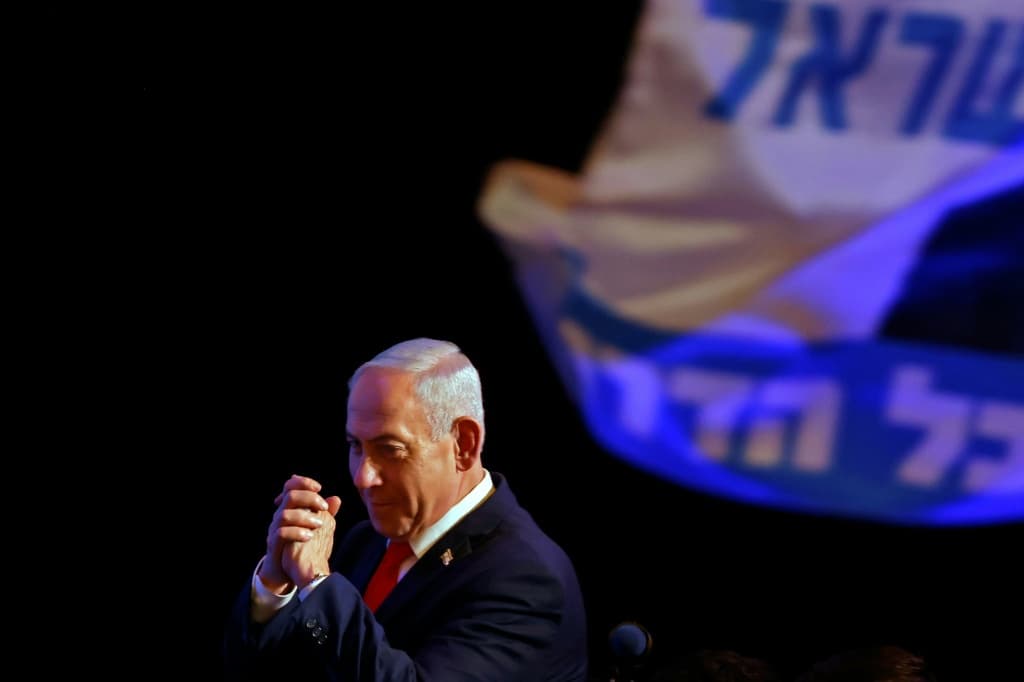
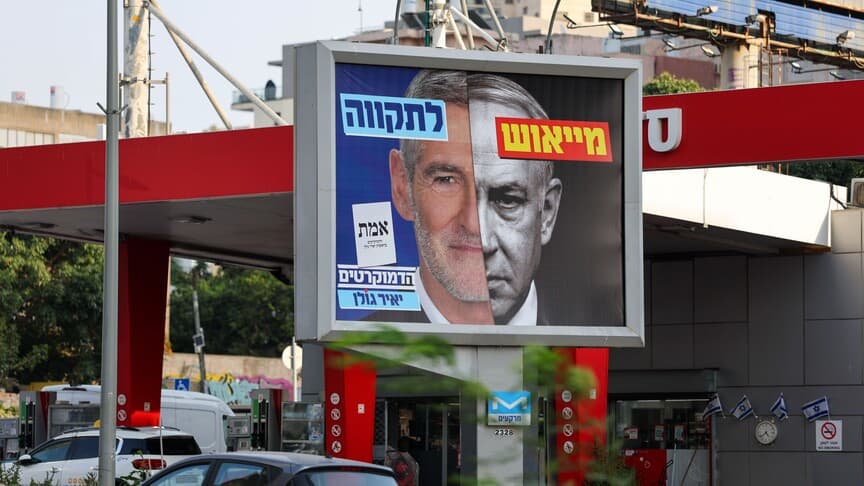
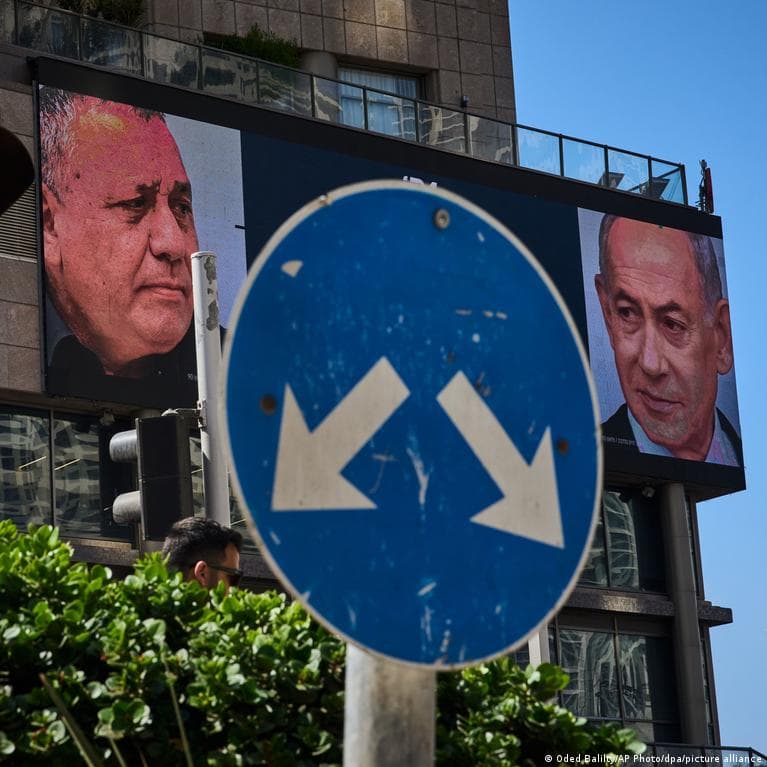
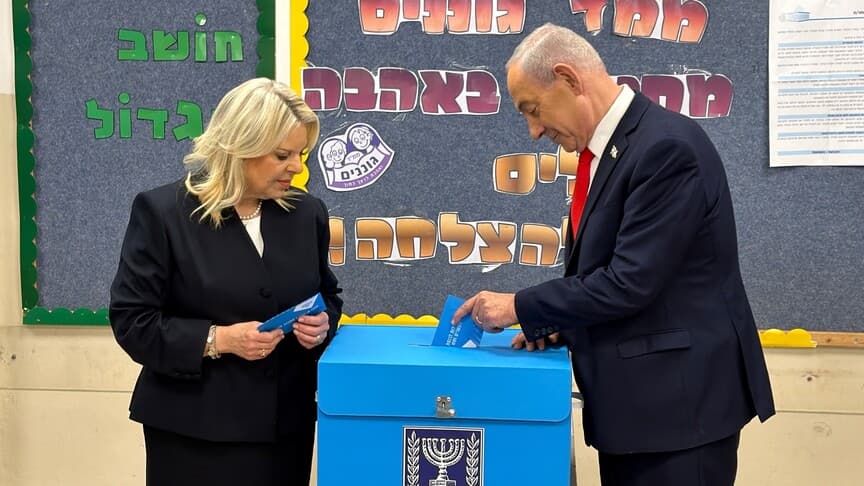
Following the elections, neither Benjamin Netanyahu's bloc nor Gadi Eisenkot's opposition reaches the threshold of 61 seats out of 120. Arab parties, which sharply increased their representation, could play a key role. President Isaac Herzog urged avoiding a repeat vote.
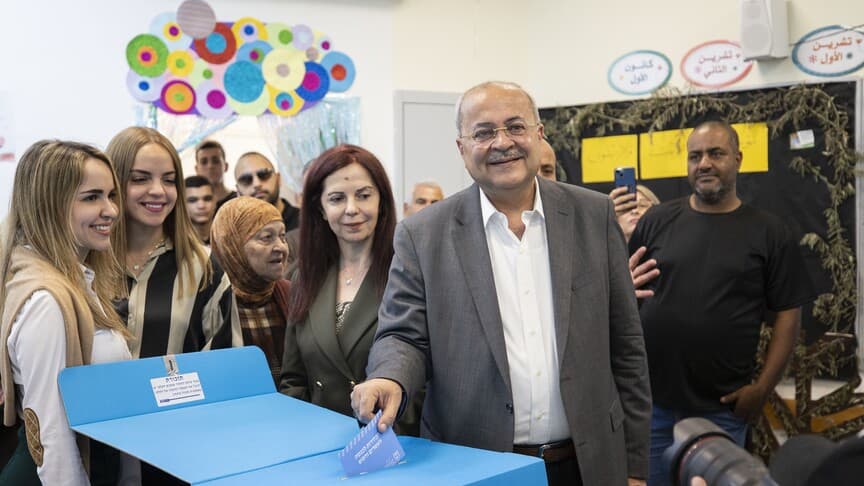
After most votes were counted in Israel's general election, the Arab parties — the Joint Arab List and Ra'am — won a record 18 of the Knesset's 120 seats. Although neither of the two main contenders for prime minister is likely to include them in a coalition, high Arab voter turnout, according to analysts, denied Benjamin Netanyahu a path to a single-party majority and may push him toward a government of national unity.
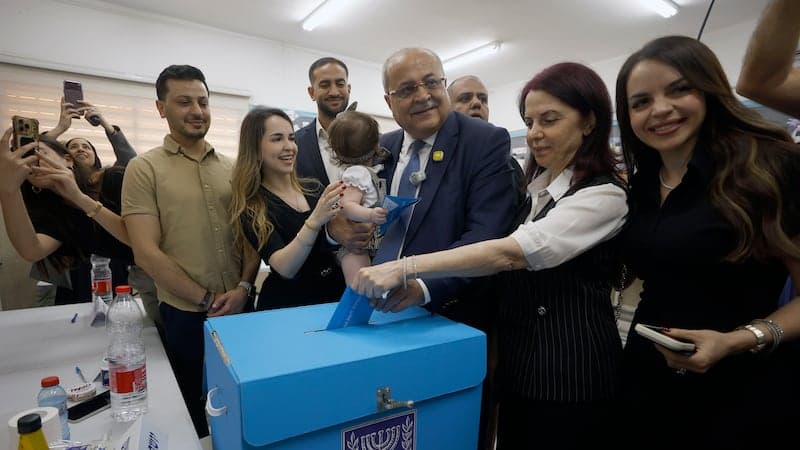
Joint List leader Ahmad Tibi announced readiness to support Gadi Eisenkot's opposition bloc to unseat Netanyahu's government. With 84.5% of votes counted, Netanyahu's bloc receives 54 of 120 mandates — seven short of a majority.
In Israel's election, turnout among Palestinian citizens of Israel reached about 80%, and Arab parties expect a record 17–18 seats in the Knesset. This could make them key players in forming a coalition against Benjamin Netanyahu, although official results are still being counted.
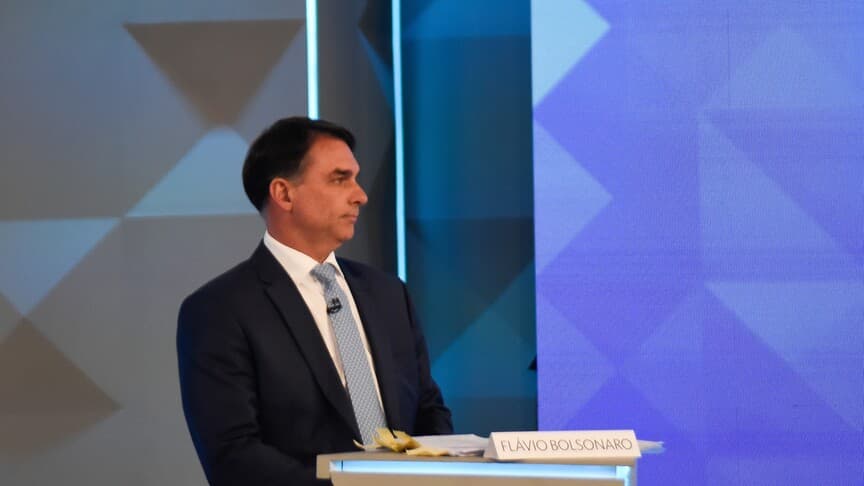
Senator Flavio Bolsonaro, who lost to Lula in the presidential election, left Brazil via Argentina for Ecuador, even though the Supreme Court banned him from leaving the country and ordered him to surrender his passports. The US State Department said it was ready to issue visas to him and his family. Senator Flavio Bolsonaro, who lost to Lula in the presidential election, left Brazil via Argentina for Ecuador, even though the Supreme Court barred him from leaving the country and ordered him to surrender his passports. The U.S. State Department said it was ready to issue visas to him and his family.
After 14 years in power, Aleksandar Vucic lost the elections to a movement without a single leader. International Crisis Group analyst Marko Prelec considers doubts about its ability to govern the country premature and notes that the movement is seeking better relations with the EU, although it remains 'ambiguous' on the question of membership.
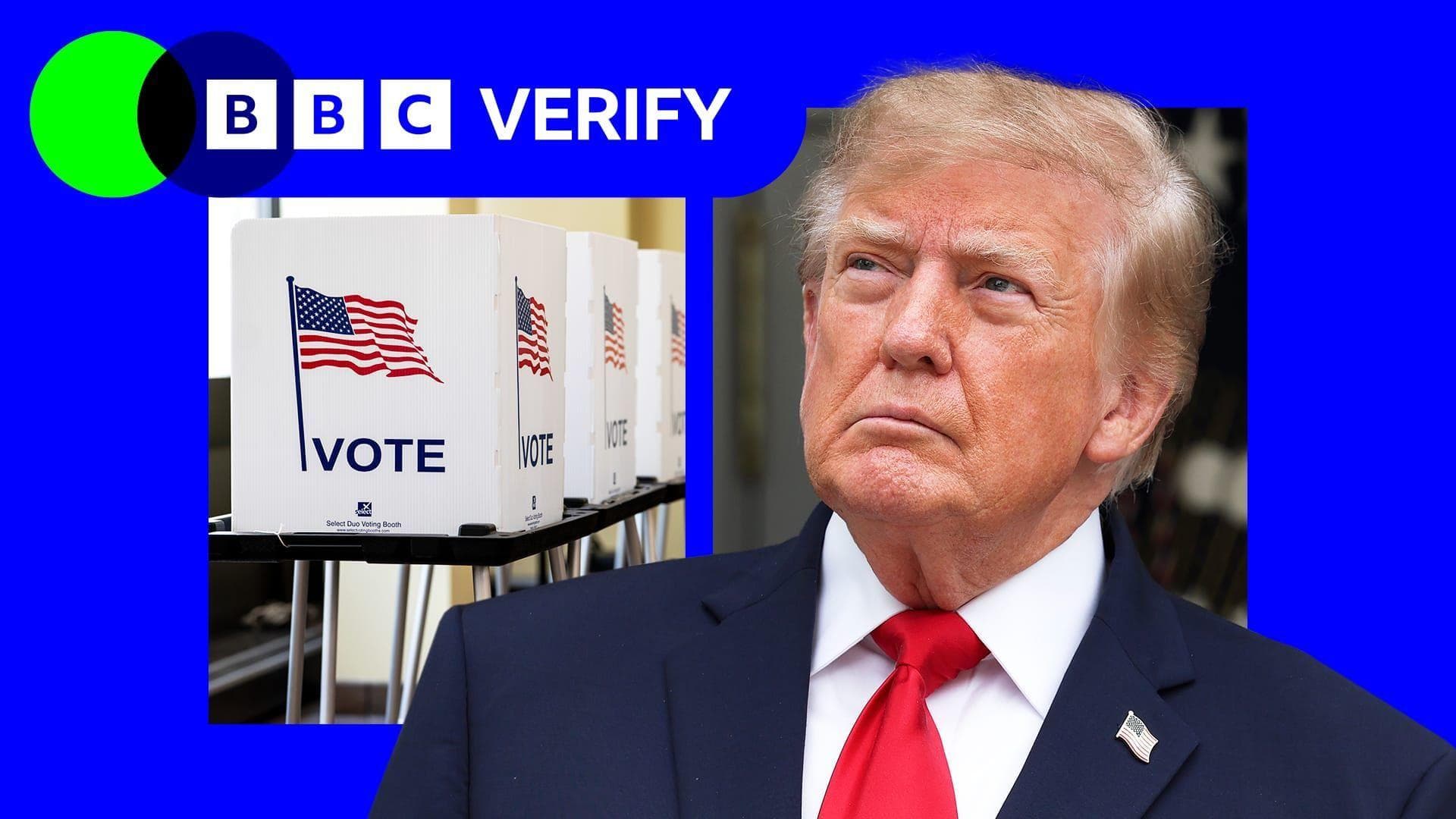
Ahead of the November 3 midterm elections, Donald Trump announced a $1 million reward for information about voting fraud that leads to a conviction. BBC Verify compared his claims with research data: mail-in fraud and voting by non-citizens are recorded extremely rarely, but disputes over ballot verification rules and citizenship continue. Ahead of the November 3 midterm elections, Donald Trump announced a $1 million reward for information about voting fraud that leads to a conviction. BBC Verify compared his claims with research data: mail fraud and voting by non-citizens are extremely rare, but disputes over rules for verifying ballots and citizenship continue.
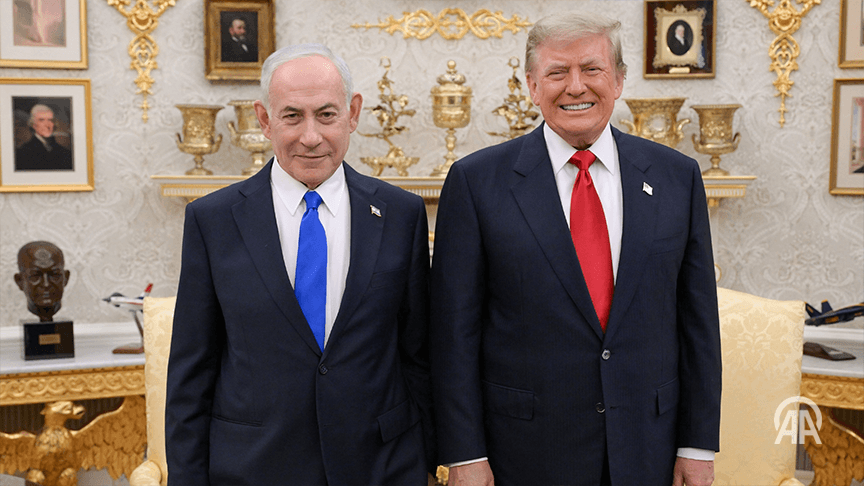
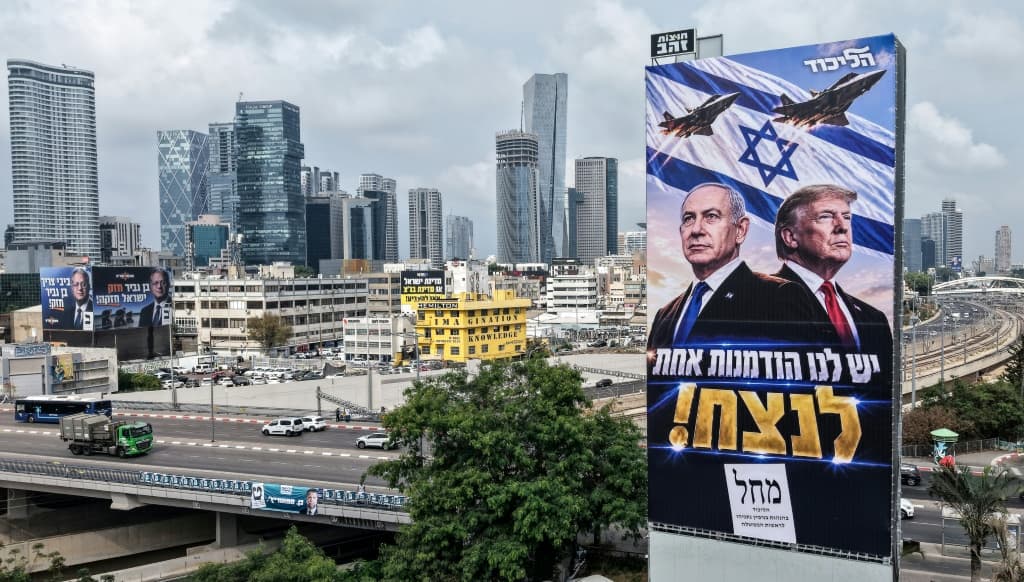
Donald Trump claims that his support contributed to Benjamin Netanyahu's result in Israel's parliamentary elections. According to preliminary data, with 48% of ballots counted, Netanyahu's bloc is projected to receive about 55 seats, falling six short of a majority in the Knesset.
According to exit polls, the blocs of Benjamin Netanyahu and Gadi Eisenkot each received about 51 mandates — below the threshold of 61 seats. Both politicians claimed the right to form a government; Arab parties gained strength sharply, and the outcome may depend on their external support.
According to Yedioth Ahronoth, with about 28% of votes counted, Benjamin Netanyahu's bloc leads the opposition 50.4% to 49.6%. Neither bloc has yet secured the 61 seats needed in the Knesset. Turnout reached 77.7% — the highest since 1999.
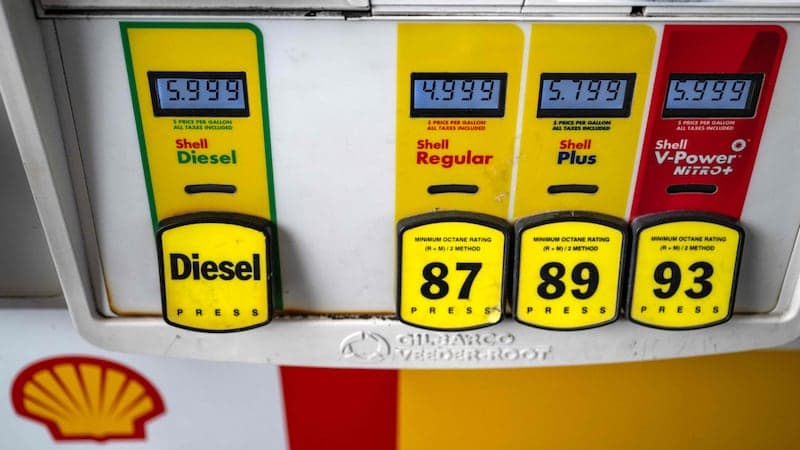
A week before the midterm congressional elections, Democrats are linking support for the war in Iran to rising fuel prices. Several vulnerable Republicans — Dan Sullivan, Pete Ricketts, Mike Lawler and Roger Marshall — are facing unexpectedly competitive campaigns. A week before the midterm elections to Congress, Democrats are linking support for the war in Iran to rising fuel prices. Several vulnerable Republicans — Dan Sullivan, Pete Ricketts, Mike Lawler and Roger Marshall — are facing unexpectedly competitive campaigns.
According to Israel's Central Elections Committee, 16.8% of votes have been counted: Prime Minister Benjamin Netanyahu's Likud party receives 24.1%, while Yair Eisenkot's Yashar party gets 16.1%. Exit polls give neither bloc a majority of 61 seats. Turnout is 77.7%, the highest since 1999.
Senator Flávio Bolsonaro, who lost to Lula in the second round of the election, reportedly arrived in the US on Tuesday, even though the Supreme Court had ordered him to surrender his passports. Washington confirmed issuing visas to the politician's family. The route of his departure remains unclear: there are no official records of a border crossing.
According to exit polls by Israeli TV channels, neither Gadi Eisenkot's bloc nor Benjamin Netanyahu's coalition reaches the majority of 61 Knesset seats. Likud remains the largest party, and the Arab parties, with a record result, could become the arbiter in coalition formation. Turnout was the highest in decades, with final results not expected before Thursday. According to exit polls by Israeli television channels, neither Gadi Eisenkot's bloc nor Benjamin Netanyahu's coalition is winning a majority of 61 seats in the Knesset. Likud remains the largest party, while the Arab parties, with a record result, could become the kingmaker in coalition formation. Turnout was the highest in decades, with final results not expected before Thursday.
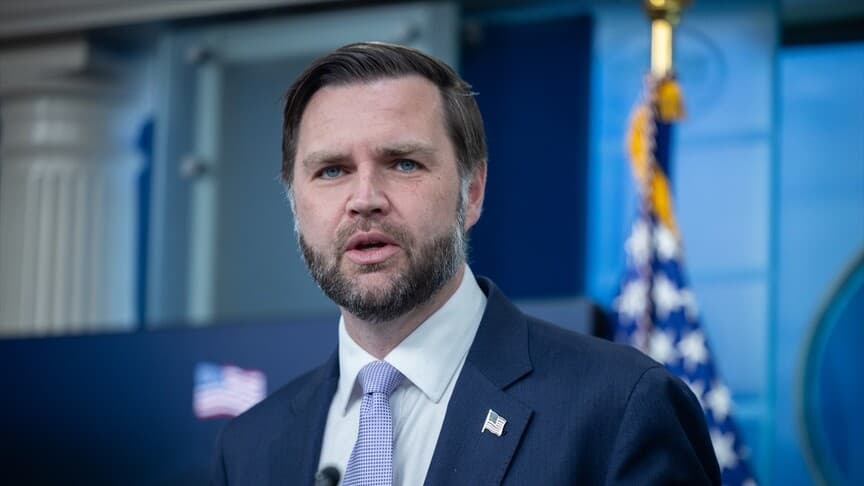
The Trump administration is challenging the results of the Alaska Senate election, labeling the participation of a candidate with a name nearly identical to that of incumbent senator Dan Sullivan as fraud. Vice President JD Vance and President Trump claim this could confuse voters, while the Department of Justice has filed a lawsuit seeking to prevent certification of the results if the incumbent senator loses.
On Tuesday, Israel holds its first general election since the Hamas attack of October 7, 2023. The contest is between Benjamin Netanyahu and Gadi Eisenkot, but experts do not expect a sharp reversal in Iran policy: in their view, key decisions are made in Washington. On Tuesday, Israel holds its first general elections since the Hamas attack of October 7, 2023. The contest is between Benjamin Netanyahu and Gadi Eisenkot, but experts do not expect a sharp reversal in Iran policy: key decisions, in their view, are made in Washington.
Israel's elections saw the highest turnout since 1981, largely thanks to Arab voters. Arab parties could win up to 16 seats in the 120-seat Knesset and become potential 'kingmakers' in forming a coalition.
Voter turnout in the Knesset elections reached a record 55.7% by 16:00, compared to 47.5% in the previous elections. Netanyahu and right-wing ministers urgently called on supporters to vote, fearing high turnout among Arab voters. According to polls, no bloc was guaranteed the 61 seats needed to form a government.