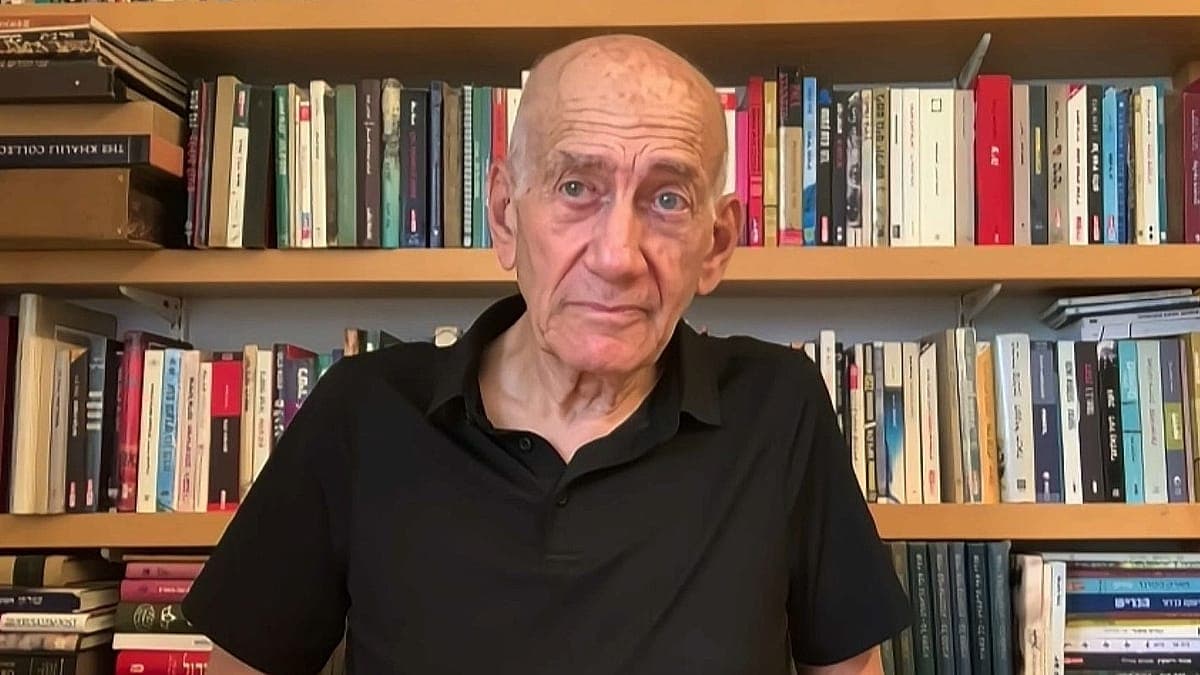
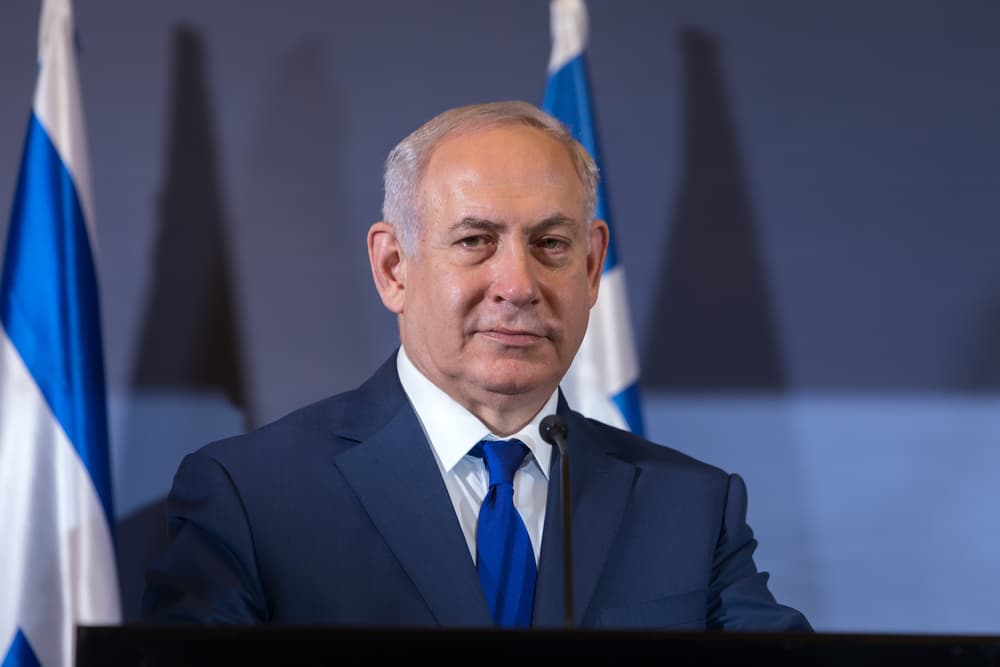
Former Israeli Prime Minister Ehud Olmert called the elections to be held on Tuesday 'an inevitable battle for the future of Israel' and warned that Benjamin Netanyahu's fate could become 'a catastrophe for the state.' These are the first elections since the October 7 attacks and the wars in Gaza and Lebanon.
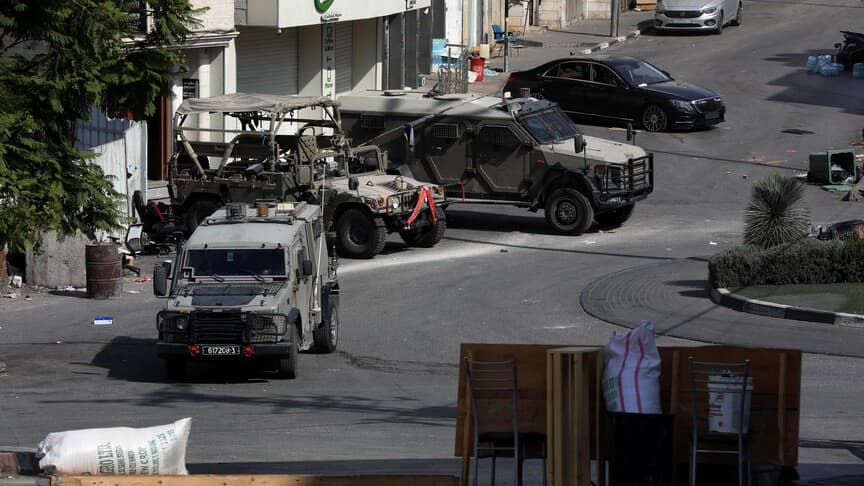
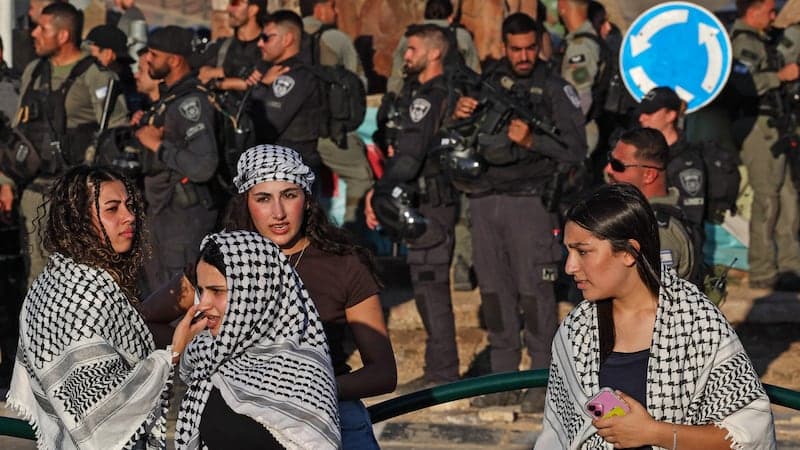
During a raid in the Palestinian city of Qalqilya, Israeli forces evicted Nimr Abu Shihab from his home and demolished it with two bulldozers, citing the lack of a building permit. Tear gas and gunfire were used during the clashes; three people affected by the gas received aid. The Colonization Resistance Commission documented 13 attacks on farmers in four provinces.
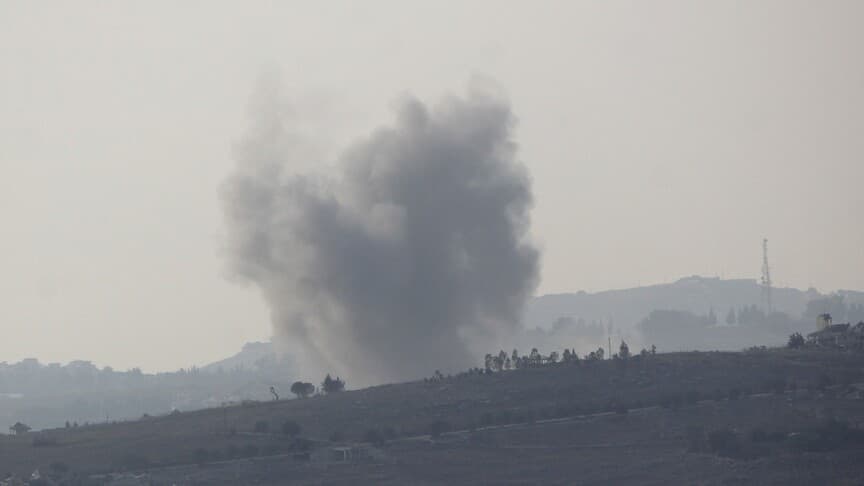
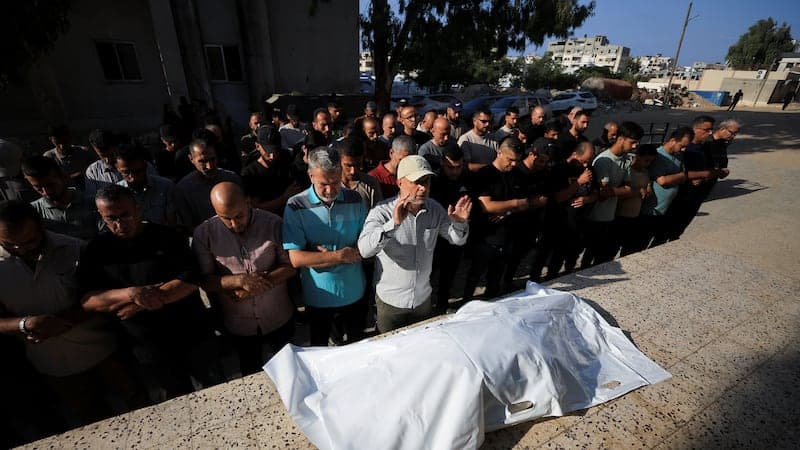
An Israeli army drone attacked a house in the Nabatieh district, artillery shelled several areas, and a scrap metal collector was injured in the explosion of a suspicious object. According to the Lebanese agency NNA, at least 4,386 people have been killed as a result of Israeli attacks since March 2.
On 27 October Israel holds its first nationwide elections since the Hamas attack of 7 October 2023. The campaign centres on the figure of Benjamin Netanyahu, the exemption of the ultra-Orthodox from military service, and accountability for the security failures, while the course of the wars themselves and the economy are barely discussed. On 27 October Israel holds its first nationwide elections since the Hamas attack of 7 October 2023. The campaign centres on Benjamin Netanyahu's personality, the exemption of ultra-Orthodox men from military service and accountability for the security failures, while the course of the wars themselves and the economy are barely discussed.
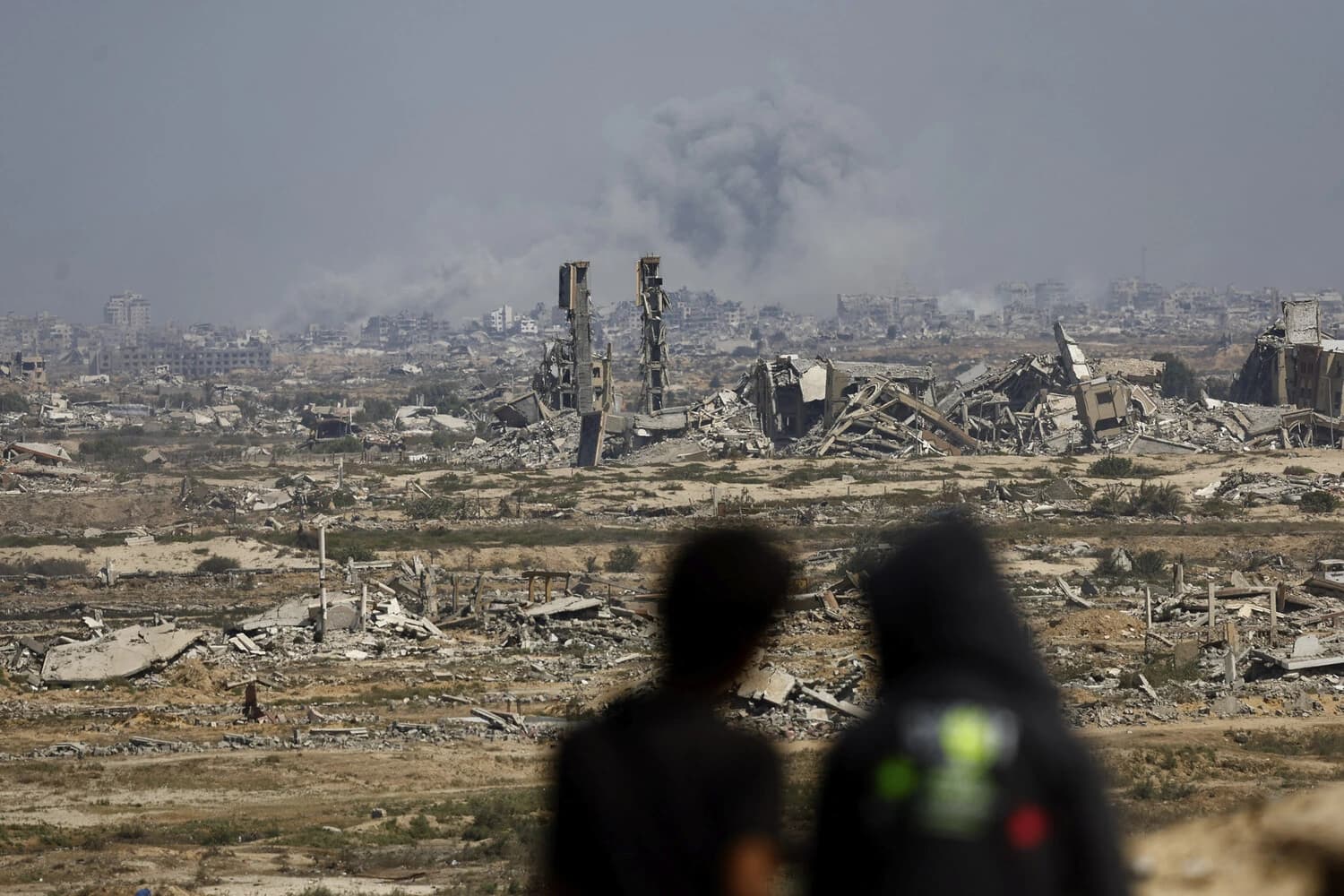
The Israel Defense Forces said that over the past weekend it struck the north, south and center of the Gaza Strip, eliminating four radicals from Hamas and Islamic Jihad. A strike was also carried out on a discovered sniper position structure. The reports of the strikes came against the backdrop of the Hamas disarmament agreement in effect since July 31, the terms of which the parties interpret differently.
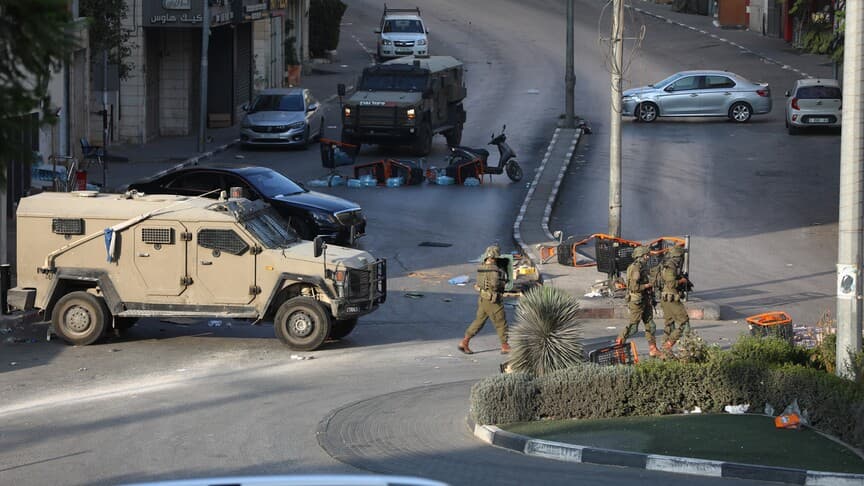
UN Secretary-General António Guterres and High Commissioner for Human Rights Volker Türk criticized Israel's military operation in Hebron, launched after a shootout in which two Israeli soldiers and two Palestinian militants were killed. The Hebron municipality reported that more than 3,000 people were ordered to leave the area. The operation began days before Israel's general election.
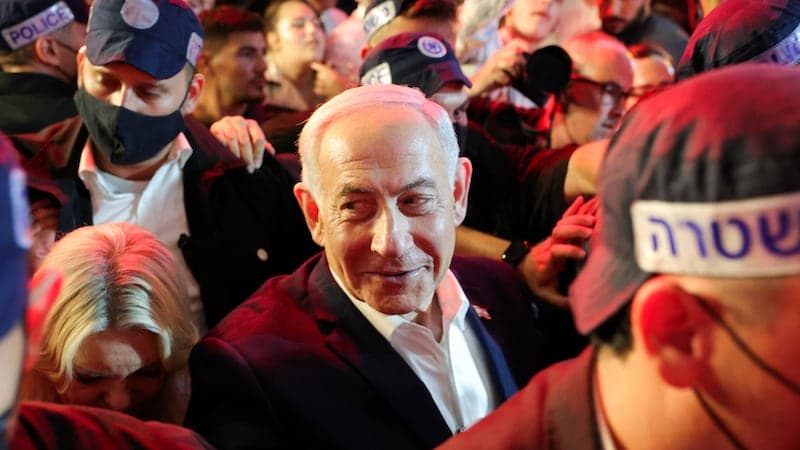
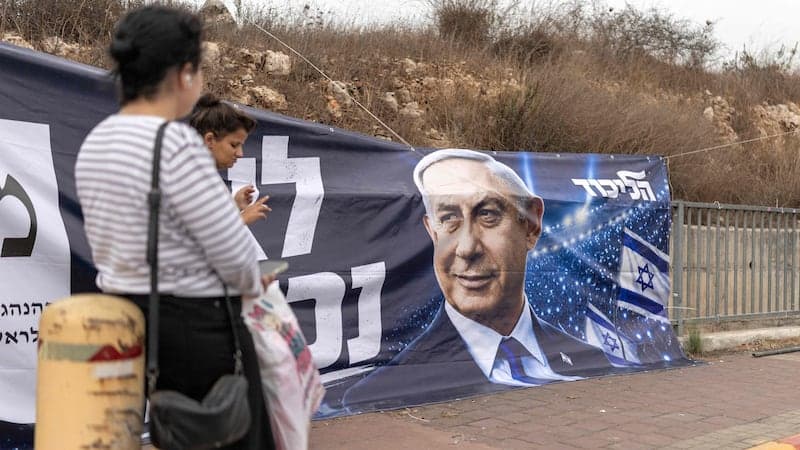
On the eve of Israel's parliamentary elections, the main question of the campaign remains the political future of Benjamin Netanyahu. Former government spokesperson Eylon Levy told Euronews that this question is the main dividing line in Israeli politics and suggested that war with Iran could resume after the US midterm elections on November 3.
Within a single week, elections to the Israeli parliament and the US Congress will take place. According to the BBC, their results could affect the war with Iran, the global economy, and bilateral relations: about half a million Israelis with American passports may vote in both countries. Within a single week, elections to the Israeli parliament and the US Congress will take place. According to the BBC, their results could affect the war with Iran, the global economy and bilateral relations: around half a million Israelis with American passports may be able to vote in both countries. Within a single week, elections will take place for the Israeli parliament and the US Congress. According to the BBC, their results could affect the war with Iran, the global economy and bilateral relations: around half a million Israelis with American passports may be able to vote in both countries.
In the final days before Israel's general election, Prime Minister Benjamin Netanyahu has taken a series of controversial steps: he posted an AI-generated image of a nuclear strike on Tel Aviv with a warning of a 'second Holocaust,' proposed using cryptocurrency to circumvent sanctions, received a renewed endorsement from Donald Trump, and, according to media reports, tried to reach a deal with an ultra-Orthodox party to withdraw from the race. The opposition accuses him of intimidating voters and corrupt deals. In the final days before the general election, Israeli Prime Minister Benjamin Netanyahu has taken a series of controversial steps: he published an AI-generated image of a nuclear strike on Tel Aviv with a warning of a 'second Holocaust,' proposed using cryptocurrency to circumvent sanctions, received renewed backing from Donald Trump, and, according to media reports, tried to reach an agreement with an ultra-Orthodox party to withdraw from the race. The opposition accuses him of intimidating voters and of corrupt deals.
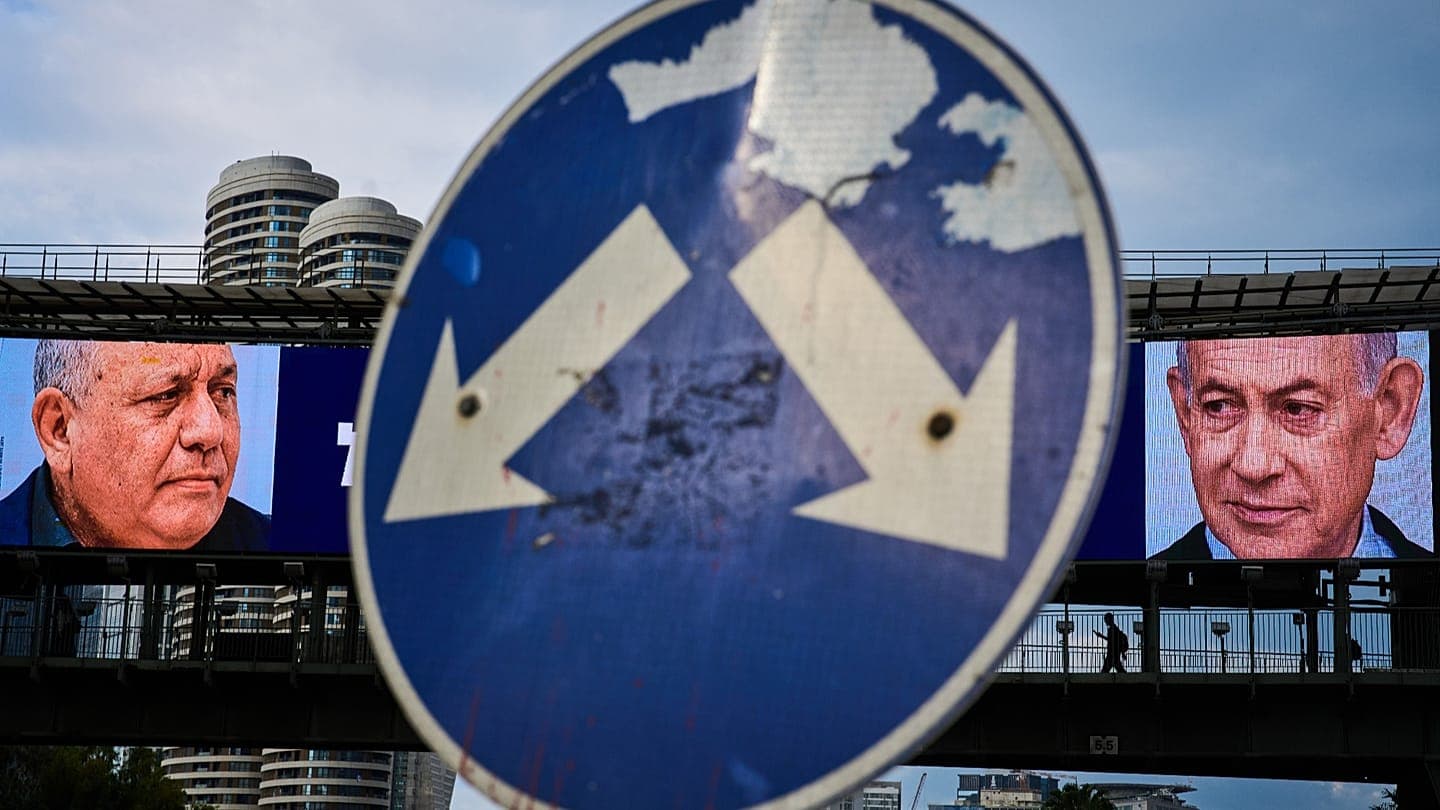
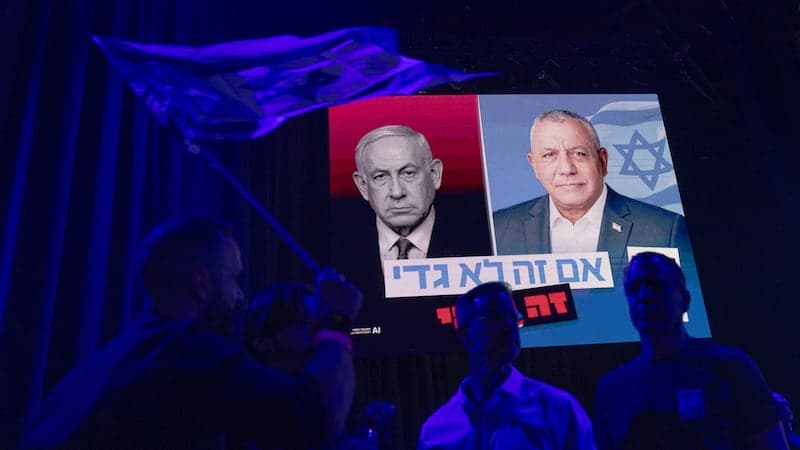
Israel held parliamentary elections on Tuesday: about 7.3 million voters are choosing 120 Knesset members from 36 parties. The central question is the fate of Benjamin Netanyahu, whose four-year term has been marked by the security failure of October 7, 2023 and the wars in Gaza, Lebanon and against Iran. Polls point to a close race, with the main rival being former army chief of staff Gadi Eisenkot.
An independent UN Human Rights Council commission presented a report to the General Assembly asserting that Israel continues 'genocidal acts' in Gaza a year after the ceasefire, and commits war crimes and crimes against humanity in the West Bank. Israel rejected the findings and demanded the commission be disbanded. An independent UN Human Rights Council commission presented a report to the General Assembly asserting that Israel continues 'genocidal actions' in Gaza a year after the ceasefire, and is committing war crimes and crimes against humanity in the West Bank. Israel rejected the findings and demanded the commission be dissolved.
On Tuesday Israel will hold parliamentary elections that The National calls among the most consequential in the country's recent history. For the first time, voters will be able to judge the leadership's actions over the security failures surrounding the October 7, 2023 attacks. About 7.3 million Israelis will choose 120 Knesset members from 36 parties. Exit polls are expected at 10:00 p.m., official results by November 4, and coalition formation could take weeks or months.
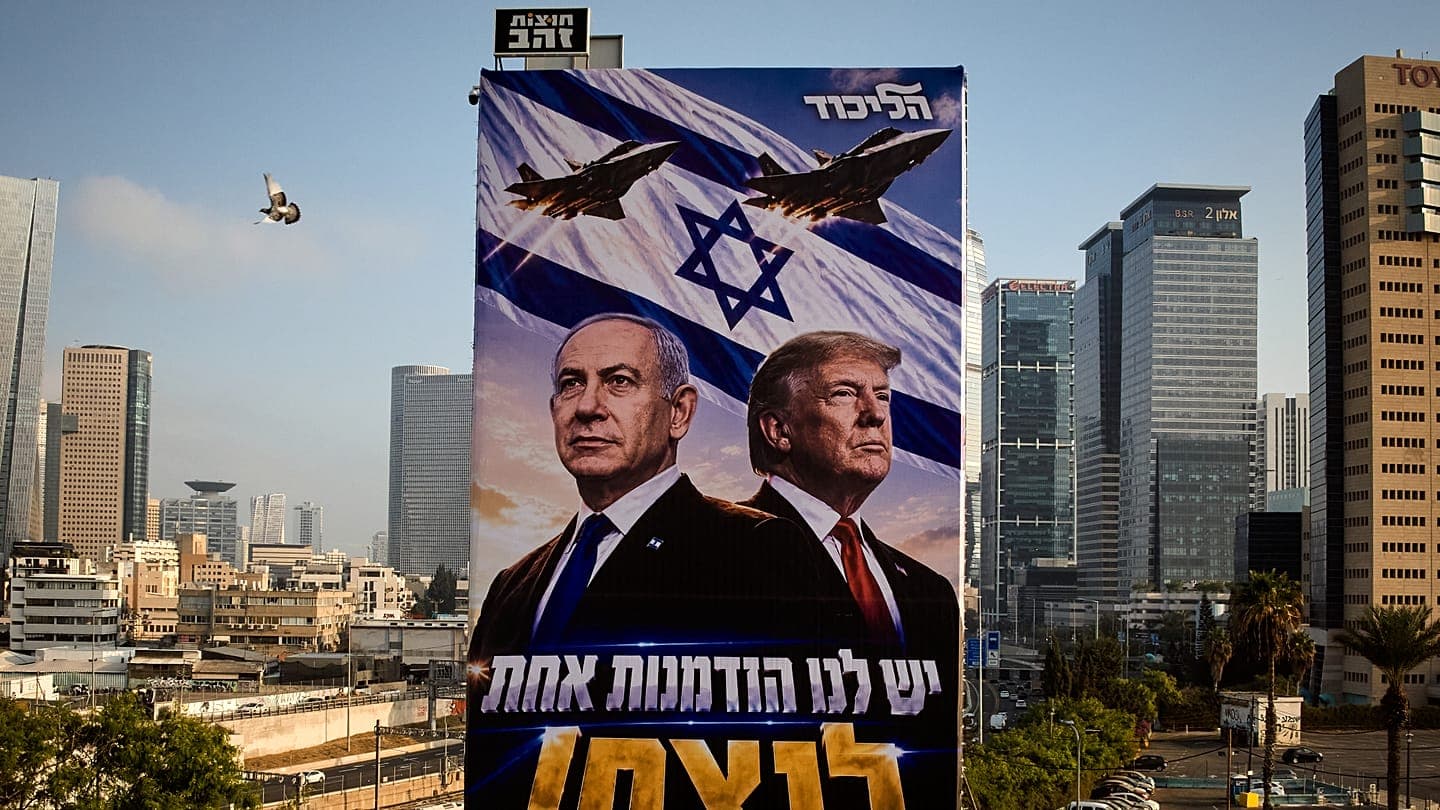
Donald Trump has publicly endorsed Benjamin Netanyahu for the second time in a week ahead of Israel's parliamentary election. Analysts differ in their assessments: according to a Channel 12 poll, 64% of voters say the endorsement will not affect their vote, while 17% say it makes them less willing to vote for Netanyahu. Experts are also discussing the implications for coalition talks and policy toward Iran.
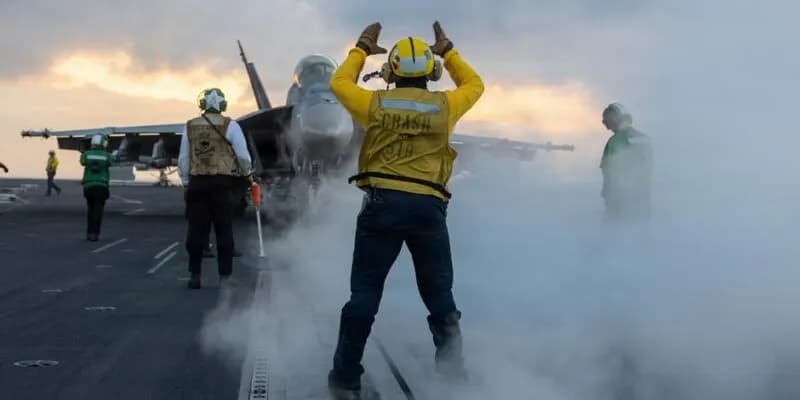
According to CNN, citing sources, American forces in the region are ready, within 96 hours, to launch a major operation against Iran if Donald Trump gives the order. The Pentagon and Central Command are developing a list of targets, including energy and nuclear infrastructure. The order could be given before the end of the year, possibly after the November 3 midterm elections.
On the eve of the Knesset elections, The National reported an expected record rise in turnout among Arab citizens of Israel — from roughly 50% to 70%. According to closed polls, the opposition has about 56 seats, Likud 50, and the Arab parties 14, potentially making them key to forming a government at the 61-seat threshold.
Israeli political scientist Simon Tsipis suggested that Prime Minister Benjamin Netanyahu may attempt to postpone the parliamentary elections scheduled for October 27 through a military operation against Iran and the imposition of a state of emergency. According to Channel 12, Chief of the General Staff Eyal Zamir opposed such an operation before the vote. No official decision has been made.
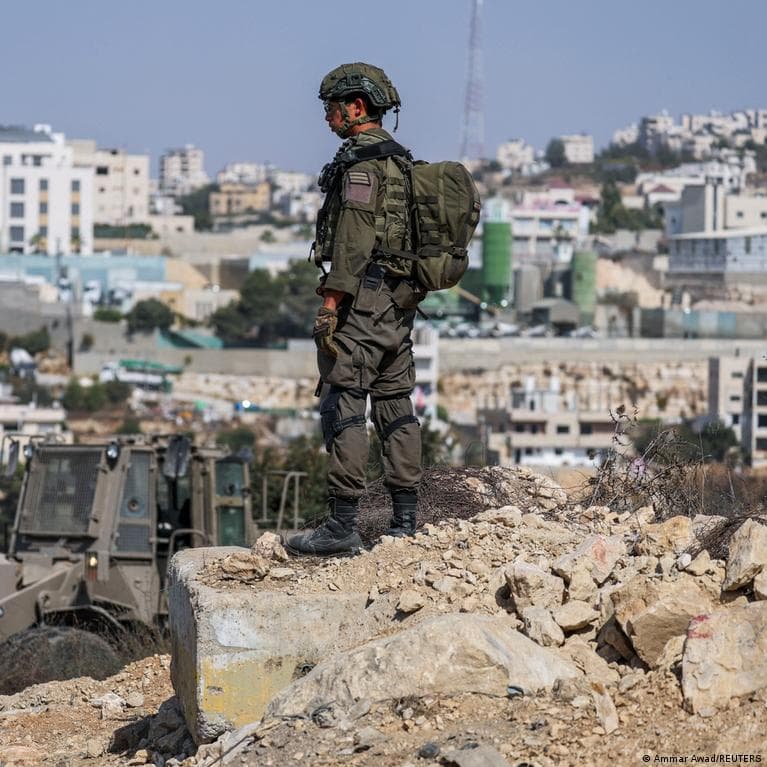
The Israeli army is conducting a large-scale operation in Hebron in the West Bank for the fourth day. All entrances to the city have been closed since Friday following an attack in which two Israeli soldiers were killed. According to the local relief committee, about 2,649 Palestinians have been displaced; Israeli Defense Minister Israel Katz said they will not be able to return until the 'Hamas infrastructure' is 'dismantled.'
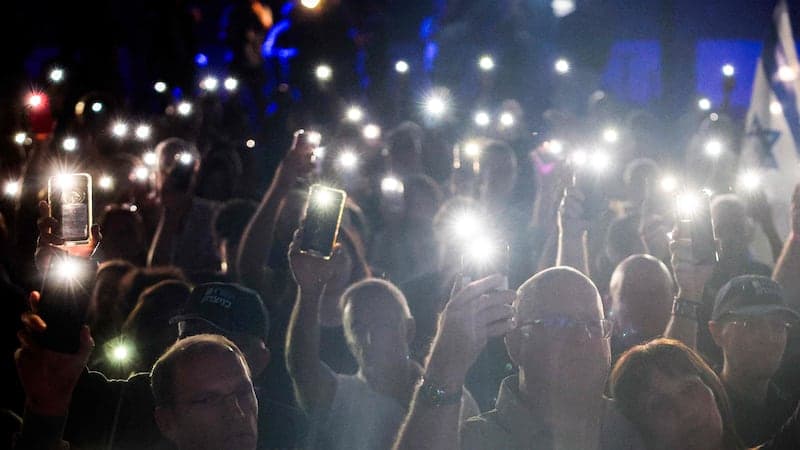
Two days before the Knesset election, tens of thousands of supporters of the Israeli opposition took to the streets of Tel Aviv. Organisers claim 100,000 participants and demand a state commission of inquiry into the events of October 7, 2023. Polls predict an opposition lead, but without a majority for either side.