The key facts
- The Israeli army launched an operation in Hebron after Friday's shootout: two Israeli soldiers and two Palestinian militants were killed, and three more servicemen were wounded.
- According to the Hebron municipality, more than 3,000 residents, including 200 infants, were ordered to leave the Deir Bahar area.
- Guterres and Türk issued sharp criticism; the UN published a report accusing Israel of war crimes, which Israel's Foreign Ministry rejected as 'propaganda.'
The Hebron operation and the UN reaction
Israel's military operation in Hebron in the occupied West Bank drew sharp criticism from UN Secretary-General António Guterres and High Commissioner for Human Rights Volker Türk, expressed on Monday, October 26. The trigger was Friday's shootout, in which two Israeli soldiers and two Palestinian militants were killed and three more Israeli servicemen were wounded. This was reported by Deutsche Welle.
What happened on the ground
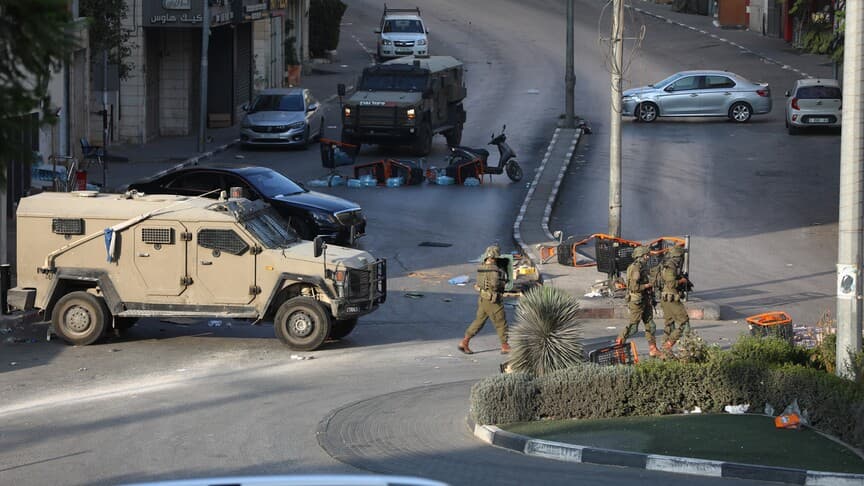
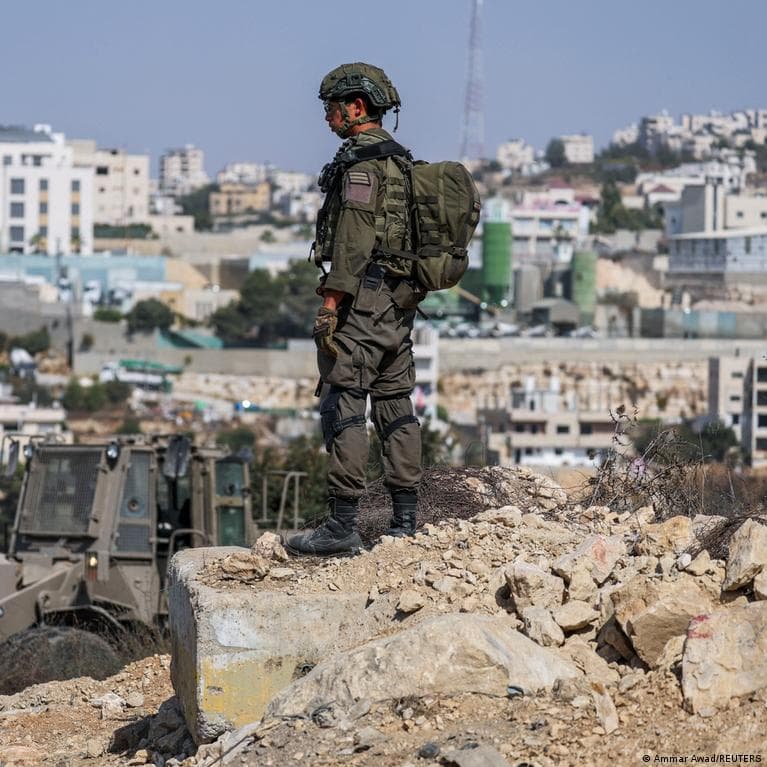
Israeli troops entered the Deir Bahar area, where the attackers lived, and ordered residents to gather and leave. According to the Hebron municipality, more than 3,000 people, including 200 infants, were ordered to leave the area. The army said it was conducting 'precise, targeted and thorough' searches to locate and eliminate 'terrorist infrastructure' and weapons, and was questioning suspects; the operation, it said, would continue for 'several days' with a focus on Deir Bahar. Prime Minister Benjamin Netanyahu ordered buildings in Hebron to be demolished and the West Bank to be closed.
UN statements and Israel's response
Guterres wrote on X that 'settlements are expanding, evictions continue, and Palestinians are being driven from their land,' and that an 'increasingly coercive environment' is taking shape, 'with the specter of ethnic cleansing looming ever larger.' Türk said the 'aggressive operation' had led to the forced displacement of thousands of Palestinians, the demolition of homes and commercial property, and the deprivation of residents' freedom of movement. In his words, 'collective punishment is a grave violation of international law,' and threats to 'devastate and erase entire neighborhoods' raise serious concern in connection with ethnic cleansing. That same Monday, the UN published a report, accusing Israel of war crimes in the West Bank; Israel's Foreign Ministry rejected it as 'propaganda' and 'a document detached from reality,' which, in the ministry's wording, was directed against Israel's right to self-defense.
Political context
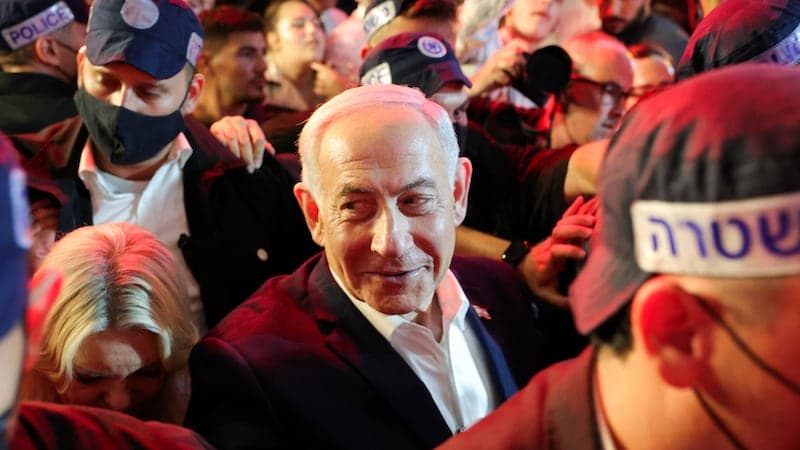
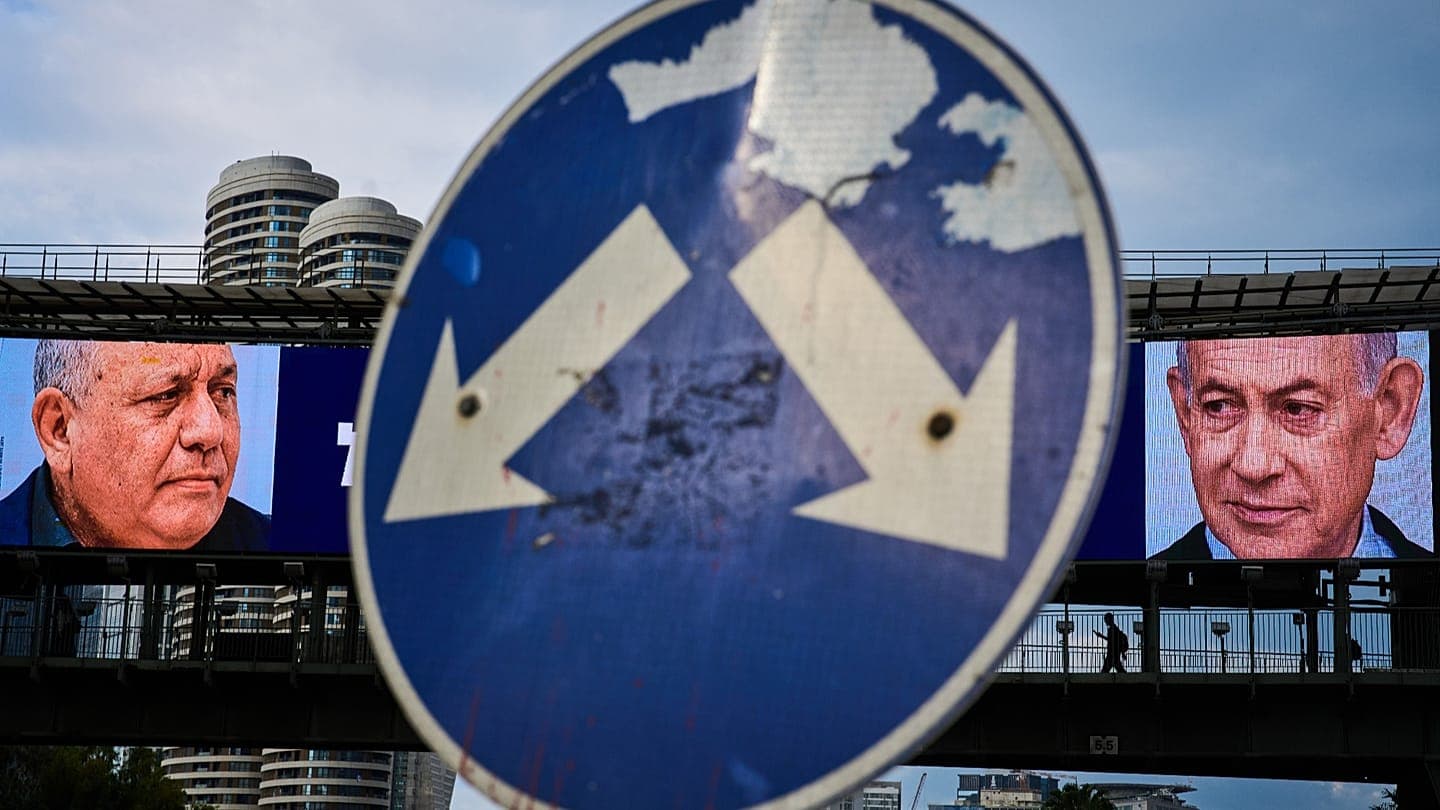
The large-scale response to the shootout came in the days before Israel's general election on Tuesday, which, as DW notes, could end Netanyahu's premiership. Netanyahu often presents himself as the only one who can ensure Israel's security, but opponents accuse him of having no plan. DW also cites the view of former prime minister Ehud Olmert that 'Netanyahu will probably not be re-elected.'