The key facts
- Arab voter turnout is expected to rise from ~50% to 70% out of two million people (20% of Israel's population)
- Turnout among Arab voters is expected to rise from ~50% to 70% out of two million people (20% of Israel's population)
- According to closed polls: opposition — 56 seats, Likud — 50, Arab parties — 14, with a threshold of 61 to form a government
- Possible scenarios: a coalition with Ra'am, a minority government supported by the Arab parties, a centre-right coalition with the ultra-Orthodox, or a «unity government» including Likud
- Possible scenarios: a coalition with Ra'am, a minority government backed by Arab parties, a center-right coalition with the ultra-Orthodox, or a 'unity government' including Likud
Record Arab voter turnout ahead of the election
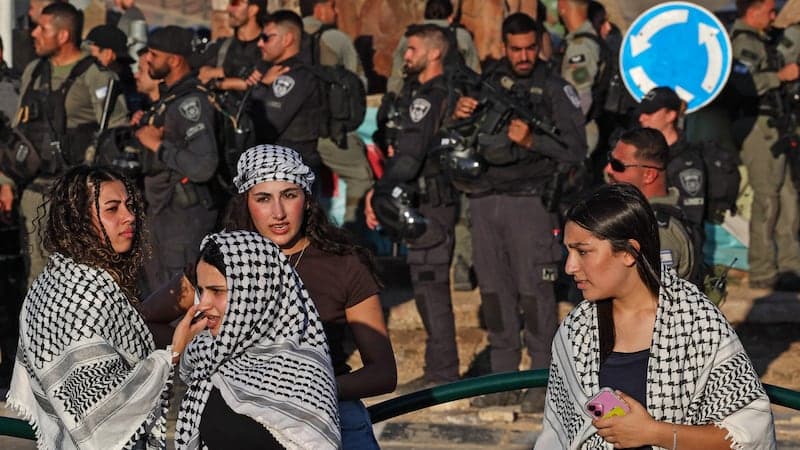
In Israel's parliamentary election, to be held on Tuesday, an «astronomical» turnout among Arab voters is expected, political sources tell The National. According to their information, Arab politicians could significantly influence the formation of the next government. Turnout for the two main Arab parties — Ra'am and the Joint List — could rise from roughly 50% to 70% out of two million people, who make up 20% of the country's population.
Poll standings and possible scenarios
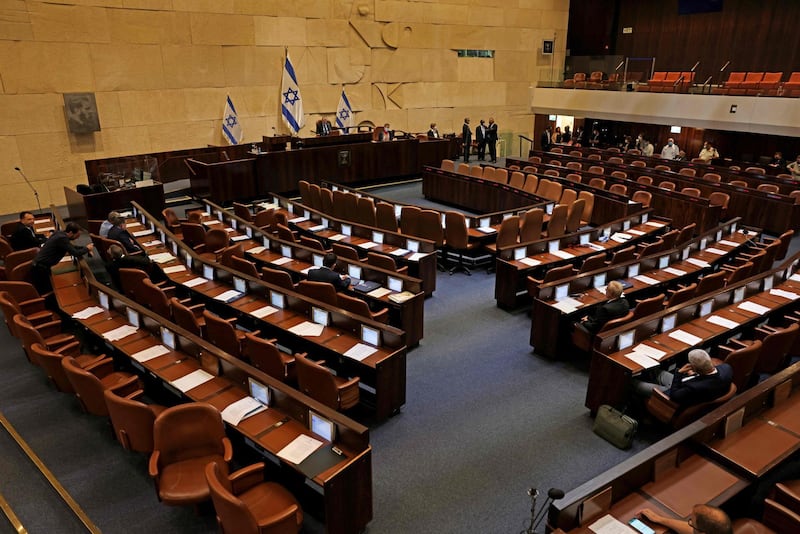
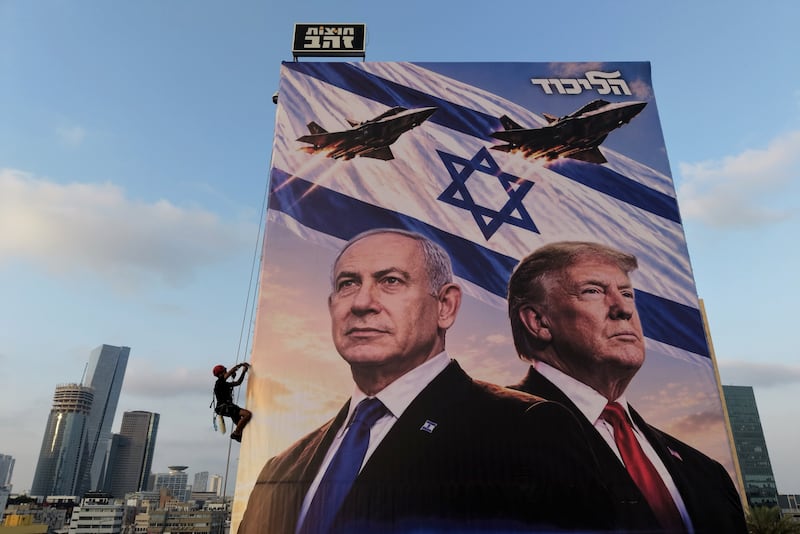
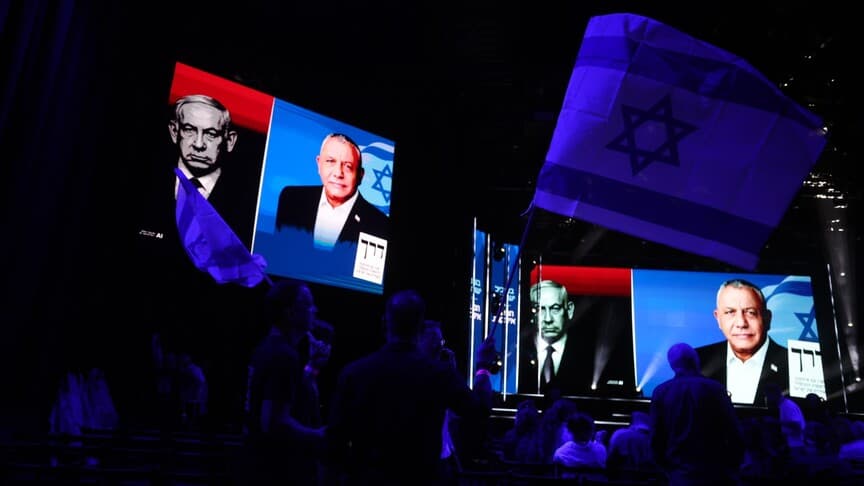
Polls under Israeli law have already closed, and the final ones show that the opposition could win 56 seats, Prime Minister Benjamin Netanyahu's Likud party — 50, and the Arab parties — 14 in the 120-seat Knesset. Forming a government requires 61 seats. The opposition is led by Yashar party leader Gadi Eisenkot, who, according to The National, could either form a minority government with the tacit support of the Arab parties, or enter a coalition with Ra'am, led by Mansour Abbas. Senior opposition figures have also allowed for the possibility of a coalition or an agreed minority government with the Arab parties if the main parties fail to secure an absolute majority.
Three scenarios and factors of uncertainty
A coalition involving Ra'am is one of three possible outcomes of the election. The other two: a coalition of centre-right parties with the ultra-Orthodox parties, or a «unity government» in which Eisenkot would likely become prime minister but Netanyahu's Likud would also join. The outcome, however, remains uncertain. About 700,000 young people will be voting for the first time — the previous election was held in 2022 — and it is unknown how the generation that lived through the Covid pandemic, the judicial reform, the October 7 attacks and military service will vote. In addition, up to 70,000 Israelis living abroad flew in to vote — most of them, it is believed, against Netanyahu — along with roughly the same number of Russian-speaking repatriates who arrived after the invasion of Ukraine in 2022 and are estimated to lean toward the more liberal camp.
Key campaign themes
Observers describe a number of issues as «existential» for Israel. Some officials consider the conscription of ultra-Orthodox men into military service important for the country's security, a move their parties oppose: 72,000 ultra-Orthodox men aged 18 to 21 are listed as «deserters». Also under discussion is a «declaration of independence», which would give the country a written constitution and term limits for the prime minister — Netanyahu has led the government for nearly 20 years across three terms. Among other crises, the outlet cites the threat of international sanctions from European countries and declining birth rates — except among the Arab and ultra-Orthodox populations, which account for about 50% of schoolchildren.
The West Bank and opposition scepticism
A source in the opposition said that if the bloc against Netanyahu comes to power, significant steps will be taken to end settler violence and illegal construction in the occupied West Bank: «We will put an end to settler violence, which has gone on for far too long, because it is a disgrace to the country and because it is wrong. We will also stop unauthorized construction, because we believe in the rule of law». At the same time, some observers believe that by Wednesday morning Israel will simply return to the status quo: the idea of Zionist parties cooperating with Arab groups is unacceptable to too many. «My fear is that they will choose a unity government [with Netanyahu], because they are cowards and it is politically convenient», said one opposition figure. One Israeli political observer explained the motivation of Arab voters this way: «After what they have seen over the past three years, they have understood the difference between bad and worse», referring to the influence of the far-right parties.
Why it matters
The outcome of the election will determine the composition of the government of a country that, according to the campaign participants themselves, is in crisis — from the question of ultra-Orthodox conscription to the threat of European sanctions. For the Arab minority, which makes up 20% of the population, a record turnout could for the first time turn 14 seats into a real lever for shaping power — through a coalition with Ra'am or support for a minority government. Practical takeaway for readers: by Wednesday morning it will already be clear whether Israel will move toward including Arab parties in governance or preserve the status quo, which directly affects the opposition's declared measures regarding the West Bank and the constitutional reform.