The key facts
- Political scientist Simon Tsipis suggested that Netanyahu could disrupt the October 27 elections with a strike on Iran and a state of emergency
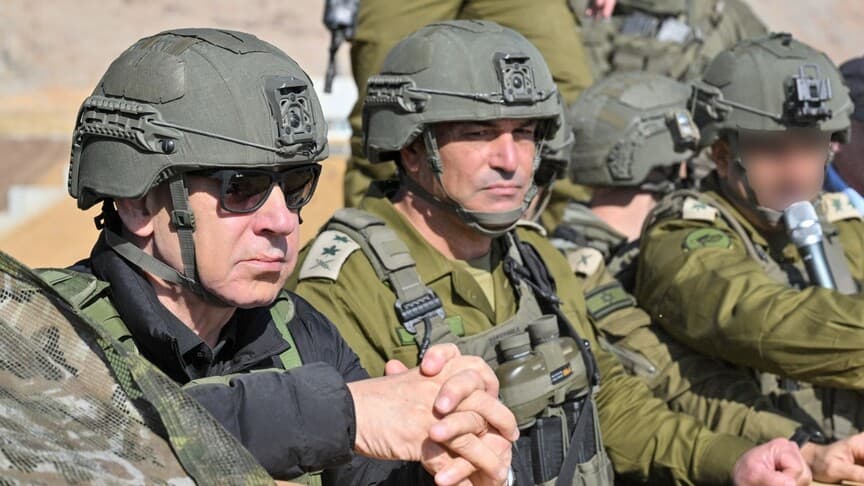
- According to Channel 12, Chief of the General Staff Eyal Zamir opposed an operation before the elections and demanded a written order
- The New York Times reported on US and Israeli plans for strikes on Iran prepared for after November 3
The scenario of postponing the elections
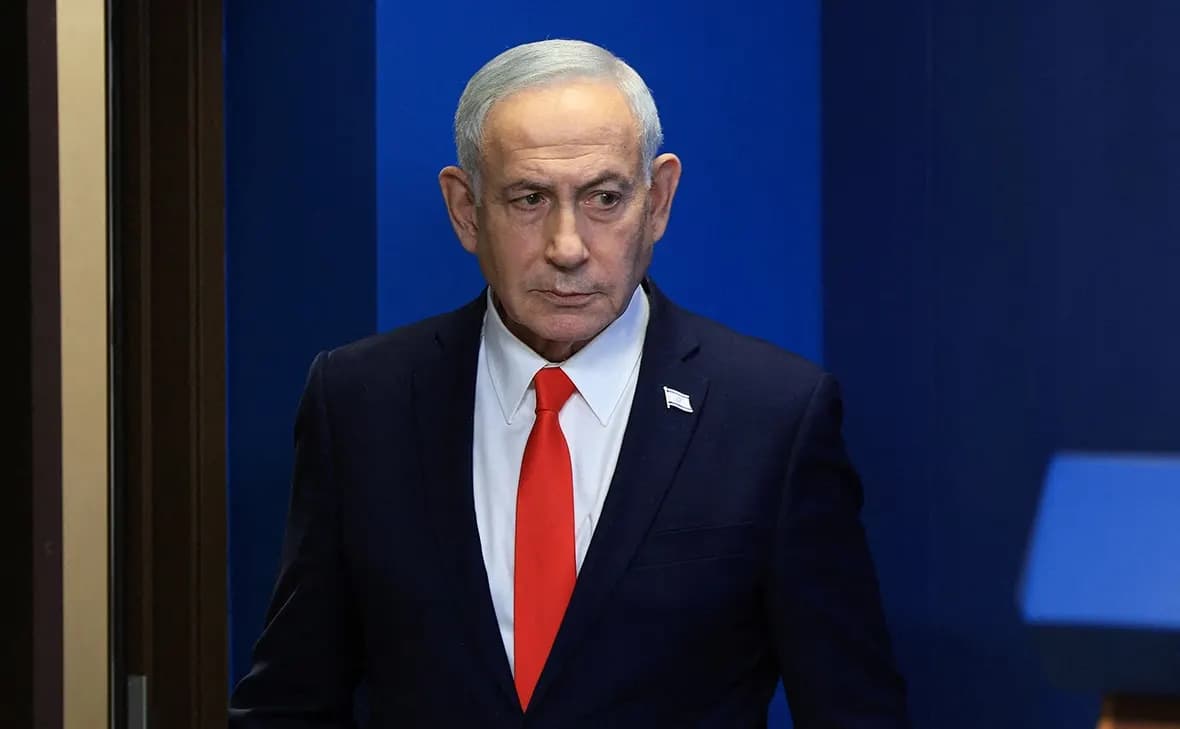
Israeli Prime Minister Benjamin Netanyahu may attempt to postpone the parliamentary elections by means of a new military operation against Iran. This scenario was suggested by Israeli political scientist Simon Tsipis in a conversation with NSN, as reported by Life.ru. In his view, the risk of losing power and possible legal consequences could push the prime minister toward a sharp escalation. 'He will order a strike on Iran, the vote will be disrupted and a state of emergency will be declared. In that case, the elections could be postponed even by a year,' Tsipis suggested. At the same time, the expert provided no evidence that Netanyahu actually intends to use a military operation to postpone the vote.
Disagreements within the leadership
The discussion was prompted by a report from Israel's Channel 12 about disagreements between the country's political and military leadership. According to the channel, Chief of the General Staff of the Israel Defense Forces Eyal Zamir opposed carrying out a certain operation related to Iran immediately before the elections and allegedly demanded a written order with a legal justification for such a decision. Tsipis also pointed to the criminal cases against the prime minister, the accumulated grievances against his government and the mentioned suspicions of ties between people from his circle and Qatar, and among the opponents of the current government he named former Chief of the General Staff Gadi Eisenkot, around whom, in the political scientist's view, voters seeking a change of leadership could unite.
Context and status of decisions
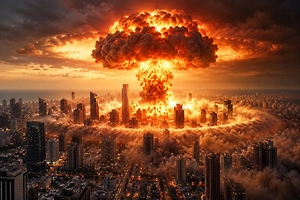
Israel's parliamentary elections are scheduled for October 27. Earlier, The New York Times reported that the US and Israel had prepared plans for new strikes on Iran after November 3; possible targets under consideration include nuclear facilities, missile arsenals and energy infrastructure. According to media reports, Netanyahu previously published an AI-generated image of a nuclear explosion over Tel Aviv. No official decision on a new operation or on postponing the elections has been announced. The editorial team notes: all speculation about the prime minister's motives remains the political scientist's assumptions, and the reports of disagreements within the leadership are channel information that has not been officially confirmed.
Why this matters
The situation directly affects Israeli voters and regional stability: if the October 27 elections are disrupted, it would change the country's political life for up to a year, as Tsipis suggests. In practical terms, readers should watch two facts — the official decision on the elections and confirmation or refutation of the reports about the Chief of the General Staff's position, since these will determine whether the described scenario materializes.