The key facts
- Israel holds its first elections on Tuesday since the October 7, 2023 attacks
- Eylon Levy: the question of 'whether Netanyahu should remain prime minister' has divided the country's politics for a decade
- Levy predicts a likely resumption of military action with Iran after the US midterm elections on November 3
An election revolving around a single question
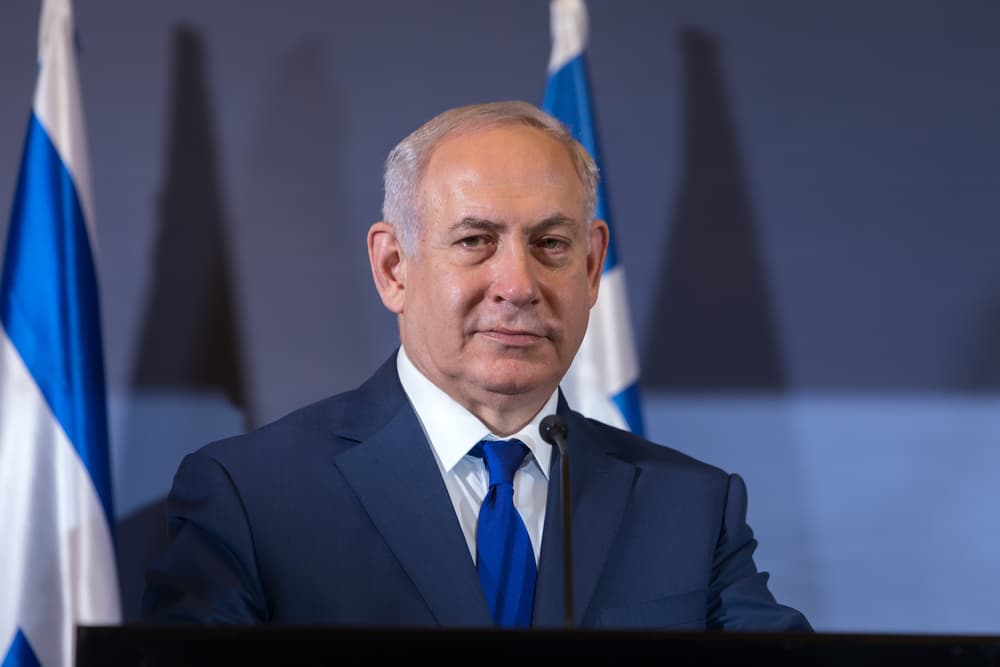
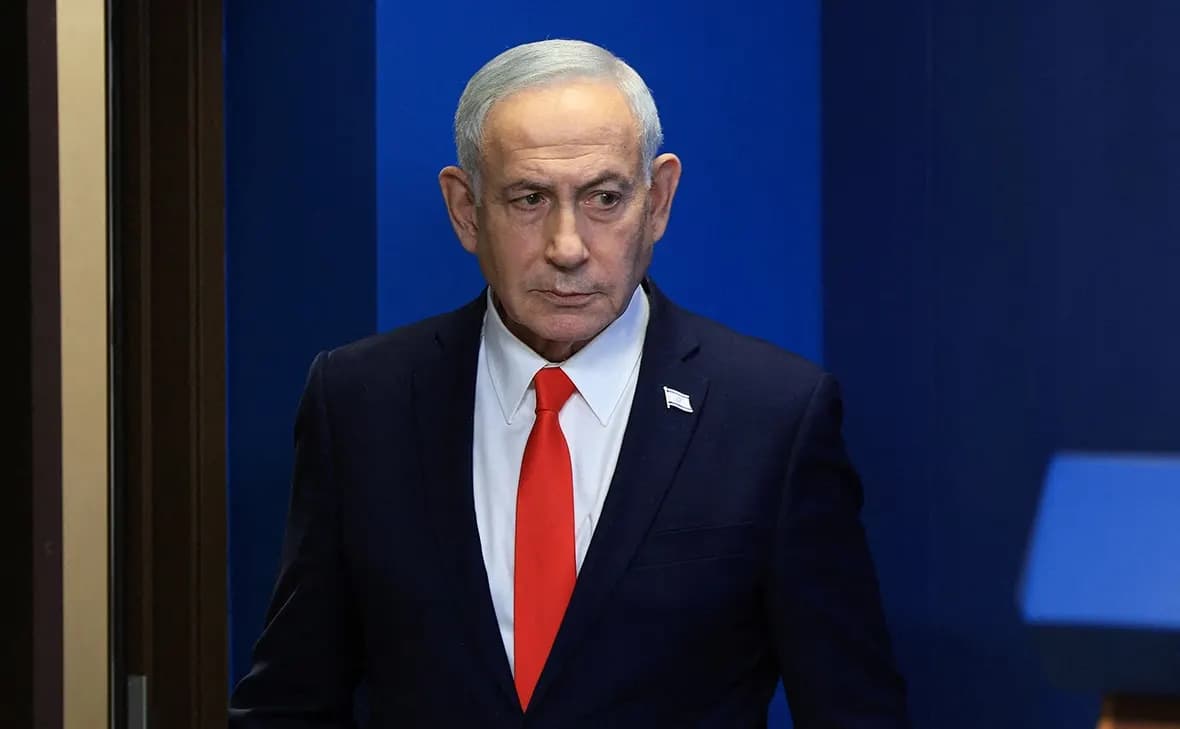
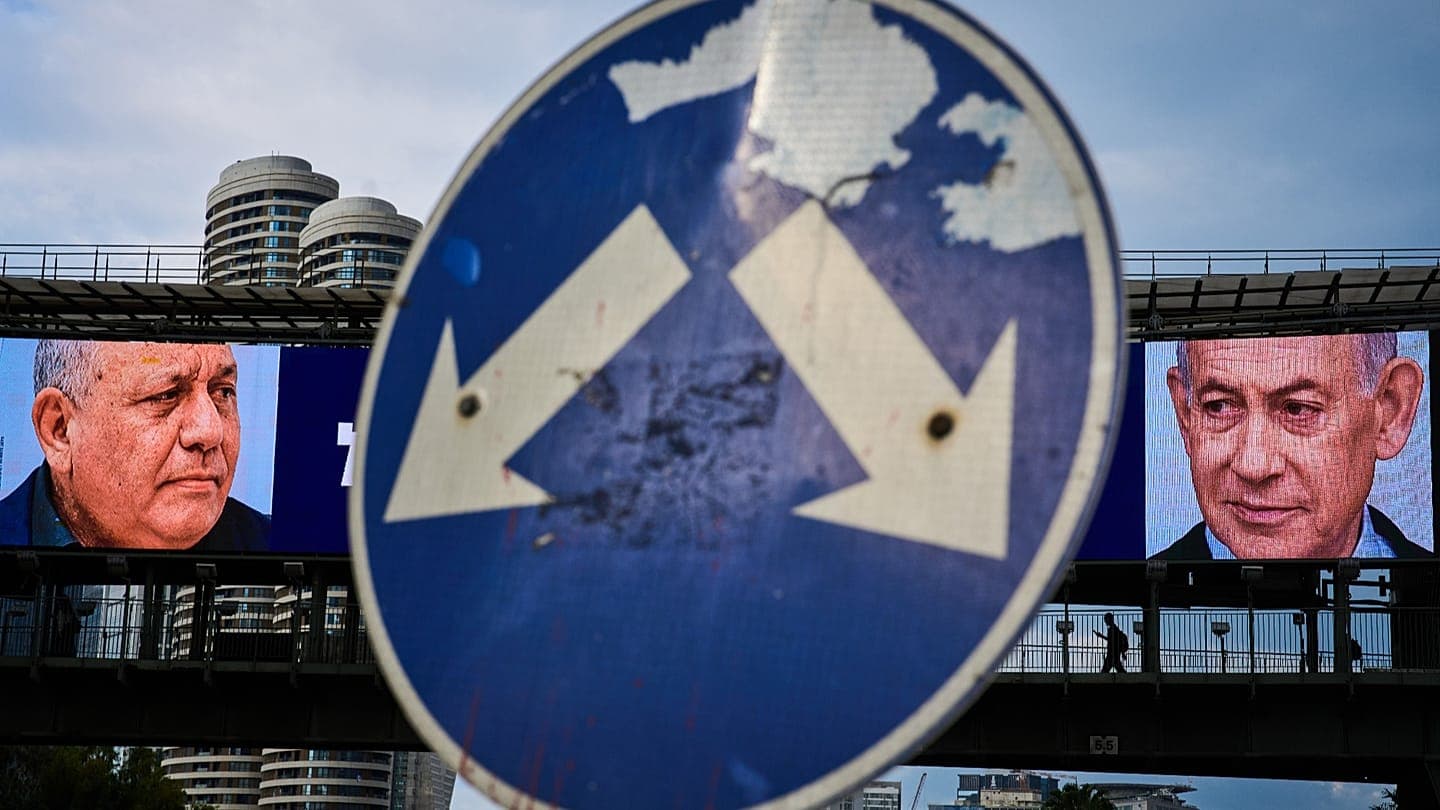
On Tuesday, Israelis vote in parliamentary elections — the first since the Hamas attacks of October 7, 2023. According to Euronews, the central theme of the campaign has become the political future of Prime Minister Benjamin Netanyahu — alongside national security, accountability for the failures of October 7, and the consequences of three years of war. Former official spokesperson of the Israeli government Eylon Levy told the outlet that the question of whether Netanyahu should remain prime minister has become the defining dividing line in Israeli politics, making it increasingly difficult for parties to cooperate with one another.
Three main themes of the campaign
Netanyahu — the record holder for the longest time served as prime minister — is facing questions about his responsibility for the security failures that enabled the Hamas attack, and his ongoing criminal trial remains another source of political division. Levy highlighted three central themes of the election: accountability for the October 7 attack, Hamas's continued rule in Gaza, and the social and economic costs of the war. In his words, the election is taking place 'in the shadow of the October 7 massacre,' and this theme is present everywhere, while the unresolved question of Hamas's future fuels public anger — with parties competing over who can secure Israel's long-term security.
Forecasts for the 'day after Netanyahu' and Iran
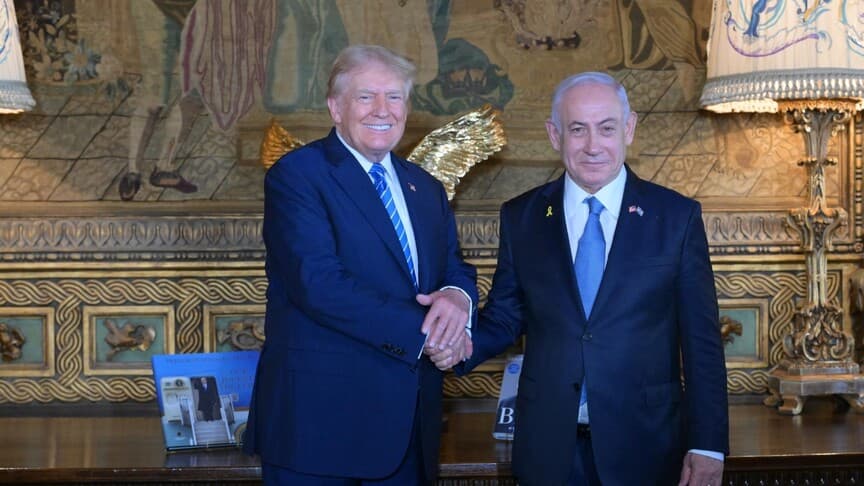
Levy suggested that Netanyahu's departure would, in the long run, fundamentally reshape the country's political landscape: parties would be able to cooperate across dividing lines that have formed over years. 'The day after Netanyahu, whenever that comes, I think we will see a realignment of Israeli politics. Until then, the battle lines really do run around yes Bibi or no Bibi,' Euronews quotes him as saying. Beyond domestic politics, Levy predicts that military action against Iran could resume after the US midterm elections on November 3: he considers the current standoff with Tehran unstable, pointing to tensions around the Strait of Hormuz and Iran's military activity in the region. In his view, Donald Trump does not want to return to war before the midterms, fearing the consequences for oil prices, while Netanyahu, in the event of a new confrontation, would likely push for a more decisive outcome — up to a change of Iran's leadership. It should be stressed: these are Levy's personal assessments, as reported by Euronews, not confirmed plans of the parties involved.