The key facts
- Israel elects its parliament on Tuesday, the US elects Congress a week later; about 500,000 Israelis with American passports may take part in both votes.
- Israel elects its parliament on Tuesday, and the US elects Congress a week later; about 500,000 Israelis with American passports may take part in both votes.
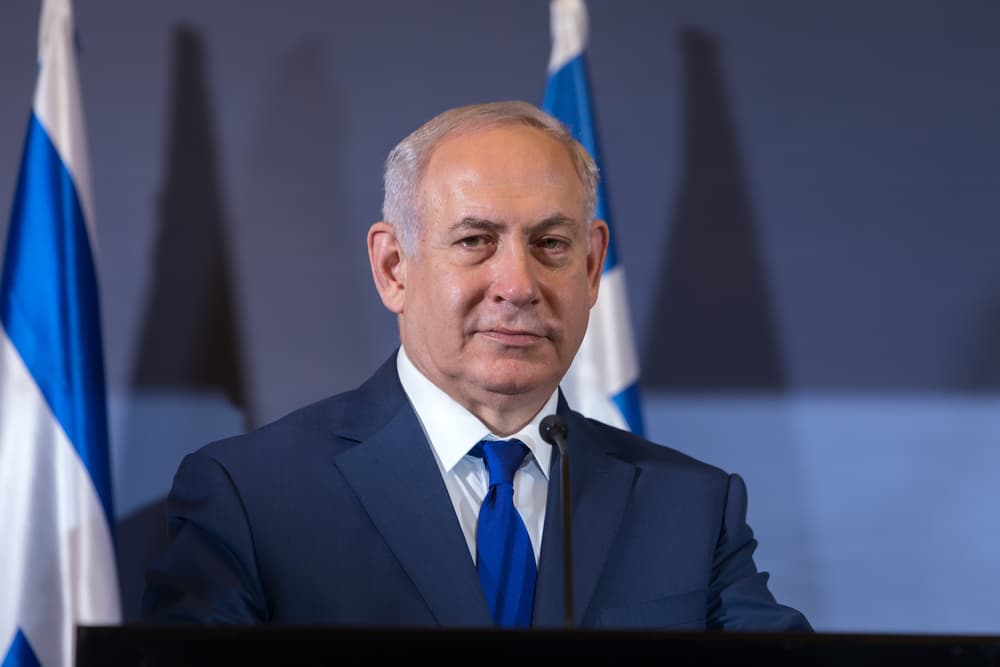
- Netanyahu is using the campaign to discuss a new strike on Iran; Trump has backed him but, according to reports, held him back from an attack until the elections.
- Netanyahu is using the campaign to discuss a new strike on Iran; Trump has backed him but, according to reports, held him back from an attack until after the elections.
- The economy and energy prices have become the main theme of the campaigns due to Iran's blockade of the Strait of Hormuz.
Two campaigns linked by war
Over the coming week, two votes will take place whose consequences, according to BBC diplomatic correspondent James Landale, will be of global significance. On Tuesday, Israelis elect a new parliament, and a week later Americans elect a new Congress. The coincidence of calendars links the campaigns not only in time: according to the lobbying group Republicans Overseas Israel, about half a million Israelis with American passports may vote in both countries. The group's chairman, Marc Zell, told the BBC that these voters could influence close races in the US — for example, the contest for a Senate seat in Michigan, from where, by his estimate, about 10,000 ballots will come from Israel.
The Iranian question on the agenda
The central theme of both campaigns is the US and Israeli war against Iran, which began in February. A massive air strike destroyed many military targets and a significant part of Iran's leadership, but did not topple the regime, which responded with strikes across the region and seized control of the Strait of Hormuz and a significant share of the world's energy supplies. Israeli Prime Minister Benjamin Netanyahu is using the campaign to talk about the possibility of a new strike on Iran, again asserting — without presenting evidence — a nuclear threat. US President Donald Trump has backed his re-election, saying that both leaders should 'finish the job' in Iran soon. At the same time, according to conflicting reports, Trump held Netanyahu back from an attack until voting day, fearing a spike in energy pricesthat would remind American voters of an unpopular war.
Speculation about a national unity government
Israeli media are full of speculation that Netanyahu, after the elections, remaining as caretaker prime minister, may try to hold on to power by attacking Iran and seeking a national unity government with his participation instead of a coalition of opposition parties. The stakes are high: if he loses power, he faces an official inquiry into his actions before the October 7 attacks and the resumption of corruption cases. His rival, former chief of the general staff Gadi Eisenkot, has already ruled out joining a unity government. Like most Israeli politicians, he considers Iran an existential threat and supports military action against the regime, but has explicitly warned of the danger of escalating the war for political purposes.
The economy as a shared campaign theme
Both campaigns also intertwine around the global economy. In the US, the focus of the election agenda is the cost of living and the price of goods, worsened by the war: Iran has blocked the flow of energy through the Strait of Hormuz, driving prices up. In Israel, voters face high expenses and low wages, while rising defense spending strains the budget. Trump tried to soften voter discontent: he lifted sanctions on Russia in the hope of lowering prices through imports of diesel fuel from Moscow, and is also pressuring Ukraine, demanding concessions from its leadership. According to the BBC, both measures have so far yielded no results. Senator Thom Tillis of North Carolina told CBS News: 'If the president really wants to lower energy prices, he can do it by solving the Iranian problem, not by doing a favor for Vladimir Putin.'
Cracks in bipartisan support
Another consequence of the war is a split in the traditional bipartisan support for Israel in the US. Left-wing Democrat Abdul El-Sayed, a Senate candidate from Michigan, advocates reducing military aid to Israel: 'An ally who takes your money to drag you into wars you should never have entered is not an ally,' he told ABC News. Another Democrat, Brad Lander of New York, shortly before the vote visited the West Bank, where he helped Palestinians harvest olives and was briefly detained by Israeli forces. Even Netanyahu himself, according to the BBC, warns that Israel may in the future be forced to manage without the American 'security umbrella.' If Democrats strengthen their position in Congress, they will be able to limit military spending and reduce aid to Israel, although Trump will retain executive power and the veto.
What depends on the voters
Iranian officials, according to the BBC, have publicly and unofficially threatened that in the event of new strikes they will attack airports, pipelines, undersea cables, energy facilities, desalination plants, as well as American bases and ships; Iran's Foreign Minister Abbas Araghchi wrote in the Financial Timesthat new attacks would put 'the lives of civilians, the well-being of all countries in the region and the global economy at great risk.' Tehran follows American polls as closely as analysts in Washington do. The editorial conclusion from these facts: the outcome of the two votes will determine not only the composition of the governments but also the likelihood of a new escalation around Iran — and, consequently, energy prices, on which consumers around the world depend. It remains unknown whether a strike will take place before or after the elections: reports of Netanyahu being held back remain officially unconfirmed, and Israel's coalition scenarios will only become clear after the votes are counted.
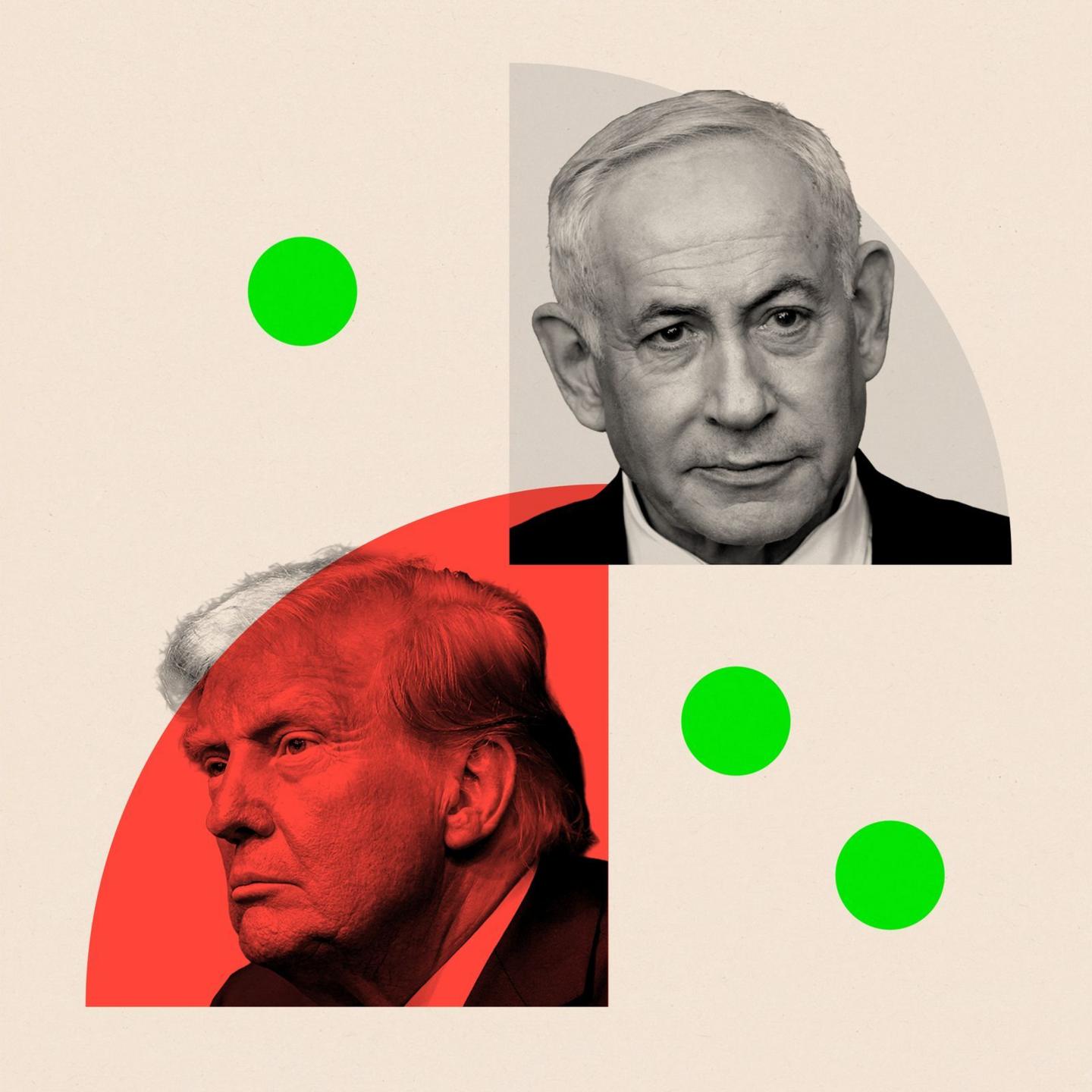 Image source, Getty

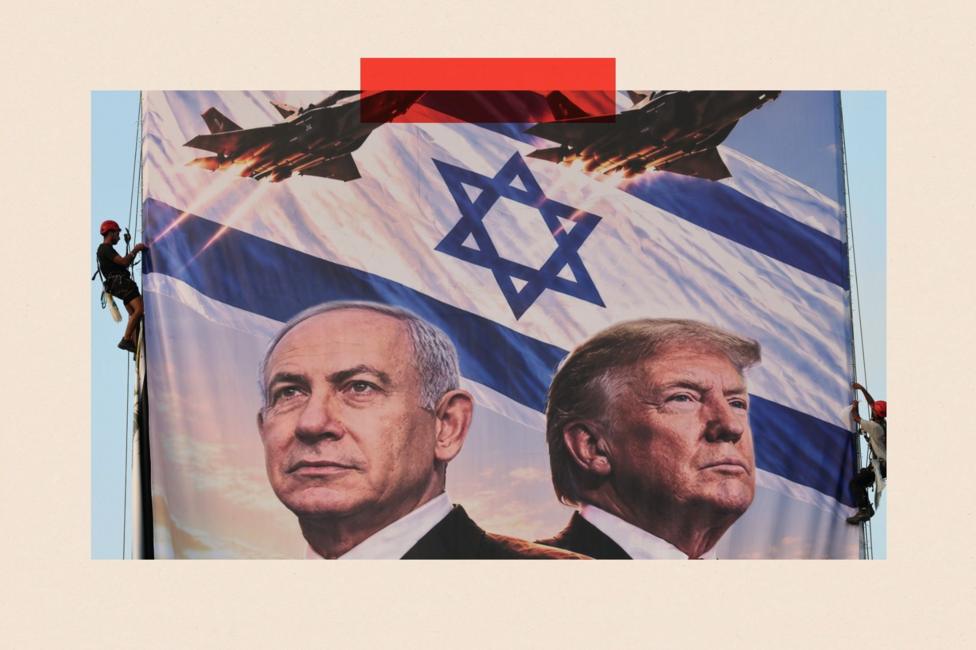 Image source, EPA/Shutterstock
Israeli Prime Minister Benjamin Netanyahu has highlighted his alliance with US President Donald Trump - including in this Likud party election billboard in Tel Aviv
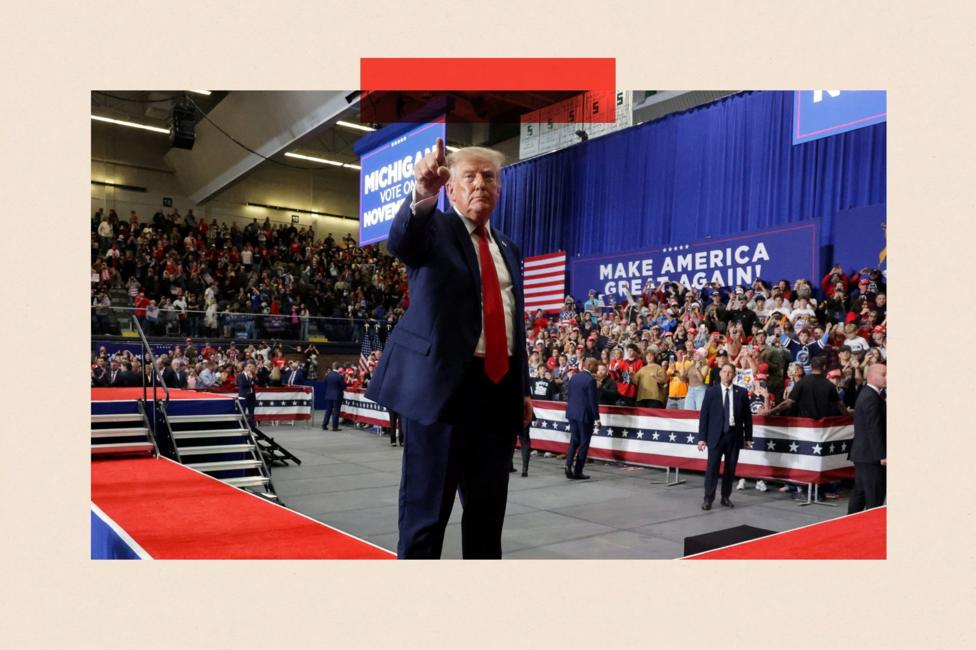 Image source, REUTERS/Jonathan Ernst
President Trump has been campaigning on behalf of Republican congressional candidates, including in Michigan on Sunday, where there's a tight Senate race
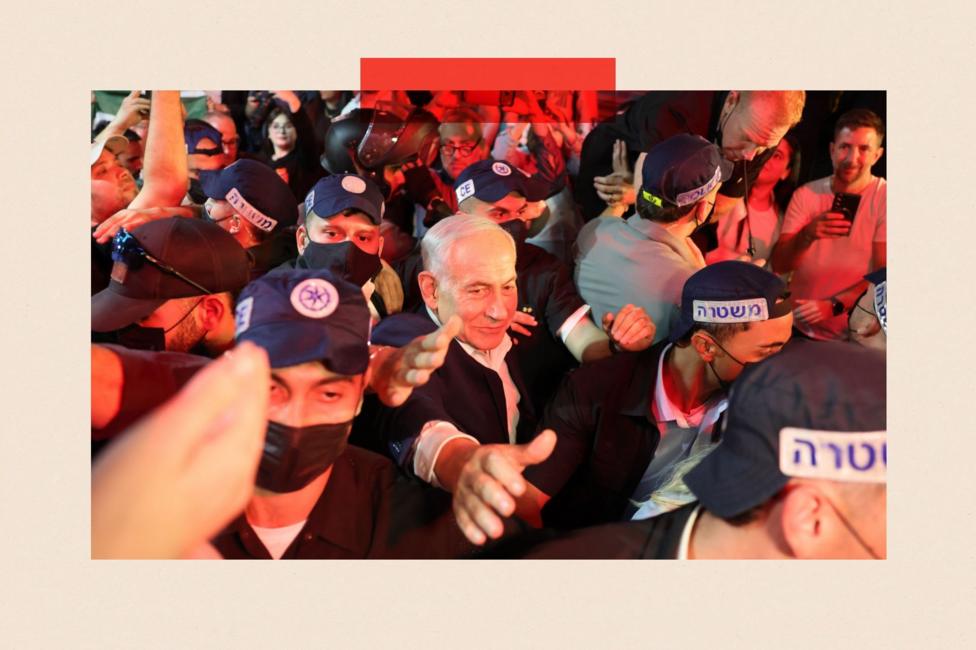 Image source, EPA/Shutterstock
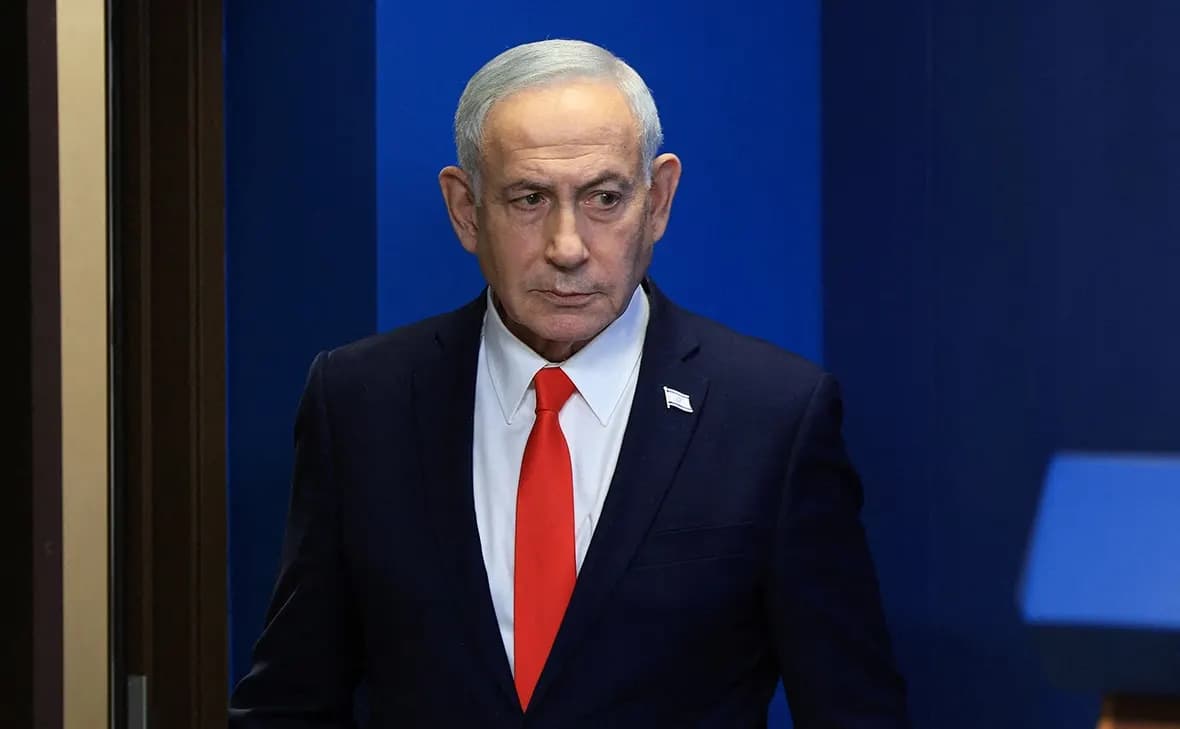
Netanyahu has used this year's election campaign to talk up the possibility of a fresh attack on Iran
 Image source, Chris Torres / EPA/Shutterstock
Early voting has already started in many US states for next month's midterms
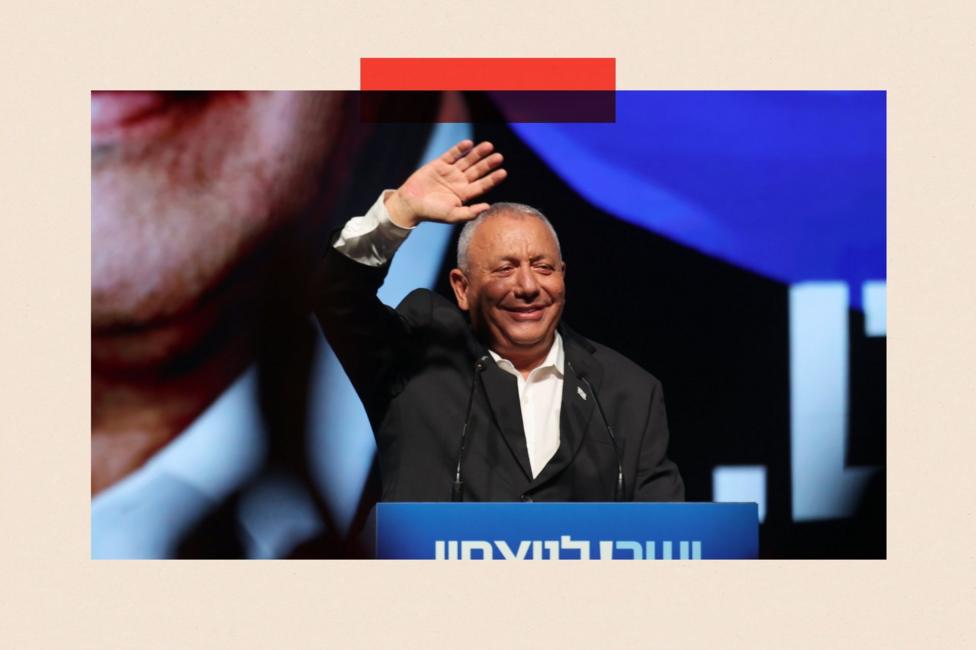 Image source, Abir Sultan Credit / EPA/Shutterstock
The leader of Israel's Yashar party, Gadi Eisenkot, has ruled out joining a unity government after the elections