The key facts
- Knesset elections take place on Tuesday; about 7.3 million Israelis will choose 120 members from 36 parties with a 3.25% threshold
- For the first time, voters will be able to judge the leadership's actions over the security failures surrounding the October 7, 2023 attacks
- Exit polls at 10:00 p.m., official results by November 4; coalition negotiations could take weeks or months
Voting and the day's schedule
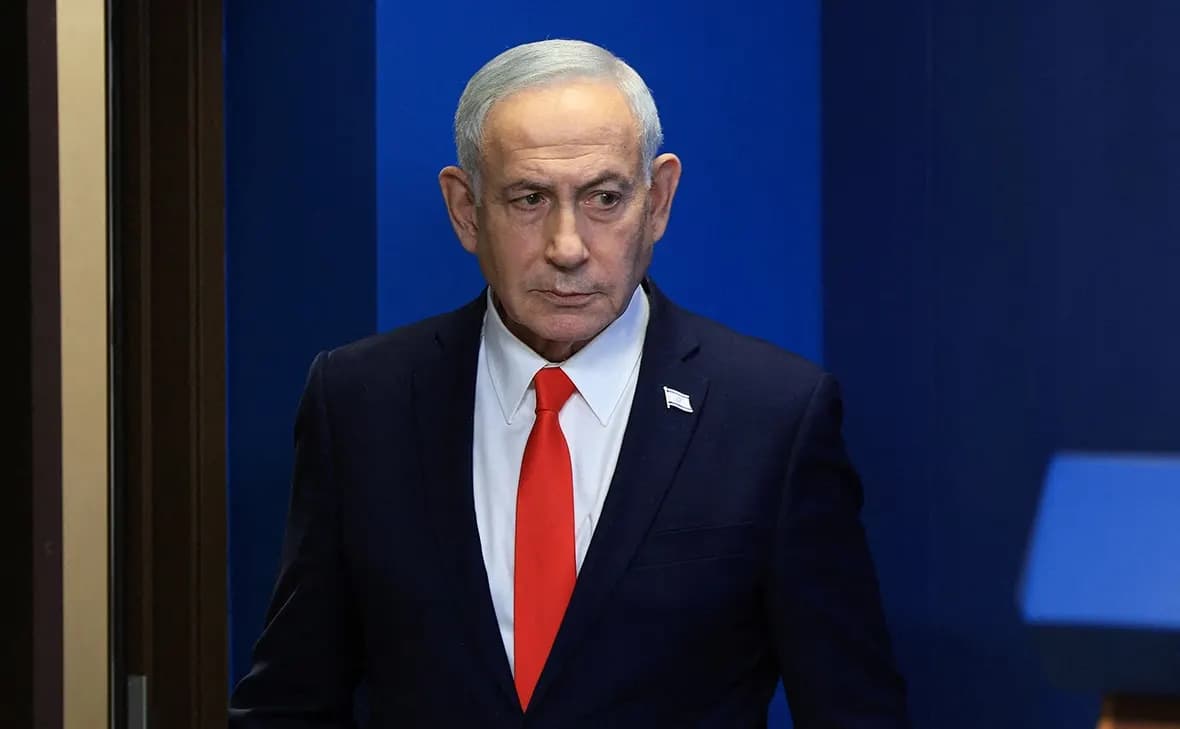
Israel votes on Tuesday in parliamentary elections that The National describes as among the most pivotal and consequential in the country's recent history. According to the outlet, this is the first opportunity for Israeli voters to hold leaders accountable for security failures surrounding the October 7, 2023 attacks, to decide who will lead the country through a regional conflict, and to weigh in on the contentious issue of military service. Polls at most stations will open at 7:00 a.m. local time, and at 8:00 a.m. special stations will begin operating in small communities, hospitals, prisons and nursing homes. Special stations will close at 8:00 p.m. and main stations at 10:00 p.m.; voters who were in line before closing will be able to cast their ballots. Turnout figures will be released throughout the day, and political leaders will cast their votes.
The electoral system
Israelis elect members of the 120-seat Knesset; an absolute majority requires 61 seats. As The National explains, the country uses a proportional system: voters cast ballots for parties rather than directly for a prime minister. No party has ever won an absolute majority, so governments have always been formed by coalitions. Thirty-six parties are taking part, but most, according to the outlet, will not clear the 3.25% electoral threshold. Once the results are confirmed, Israeli President Isaac Herzog will task one of the members of parliament — usually the leader considered most capable of securing parliamentary support — with forming a government. If a coalition fails to secure a majority, a minority government could be formed with sufficient parliamentary backing; if the attempts fail, the country could face another round of elections, and during the transition period a caretaker government will be led by incumbent Prime Minister Benjamin Netanyahu.
When the results will be known
At 10:00 p.m. Israeli television channels will publish exit polls, but, as The National stresses, these are only projections that can differ markedly from the actual outcome. Preliminary results are expected the next day as votes are counted overnight, official results are due to be published by November 4, and the deadline for filing appeals is November 18. The election results will not necessarily determine who becomes the next prime minister: coalition negotiations could take weeks or even months. The outlet recalls the country's history of political deadlock: between 2019 and 2022 Israel held five elections, because parties repeatedly failed to form a stable government. Thus, voters will get an indicator of the outcome on election night itself, but finding out who will actually lead the country will take considerably longer.
Context and significance
Alongside its main report on the voting procedure, The National has in the final days before the election published stories about the opposition's final rallies in Tel Aviv, which, according to the outlet, drew tens of thousands of people, and about the mobilization of Israelis living abroad who, per the outlet, are seeking change through an election that could bring an end to the Netanyahu era. Editorially, it can be noted that the combination of these reports points to high engagement among the electorate on both sides, though the pieces themselves contain no polling data on the likely outcome. For readers, the practical significance of these events is that the vote will directly determine the composition of the coalition and, with a delay of weeks or months, the country's next government, while the timelines for publishing official results (November 4) and appeals (November 18) set a clear calendar for further political developments.