Qatari mediators handed Tehran a draft agreement with a seven-day schedule of confidence-building steps between Iran and the US. An Iranian official declared readiness for negotiations; earlier, Tehran hosted a meeting with a delegation from Saudi Arabia, Pakistan and Turkey.
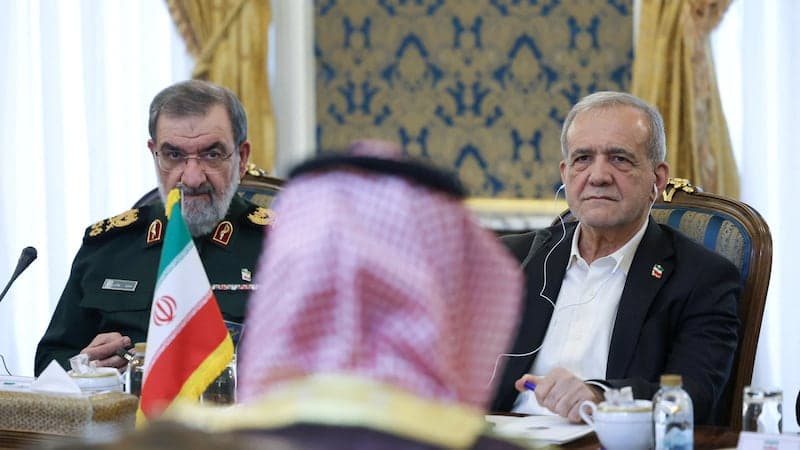
A delegation of Mecca Pact countries led by Saudi Arabia's defence minister Khalid bin Salman held talks with Iran's leadership in Tehran. According to sources cited by The National, there are no concrete de-escalation agreements: Iran said it has no leverage over the Houthis and instead proposed a two-week pause in hostilities in exchange for the phased opening of the Strait of Hormuz. Hours after the meeting, the Saudi-led coalition intercepted ballistic missiles and dro A delegation of the Mecca Pact countries, led by Saudi Arabia's Defence Minister Khalid bin Salman, held talks with Iran's leadership in Tehran. According to sources cited by The National, no concrete agreements on de-escalation were reached: Iran said it has no leverage over the Houthis and instead proposed a two-week pause in hostilities in exchange for the phased reopening of the Strait of Hormuz. Hours after the meeting, the Saudi-led coalition intercepted ballistic missiles and drones.
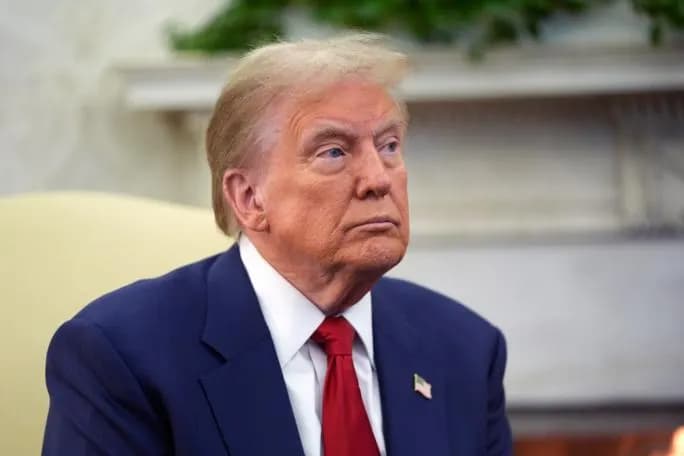
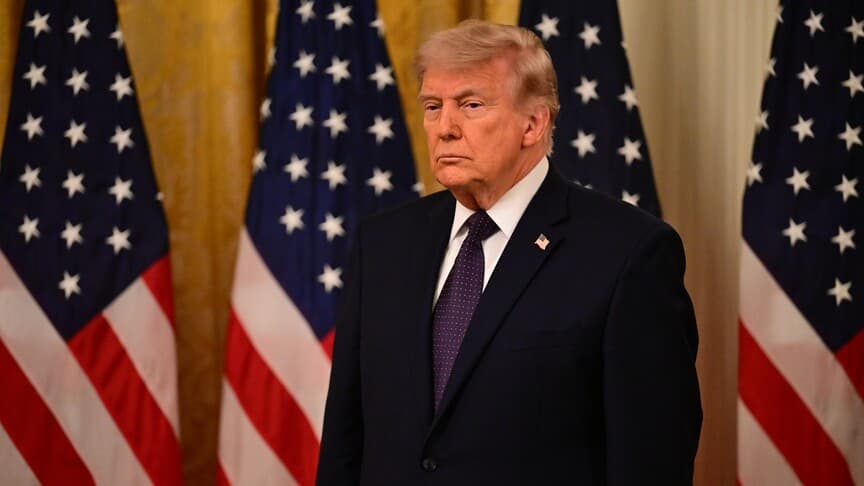
Donald Trump, speaking before Republican Party supporters in Mississippi, said he is not satisfied with the military ceasefire with Iran reached in the summer. He also commented on the decision to launch the military operation and the situation around the Strait of Hormuz.
On the morning of October 26, Brent fell from its highest level since March 19, around $117.4, to about $110 per barrel, and WTI to $101.5. The decline followed reports of Qatari mediators visiting Tehran and Donald Trump's statement about a possible deal with Iran. Meanwhile, the Houthis claimed new strikes on Saudi Arabian facilities, and risks to supplies remain.
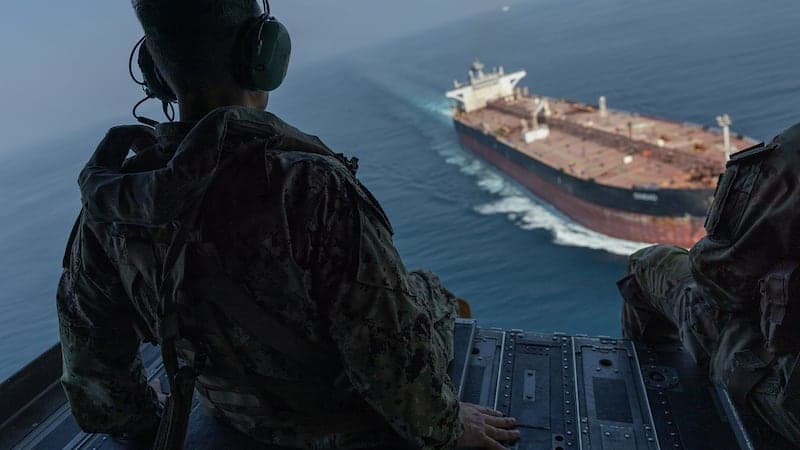
US command in the region reported that in recent months more than 95% of vessels have transited the Strait of Hormuz safely, despite the actions of the IRGC. American forces have assisted more than 3,000 commercial vessels over six months and supported the export of more than 1.5 billion barrels of oil since the summer.
Speaker of the Iranian Parliament Mohammad Bagher Ghalibaf said on Sunday that the United States has become 'bogged down in the quagmire because of its own miscalculations' in the war against Iran, and that it is up to Washington itself to find a way out. Tensions in the region persist after the war began in late February: the ceasefire and the memorandum on a final peace agreement have not resolved the conflict due to disagreements over shipping in the Strait of Hormuz.
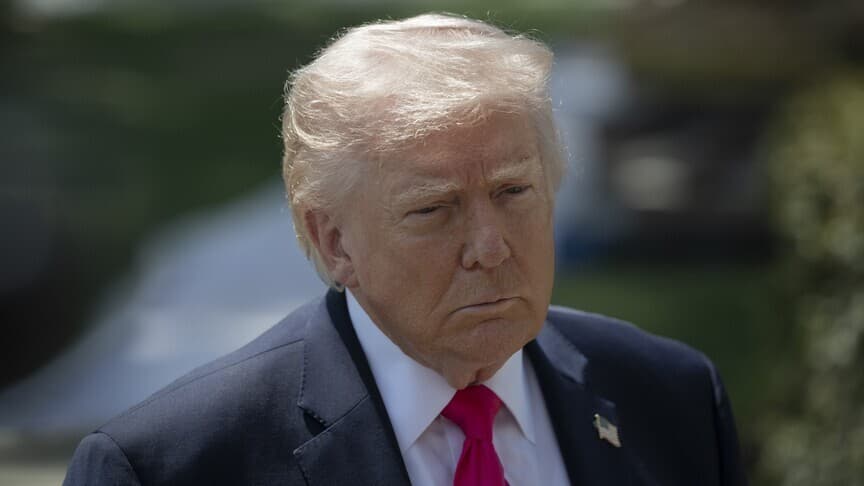
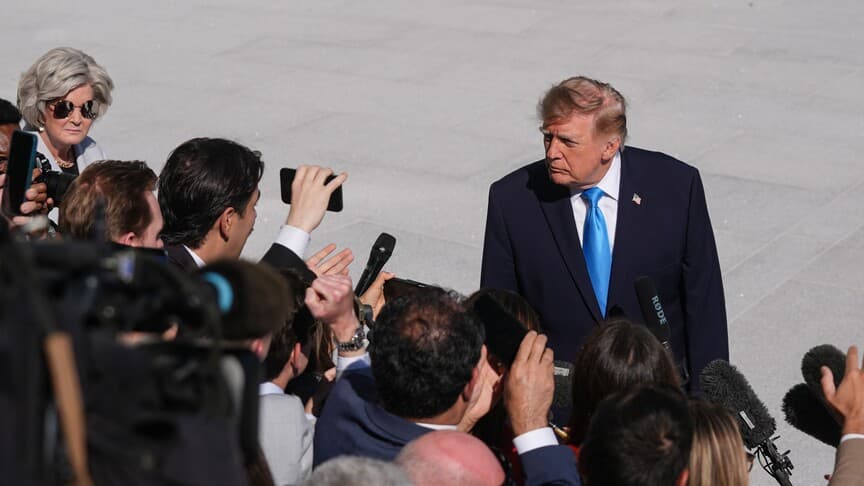
US President Donald Trump said on Sunday that there would be no immediate strikes on Iran, but earlier that same day he laid out an ultimatum to Tehran: a diplomatic deal or complete military destruction. He also claimed US control over the Strait of Hormuz, touched on migration in Europe, talks on Ukraine and semiconductors.
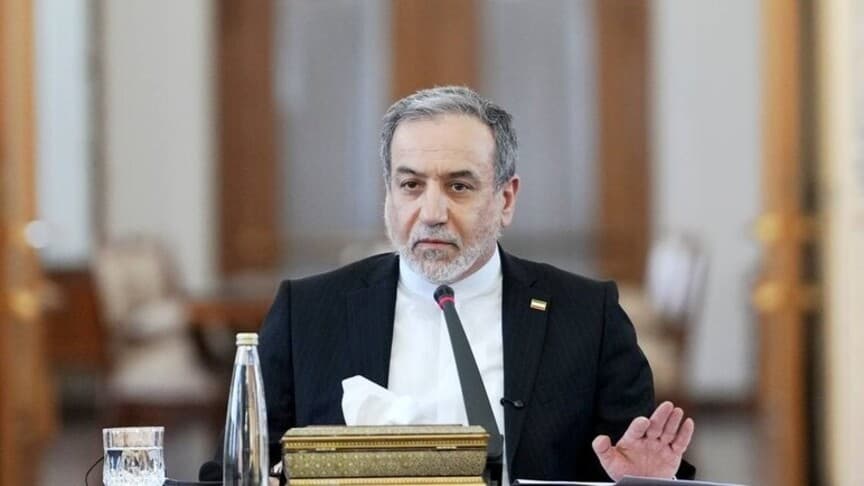
Iran's Foreign Minister Abbas Araghchi said that the recent war with the United States and Israel has changed everything in the region, including the regime governing the Strait of Hormuz. Tehran insists on its right to control the passage of vessels, while Washington demands free navigation. Talks to resolve the conflict have stalled amid rising tensions.
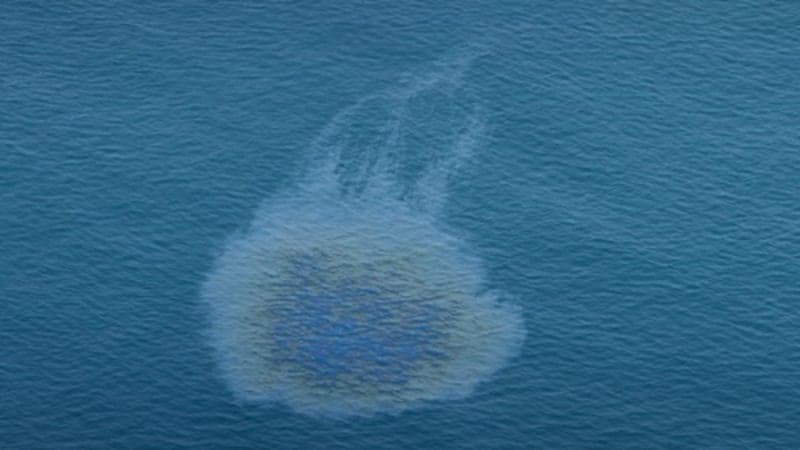
The UAE Ministry of Climate Change and Environment confirmed an oil spill from a supertanker in the Persian Gulf that has affected beaches in Umm Al Quwain. According to BBC Verify, the vessel matches the tanker Gem No.2, damaged on 9–10 October in an attack near the Strait of Hormuz. Beaches in Umm Al Quwain and Ras Al Khaimah are closed, and Al Hamriyah beach in Sharjah is also closed. The oil slick has spread over more than 35 km and is approaching a protected biodiversity area. The UAE Ministry of Climate Change and Environment confirmed an oil spill from a supertanker in the Persian Gulf that has affected beaches in Umm Al Quwain. According to BBC Verify, the vessel matches the tanker Gem No.2, damaged on October 9–10 in an attack near the Strait of Hormuz. Beaches in Umm Al Quwain and Ras Al Khaimah are closed, and Al Hamriyah beach in Sharjah is also closed. The oil slick has spread over more than 35 km and is approaching a protected biodiversity zone.
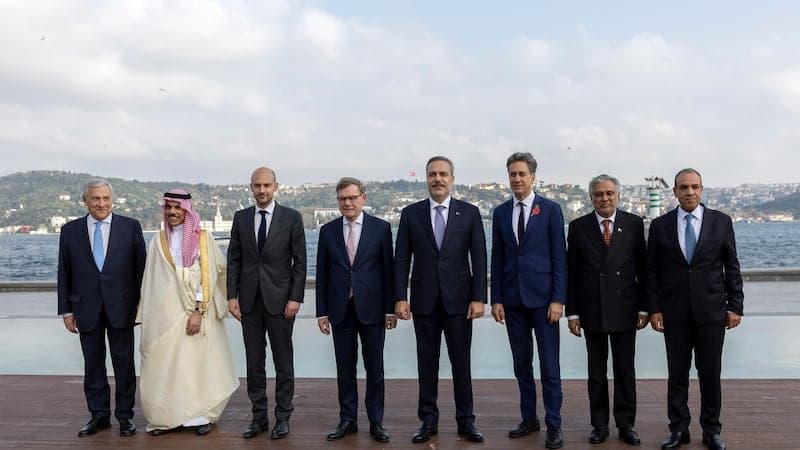
The first meeting of the foreign ministers of the United Kingdom, France, Germany, Italy, Turkey, Saudi Arabia, Pakistan and Egypt was held in Istanbul. Participants called for de-escalation in the region, continued diplomacy on Iran, an end to Houthi attacks on Saudi Arabia, and the guarantee of freedom of navigation.
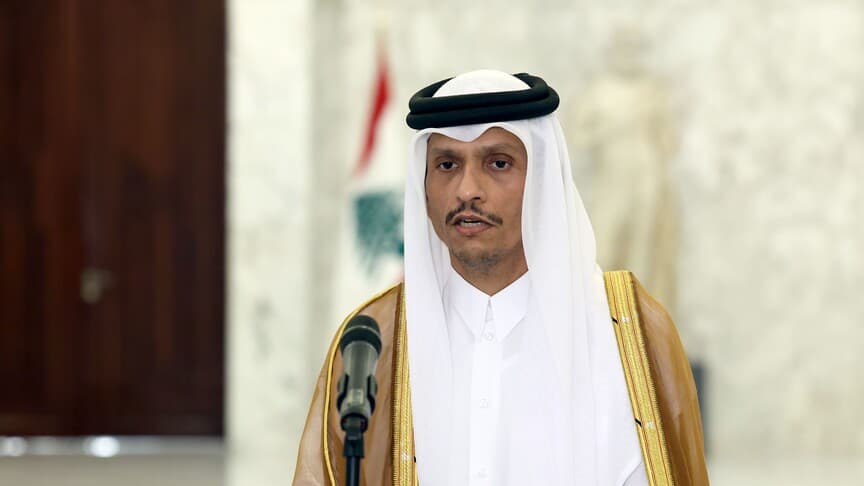
Qatar's Prime Minister and Foreign Minister Sheikh Mohammed bin Abdulrahman Al Thani held a phone call with US Secretary of State Marco Rubio. The parties discussed bilateral relations, regional tensions, and freedom of maritime navigation through the Strait of Hormuz, around which disagreements between Iran and the US persist.
US President Donald Trump said Iran was allegedly deliberately inflating oil prices ahead of the midterm elections by publishing, in his words, fake reports of attacks and mines. He also accused the Iranian authorities of killing protesters and repeated that Iran will 'never get nuclear weapons'.
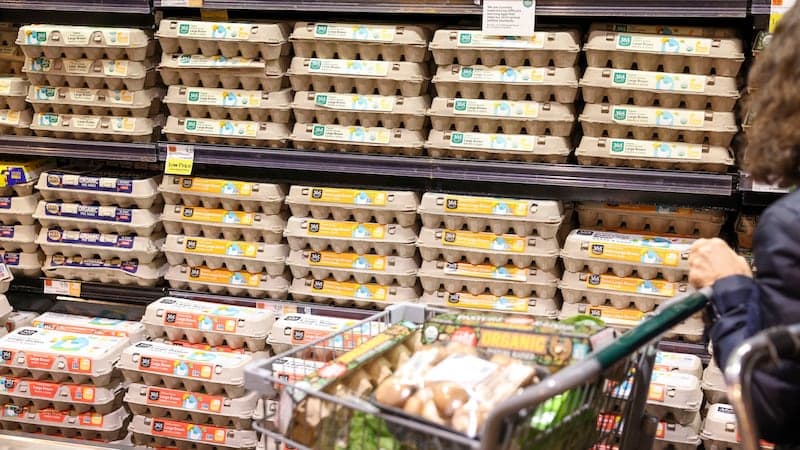
UAE grocery chains and producers, including Lulu Group and Al Ain Farms, said they are ready to hold prices on essential goods and keep shelves stocked amid supply disruptions caused by the war with Iran, which began on February 28. The closure of the Strait of Hormuz has driven up global prices for food, transport, insurance and energy; food inflation in the UAE reached 8.05% in September. The government monitors prices through a dedicated platform and has carried out more than 7,000 inspections.
Secretary of Iran's Supreme National Security Council Mohsen Rezaei said Tehran will not open the Strait of Hormuz and will not return to negotiations until seven conditions, conveyed through mediators, are met. He acknowledged that a prolonged blockade would hurt Iran and warned of new capabilities to strike American facilities if war resumes.
The US is building up its military presence in the Gulf, the State Department has ordered staff to leave Saudi Arabia, and Israel and Iran have been placed on heightened combat readiness. Media report plans for new strikes after the US midterm elections; Tehran speaks of 'mosaic defense,' while Qatar and Pakistan are trying to achieve a diplomatic breakthrough.
Donald Trump at a rally in South Carolina said the war with Iran 'will end very soon,' that the US 'could leave now,' but wants the result to last a long time. He stated that Iran has been defeated militarily and financially and 'will never get a nuclear weapon,' and also called the Strait of Hormuz the 'Strait of Trump.' According to The New York Times, the US and Israel have developed plans for new strikes after the midterm elections, but it is not certain that Trump will approve them. Trump also said the US is 'not negotiating' with Iran.
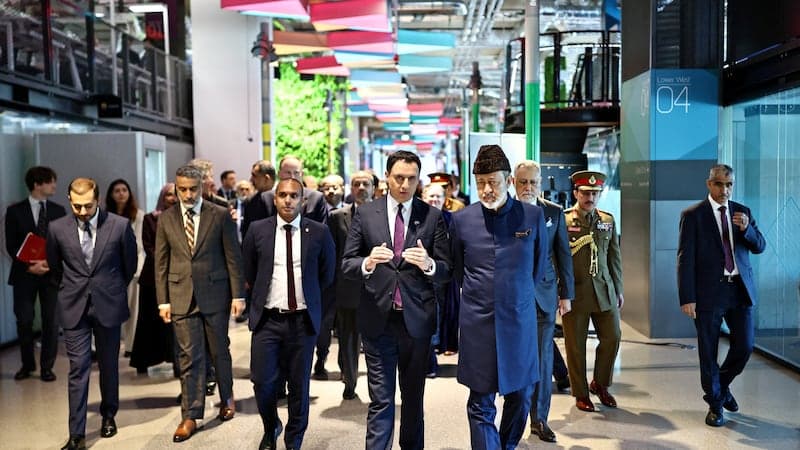
Sultan of Oman Haitham arrived on the first state visit to the United Kingdom in 44 years. In the City of London he spoke of growing bilateral investment and trade, and at Downing Street discussed the situation around the Strait of Hormuz with Prime Minister Andy Burnham. Over the four-day visit, agreements worth more than £1 billion were signed, including an AI data centre project in Salalah. The Sultan also visited the Here East technology park, where he met British and Omani startups in space, medicine and AI.
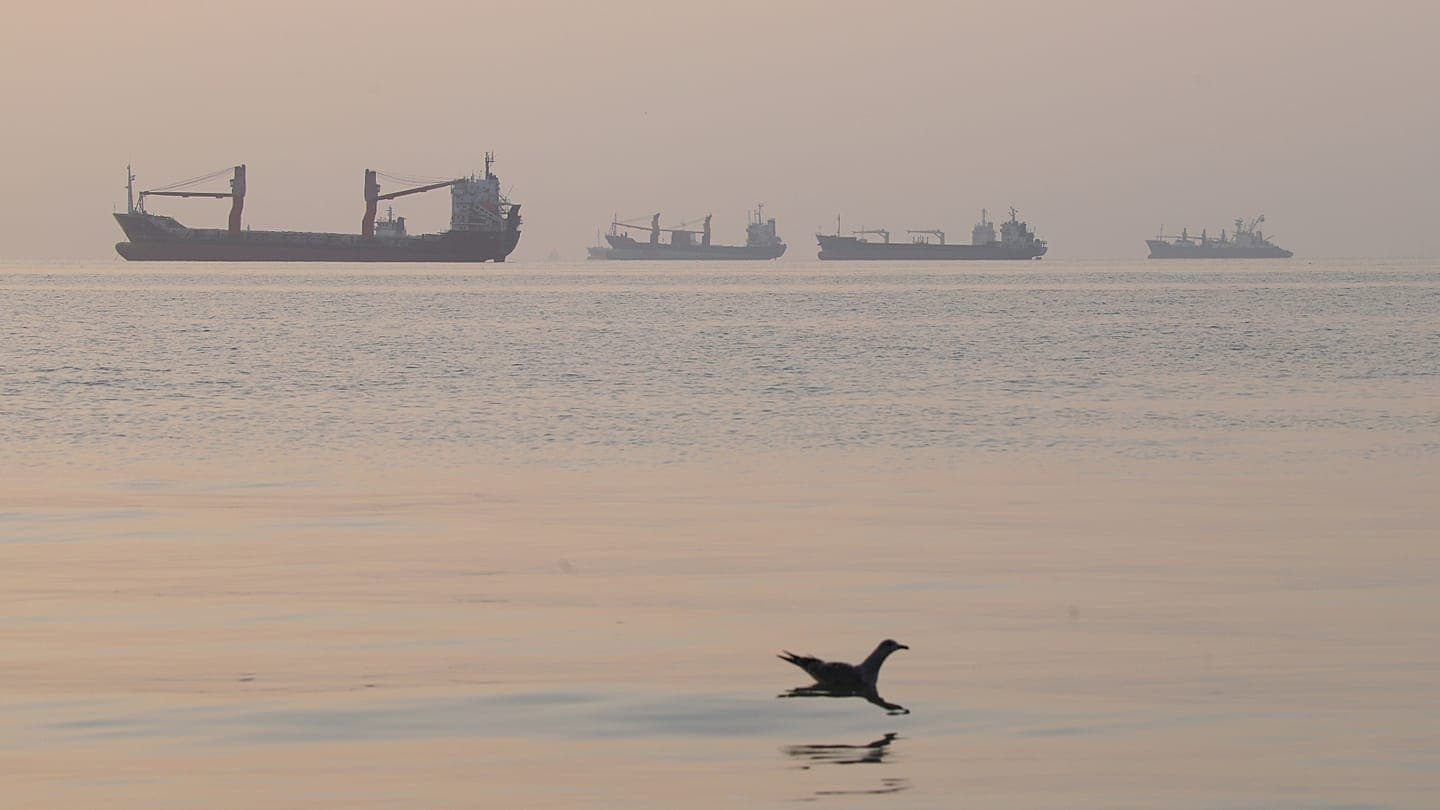
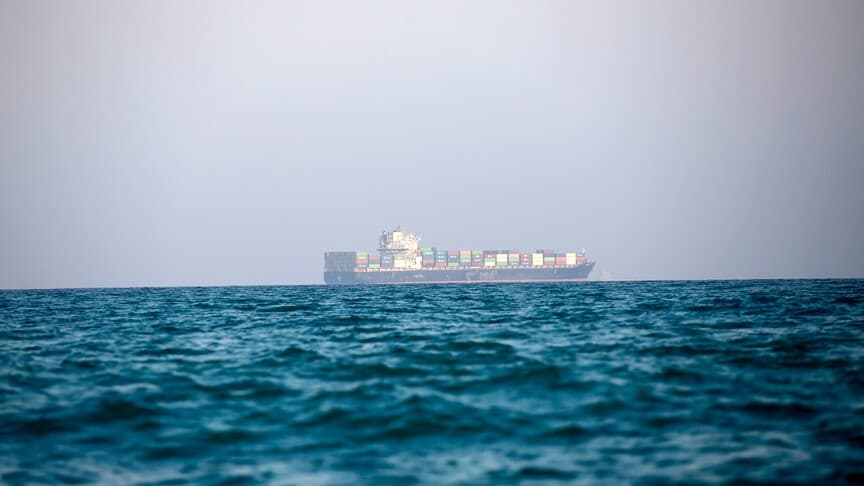
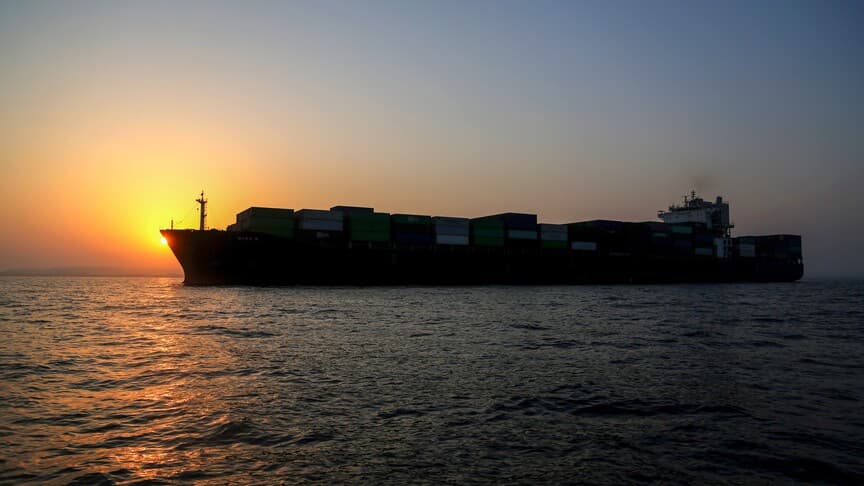
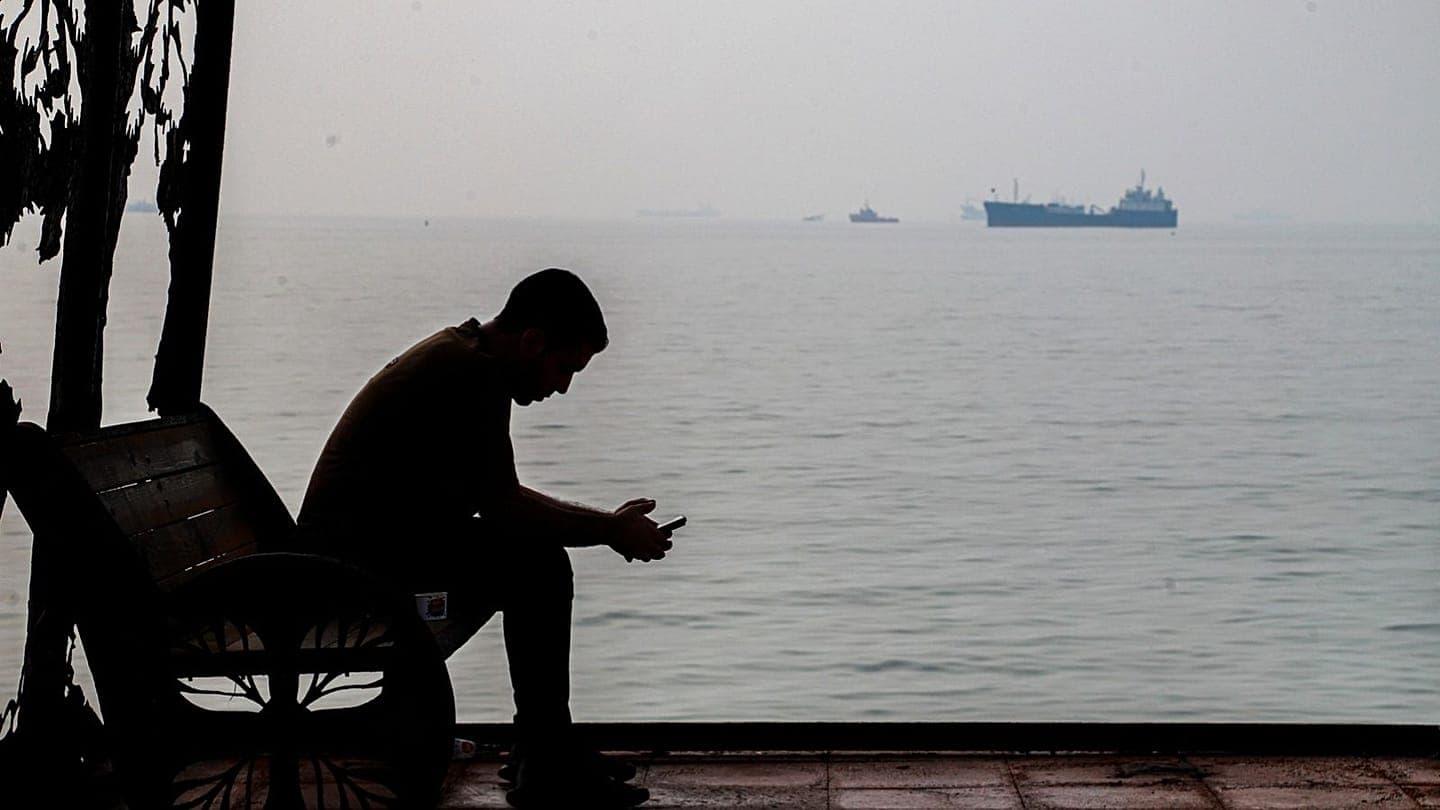
The crew of the gas carrier Al Ruwais has been drifting off the coast of Pakistan for several weeks, refusing to pass through the Strait of Hormuz, where two blockades are in effect. According to Kpler, daily traffic has fallen from more than 125 vessels to 10–12. Companies are offering captains up to $100,000 a month plus risk bonuses, while Iranian sailors report deaths and closed ports.