The key facts
- The first meeting of the foreign ministers of eight countries was held in Istanbul on 23 October; participants agreed to meet regularly
- Hakan Fidan warned that a renewed strike on Iran could widen the conflict and demanded the opening of the Strait of Hormuz
- France is deploying military capabilities to protect the Yanbu oil terminal in Saudi Arabia
Talks in Istanbul
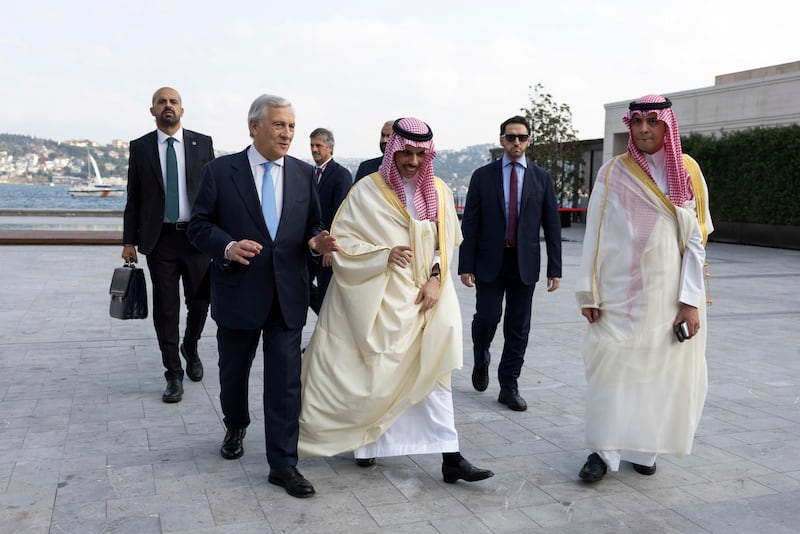
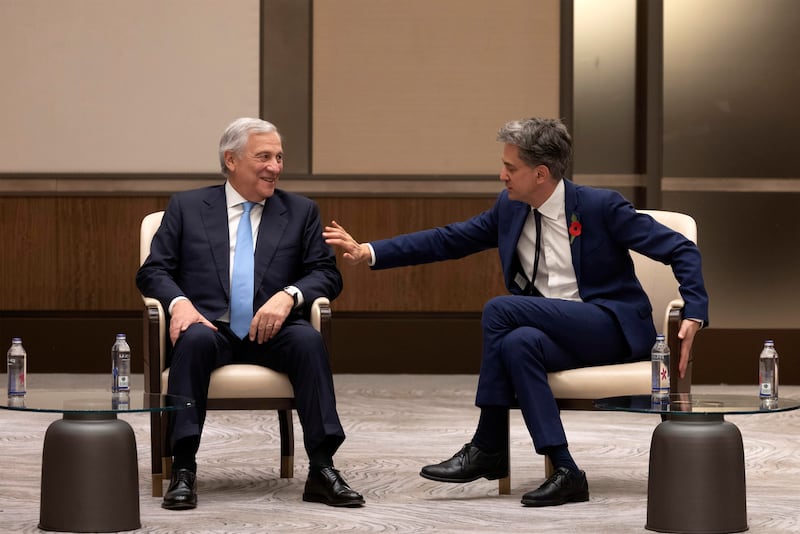
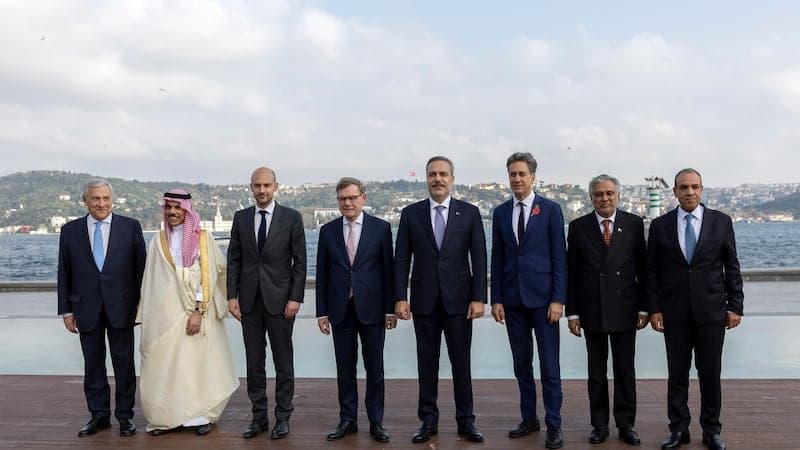
On 23 October in Istanbul, at a hotel on the shore of the Bosphorus, the first meeting of this format took place between the foreign ministers of the United Kingdom, France, Germany and Italy and their counterparts from Turkey, Saudi Arabia, Pakistan and Egypt. Regional and European powers called on the parties to the Middle East conflict to avoid further military escalation amid fears of new American-Israeli strikes on Iran and ongoing attacks by Yemen's Houthis on Saudi Arabia.
Calls for diplomacy
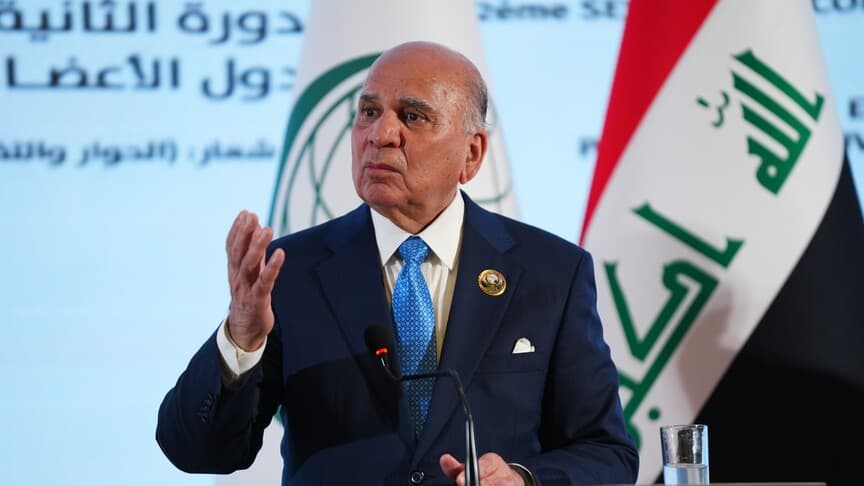
Turkey's Foreign Minister Hakan Fidan told journalists that 'military intervention is not a solution, and no one approves of it right now.' According to him, the countries agreed to convey to all parties the message that diplomacy must prevail. He warned that a renewed attack on Iran could further widen the war in the region, and added that the opening of the Strait of Hormuz and an end to attacks on Saudi Arabia are necessary. Fidan also noted that the ministers discussed the 'parameters' of preventing the spread of the conflict across the Middle East, without revealing details.
Positions of the participants
France's Foreign Minister Jean-Noël Barrot said that a new escalation between Tehran and Washington 'would create nothing but losers.' According to him, after 'highly constructive discussions,' the eight countries decided to meet regularly to address issues related to a 'durable settlement of the Iranian regime's actions.' Pakistan's Foreign Ministry said the ministers discussed the 'pressing need' for diplomacy to resolve regional challenges; Pakistan's Foreign Minister Ishaq Dar informed his colleagues about Islamabad's diplomatic efforts toward de-escalation. Dar also held a bilateral meeting with his Saudi counterpart Faisal bin Farhan, expressing 'full support' for the sovereignty and territorial integrity of Saudi Arabia.
Context of the conflict
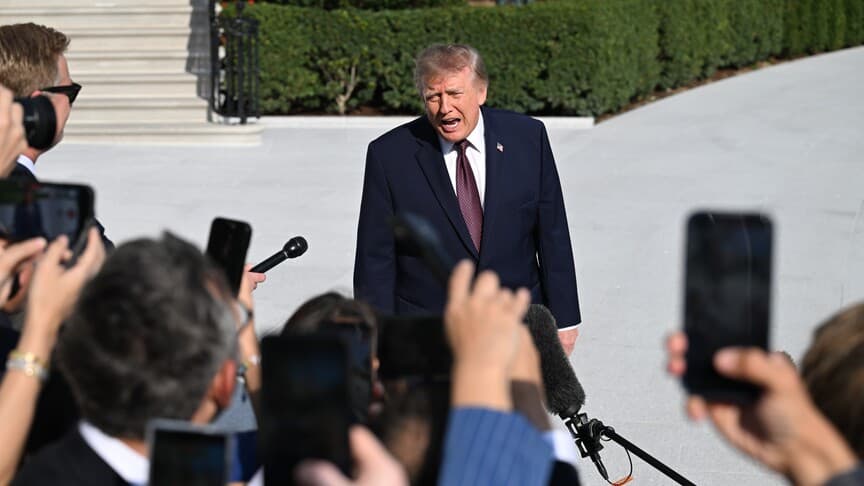
According to reports, the United States and Israel have discussed a new major military operation against Iran, potentially with strikes on missile, nuclear and oil facilities, although President Donald Trump earlier this month said he would not strike before the midterm elections on 3 November. Iranian officials have promised an even larger response to any new attack than the strikes Tehran carried out on the region after the start of the American-Israeli operations on 28 February. The head of Iran's National Security Council, General Mohsen Rezaei, told Iranian media that Tehran could attack cables, data centers and artificial intelligence facilities. The United States continues a military blockade of Iran's seaports, while Tehran regularly attacks vessels attempting to pass through the Strait of Hormuz without its permission.
The Houthis and shipping
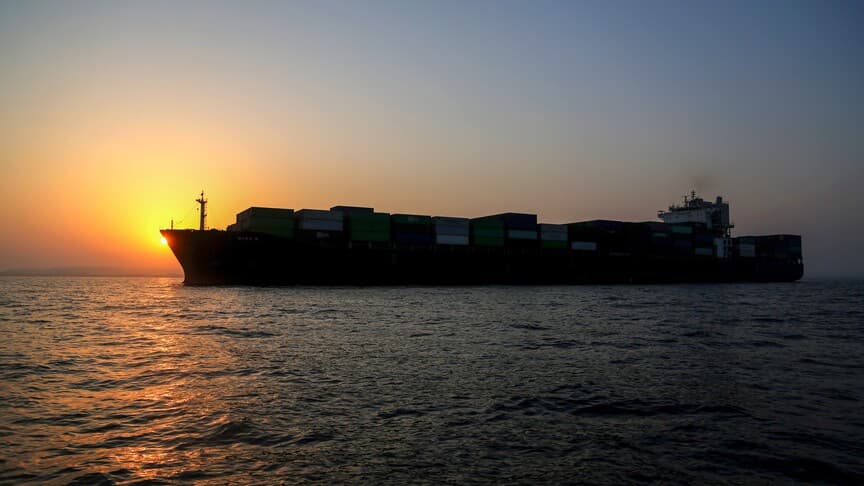
Attacks by the Iran-backed Houthis on Saudi Arabia became a central item on the agenda; Fidan discussed them at a separate meeting with the ministers of Pakistan, Saudi Arabia and Egypt before the talks with European counterparts. Pakistan, Saudi Arabia and Turkey signed a collective defence pact in August, and Islamabad and Ankara pledged to defend Riyadh; however, according to The National, Turkish officials draw the line at offensive actions against the Houthis in Yemen. The Houthis' deadly attacks have forced the kingdom to cancel major events and have heightened turmoil in global energy markets. The countries also seek to ensure freedom of navigation in the Strait of Hormuz, the Red Sea and the Black Sea, where suspected Russian drone attacks on ships off Bulgaria and Romania in recent weeks have raised concerns about yet another chokepoint of global maritime trade. Fidan added that a ceasefire and a peace agreement on Ukraine are needed 'as soon as possible.'
Energy and domestic backdrop
The talks are taking place against a backdrop of growing discontent in Europe, partly due to the cost-of-living crisis exacerbated by rising fuel prices caused by the war. In France, protests have continued for weeks, having begun around education and expanded into cost-of-living demands; in Italy, people took to the streets over rising fuel prices. During President Emmanuel Macron's tour of the Gulf, which included an unexpected stop in Saudi Arabia, Barrot emphasized efforts to ensure energy supplies. France confirmed the deployment of military capabilities to protect the key oil export terminal of Yanbu in western Saudi Arabia. Barrot said that violations of freedom of navigation have 'extremely concrete consequences' for France: they significantly raise transport costs, which leads to inflation and a decline in citizens' purchasing power.