The key facts
- Qatar handed Iran a draft deal with a seven-day schedule of daily confidence-building steps; a response is expected by the end of the week
- The Makkah pact delegation's visit to Tehran ended with an agreement to continue discussions, but without visible progress
- The US Navy advised vessels to avoid the Strait of Hormuz unless necessary
The draft deal and Tehran's reaction
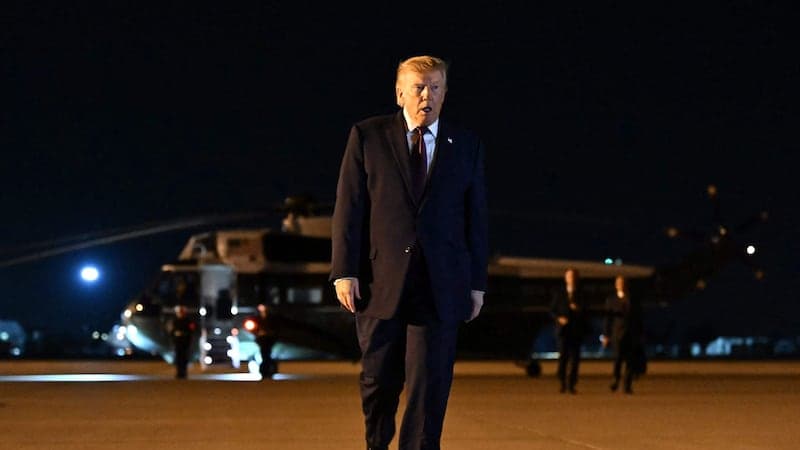
Iran 'welcomes any efforts aimed at negotiations', an Iranian official said on Wednesday, October 28, after Qatari mediators, according to Reuters, presented Tehran with a new draft agreement intended to end the conflict with the US. The document was handed to Iran on Sunday; Tehran is reviewing it and is expected to respond by the end of the week. According to the official, who is informed about the negotiations, the draft sets out a seven-day schedule addressing the concerns of both Tehran and Washington and provides for daily confidence-building steps by each side. The schedule could take effect early next week, with several countries acting as guarantors of the deal. Iran has not publicly commented on the draft. The National reported this.
The Makkah pact visit and its limited results
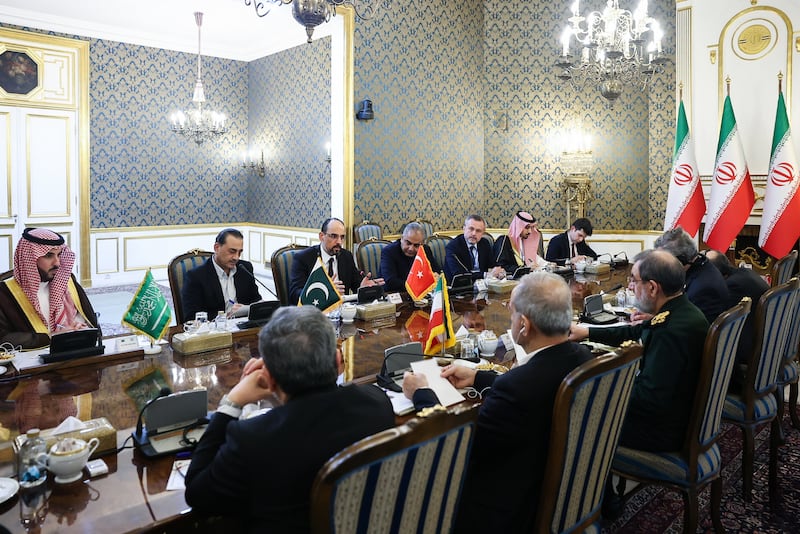
The news of the draft deal follows a visit to Tehran by representatives of the Makkah pact countries — Saudi Arabia, Pakistan and Turkey. The delegation was led by Saudi Arabia's defence minister, Prince Khalid bin Salman; Monday's meeting was also attended by Pakistan's army chief of staff, Field Marshal Asim Munir, and the head of Turkish intelligence, Ibrahim Kalin. Iranian state media reported that the parties agreed to continue discussions, but regional sources informed about the talks said there was no visible progress. According to The National's sources, the Saudi side conveyed a sense of urgency amid the escalation of attacks by Yemen's Houthis on airports in the kingdom and fears of a new war between the US and Iran. Representatives of the three countries asked Iran to push the Houthis to stop attacks on the kingdom; the Iranians replied that they had no leverage over their Yemeni allies and, in turn, asked the guests to use their close ties with the US to persuade Washington to accept Iran's proposal for a two-week pause in hostilities in the region — in exchange for the gradual reopening of the Strait of Hormuz. Despite the limited outcome, the Iranian official called the talks 'a step in the right direction' and a first step towards building trust, adding that Iran considers it necessary to have a framework security structure to monitor the situation in the region.
The situation around the Strait of Hormuz and Yemen
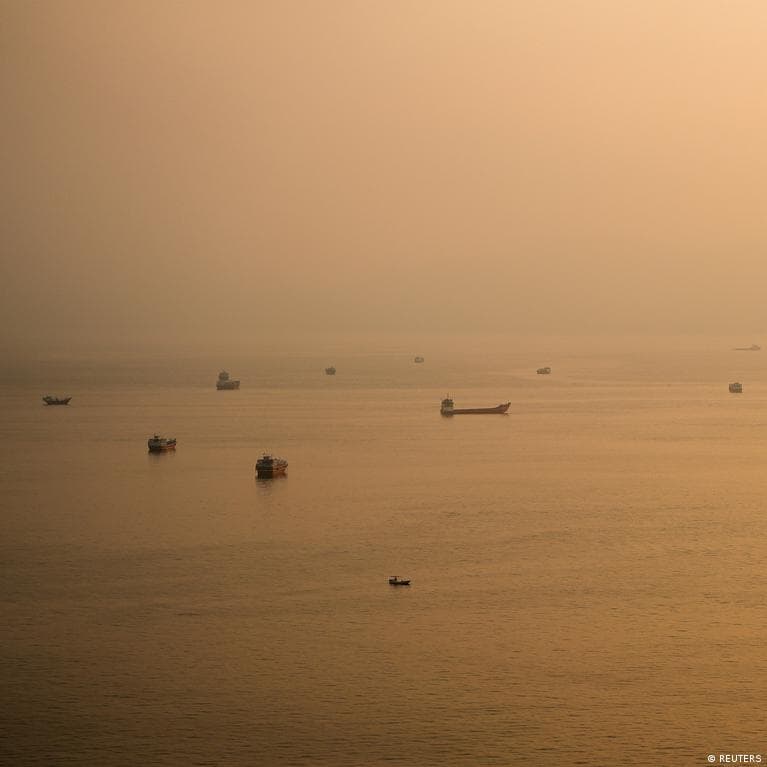
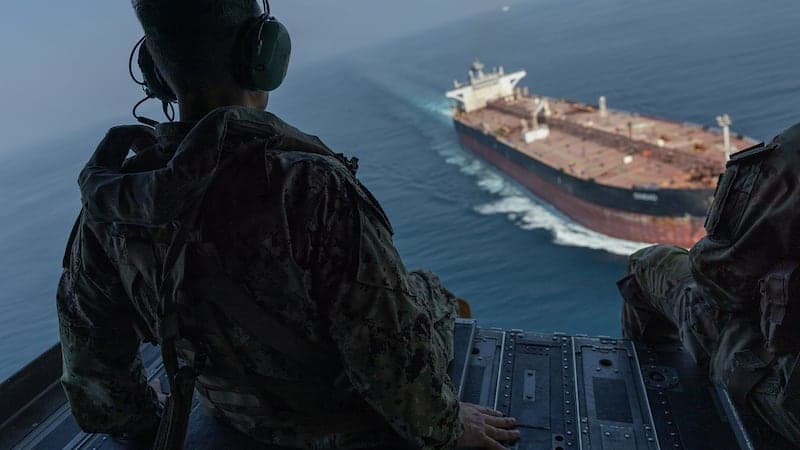
On Wednesday, the US Navy command in the region issued an advisory, recommending that vessels not needing to move between ports in the Gulf of Oman and the Strait of Hormuz keep away, citing the current geopolitical situation and military blockade enforcement operations. The sources do not explain the reason for issuing the advisory; the previous similar public advisory was issued by the US military in mid-July, when the blockade of Iranian shipping began. Meanwhile, in Yemen, the Houthis called for the immediate evacuation of the airport in Aden, where the internationally recognised government is based. For tafs.uz readers, it is important to compare these reports: the draft deal with a seven-day schedule and the proposal for a two-week pause with the gradual reopening of the strait are, for now, separate, non-matching initiatives, and neither has been confirmed as accepted by the parties at the time of publication.