The key facts
- Mohsen Rezaei: seven conditions conveyed through mediators; without their fulfillment the strait will not open and talks will not resume
- Iran acknowledges vulnerability to a prolonged blockade and claims new capabilities against US facilities in the region
- The US and Israel's war against Iran began on February 28; the June memorandum on a peace deal collapsed over shipping disputes
Seven conditions through mediators
Iran will not open the Strait of Hormuz and will not return to negotiations until seven new conditions, presented through mediators, are fulfilled, said Secretary of Iran's Supreme National Security Council Mohsen Rezaei in a comment to the ISNA news agency. 'We will not return to the diplomacy of the past, but we are not abandoning diplomacy altogether,' he said, adding that Tehran 'is no longer interested in agreements whose only guarantee was political goodwill.' The content of the conditions themselves is not disclosed in the publication.
Statements on war and blockade
According to Rezaei, Iran prefers de-escalation, but 'the longer the US drags out the war, the stronger Iran becomes, although Tehran does not want this.' He warned that if war resumes, Iran will use new capabilities to strike American facilities in the region, including cables and artificial intelligence facilities. At the same time, he acknowledged that a prolonged blockade would damage Iran: 'anyone who claims otherwise is unrealistic.' Rezaei also said that over the past two to three months Iran has attacked 'about five smugglers' vessels' every night.
Context of the conflict
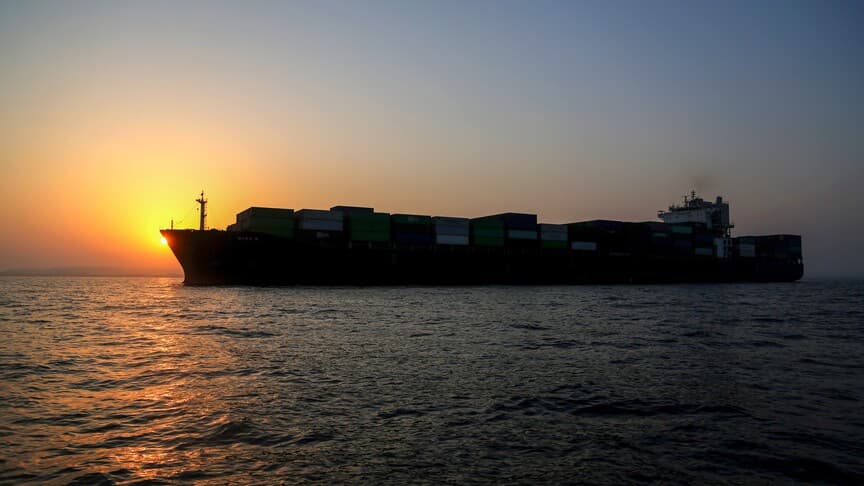
According to the agency, the US and Israel began the war against Iran on February 28, after which Tehran responded with missile and drone strikes across the region and effectively closed the Strait of Hormuz — a key route for global energy supplies. The memorandum of understanding, signed in June as the basis for a final US-Iran peace deal, collapsed amid disagreements over shipping in the strait.