The key facts
- The US State Department ordered non-emergency staff and their families to leave Saudi Arabia; the State Department called reports of similar orders in the UAE, Jordan, Qatar and Bahrain 'inaccurate'
- The New York Times: the US and Israel have developed plans for strikes on Iran after the midterm elections — targets include energy and nuclear infrastructure, and missile and drone arsenals
- On Thursday, seven tankers caught fire or were damaged in the Strait of Hormuz; Iran retains control over the strait
The Region Prepares for Escalation
The Persian Gulf states and the entire Middle East are preparing for a possible resumption of hostilities in the war between the US and Iran. This is evidenced by multiple warnings, media reports of growing intensity, a large-scale build-up of the American military grouping in the Gulf, and heightened combat readiness of the Israeli and Iranian armies. Against the backdrop of growing speculation in recent weeks about a possible new US and Israeli strike on Iran before or after the US midterm elections and the Israeli elections next week, the State Department's evening warning on Wednesday was perceived by the media as a signal of the imminent resumption of the war.
Departure Orders and 'Red Level' Alert
The US State Department ordered the departure from Saudi Arabia of non-emergency US government employees and their family members, since 'hostilities could very quickly extend beyond the immediate area of the conflict.' A number of media outlets, citing diplomatic sources, reported that the families of staff at embassies in the UAE, Jordan, Qatar and Bahrain were also ordered to leave the country. State Department spokesman Tommy Pigott called these reports 'inaccurate,' clarifying that the departure order applies only to Saudi Arabia and is linked to growing Houthi attacks. Earlier, on Monday, the US declared a 'red level' alert for American citizens in 12 Middle Eastern countries — Israel, Saudi Arabia, Iraq, Lebanon, Jordan, Qatar, Bahrain, Kuwait, Oman, the UAE, Yemen and Iran — due to the risk of attacks on American interests.
Elections and Military Build-up
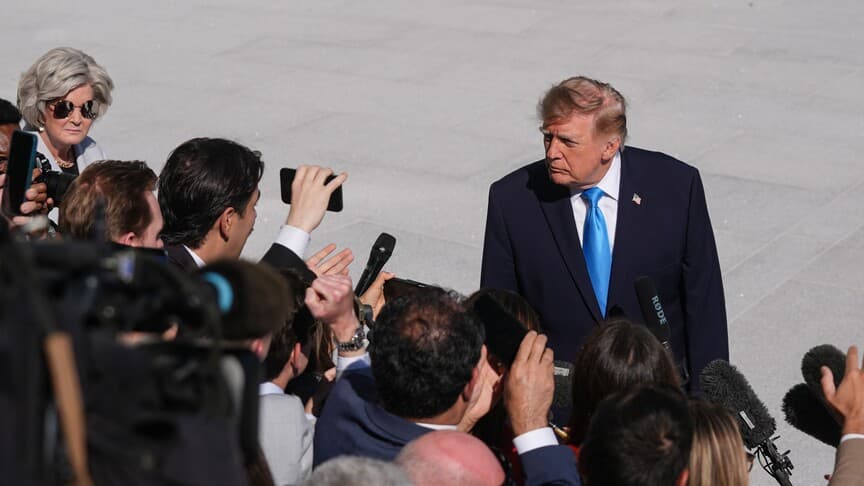
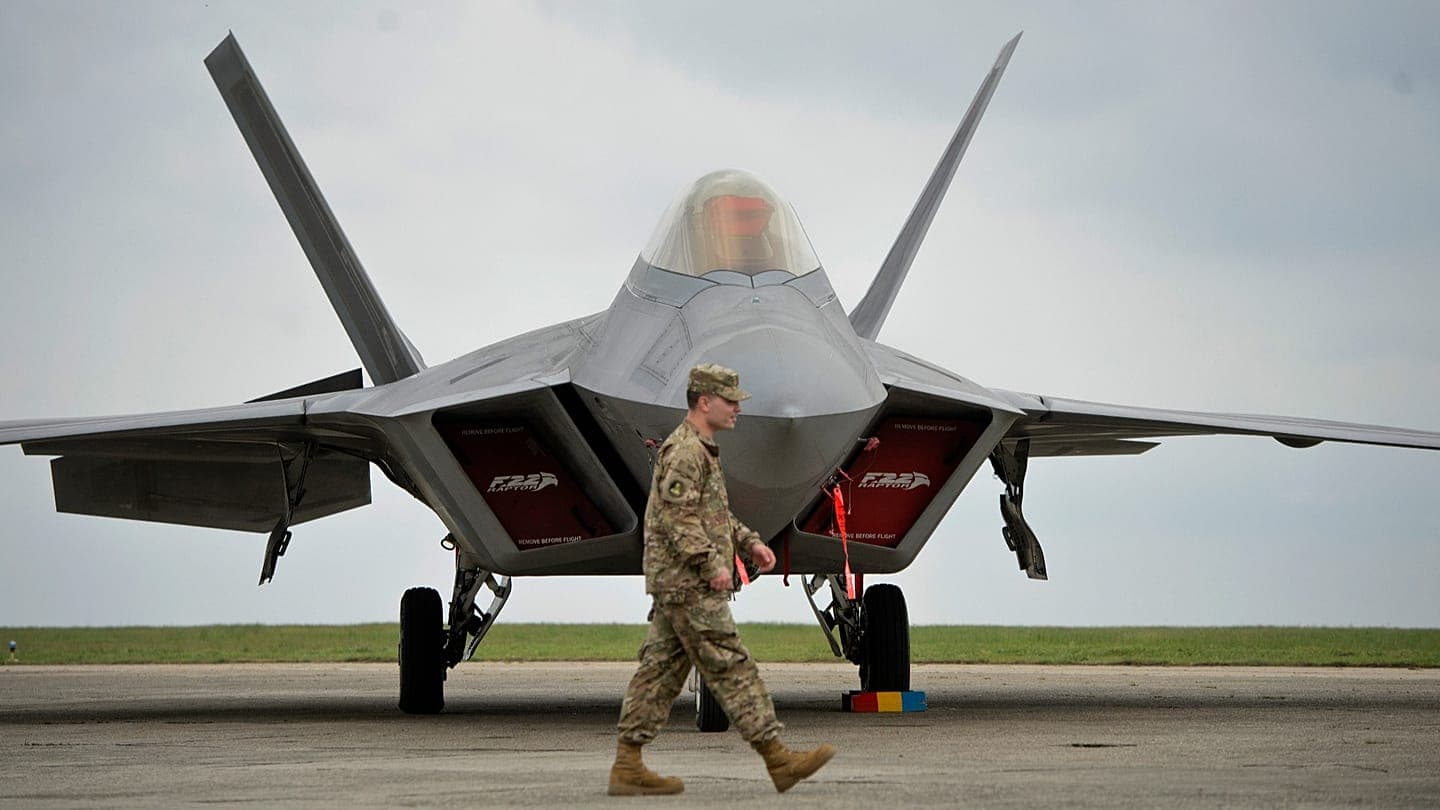
Only days remain until the parliamentary elections in Israel, in which, according to polls, Prime Minister Benjamin Netanyahu may lose power, and the US midterm elections, where voters' discontent is driven by the war-related rise in prices. US President Donald Trump stated that any decisions on a new strike on Iran would be made after the midterm elections. The US is sending additional military resources to the region, including a third aircraft carrier and thousands of troops — the largest US Navy and Air Force grouping in the Middle East since the invasion of Iraq in 2003.
Strike Plans and Iran's Position
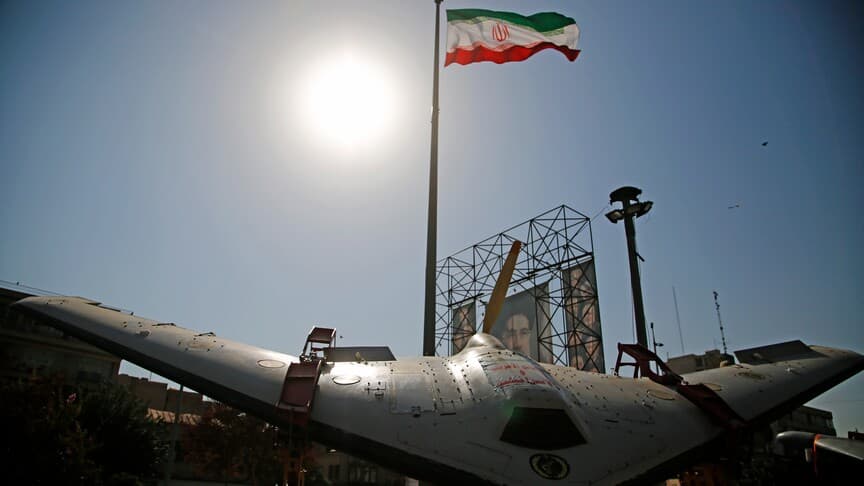
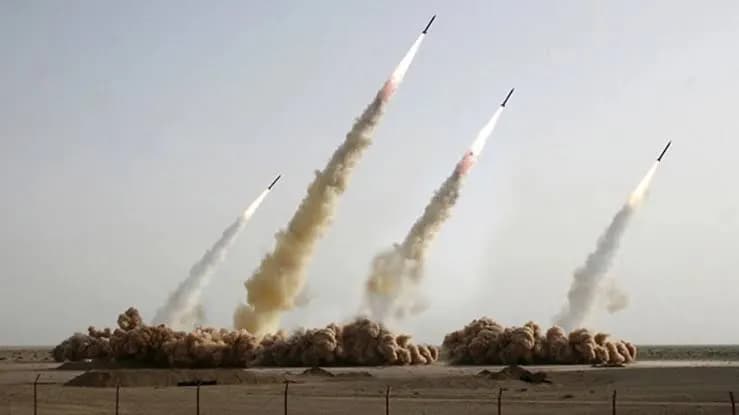
The New York Times and other media reported that the US and Israel have developed concrete plans for new strikes on Iran after the US midterm elections. According to the publication, citing American officials, likely targets include Iran's energy infrastructure, nuclear facilities, and missile and drone arsenals; the goal is to force Tehran to agree to a deal to end the war and resume shipping through the Strait of Hormuz. Iran has warned for several weeks that it has restructured its defenses and that any strike will receive a 'crushing response' against US interests and civilian infrastructure in the region — heavier and more prolonged than previous strikes on Gulf states. Iranian officials and the IRGC declare '100% certainty' of a new attack. According to reports from Iran, Tehran has activated the 'mosaic defense' doctrine: the army operates in a decentralized manner, and local commanders are given lists of targets in advance so that combat operations can continue even if the central command is destroyed.
Israel's Actions and Netanyahu's Statements
US Defense Secretary Pete Hegseth made an unannounced visit to Israel at the beginning of the week and met with Netanyahu to discuss 'threats in the region.' Speaking on Wednesday at an IDF officer graduation ceremony, Netanyahu stated that the regime in Tehran must be finally overthrown, since Ayatollah Mojtaba Khamenei 'has decided to follow in his father's footsteps and once again attempt to create bombs of death.' Mojtaba Khamenei was elected the new supreme leader after the death of his father Ali Khamenei in the American-Israeli strikes on Tehran on February 28, at the start of the war; he has still not appeared in public amid reports about his health. According to US media, dozens of Israeli fighter jets and refueling aircraft flew toward the Iranian border earlier this week and turned back; Israel called it a drill and a 'show of force.' American officials, according to media reports, believe the purpose of the sorties was to test Iranian air defenses and provoke them into opening fire. Israeli media reported that security officials warned the government that a strike on Iran could be perceived as interference in the elections. Opposition leader Yair Lapid stated that 'based on the information I have, there is absolutely no reason to attack Iran or anywhere else before the elections.'
Incident in the Strait of Hormuz and Diplomacy
On Thursday, seven tankers caught fire or were damaged in the Strait of Hormuz — according to Tehran's statements, they were attacked by Iran or struck naval mines. For recent weeks, this is a high toll amid rising tensions. Iran still claims it controls the strait — a key lever of pressure in negotiations with the US. During a state visit to Qatar, French President Emmanuel Macron warned on Wednesday about the fragile security situation in the Gulf, calling for 'extreme caution.' 'No one can say how the situation will develop in the coming days and weeks,' he said, noting that during the election periods in Israel and the US, efforts to prevent the resumption of the conflict must be doubled. The exchange of signals between Washington and Tehran continues through international mediators — Qatar and Pakistan are trying to achieve a diplomatic breakthrough. A resumption of full-scale war would once again endanger civilians across the region, complicate the supply of oil, gas and fertilizers, and likely trigger a new surge in global energy prices.