The key facts
- Iran's Foreign Minister Abbas Araghchi said that after the war with the US and Israel “nothing will be the same,” including shipping and the management of the Strait of Hormuz
- Iran and the US disagree over control of the strait: Tehran insists on its right to manage the passage, while Washington demands unrestricted navigation
- An interim deal was signed in June, but diplomatic talks stalled amid rising tensions
Statement by Iran's foreign minister
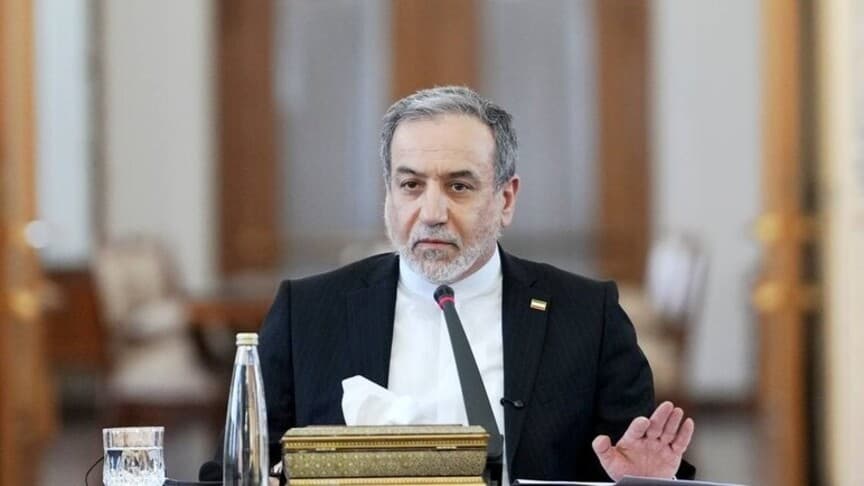
Iran's Foreign Minister Abbas Araghchi said on Sunday that “nothing will be the same” in the region after the recent war with the United States and Israel, including the management of the Strait of Hormuz. “The current war has changed everything. We must acknowledge that new realities have emerged,” Araghchi said in a speech at the Foreign Ministry, as quoted by Iran's Press TV channel. According to him, shipping routes through the Strait of Hormuz “will no longer be as they were before,” and the strait “will not be managed as it was in the past.” The diplomat stressed that Tehran would welcome “any security plan that comes from the region itself.”
The dispute over the strait and the state of negotiations
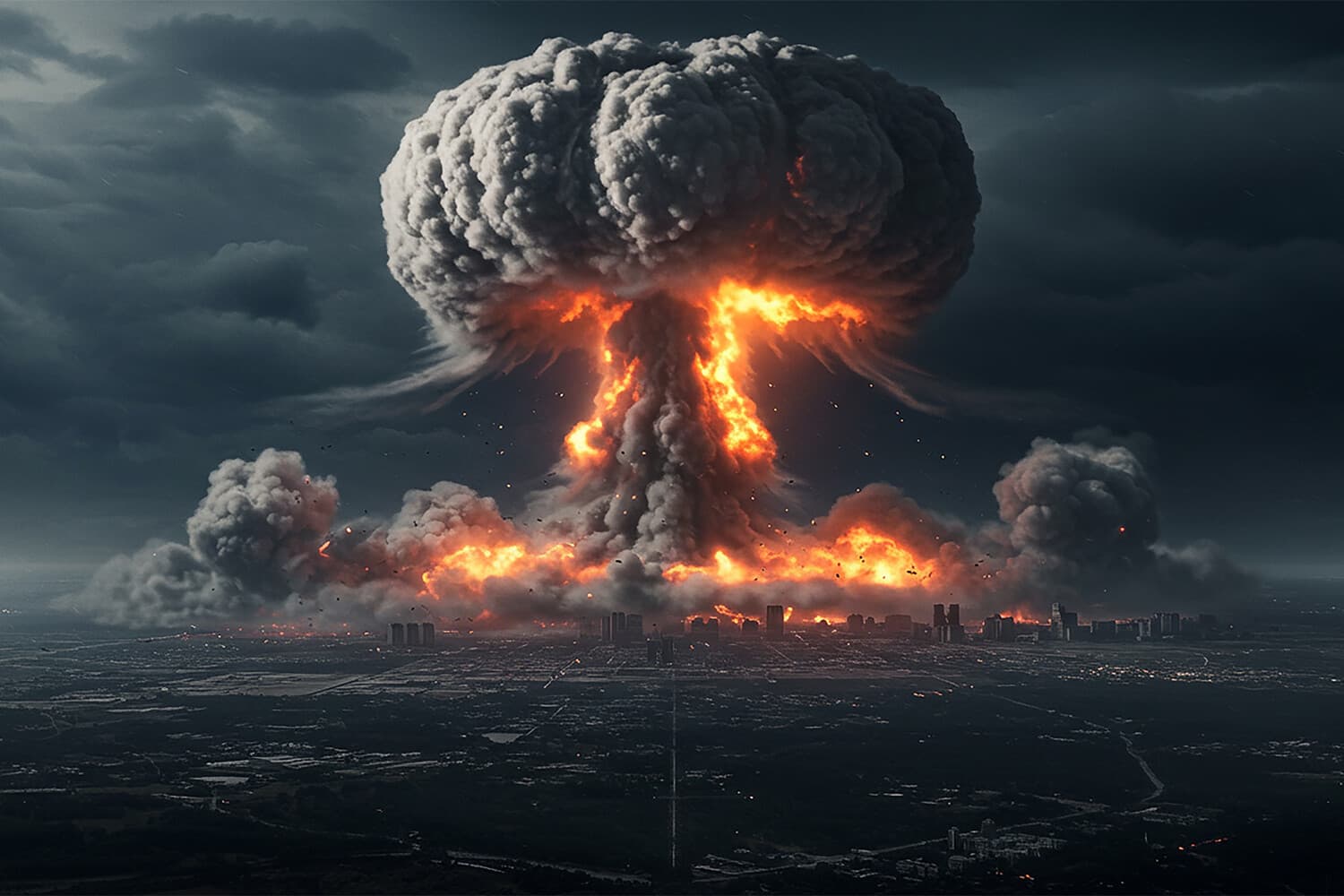
Iran and the United States have remained at odds over control of the strategic waterway since the start of the American-Israeli war in February. Tehran insists on its right to manage the passage of vessels through the strait, while Washington demands unrestricted navigation. The United States and Iran signed an interim deal in June to resolve the conflict, but diplomatic talks stalled amid rising tensions between the two sides.
Why it matters
The Strait of Hormuz is a key artery of global trade, and the words of Iran's top diplomat point to a possible change in the shipping regime through it, directly affecting regional countries and global transportation. In practical terms, this means continued uncertainty for shipping companies and an ongoing diplomatic deadlock: the June interim deal did not grow into a final settlement, and talks have stalled. For now, this is a statement by official Tehran, not a description of specific new passage rules — exactly how the management of the strait will change is not specified by the sources.