The key facts
- Brent fell more than 6% — from $117.4 to about $110 per barrel; WTI dropped roughly 2% to $101.5
- Qatari mediators arrived in Tehran; Trump said he is considering a deal with Iran
- The Houthis reported new strikes on Saudi airports and energy facilities; Riyadh said it intercepted missiles and drones
Sharp drop after a week of gains
On Monday morning, October 26, oil prices fell noticeably amid intensified diplomatic efforts to resolve the war with Iran. Brent dropped by more than 6% — from about $117.4 per barrel at Friday's close to around $110 at the time of writing, while the US benchmark West Texas Intermediate lost about 2%, falling to $101.5 per barrel, Euronews reported.
Friday's peak and the war context
Friday's close marked for Brent its highest level since March 19 and was only about 2% below the March peak of $119.5 recorded at the start of the war with Iran. Before the conflict began, Brent traded around $72 per barrel. Last week's rally was driven by strikes by Yemen's Houthi rebels, an Iran-aligned group, on airports and energy infrastructure in Saudi Arabia — the world's largest oil exporter.
Diplomatic shift over the weekend
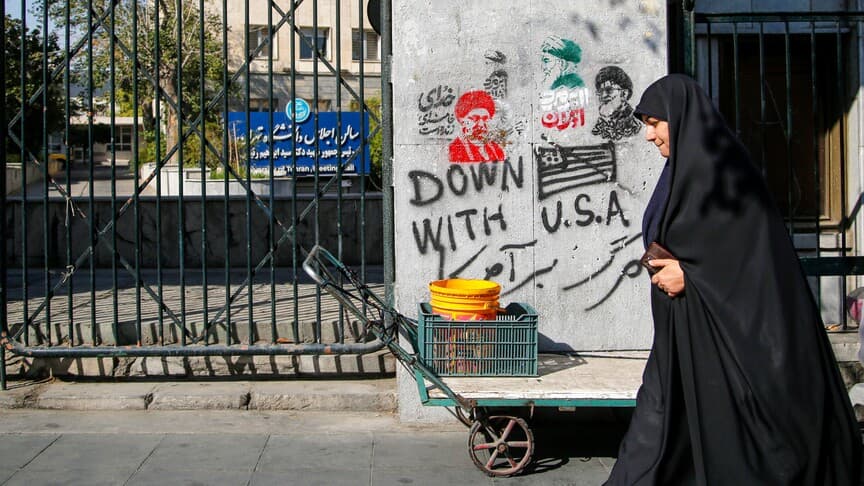
According to media reports, Qatari mediators, in coordination with Washington, traveled to Tehran on Sunday, and on Monday the Saudi defense minister, the head of Pakistan's army and the chief of Turkish intelligence were due to arrive in the Iranian capital for talks on regional security. In a Fox News interview on Sunday, US President Donald Trump framed the situation as a choice: “make a deal with them or finish them off?”. Yet the risks to supplies have not disappeared: the Houthis announced new strikes on Saudi airports and energy facilities over the weekend, while Riyadh reported intercepting missiles and drones.
Shipments through the Strait of Hormuz
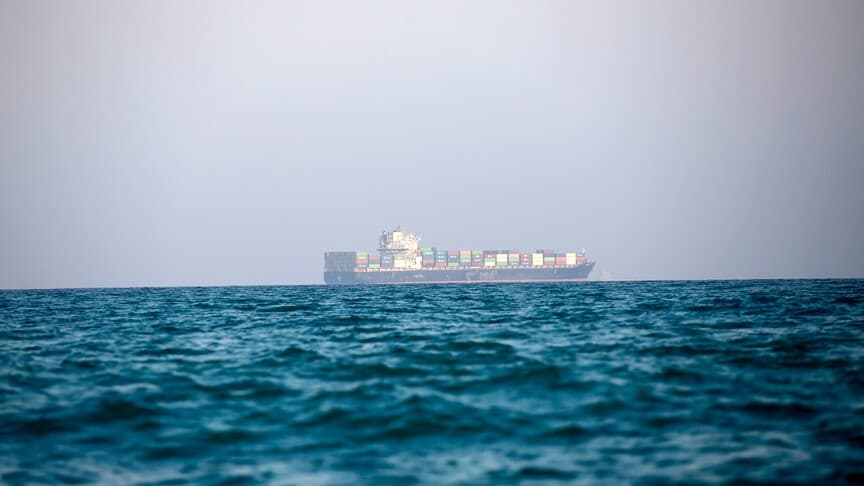
At a campaign event in Port Huron, Michigan, Trump defended his administration's decision to start the conflict and, citing the Wall Street Journal, said that the volume of oil leaving the Strait of Hormuz now exceeds pre-war levels. Before the war, roughly one-fifth of global oil supplies passed through the strait. According to shipping analytics firm Kpler, oil exports from Persian Gulf countries excluding Iran returned to pre-war levels in September, but about 40% of these volumes are now transported bypassing the strait via pipelines, compared with 17% before the conflict.
Markets and a central-bank week
The European Stoxx 600 and Euro Stoxx 50 indexes were up more than 0.6% from Friday's close; the FTSE 100, DAX, CAC 40, FTSE MIB and SMI rose 0.3–1%, with the German index leading, while Spain's IBEX 35 and the Netherlands' AEX traded around flat. French assets got a reprieve after Moody's on Friday evening unexpectedly kept France's rating at Aa3. In the US, S&P 500 and Nasdaq 100 futures gained 0.3% each. A busy week lies ahead: on Wednesday the US Federal Reserve announces its decision — it is widely expected to keep rates in the 3.75–4% range, with a possible hike in December; on Thursday the ECB meets amid turmoil in the French bond market; and on Friday the Bank of Japan. Earnings season also peaks: roughly one in three S&P 500 companies will report results, including Alphabet, Microsoft and Amazon, while in Europe BP and Shell will do so.
Why it matters
Oil price swings directly affect fuel costs and inflation around the world, and a sharp move of more than 6% in a single day shows how sensitive the market is to the combination of military risks and diplomatic signals. For consumers and companies, the practical significance lies in the continuing uncertainty: the Houthis keep attacking the infrastructure of the largest oil exporter, and about 40% of Persian Gulf exports already bypass the Strait of Hormuz, reflecting a logistics realignment. Decisions by the Fed, the ECB and the Bank of Japan this week will add another source of volatility for markets.