The key facts
- The UAE ministry confirmed an oil spill from a tanker off the beaches of Umm Al Quwain; the fuel smell reported by residents poses no health risk
- The UAE ministry confirmed an oil spill from a tanker off the beaches of Umm Al Quwain; the fuel odor reported by residents poses no health risk
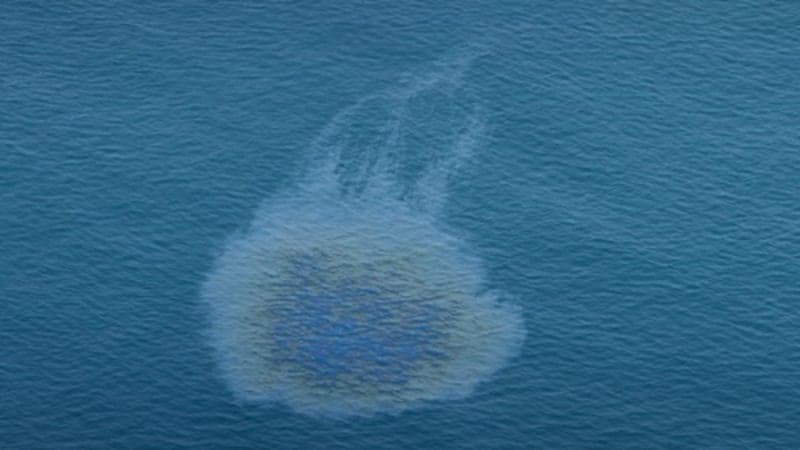
- BBC Verify links the spill to the tanker Gem No.2, attacked on 9–10 October; the slick has spread over more than 35 km
- All beaches in Umm Al Quwain and Ras Al Khaimah are closed, as well as Al Hamriyah beach in Sharjah; containment work is under way
- All beaches in Umm Al Quwain and Ras Al Khaimah are closed, as well as Al Hamriyah beach in Sharjah; containment efforts are underway
UAE authorities confirmed an oil spill off Umm Al Quwain
The UAE Ministry of Climate Change and Environment confirmed on Friday morning that its technical monitoring and environmental assessment system had detected an oil spill from a tanker affecting the beaches of the emirate of Umm Al Quwain. The ministry said the spill was the cause of the strong fuel smell reported in recent days by residents of Dubai and the northern emirates, adding that the odour noticed in Sharjah, Ajman and Umm Al Quwain 'poses no health risk to residents'. The public were urged to stay away from oil washing ashore, while fishermen and sea users were told to follow the authorities' instructions and not to fish in affected areas.
The vessel is likely the tanker Gem No.2, attacked near the Strait of Hormuz
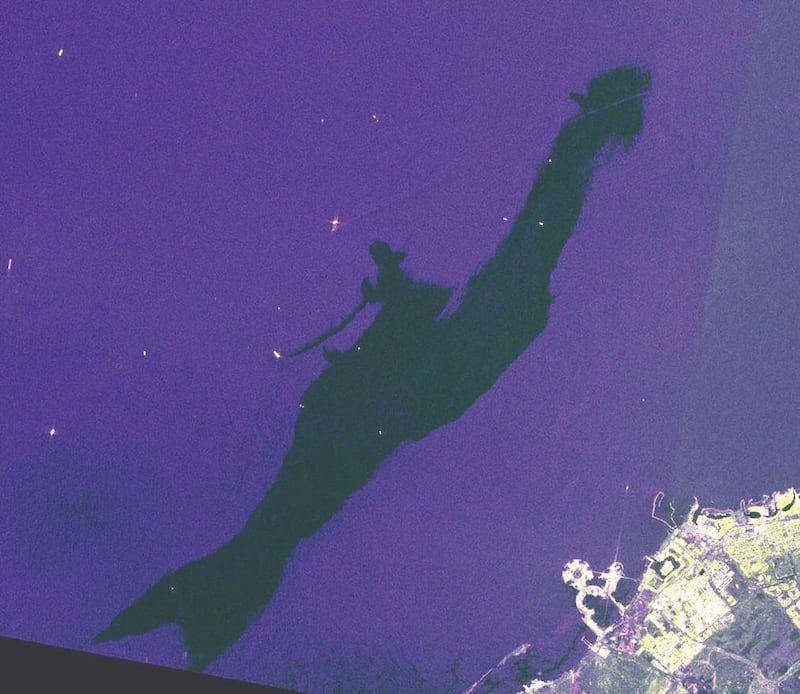
The ministry did not name the vessel, but according to The National, citing international maritime agencies, it is the 330-metre tanker Gem No.2, which, according to the agencies, was struck in an alleged Iranian drone attack on 9–10 October; all 22 Indian crew members were rescued at the time. BBC Verify notes that the size and position of the vessel in satellite images match those of the Panama-flagged tanker Gem No.2, which, according to the maritime intelligence company Vanguard, was hit by 'an unknown projectile' on 9 October north of the town of Al Jazirah Al Hamra, causing a fire on board. The Indian consulate in Dubai reported on 11 October that all 22 crew members had been rescued. According to BBC Verify, a small oil leak was already visible on 19 October, but over two days the slick grew rapidly: by Wednesday it had spread more than 35 km from the tanker. An image obtained using the European Space Agency's SAR radar on 21 October shows oil leaking from the tanker 25 km off the coast of Umm Al Quwain. BBC Verify also links the incident to a record number of reported attacks on shipping near the Strait of Hormuz in early October; according to security experts, this is part of an Iranian attempt to tighten control over the strait in response to the successful escorting of vessels by the US military. euronews adds that Iran's IRGC claimed to have struck tankers using a route that Tehran unilaterally declared 'illegal', although, according to the agency, Tehran has no authority recognised by international maritime law to restrict passage through the strait.
Beach closures and containment work
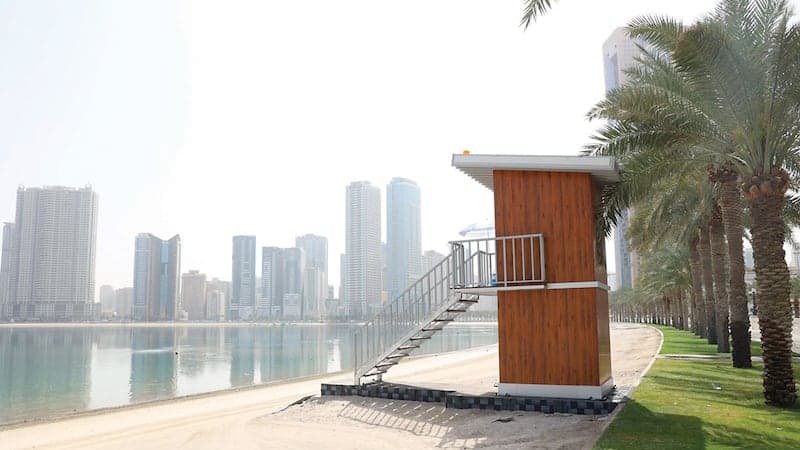
All beaches and coastal areas of Umm Al Quwain are temporarily closed until technical teams complete their assessment and safety and marine environment protection measures are determined. The Umm Al Quwain municipality said it is carrying out field operations to contain the consequences of the spill and minimise damage to the marine and coastal environment, will monitor the situation, identify affected areas and support clean-up work; specialists will also help assess the spill's impact. On Friday afternoon, the Sharjah authorities closed Al Hamriyah beach as a precautionary measure. On Saturday, the Ras Al Khaimah Public Services Department announced the closure of all beaches in the emirate 'until further notice', urging the public to follow the authorities' instructions.
Environmental risks and expert opinions
Professor Steve Widdicombe, director of the Sharjah Marine Science Research Centre, told BBC Verify that the impact is 'inevitable', but researchers warn it is too early to assess the scale of the damage: it depends on the volume and type of oil spilled, the rate at which it evaporates or breaks down, and the effectiveness of clean-up operations. According to BBC Verify, the spill is spreading towards the Siniya islands and Khor Al Beidah — a globally recognised key biodiversity area with corals, seagrasses, salt marshes, and green turtles and the critically endangered halavi guitarfish; Johan Derbyshire, a scientist at the Conflict and Environment Observatory, called the slick's proximity to this zone 'the most alarming ecological aspect.' Professor John Burt of NYU Abu Dhabi stressed that containment is key: if floating booms allow the oil to be collected before it reaches the shore, that is the ideal scenario, whereas recovery after oil comes ashore could take years. Rob Mortimer, head of the Dubai-based company Fuelre4m, noted that dispersants require careful evaluation due to their potential toxicity to corals, fish, crustaceans and plankton, and said his company supplies plant-based dispersants and is seeking approval from UAE authorities to use them. Insaf Benzaki of Greenpeace Mena pointed out that the semi-enclosed geography of the Persian Gulf limits water exchange with the open ocean, which means pollutants can persist longer, and oil residues can remain in coastal sediments even after the visible oil has been removed.
Context and what remains unclear
The source of the oil has not yet been officially confirmed; The National notes that this spill is the latest in a series of incidents that have raised concerns about the 'unprecedented' environmental consequences of the US–Iran war this year. The scale of the oil slick remains unclear, as The National and euronews emphasize; in August, a large oil slick had already washed ashore on Iran's Qeshm island. For residents of the northern emirates, the practical consequences are already tangible: beaches in three emirates are closed, fishing is banned in affected areas, and the ministry urges people to rely on official channels of information and avoid rumors. According to the experts cited, the speed of containment will determine whether the damage remains limited to the sea surface or the oil reaches the shore, where recovery could stretch over years.