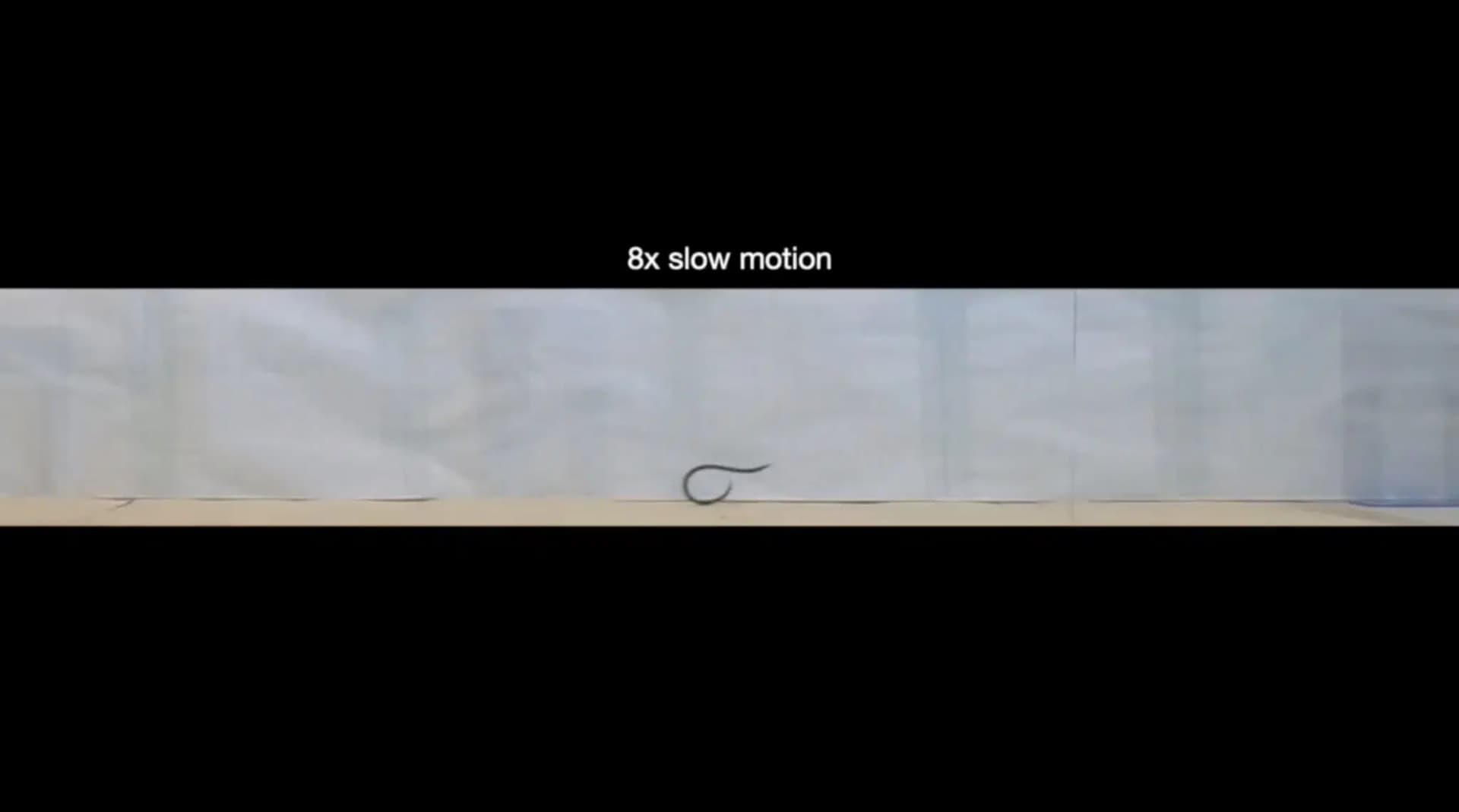
Researchers studied the snake Pseudorabdion longiceps, which, when in danger, folds its body into a ring and rolls, reaching a speed of about 30 cm per second — roughly four times higher than usual. The results are published in Current Biology.
A dispute between mathematicians from NYU and OpenAI over solving the Navier–Stokes equations became the occasion for a broad examination of how AI is changing science: from fake citations in journals to disputes over the novelty of DeepMind's results. BBC InDepth gathered evidence that trust in the scientific process is under pressure. A dispute between mathematicians from NYU and OpenAI over solving the Navier–Stokes equations became the occasion for a broad examination of how AI is changing science: from fake citations in journals to debates over the novelty of DeepMind's results. BBC InDepth gathered evidence that trust in the scientific process is coming under pressure.
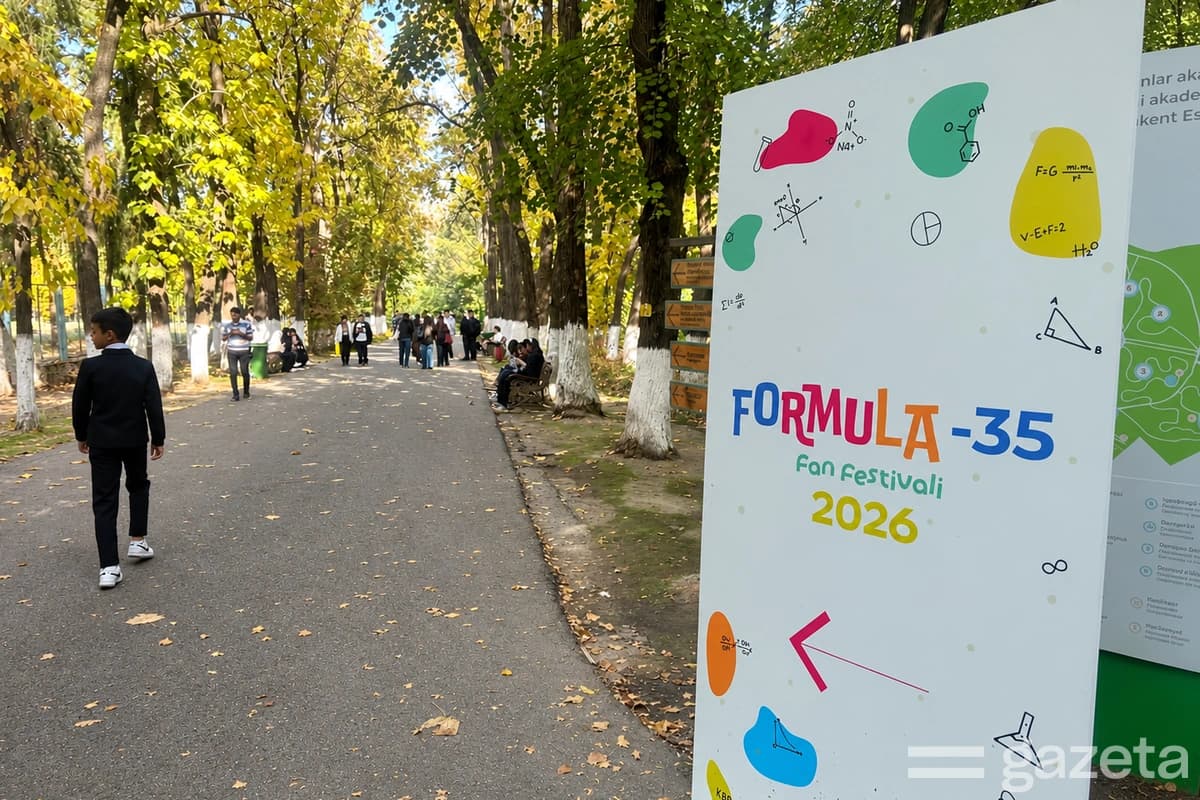
The Academy of Sciences of Uzbekistan organized the Formula 35 science festival at the Tashkent Botanical Garden, featuring nine thematic zones. Scientists from various institutes conducted interactive experiments for children, ranging from acid-base reactions to solar observations. Schoolgirls presented a project recreating Martian soil. The event concluded with the announcement of results from the national science hackathon. The Academy of Sciences of Uzbekistan organized the Formula 35 festival at the Tashkent Botanical Garden, featuring nine thematic zones. Scientists from various institutes demonstrated experiments to children, ranging from acid-base reactions to solar observations, while schoolgirls presented a project on recreating Martian soil. The event concluded with the announcement of results from the national scientific hackathon.
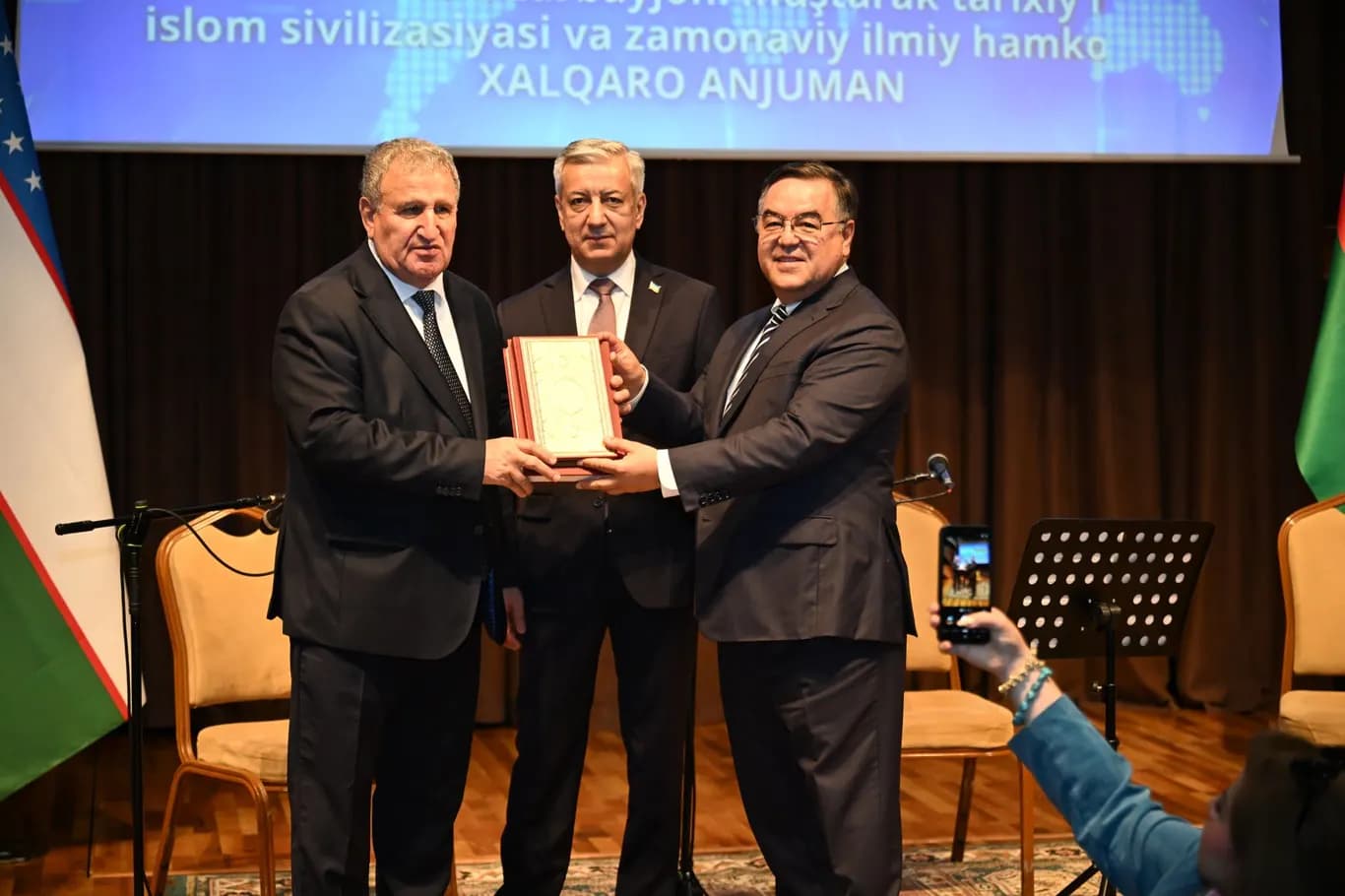
On October 26, Baku hosted the international conference 'Uzbekistan and Azerbaijan: Shared Historical Heritage, Islamic Civilization and Modern Scientific Cooperation'. As part of the event, the Center of Islamic Civilization and the National Academy of Sciences of Azerbaijan signed a memorandum on joint research.
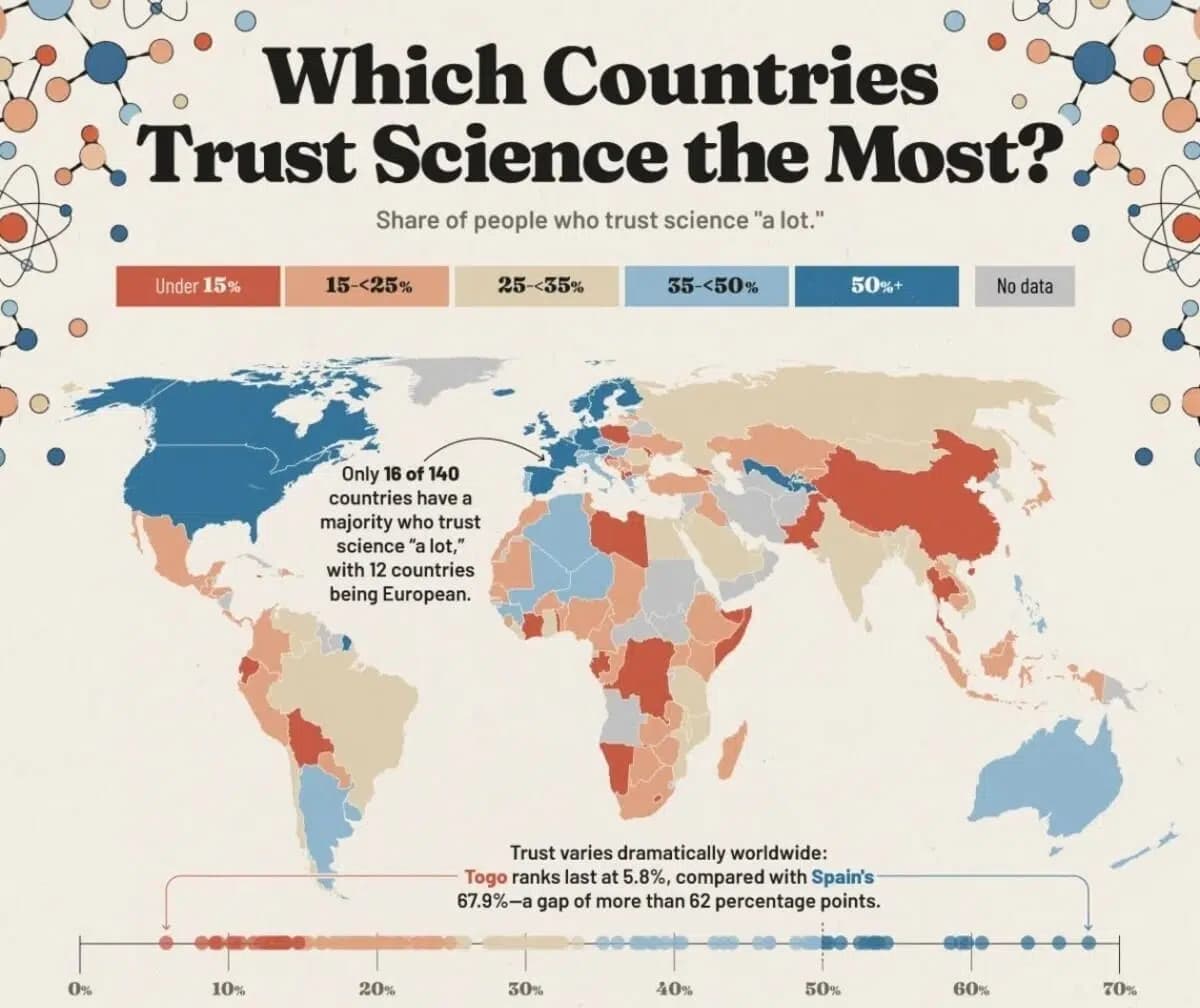
According to a survey covering 140 countries and more than 140,000 people in 2025, Uzbekistan took third place in the world in the share of people expressing high trust in science — 63.8%. Meanwhile, the global level of trust fell from 80% to 72% over five years.
Vice-President of the Academy of Sciences of Uzbekistan Shahlo Turdikulova has been elected vice-president of the World Academy of Sciences (TWAS) for Central and South Asia for 2027–2028. According to the Academy of Sciences, she became the first representative of Uzbekistan and Central Asia in the TWAS leadership in the academy's entire history. She will take office on 1 January 2027.
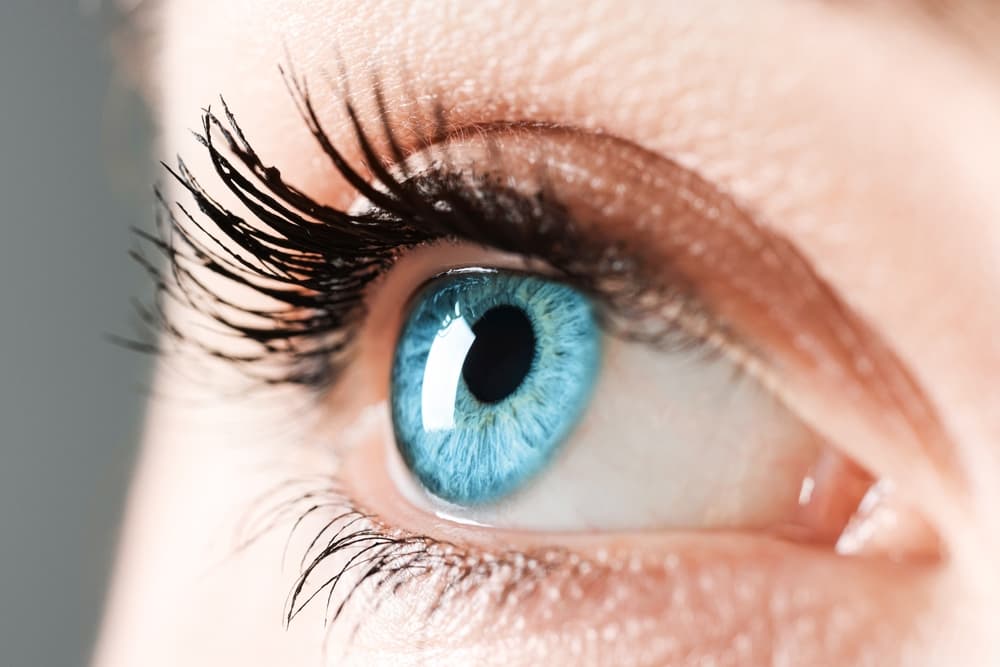
Researchers from the University of Tsukuba and Ritsumeikan University found that pupils dilate when words are spoken aloud, but during silent counting their response depends on the difficulty of the task. The work was published in the journal iScience, and ScienceAlert reported on it.
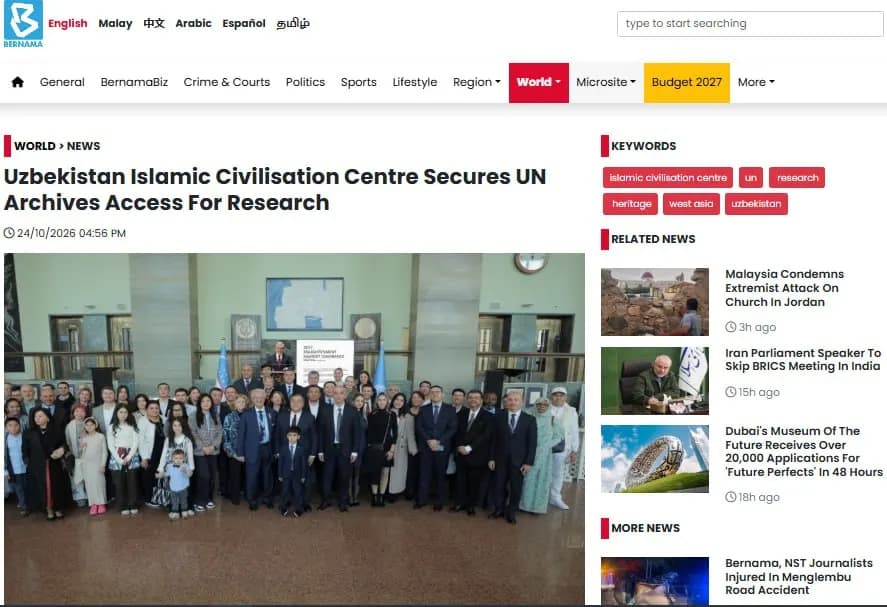
Malaysia's BERNAMA news agency reported on an agreement between the Center of Islamic Civilization in Uzbekistan and the UN Library in Geneva. Access to the archives opens new opportunities for studying the history of Uzbekistan and Central Asia.
Researchers at PNRPU have developed porous materials for biofilters from industrial waste and polyethylene. According to the university, they remove ammonia and hydrogen sulfide from the air 2–2.5 times more effectively than traditional sawdust and expanded clay. The next step is implementation at wastewater treatment plants.
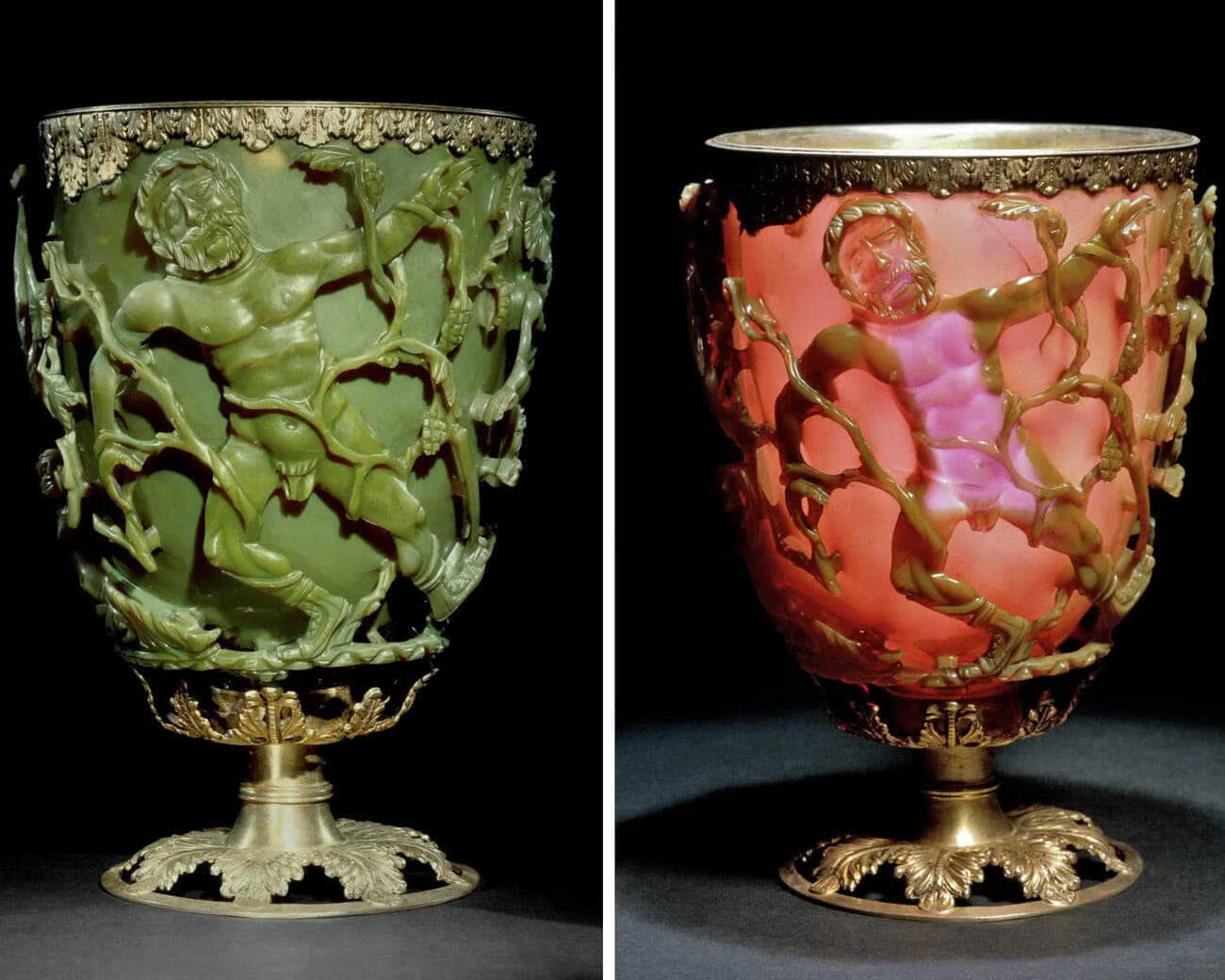
Scientists at the University of Sheffield have recreated ancient Roman dichroic glass similar to the fourth-century Lycurgus Cup held in the British Museum: in direct light it is green, when backlit it is red. The secret lies in nanoparticles of gold and silver, and the accuracy of the colour depended on the item's position in the furnace.
Researchers attached microscopic electrodes to the sensory organs of malarial mosquitoes Anopheles coluzzii and recorded the biting process in real time. They identified five phases of the bite and found that malarial mosquitoes locate a vessel under the skin on average 17 seconds faster than Aedes aegypti mosquitoes. The results were published in Science Advances.
A study involving 30 people who reported unusual experiences showed that the higher a person's creativity, the more real the visual images in a dimly lit mirror seem. The work was published in the Journal of Anomalous Experience and Cognition.
Doctor of Biological Sciences Pavel Balabanov told Gazeta.Ru that artificial intelligence gives science nothing fundamentally new, and its error rate — about 5% — is unacceptable for research: one wrong experiment out of twenty can distort all subsequent work. In his laboratory, he uses AI only as a service program.
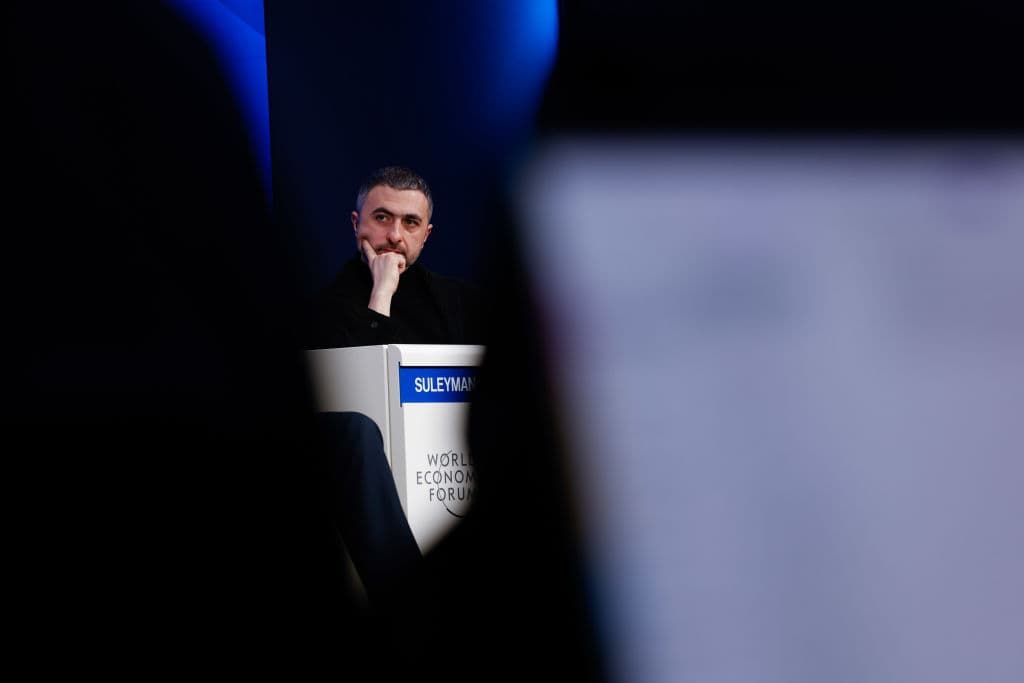
A Microsoft study published in Science found that the MAI-DxO system correctly diagnosed complex cases in 83% of simulations versus 36% for generalist physicians. The company calls it a step toward 'medical superintelligence' and is preparing clinical trials with Beth Israel Deaconess and a foundation model for healthcare with Mayo Clinic.
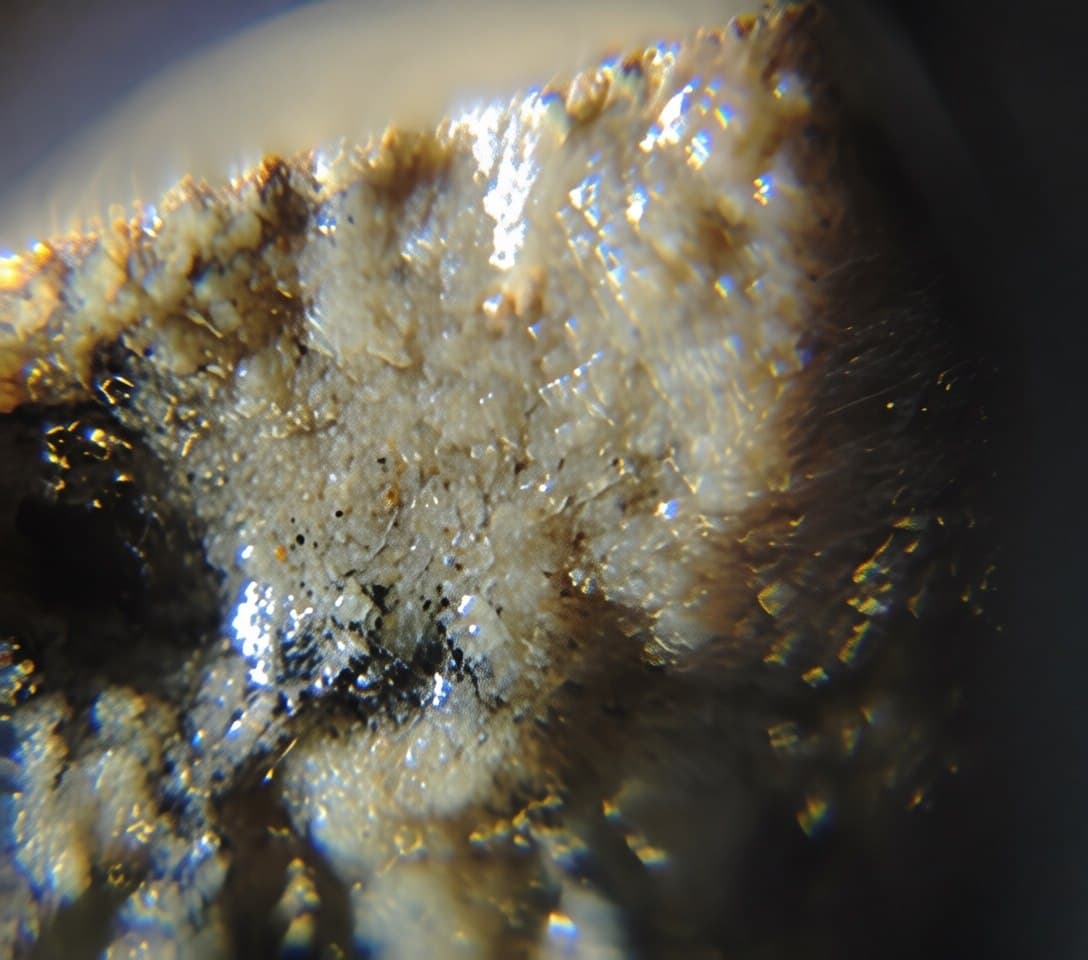
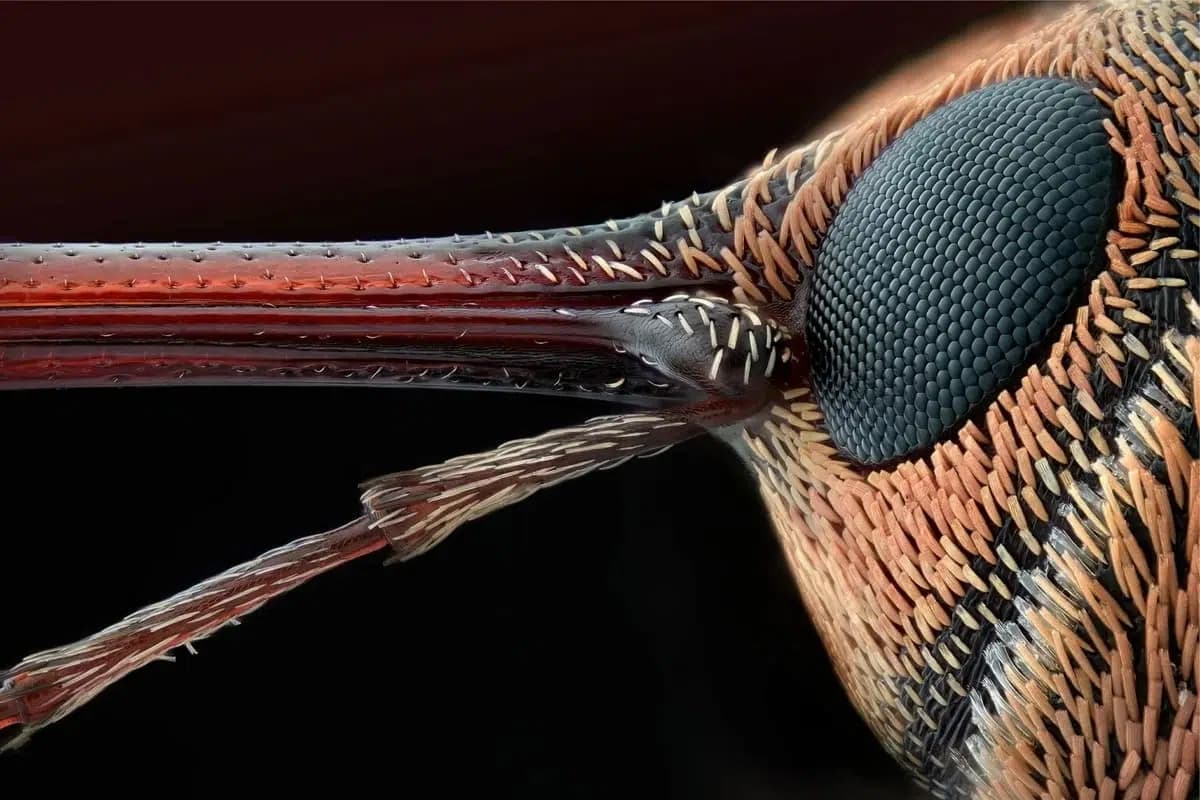
Nikon has held its microscopic photography competition for the 52nd time. First place went to Ole Bielfeldt, a student from Cologne, who captured under a microscope the process of a printer applying ink to paper. Second place went to a shot of a jumping spider Salticus scenicus covered in flower pollen (John-Oliver Dum), and third to an image of neurons in a mouse brain (Kaelin Wolf and Rachel Flannery).
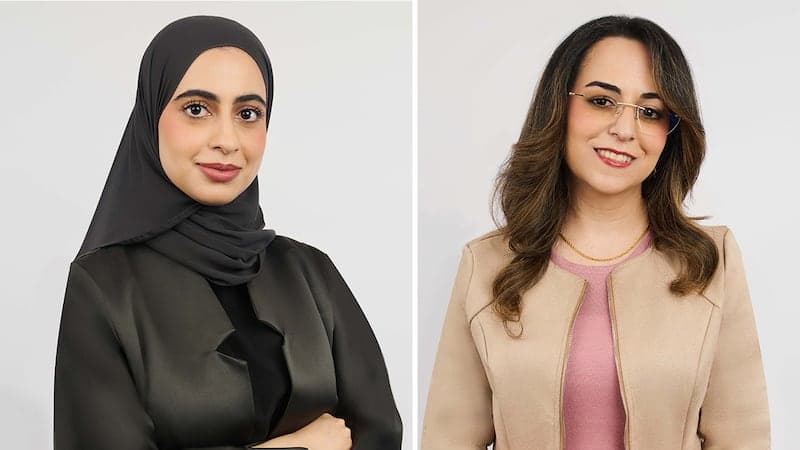
The L'Oréal-UNESCO For Women in Science Middle East program recognized two UAE researchers in its 2026 edition: Marië Al Handawi of NYU Abu Dhabi and Jawaher Al Hammadi of Khalifa University. In total, six women scientists from the Arab world were awarded in this round. Since 2014, the program has supported 69 scientists, providing AED 4 million.
A University of Cambridge study found that of 86 scientists mentioned in GCSE and National 5 exam specifications, the only woman is Rosalind Franklin. At Key Stage 5 level, women account for three of 181 scientists. Exam boards acknowledged the need for greater representation.