The key facts
- The biofilter material is made from waste generated by processing oil-containing materials and polyethylene
- The best carrier's ammonia removal efficiency is 79–82%, versus 54–63% for traditional media
- A biofilm of activated sludge bacteria forms within three to five days
A development by Perm scientists
Scientists at Perm Polytechnic have developed a material for biofilters that removes ammonia and hydrogen sulfide odors from the air 2–2.5 times more effectively than traditional filter media. It is made from waste generated by the processing of oil-containing materials and polyethylene, the university's press service told Gazeta.Ru.
How biofilters work and the problem with old materials
Biofilters are used at wastewater treatment plants and sewage stations: air passes through a filter medium on whose surface bacteria live, absorbing and breaking down pollutants. Traditional materials — sawdust and expanded clay — do not retain microorganisms effectively enough, and organic media degrade over time and need to be replaced.
The technology and test results
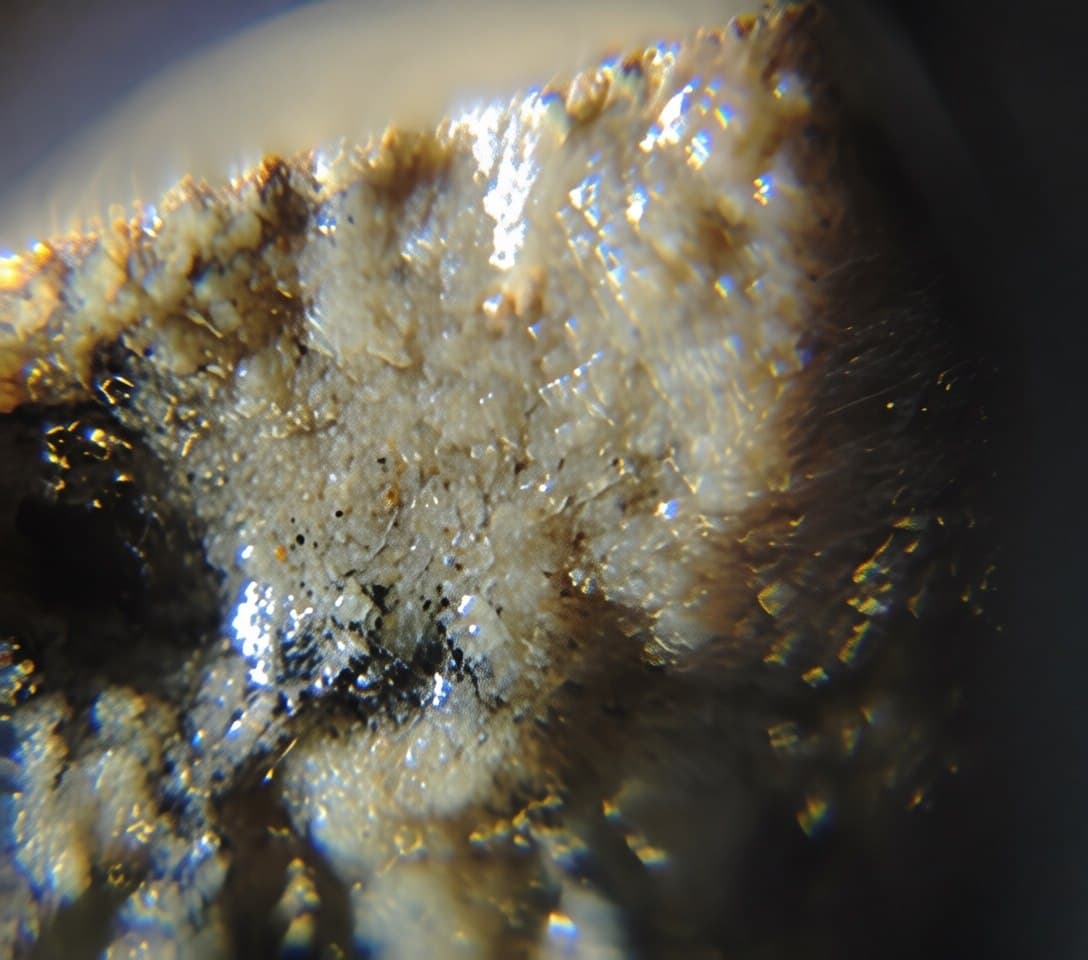
The development is based on porous materials made from industrial waste. The researchers proposed several ways to produce them: pressing pyrolysis residues with cement and liquid glass, combining them with shredded polyethylene waste, or adding them to clay during expanded clay production. The porous structure helps bacteria attach and form a biofilm.
The numbers and the developers' views
«For ammonia, the best performer was the synthetic-carbon carrier, with an efficiency of 79–82%. For comparison: sawdust reduced odors by only 60–63%, and regular expanded clay by 54–57%. For hydrogen sulfide, pyrolysis residues of oil-containing waste are more effective — 81–83%,» said Larisa Rudakova, head of the Environmental Protection Department at PNRPU, Doctor of Technical Sciences.
Implementation and next steps
Before use, the material is inoculated with bacteria from activated sludge at treatment plants; biofilm formation takes about three to five days, and treated wastewater can later be used to sustain the microorganisms. According to the developers, the technology makes it possible to simultaneously reduce emissions of unpleasant odors and find a use for industrial waste that would otherwise end up in landfills. The next step is implementing the materials at wastewater treatment plants. Earlier, as the outlet notes, scientists came up with a solar-powered lid for trash binsthat destroys the smell of decay.