The key facts
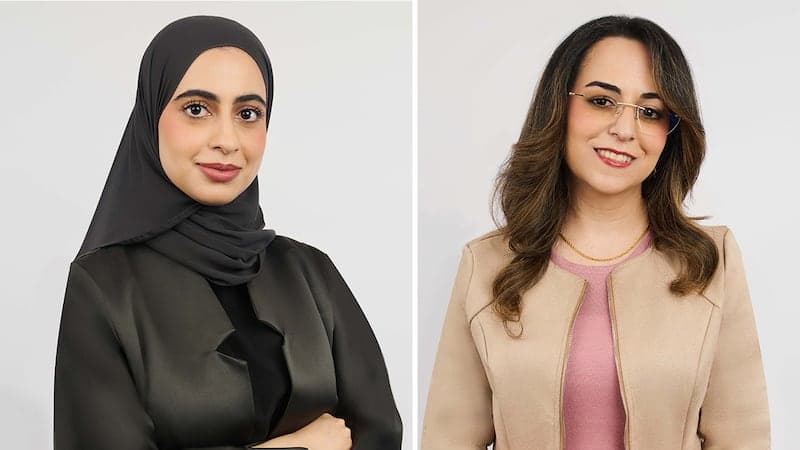
- Two UAE researchers — Marië Al Handawi (NYU Abu Dhabi) and Jawaher Al Hammadi (Khalifa University) — received grants from the L'Oréal-UNESCO For Women in Science Middle East program for 2026
- In total, six women scientists from the Arab world were recognized in this round; since 2014 the program has supported 69 researchers, including 25 from the UAE, with a total of AED 4 million
- According to UNESCO, 41% of scientists in the Arab world are women, the second-highest figure in the world after Central Asia (50%)
An Award for Two UAE Scientists
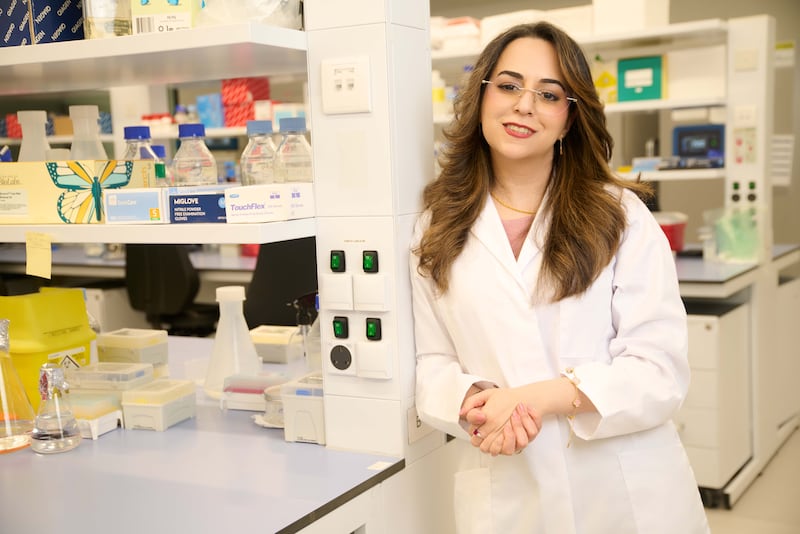
The L'Oréal-UNESCO For Women in Science Middle East program, which supports women scientists in the Arab world, recognized two researchers from the UAE in its 2026 edition: Dr. Marië Al Handawi of New York University Abu Dhabi and Jawaher Al Hammadi of Khalifa University. In total, six women scientists from the region were awarded in this round, working in fields ranging from pandemic preparedness and water security to personalized medicine.
Al Hammadi's Research: Models of Cell Membranes
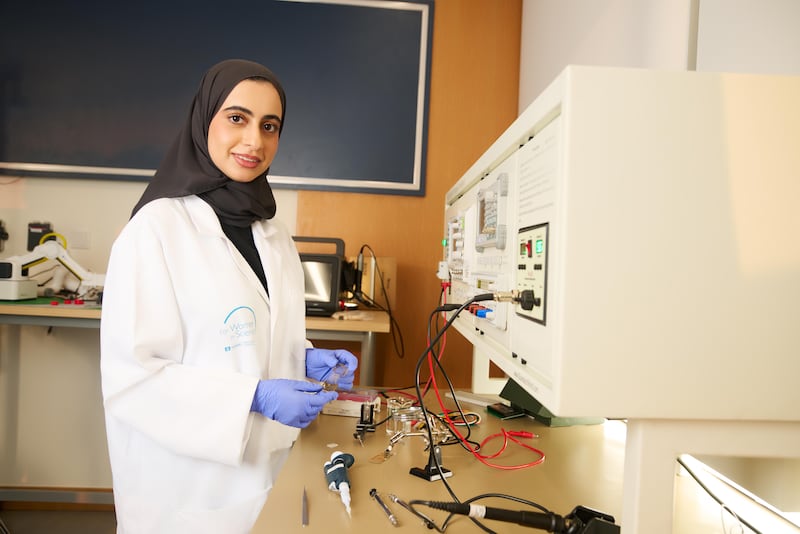
Jawaher Al Hammadi, a PhD student from Sharjah who grew up in Abu Dhabi, works on laboratory models of cell membranes. According to her, traditional models made of synthetic materials do not fully reproduce the complexity of real membranes, so she combines synthetic components with extracellular vesicles — particles derived from cells — and integrates them with electronic sensors that record membrane changes through electrical signals. The goal is to create models that reflect specific cell types, diseases, or even individual patients, which could help in testing personalized treatments. She noted that the program's recognition provides a 'valuable opportunity to raise the visibility' of her research and build international connections, and called it a 'very exciting time' for women in science in the UAE.
Al Handawi's Research: Water from Air, Inspired by Plants
Dr. Marië Al Handawi, born in Syria and raised in the UAE, works at NYU Abu Dhabi after completing her master's and doctoral studies at NYU in New York. She studies how plants adapt to saline and arid conditions, including the local tree Tamarix aphylla, which lives in sabkha salt flats. The plant excretes a saline solution that evaporates and forms salt crystals; according to her, these crystals 'act like magnets,' capturing moisture from the air even at relatively low humidity. She wants to find out whether water can be extracted from the humidity of the UAE's atmosphere with lower energy costs, and in the long term to establish an independent research program on 'bioinspiration' — translating natural mechanisms into practical solutions.
Program Context and Statistics
The program has been running since 2014 and has supported a total of 69 women scientists, including 25 from the UAE, providing AED 4 million for research in the region. According to UNESCO figures cited by the publication, 41% of scientists in the Arab world are women: this is the second-highest figure after Central Asia (50%) and higher than Latin America and the Caribbean (44%), East Asia and the Pacific (27%), sub-Saharan Africa (32%), and Western Europe (34%).
Other Laureates and Statements
Among the other awardees are Saudi physicist Alaa Al Musaikheh from King Abdullah University of Science and Technology (Kaust), Hadeel Zedan from Qatar University researching antiviral drugs, including against coronaviruses, Syrian scientist from Kaust Dr. Aljawharah Al Rubaie, working on vaccines and immunotherapies, and Dr. Sara Al Araimi from the University of Technology and Applied Sciences in Oman, studying the conversion of waste into water and useful materials. UAE Minister of Education Sara Al Amiri stated that women in the country play an increasingly prominent role in research, including advanced technologies, healthcare, sustainable development, and the aerospace industry. L'Oréal Middle East Managing Director Laurent Duffier called the region's scientific talent 'outstanding' and emphasized that the program's mission is to create visibility, networks, and opportunities for its development.