A drone strike by the Sudanese Armed Forces (SAF) on a market in Nyala, the capital of South Darfur, killed at least 36 people, according to Doctors Without Borders (MSF). On the same day, dozens of countries called on the conflicting parties to lift restrictions on humanitarian aid amid threats of famine.
The EU Ambassador to Yemen, Patrick Simonnet, said that concrete steps to end the fighting are needed 'in the coming days, not weeks'. Since June 2026, more than 250,000 people have been displaced in the country, and the EU has allocated an additional €22.5 million in humanitarian aid.
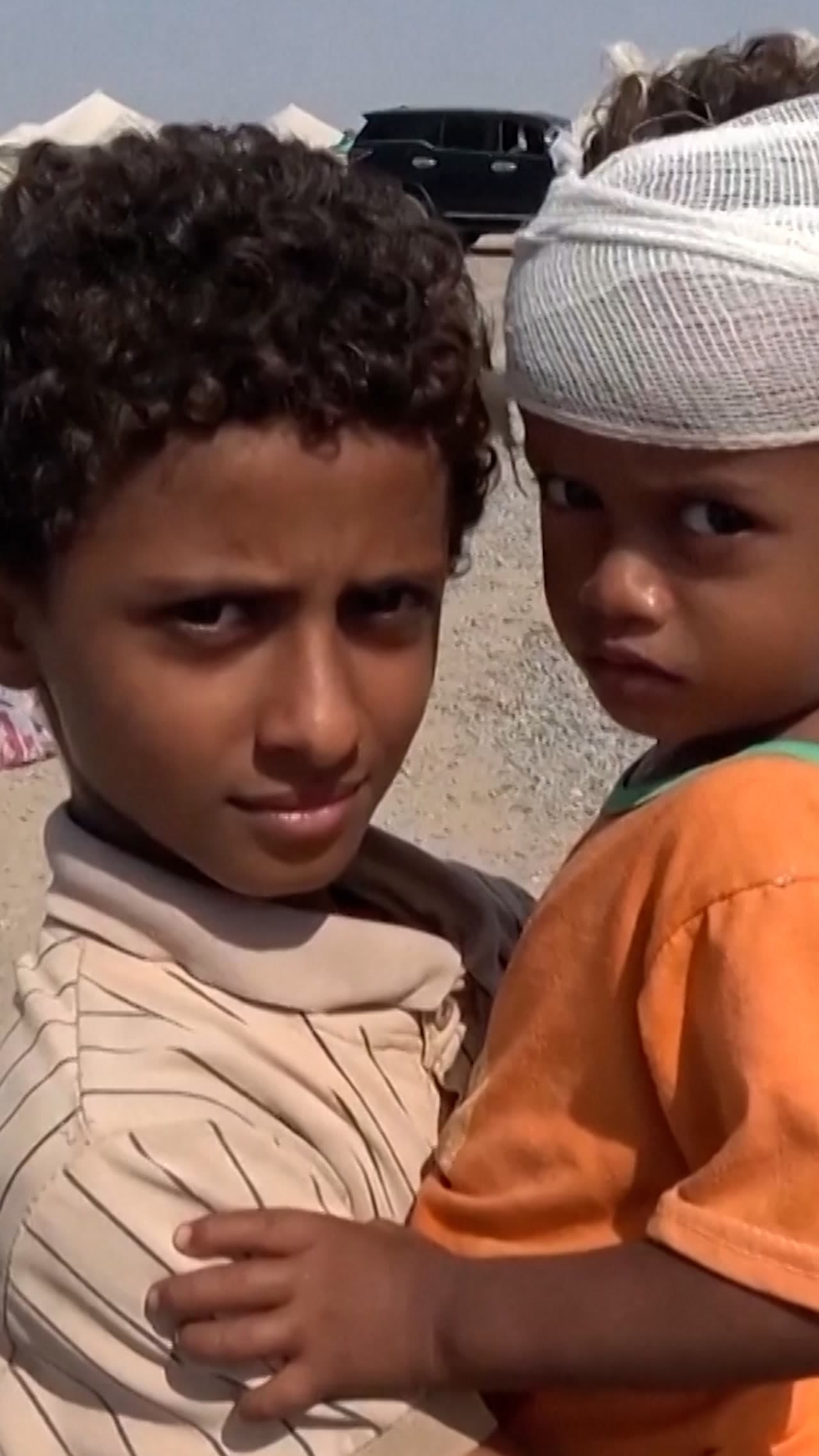
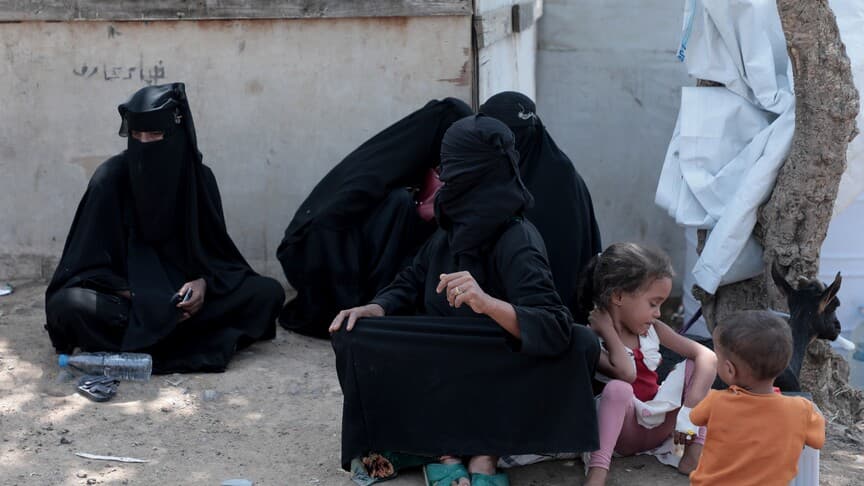
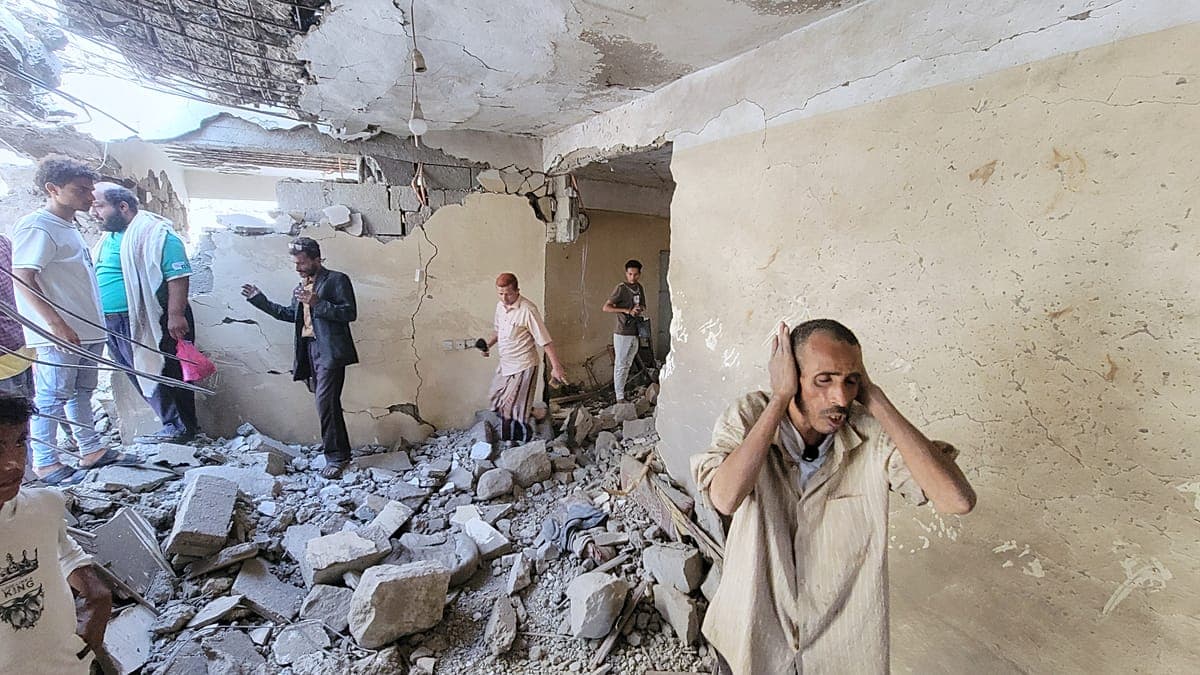
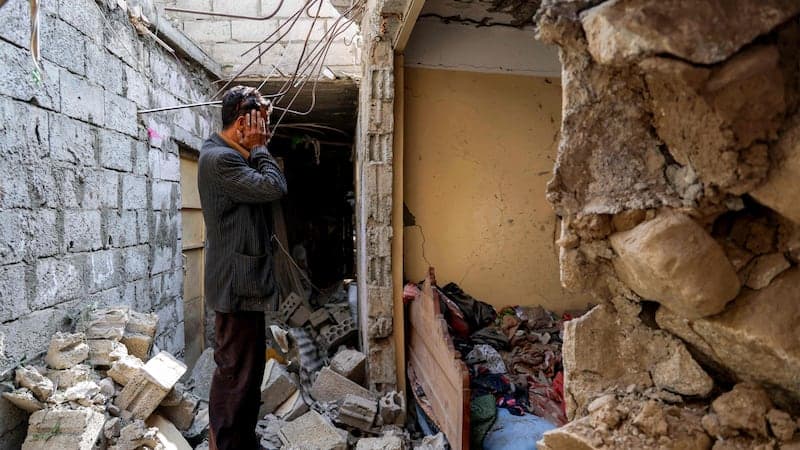
The International Organization for Migration reported that since July, more than 268,000 people have been displaced in Yemen due to the escalation of the conflict between government forces and the Houthis, while thousands of Yemenis have fled by sea to Djibouti. In Aden, the number of displaced people has doubled since October 7 to more than 42,000.
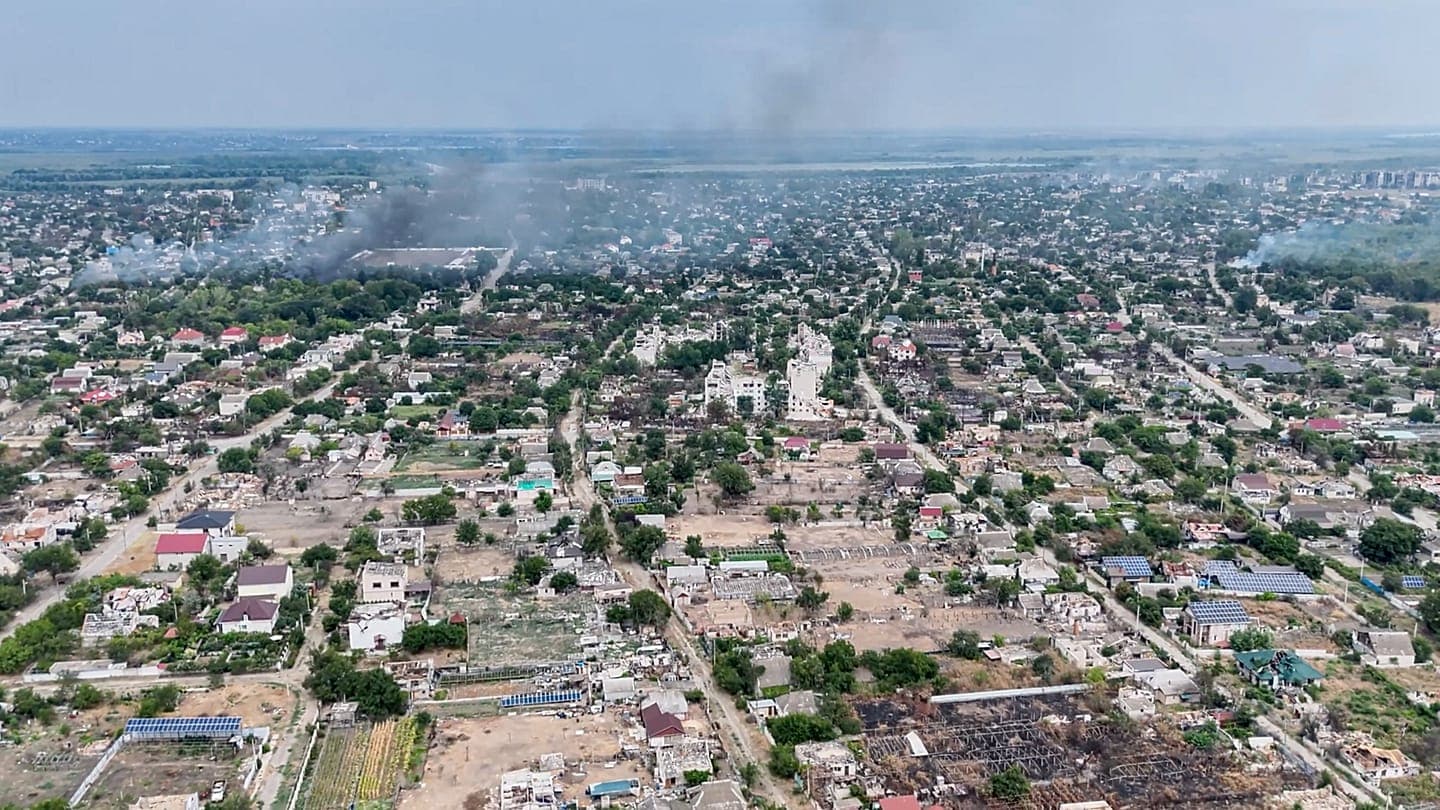
The White House said that US First Lady Melania Trump, acting as an 'exclusive mediator', reached agreement with Russia and Ukraine on a temporary suspension of hostilities in the occupied city of Oleshky to deliver humanitarian aid and evacuate residents. Russia and Ukraine confirmed the agreement, but the Russian side named an earlier start date — October 27. The sides' estimates of the number of remaining residents differ. The White House reported that US First Lady Melania Trump, acting as an 'exclusive mediator,' reached an agreement with Russia and Ukraine on a temporary suspension of hostilities in the occupied city of Oleshky to deliver humanitarian aid and evacuate residents. Russia and Ukraine confirmed the agreement, but the Russian side named an earlier start date — October 27. The parties' estimates of the number of remaining residents differ.
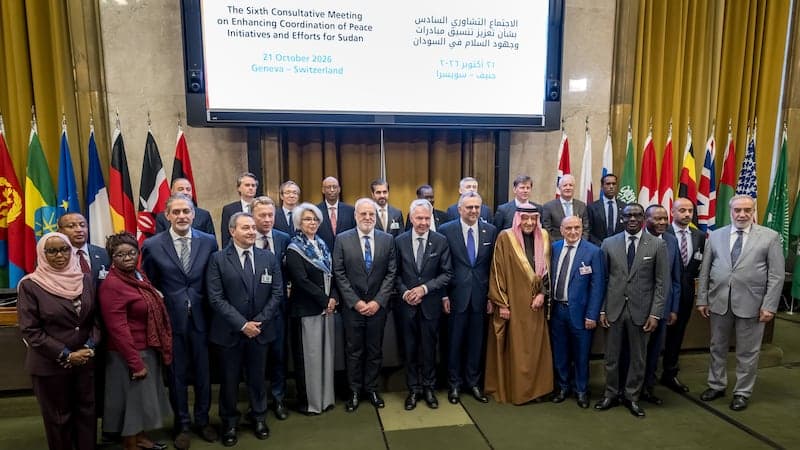
Trump's adviser on Arab and African affairs Massad Boulos said the US took part in the sixth consultative meeting on Sudan in Geneva along with representatives of 27 countries. He stressed that the civil war has no military solution and backed the 'Quintet' and 'Quartet' initiatives for a humanitarian truce. A drone strike near the Sudanese border in Chad killed four people.
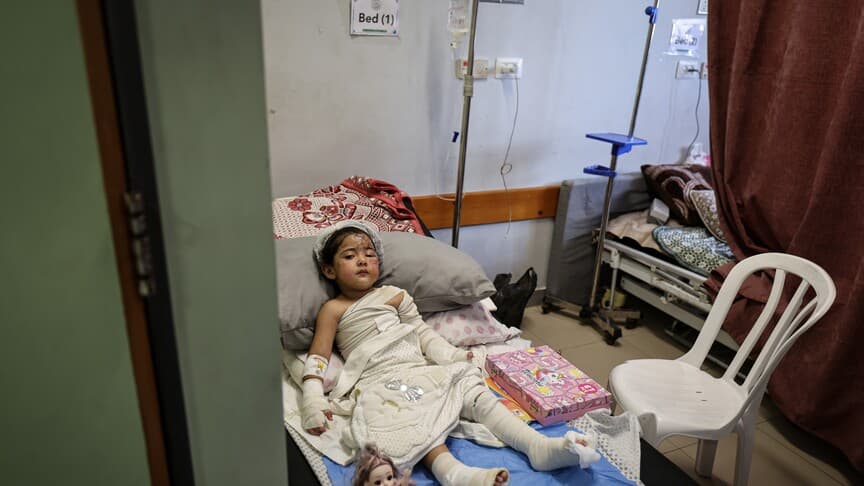
The Gaza Health Ministry said diesel fuel supplies for hospital generators have been completely exhausted amid the ongoing Israeli blockade. The ministry warned that engines that have run for thousands of hours without maintenance may fail irreversibly. It was previously reported that 70% of generators were already out of service. The Gaza Ministry of Social Development announced the shutdown of most bakeries and warned of 'catastrophic humanitarian consequences'.
BBC correspondent Orla Guerin reports from Aden on seven-week-old twins Raghad and Raad, diagnosed with severe acute malnutrition after their family fled the Houthi advance. The UN reports 800,000 people cut off from humanitarian aid and more than 250,000 displaced in three months after the collapse of an informal truce.
According to the UN, since the beginning of August about 260,000 Yemenis have been forced to leave their homes due to the renewed escalation of the conflict, nearly half of them in Taiz province. Local authorities warn of an impending catastrophe in Taiz city hospitals due to shortages of fuel and medicines amid the blockade imposed by the Houthis.
UN Secretary-General's Special Envoy Pekka Haavisto reported after the sixth consultative meeting on Sudan in Geneva about increased diplomatic activity and new confidence-building measures, including a possible prisoner exchange and students' access to exams. Swiss Ambassador Tim Enderlin stressed the need for an inclusive peace process led by the Sudanese themselves.
On October 21, 2026, Yemeni government forces and allied Popular Resistance fighters clashed with Houthis on the western outskirts of Taiz, near the old airport and Jabal Khan mountain. The government reported repelling an attack and carrying out airstrikes; these claims could not be independently verified. The Houthi blockade has disrupted the city's supplies, garbage collection and hospital operations.
The Halo Trust organization said that about 30 of its sappers remain among hundreds of thousands of civilians in the Houthi-besieged Yemeni city of Taiz. All supply routes are blocked, the EU called on the Houthis to lift the siege, and Yemen appealed to the UN. At the same time, the Houthis claimed a missile strike on a Saudi facility in Aden.
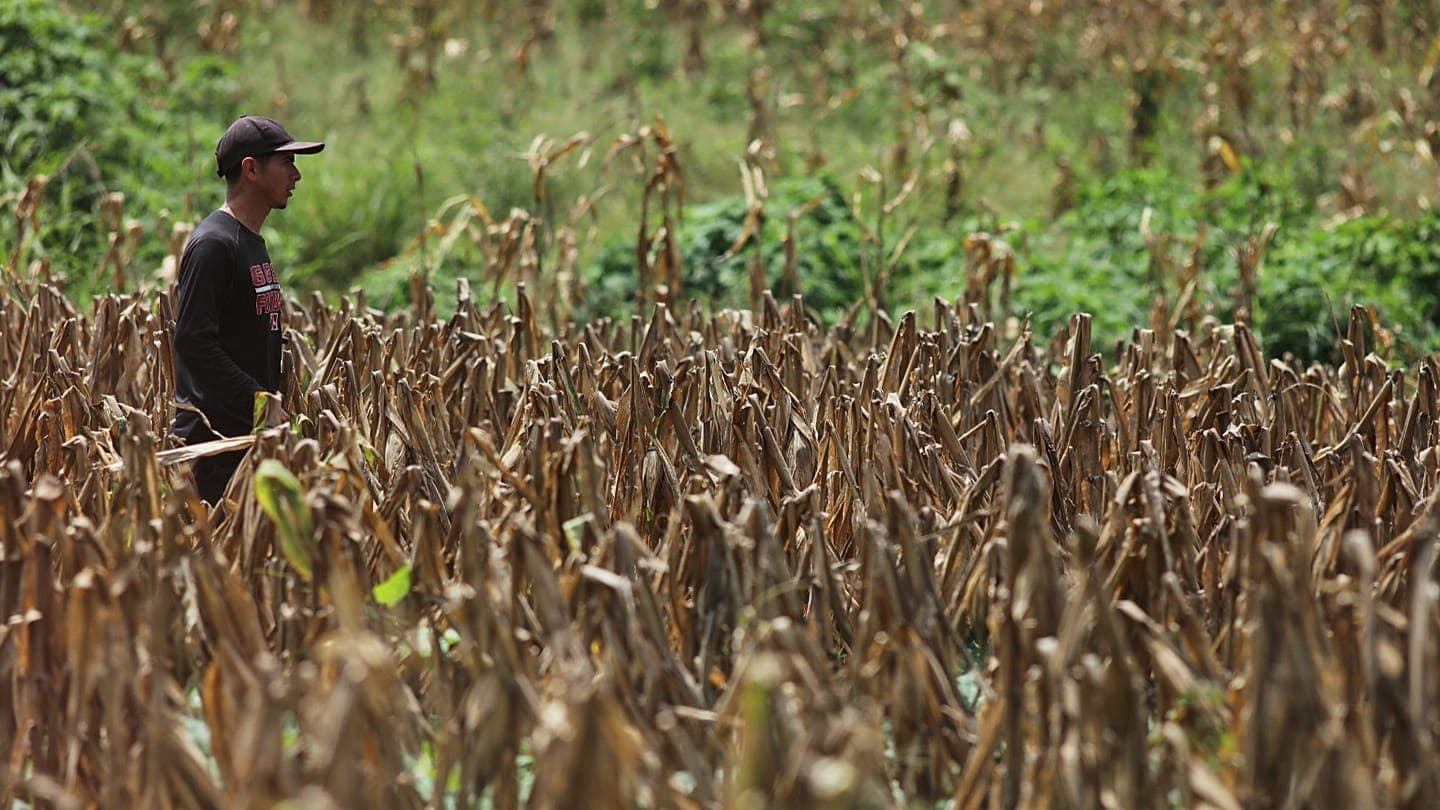
The World Meteorological Organization and the UN Office for the Coordination of Humanitarian Affairs warned that the current El Niño may exceed the observation scales of the past 40 years: sea surface temperature in the tropical Pacific could rise 3.8°C above normal in November 2026 — January 2027. According to UN estimates, up to 50 million people may face worsening hunger. More than $50 million has been allocated for preparedness in 11 countries; the agency heads called for urgent anticipatory action in the near
The Gaza Ministry of Health has warned that fuel supplies for hospital generators are exhausted. The remaining generators are operating under difficult technical conditions and could fail at any moment, disrupting departments providing life-saving care. Hospitals require more than 2,500 liters of fuel per month.
The UN has warned that the situation in the Yemeni city of Taiz is deteriorating: road blockages and insecurity are hindering the delivery of fuel, medicines and other vital goods. The number of displaced people in Yemen has exceeded 250,000 as of October 17.
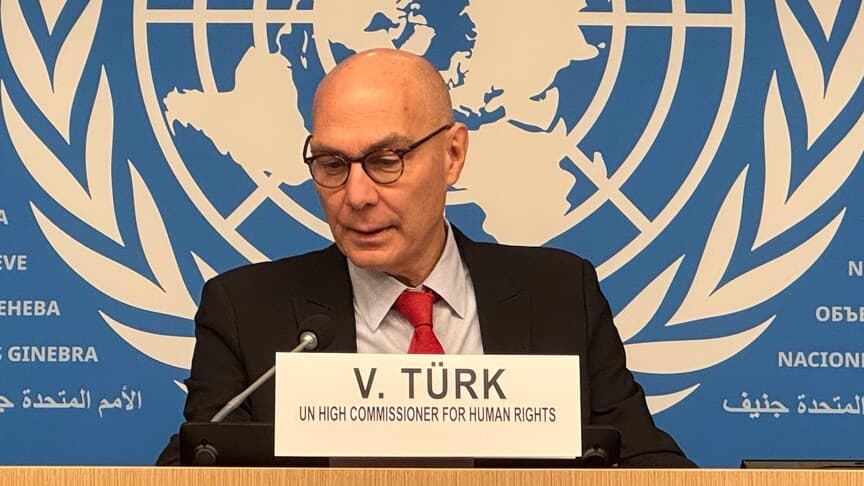
UN High Commissioner for Human Rights Volker Türk said the Houthi closure of the only supply route between Taiz and Aden is blocking humanitarian aid and essential goods. According to OHCHR, 32 civilians were killed and 115 wounded in Taiz province between 1 August and 19 October. Prices of goods have risen many times over, and restrictions on access to water via the Al-Dhabab route have been documented.
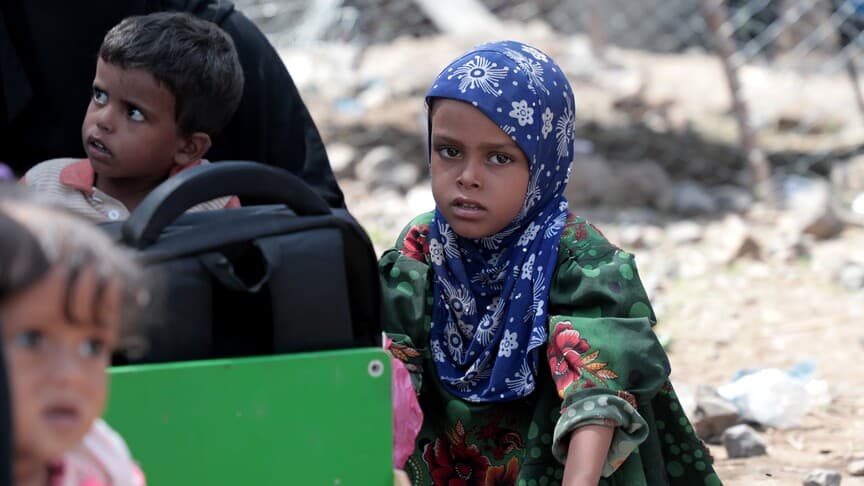
UN agencies warned that in Yemen's Taiz province, water systems serving about 3 million people, including at least 1.6 million children, are at risk due to fighting and fuel shortages. The cost of trucked water has tripled, 12 hospitals have roughly four days of fuel left, and the number of displaced people across the country has exceeded 250,000.
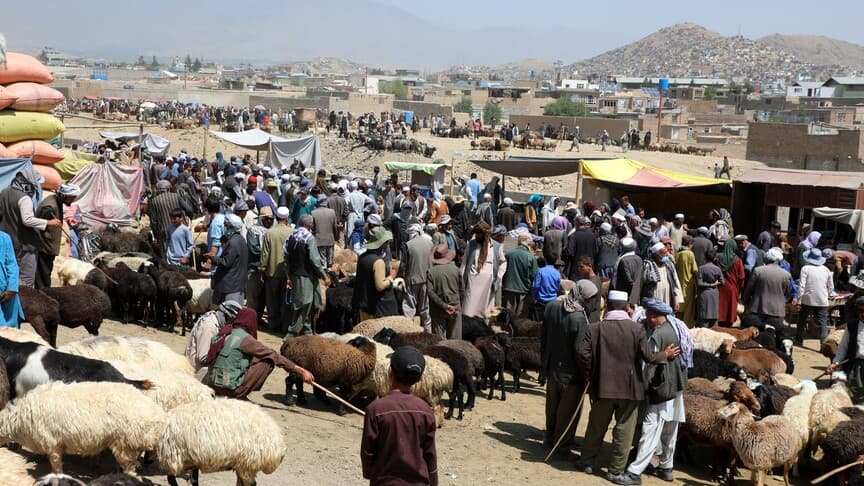
The UN Office for the Coordination of Humanitarian Affairs warned that due to funding shortages, acute food insecurity may affect nearly 19.2 million people in Afghanistan this winter. From September to October, 15.9 million people are experiencing acute food crisis at IPC level 3 or higher — almost one in three Afghans. About a third of nutrition centers are closed or have suspended operations, and more than 4 million children may need treatment for acute malnutrition next year.
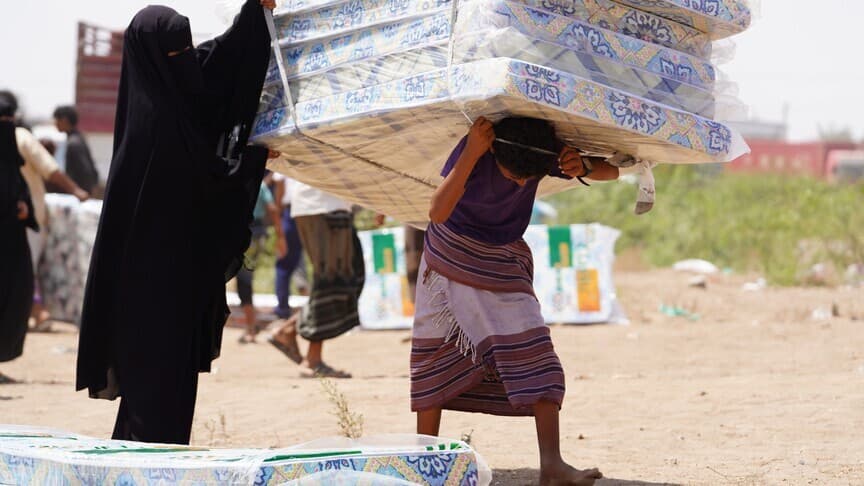
The UN Refugee Agency (UNHCR) reported that between 1 August and 17 October 2026, more than 250,000 people in Yemen were forced to leave their homes due to an escalation of fighting. The crisis centre is Taiz, which accounts for 76% of displacements. The agency notes a shortage of shelter and serious underfunding of the humanitarian response.