The key facts
- More than 268,000 people have been displaced within Yemen since July, almost all since the beginning of September (data as of October 23)
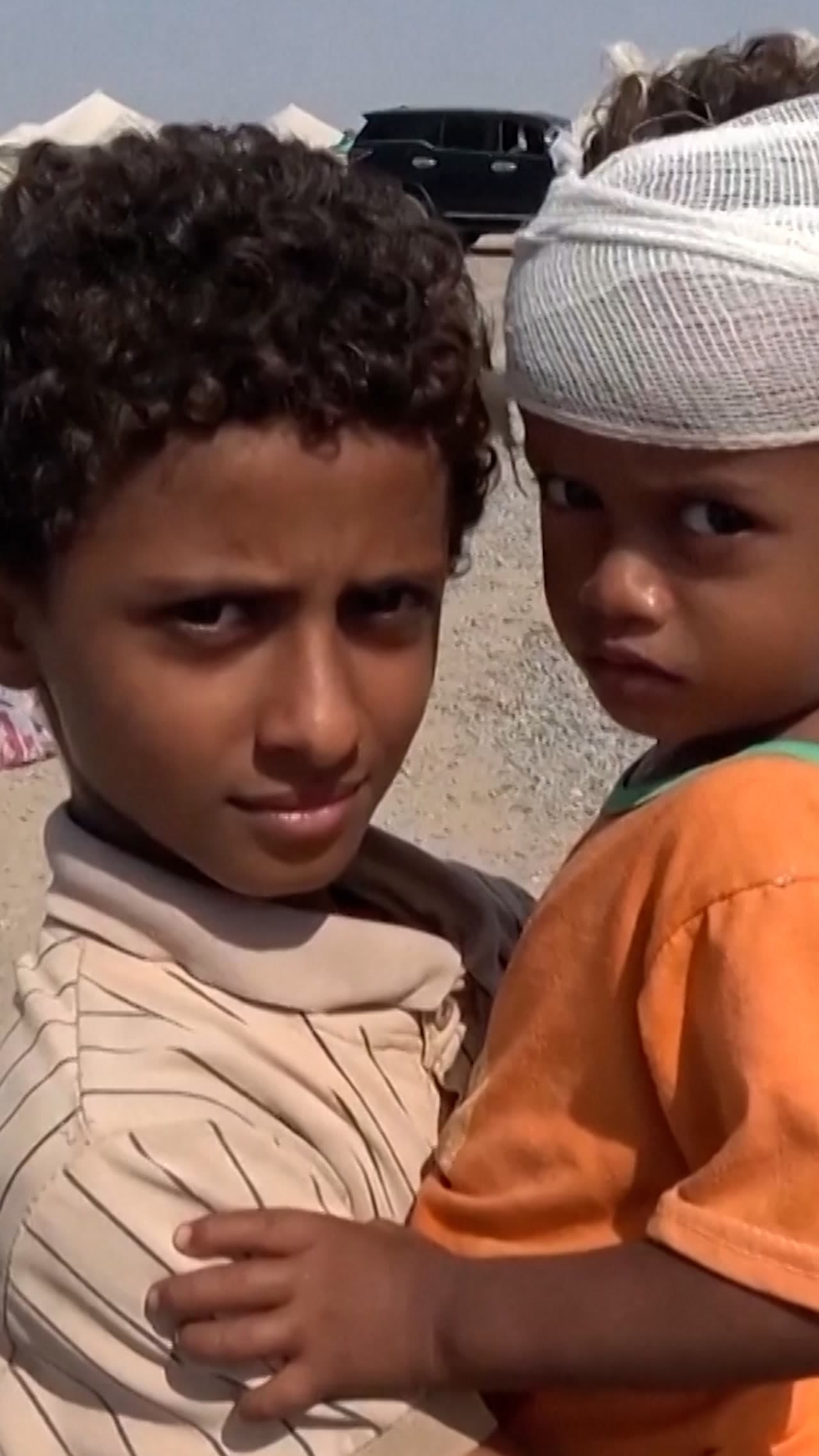
- As of October 17, at least 3,836 Yemenis had arrived in Djibouti, half of them children
- In Aden, the number of displaced people has more than doubled since October 7 to over 42,000, with around 67,000 in Lahj
The scale of internal displacement
The International Organization for Migration (IOM) reported that since July, more than 268,000 people have been displaced within Yemen amid the escalation of the conflict between government forces and the Houthi group. According to the UN agency's data published on Sunday, the figure was recorded as of October 23, with almost all of those affected displaced since the beginning of September, Anadolu reports.
Refugees in Djibouti and internal displacement in the south
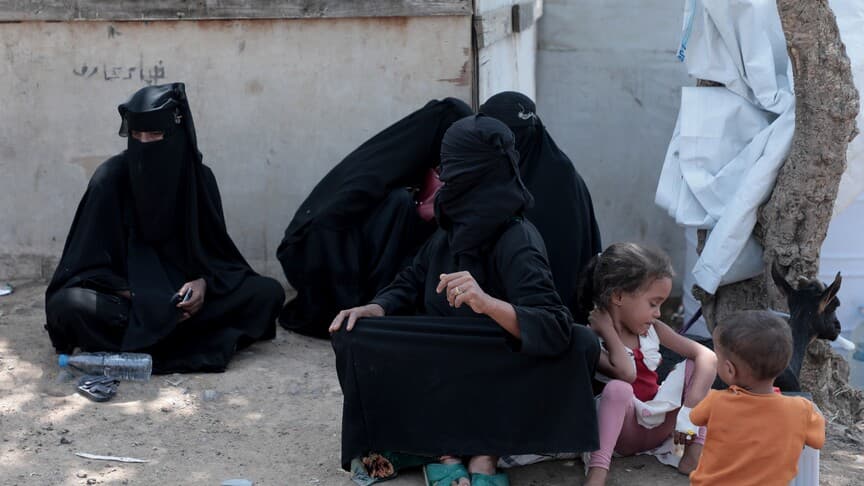
The escalation of the conflict in western Yemen has also driven people to flee the country: as of October 17, at least 3,836 Yemenis had arrived in Djibouti, half of them children, including 282 under the age of five. Most reported fleeing due to deteriorating security; several boats, according to reports, ran aground before reaching their destination due to a lack of fuel. Separately, IOM recorded 1,327 migrants who crossed the sea from Yemen to Djibouti on their way to their countries of residence. Within the country, families are increasingly seeking refuge in the south: the number of displaced people in Aden has more than doubled since October 7 to over 42,000, while around 67,000 are sheltered in Lahj. Displaced families have found shelter in 62 districts across 10 provinces, reaching as far as Al-Mahra in the east.
The humanitarian situation and IOM's appeal
The head of IOM's mission in Yemen, Abdusattor Esoev, said that the scale and speed of displacement leave families in desperate need, and the response is failing to keep pace: funding falls far short, and without urgent support more families will be left without assistance that could save lives. According to the organization, many face difficulties accessing clean water, healthcare and basic services amid a severe fuel shortage and rising prices for food and medicine. Families are sheltering in overcrowded public buildings or sleeping in the open, often without proper sanitation. Women, children, the elderly and people with disabilities face heightened risks, while restrictions on humanitarian access in Taiz continue to delay the delivery of aid. Esoev noted that many families have had to flee more than once, and called for support to be directed both to displaced families and to host communities. IOM urged donors to increase aid, and called on all parties to protect civilians and humanitarian workers and to ensure safe, unimpeded access to those in need.
Context of the conflict
Yemen has been engulfed in conflict since 2014, when the Houthis seized Sanaa and a number of other provinces, prompting a Saudi Arabia-led coalition to intervene in March 2015 in support of the internationally recognized government. The Houthis control most of the country's north and west, while government forces and their allies hold Aden and significant parts of the southern and eastern provinces. Editorial note: the IOM figures cited — 268,000 displaced since July and nearly 4,000 arrivals in Djibouti — show that the crisis is unfolding both inside the country and beyond its borders, while the bottlenecks — lack of funding, fuel shortages and access to Taiz — directly determine whether aid reaches families forced to flee repeatedly.