The key facts
- Between 1 August and 17 October 2026, more than 250,000 people were displaced in Yemen — previously nearly 213,000 had been reported
- Taiz accounts for 76% of displacements and hosts 52% of newly displaced; Lahj — 23%, Aden — 13%
- About 33,700 families need shelter assistance; at the Kharaz camp schools closed again on 11 October
Number of displaced rises to 250,000
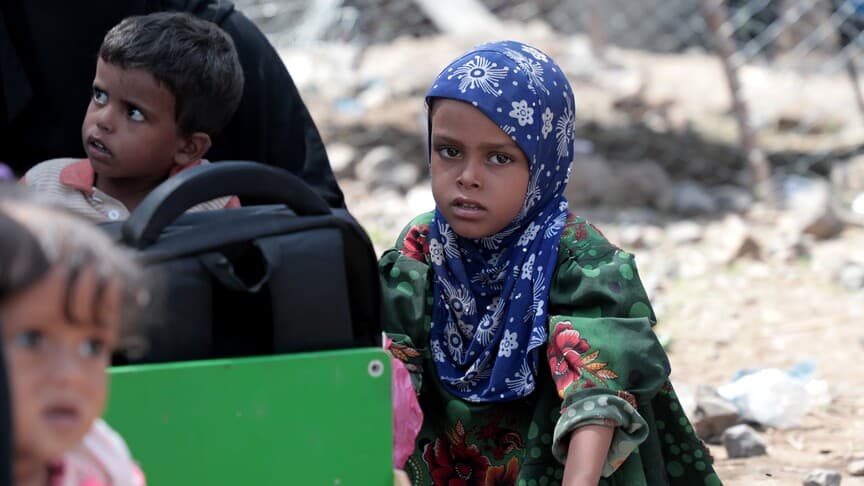
The Office of the UN High Commissioner for Refugees (UNHCR) reported on Tuesday that between 1 August and 17 October 2026, more than 250,000 people were displaced in Yemen due to intensified fighting. This is higher than the previously announced figure of nearly 213,000. According to the agency, Taiz remains the epicentre of the crisis: it accounts for 76% of displacements and also hosts 52% of the newly displaced. Lahj in the south-west of the country hosts 23% of new arrivals, and Aden in the south — 13%.
Shelling and strikes on civilian infrastructure
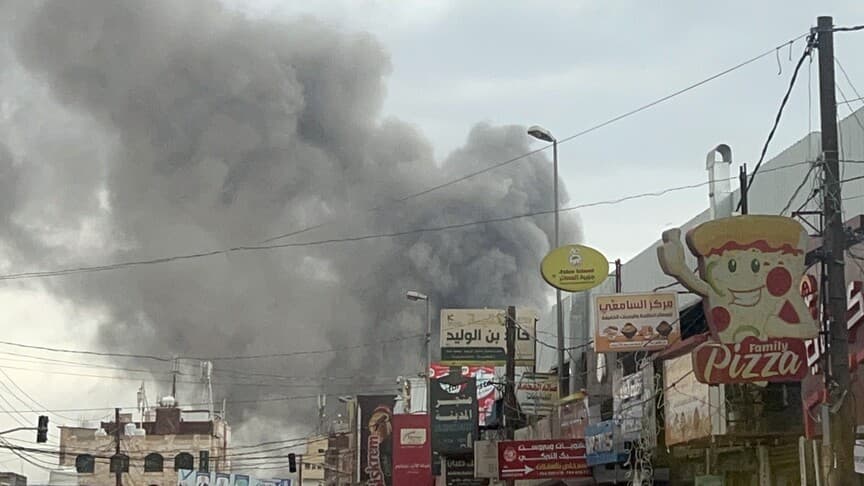
“Shelling in Taiz has intensified, including in residential areas and around medical facilities, and insecurity and restrictions on key routes continue to hinder humanitarian access and movement,” the UNHCR statement said. In Aden, according to the agency, strikes were reported, including near key civilian infrastructure.
Shelter shortage and underfunding
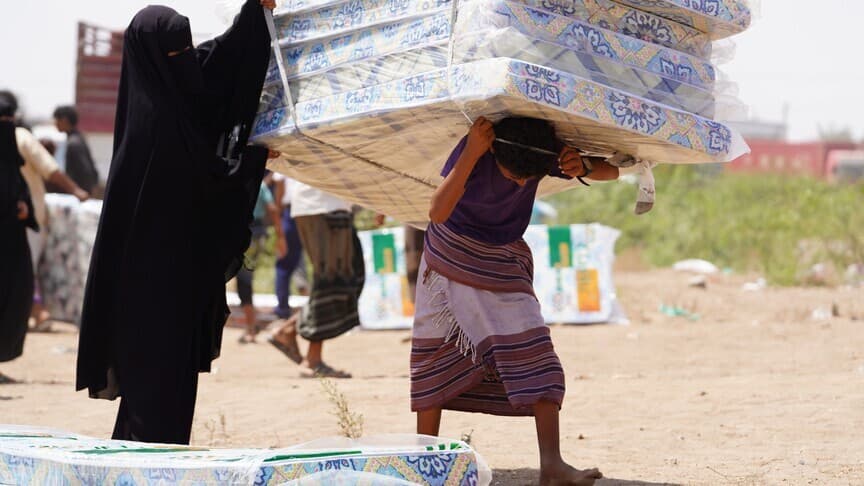
By 17 October, UNHCR and its partners had assessed the situation of 12,283 displaced households in Abyan, Aden, Marib, Lahj and Taiz; about 2,050 families remained without shelter. Shelter partners reached 3,166 households, however, according to the agency's estimate, assistance in this area is still needed by approximately 33,700 families amid serious underfunding of the humanitarian response overall.
Kharaz camp and conflict context
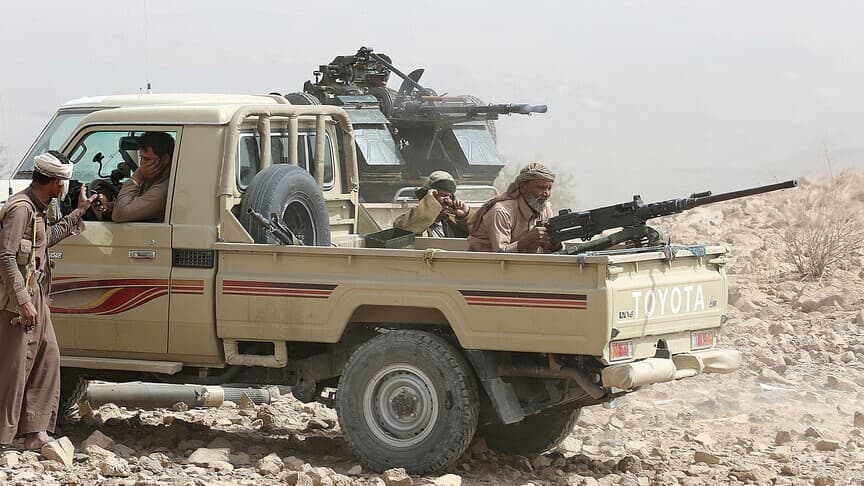
At the Kharaz refugee camp in Lahj, which hosts 9,490 refugees, schools closed again on 11 October amid a deteriorating security situation; access restrictions continue to affect humanitarian operations and movement to and from the camp. Yemen has been engulfed in conflict since September 2014, when the Houthis seized the capital Sanaa and a number of other provinces, prompting a Saudi Arabia-led coalition to intervene in March 2015 in support of the internationally recognised government. The Houthis control most of the north and west of the country, while government forces and their allies hold Aden and a significant part of the southern and eastern provinces.