The key facts
- The EU Ambassador to Yemen, Patrick Simonnet, called for concrete measures 'in the coming days' to stop the escalation
- Since June 2026, according to the UN, more than 250,000 Yemenis have been displaced; the EU added €22.5 million to the €87.5 million already allocated
- The UN Special Envoy Hans Grundberg warned as early as 9 October that Yemen 'has slid back into full-scale war'
Brussels demands action 'in the coming days'
A senior official spokesperson for the EU called for concrete steps 'in the coming days, not weeks' to halt the renewed fighting in Yemen and preserve the possibility of a political settlement. In an interview with The National, the EU Ambassador to Yemen, Patrick Simonnet, warned that the recent escalation threatens not only the lives of civilians but also years of diplomatic efforts to end the conflict. According to him, military action may change the situation on the ground, but by itself it cannot resolve political differences or ensure stability.
How the conflict returned to full-scale war
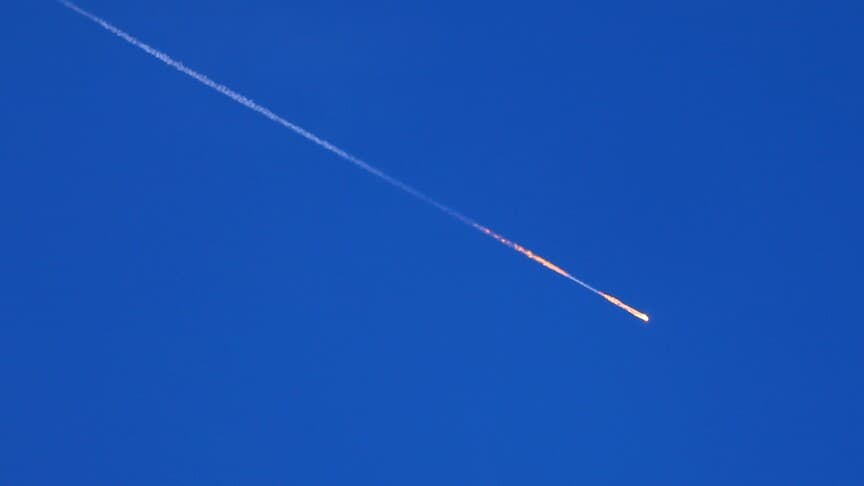
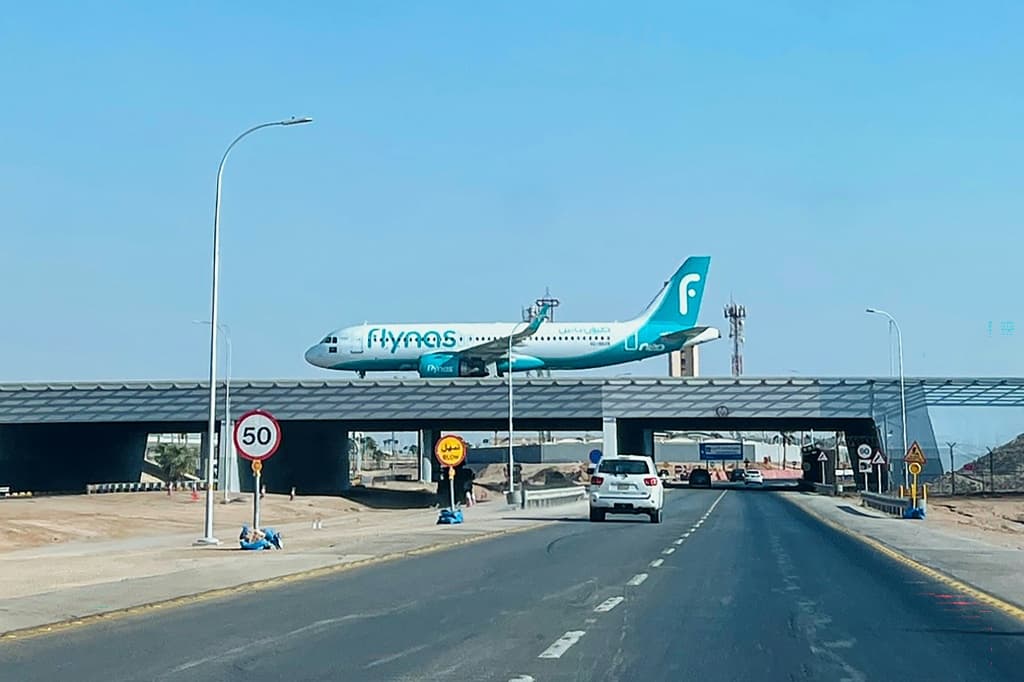
The warning came amid a sharp escalation that put at risk the relative calm that had followed the UN-brokered truce of 2022. As early as 9 October, the UN Special Envoy Hans Grundberg said that Yemen 'has slid back into full-scale war', with fighting on several fronts. According to The National, the Houthis became drawn in February into a broader regional conflict involving the United States, Iran and Israel, and in July they launched a campaign and seized the country's western coast. Government forces and the Saudi Arabia-led coalition responded with airstrikes and a counteroffensive, while the Houthis, with strikes on Saudi cities at an unprecedented pace, including attacks on civilian airports and oil facilities, turned the kingdom into a pressure point in the regional war.
The humanitarian toll and the siege of Taiz
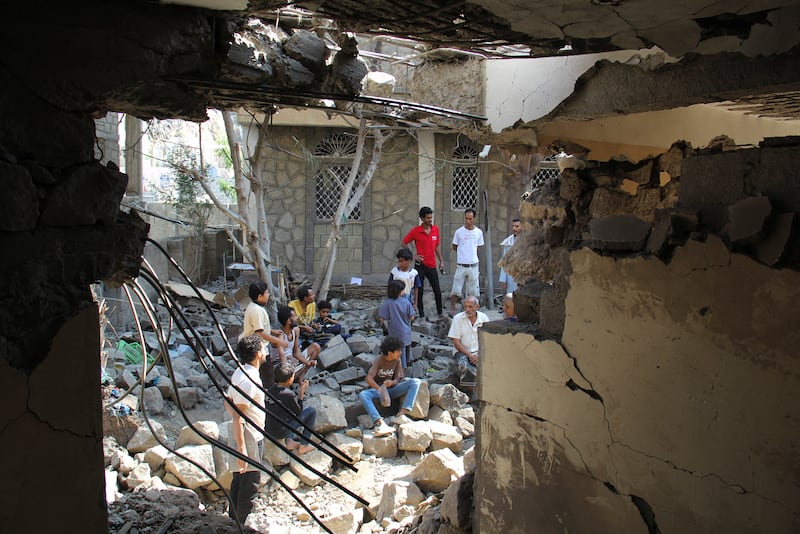
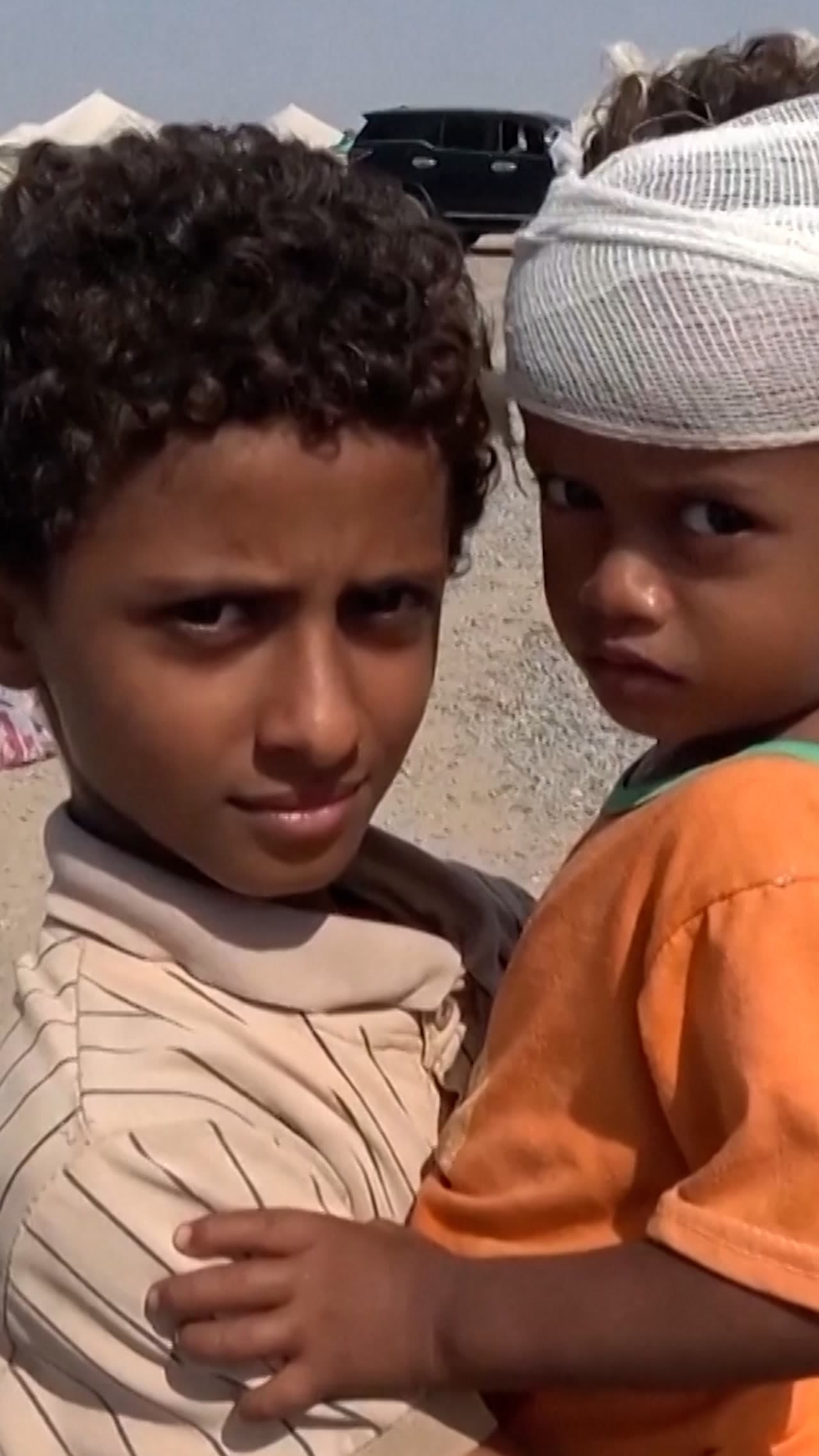
Simonnet stressed that the humanitarian crisis cannot be ignored amid international concern over regional security: the world's attention, in his words, is focused mainly on missiles and maritime routes, while the everyday needs of Yemenis receive less attention. According to UN figures cited by The National, since June 2026 more than 250,000 people have been displaced. The ambassador expressed deep concern over the Houthi attacks in Aden — on the Maashiq complex and the airport — and the prolonged siege of Taiz, which has restricted access to basic necessities; the EU called on the Houthis to lift the siege immediately and allow food, water, medicine and fuel into the city. On Sunday, the EU announced the allocation of €22.5 million in humanitarian aid on top of the €87.5 million already earmarked for 2026.
Regional de-escalation is not the solution
Simonnet separately noted that de-escalation outside Yemen will not by itself resolve internal differences: the conflict has its own roots, but it is increasingly intertwined with regional tensions, and both components must be addressed. Yemen, he said, needs an inclusive political settlement that responds to the aspirations of the Yemenis themselves, while the international community needs to turn the renewed attention into sustained work with the country's people, economy and institutions. The Houthis have been fighting the Yemeni government since 2014, when they seized Sanaa; Saudi Arabia intervened in 2015 at the head of a coalition on the government's side.